
Sepsis in older adults rarely looks like a textbook infection. Instead of high fever and obvious pain, it whispers through confusion, weakness, or a sudden inability to stand. These subtle shifts are easy to dismiss as aging, dementia, or a bad day—but they can signal a life-threatening blood infection. Every hour of delay increases the risk of organ failure and death, especially in seniors over 65.
This guide breaks down the blood infection symptoms in the elderly that demand immediate attention. You’ll learn how sepsis presents differently in older adults, which warning signs require emergency care, and what steps doctors take to diagnose and treat it. Whether you’re a caregiver, family member, or senior yourself, recognizing these red flags could save a life.
Spot Early Warning Signs of a Blood Infection

Sepsis starts with an infection and escalates when the immune system spirals out of control. In elderly patients, early symptoms are often vague, atypical, and dangerously easy to overlook. The key is watching for sudden changes from a person’s normal baseline.
Watch for Sudden Mental Changes
Altered mental status is one of the strongest indicators of sepsis in older adults. It may be the only sign, especially in those with dementia. Look for:
– Sudden confusion or disorientation
– Inability to follow conversations
– Agitation, restlessness, or unusual aggression
– Extreme drowsiness or difficulty waking up
A person who was alert yesterday but is now withdrawn, combative, or unable to recognize loved ones may be developing a blood infection—even without fever.
Pro Tip: Ask caregivers or family: “Is this normal for them?” If the answer is no, treat it as a medical emergency.
Identify Atypical Physical Symptoms
Older patients often skip classic signs like high fever. Instead, watch for:
– Low body temperature (hypothermia) instead of fever
– Rapid breathing (over 20 breaths per minute)
– Fast heart rate (above 90 beats per minute)
– Dizziness or fainting from dropping blood pressure
– Cold hands and feet despite warm surroundings
Skin may appear pale, mottled, or blotchy. Some develop a rash with tiny dark-red spots, which signals bleeding under the skin.
Monitor Functional Decline
A sudden loss of independence can be a critical red flag:
– Inability to stand from a chair
– Refusal or inability to walk
– Unexplained falls
– Not eating or drinking
If a senior who usually walks independently suddenly cannot rise without help, consider sepsis until a doctor proves otherwise.
Understand Silent Presentations in Seniors
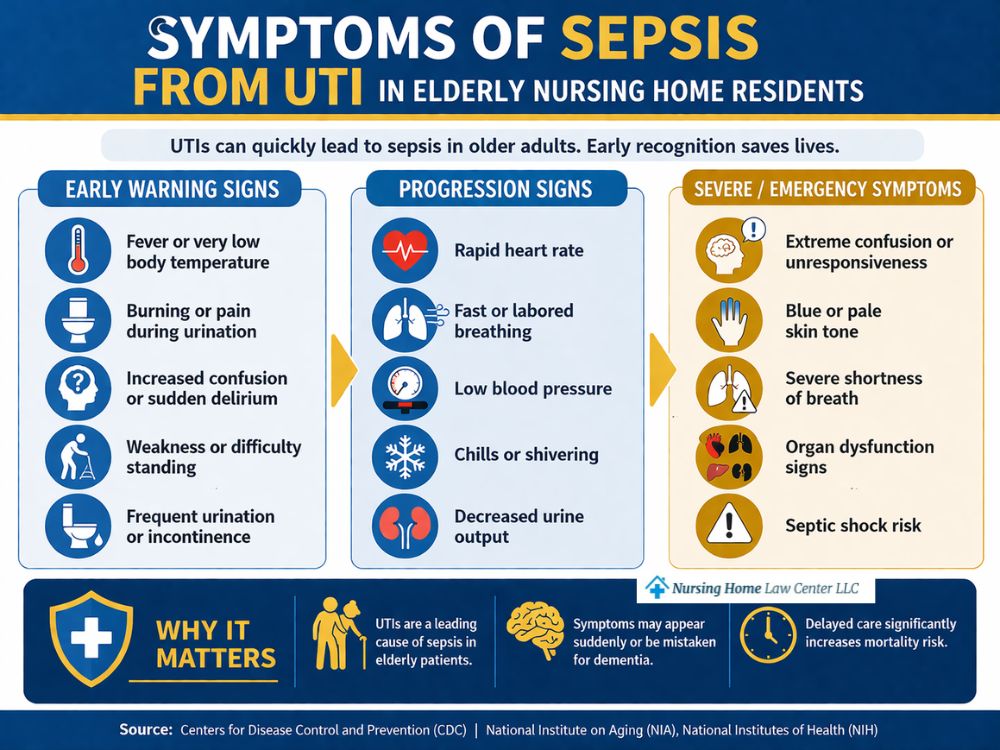
Sepsis in the elderly often strikes without obvious symptoms. This “silent” presentation makes early detection harder—and more urgent.
No Fever Does Not Rule Out Sepsis
Up to one-third of elderly sepsis cases occur without fever. Due to immunosenescence (age-related immune decline), older bodies may fail to mount a temperature spike even during severe infection. Relying on fever alone can delay diagnosis and increase mortality.
Instead, focus on:
– Behavior changes
– Reduced urine output
– Weakness or lethargy
Expert Note: Hypothermia (below 96.8°F or 36°C) is more dangerous than fever in seniors and strongly correlates with poor outcomes.
Confusion vs. Dementia Progression
Sepsis can mimic worsening dementia but progresses faster. Key differences include:
– Onset: Sudden (hours to days), not gradual
– Reversibility: Mental status improves with treatment
– Associated symptoms: Look for breathing changes or infection clues
When in doubt, assume infection until a doctor rules it out.
Know the Common Infection Sources

Any infection can trigger sepsis, but certain sites are more common in older adults.
Urinary Tract Infections (UTIs)
UTIs are a leading cause of sepsis in seniors. Symptoms may include cloudy or strong-smelling urine, frequent urination, or lower abdominal pain. In many elderly patients, UTIs present only as confusion, lethargy, or falls—sometimes with no urinary symptoms at all.
Pneumonia
Lung infections are another top trigger. Watch for cough (with or without phlegm), shortness of breath, or chest pain. In seniors, pneumonia may show up as fatigue, decreased appetite, or increased confusion. Flu and COVID-19 can also progress to pneumonia and then sepsis.
Skin and Wound Infections
Even minor cuts, insect bites, or pressure sores can become gateways. Cellulitis signs include red, swollen, warm skin that spreads quickly. Diabetic ulcers, surgical wounds, and bedsores carry especially high risk.
Dental and Abdominal Infections
Dental abscesses can seed bacteria into the blood, especially after dental work. Abdominal issues like appendicitis or diverticulitis may present with vague belly pain or bloating. Both can progress silently.
Recognize Progression to Septic Shock

When sepsis worsens, it becomes septic shock—a condition with 30–50% mortality even with treatment. Seek immediate emergency care if the person shows:
– Very low blood pressure that does not improve with fluids
– Inability to stay awake or respond to voice
– No urine output for 12+ hours
– Rapid decline in breathing or need for oxygen
– Skin mottling or cold extremities
Families often describe the person turning “grey” or “ashen” just before collapse—a visual cue of poor oxygen delivery. Survival drops 7–10% per hour of delayed treatment, so call emergency services immediately.
Identify High-Risk Factors
Certain conditions and situations dramatically increase vulnerability.
Age and Immune Decline
Risk rises sharply after age 65 due to immunosenescence, the natural weakening of immune defenses. Even minor infections can spiral out of control.
Chronic Health Conditions
Pre-existing illnesses make sepsis more likely:
– Diabetes
– Cancer (especially blood cancers like CLL)
– Kidney or liver disease
– Heart failure
– Chronic lung disease (COPD)
Recent Medical Events
Higher risk follows hospitalization, surgery, catheter use, or chemotherapy. These disrupt normal barriers and defenses.
Living Environment
Nursing homes and assisted living facilities have higher exposure to resistant bacteria. Frequent handwashing and wound monitoring are vital.
Understand the Diagnostic Process

Doctors use clinical judgment, physical signs, and tests to confirm sepsis—especially when symptoms are unclear.
Standard Diagnostic Tools
- Blood tests: Check white blood cell count, infection markers (like CRP), and organ function
- Lactate test: Elevated levels (>2 mmol/L) indicate poor tissue perfusion
- Cultures: Blood, urine, or wound samples to identify the pathogen (treatment starts before results)
- Imaging: Chest X-ray for pneumonia, CT scan for abdominal infection, ultrasound for abscesses
Some hospitals now use AI alert systems to detect subtle patterns hours before traditional diagnosis.
Why Diagnosis Is Often Delayed
Symptoms mimic stroke, dehydration, or dementia. The absence of fever leads to missed suspicion, and multiple chronic conditions complicate assessment. If an older adult with infection shows sudden mental or functional change, assume sepsis until proven otherwise.
Start Treatment Immediately
Sepsis is not a “wait-and-see” condition. Treatment begins fast—even before test results return.
Core Emergency Interventions
- IV antibiotics within 1 hour (broad-spectrum drugs first, adjusted later)
- IV fluids to support blood pressure and organ perfusion
- Oxygen therapy to maintain saturation above 92%
- Vasopressors (like norepinephrine) if fluids fail to raise blood pressure
- Source control (drain abscesses, remove infected devices, or surgically clear infection)
Severe cases require ICU care, mechanical ventilation, or dialysis. Recovery can take weeks.
Prevent Sepsis Before It Starts
Many cases are preventable with proactive care.
Vaccinate Against Infections
Stay current on:
– Flu vaccine (yearly)
– Pneumococcal vaccines (PCV20 or PCV15 + PPSV23)
– Shingles vaccine (Shingrix)
– COVID-19 boosters
Practice Infection Control
- Wash hands frequently
- Clean and cover all cuts; watch for redness or swelling
- Maintain dental hygiene and treat gum disease early
Act Fast on Infections
Do not wait. If UTI symptoms appear, see a doctor the same day. If a cough or fever develops, get checked promptly. If skin redness spreads, go to the ER.
Family Tip: If a loved one seems “off,” trust your gut. Ask: “Could this be sepsis?” It could save their life.
Support Recovery and Prevent Recurrence
Surviving sepsis is just the beginning. Up to 70% of survivors experience post-sepsis syndrome with lasting effects:
– Physical: Weakness, fatigue, joint pain, poor appetite
– Cognitive: Memory loss, brain fog, difficulty concentrating
– Emotional: Anxiety, depression, PTSD from ICU trauma
Rehabilitation often includes physical therapy, occupational therapy, and counseling. Survivors face higher risk of future infections and another sepsis episode, so ongoing vigilance is essential.
Frequently Asked Questions About Blood Infection Symptoms in the Elderly
What are the first signs of a blood infection in elderly people?
The first signs often include sudden confusion, weakness, or functional decline. Unlike younger adults, seniors may not develop a fever. Watch for rapid breathing, fast heart rate, dizziness, cold extremities, or a sudden inability to stand or walk.
Can an elderly person have sepsis without a fever?
Yes. Up to one-third of elderly sepsis cases occur without fever due to weakened immune response. Hypothermia (low body temperature) can also occur and is often more dangerous than fever in seniors.
How quickly can sepsis kill an elderly person?
Without treatment, sepsis can lead to death in as little as 12 hours. Survival drops 7–10% for every hour treatment is delayed. Septic shock carries a 30–50% mortality rate even with aggressive care.
What is the most common cause of sepsis in the elderly?
Urinary tract infections (UTIs) and pneumonia are the leading causes. Skin infections, abdominal infections, and dental infections are also common triggers in seniors.
How do doctors diagnose sepsis in older adults?
Doctors use blood tests (white blood cell count, CRP, lactate), cultures, and imaging. Diagnosis relies heavily on clinical judgment because symptoms often overlap with dementia, stroke, or dehydration.
Can a senior fully recover from sepsis?
Recovery is possible but often slow. Many survivors experience post-sepsis syndrome with lasting physical, cognitive, and emotional effects. Full recovery can take weeks to months, and some effects may be permanent.
Key Takeaways for Recognizing Sepsis in Seniors
Blood infection symptoms in the elderly are often silent, subtle, or mistaken for normal aging. Confusion, weakness, low body temperature, or sudden functional decline should never be ignored. Sepsis moves fast and kills faster—every hour matters.
Your next step: If you suspect sepsis in an older adult, seek emergency care immediately. Ask the question: “Could this be sepsis?” Early treatment is the single most important factor in survival. Know the signs, trust your instincts, and act fast.