

Hearing loss affects roughly 2 out of 3 Americans over age 70, making it one of the most common health concerns in older adults. Known medically as presbycusis, this gradual decline typically begins after 65 and stems from changes deep inside the inner ear. Many people dismiss it as normal aging, but untreated presbycusis can lead to isolation, depression, and even cognitive decline.
This guide explains the science behind why elderly people lose hearing, how to recognize early warning signs, and what treatment options can help maintain communication and quality of life.
What Happens Inside the Aging Ear

Presbycusis is a type of sensorineural hearing loss, meaning the damage originates in the inner ear or the nerves connecting it to the brain. Two biological processes drive most cases.
Loss of Hair Cells in the Cochlea
The cochlea contains the organ of Corti, a structure lined with thousands of microscopic hair cells that detect sound vibrations. With age, the outer hair cells at the base of the cochlea begin to die. This is called sensory presbycusis.
Because these cells detect high-pitched sounds first, everyday noises like doorbells, birds, and consonant sounds such as “s,” “f,” and “th” become hard to hear. Once damaged, hair cells do not regenerate, which makes this damage permanent.
Decline of the Auditory Nerve
Even when hair cells work, the nerve fibers carrying sound signals to the brain can deteriorate. Doctors call this neural presbycusis. It primarily affects speech discrimination, the ability to understand words clearly.
A person with this type may say, “I can hear you, but I can’t understand what you’re saying.” Background noise makes it worse, and hearing aids alone may not fully solve the problem.
Common Causes Behind Age-Related Hearing Loss

Presbycusis rarely has a single cause. It usually results from decades of biological wear combined with environmental and health factors.
Lifetime Noise Exposure
Years of exposure to loud environments such as factories, concerts, or even lawn equipment damage hair cells over time. This cumulative noise exposure silently accelerates hearing decline. Unlike sudden noise trauma, the damage builds gradually and often goes unnoticed until conversations become difficult.
Chronic Health Conditions
Several common illnesses affect blood flow and nerve health in the inner ear:
- High blood pressure reduces circulation to delicate ear tissues
- Diabetes harms blood vessels and nerves throughout the auditory system
- Cardiovascular disease limits oxygen supply to the cochlea
These conditions don’t just raise the risk of presbycusis; they also make it progress faster.
Ototoxic Medications
Some drugs used to treat serious illnesses can damage hearing. These ototoxic medications include certain antibiotics, loop diuretics for heart failure, and some chemotherapy drugs. Patients on long-term prescriptions should ask their doctor about hearing monitoring.
Genetic Predisposition
Family history matters. If close relatives developed hearing loss early, you may be more likely to experience it sooner due to inherited traits affecting inner ear resilience.
Early Warning Signs to Watch For
Hearing loss creeps in slowly, so many people don’t realize it’s happening until relationships or daily routines suffer.
Trouble Following Conversations
You may struggle to understand speech in restaurants, group gatherings, or phone calls. Filling in words you didn’t actually catch leads to frequent misunderstandings.
Constantly Raising the Volume
Turning up the TV, phone, or computer while others complain it’s too loud is a classic red flag. Family members often notice this before the person with hearing loss does.
Asking Others to Repeat Themselves
Frequently saying “What?” or mishearing words like “eat” instead of “it” reflects lost high-frequency consonants, a hallmark of presbycusis.
The Perception That Everyone Mumbles
Many older adults insist others don’t speak clearly. In reality, their ears simply aren’t capturing the full range of speech sounds.
Listening Fatigue
Straining to hear all day is mentally exhausting. You might feel drained after social outings or start avoiding them altogether.
Risk Factors That Speed Up Hearing Decline
Some risks are within your control, while others aren’t.
Advancing Age
Age remains the single biggest risk factor. Hearing usually starts declining after 60 and becomes more noticeable by 70 and beyond.
Occupational and Recreational Noise
Workplace noise from factories, construction, or military service adds up. Recreational noise from hunting, motorsports, or loud headphones contributes as well.
Poor Cardiovascular Health
Since the inner ear depends on healthy circulation, conditions like hypertension, high cholesterol, and stroke history all increase risk.
Long-Term Medication Use
Extended use of ototoxic drugs without hearing monitoring can accelerate decline.
Family History
Genetics can predispose you to earlier or more severe loss. Early screening is wise if hearing aids run in your family.
Serious Consequences of Leaving Hearing Loss Untreated
Ignoring hearing loss affects far more than communication. It can reshape your overall health.
Social Isolation and Loneliness
When conversations become stressful, many people withdraw from gatherings, phone calls, and family meals. This isolation is linked to poorer health outcomes.
Depression and Anxiety
The constant effort to understand speech, combined with fear of miscommunication, raises the risk of depression and anxiety disorders in older adults.
Cognitive Decline and Dementia Risk
Research links untreated hearing loss to accelerated cognitive decline. The brain overworks to decode sound, diverting resources from memory and reasoning. Over time, this may increase dementia risk, including Alzheimer’s disease.
Reduced Enjoyment of Life
Everyday pleasures such as a grandchild’s laughter, favorite music, or casual conversation slowly fade, straining relationships and independence.
How Doctors Diagnose Presbycusis
If you notice changes in your hearing, prompt evaluation leads to better outcomes.
Physical Ear Examination
A primary care provider uses an otoscope to check for earwax buildup, eardrum damage, or signs of infection. This step rules out temporary, treatable causes.
Audiology Hearing Test
The gold standard is pure tone audiometry. Wearing headphones, you signal when you hear tones at various pitches and volumes. The results map which frequencies you struggle with, the severity of loss, and whether one or both ears are affected.
When to Schedule an Evaluation
Book an appointment if you regularly ask people to repeat themselves, struggle on phone calls, need subtitles to follow TV, or feel exhausted after conversations. Don’t wait years; early intervention protects brain function and social connection.
Treatment Options That Make a Difference
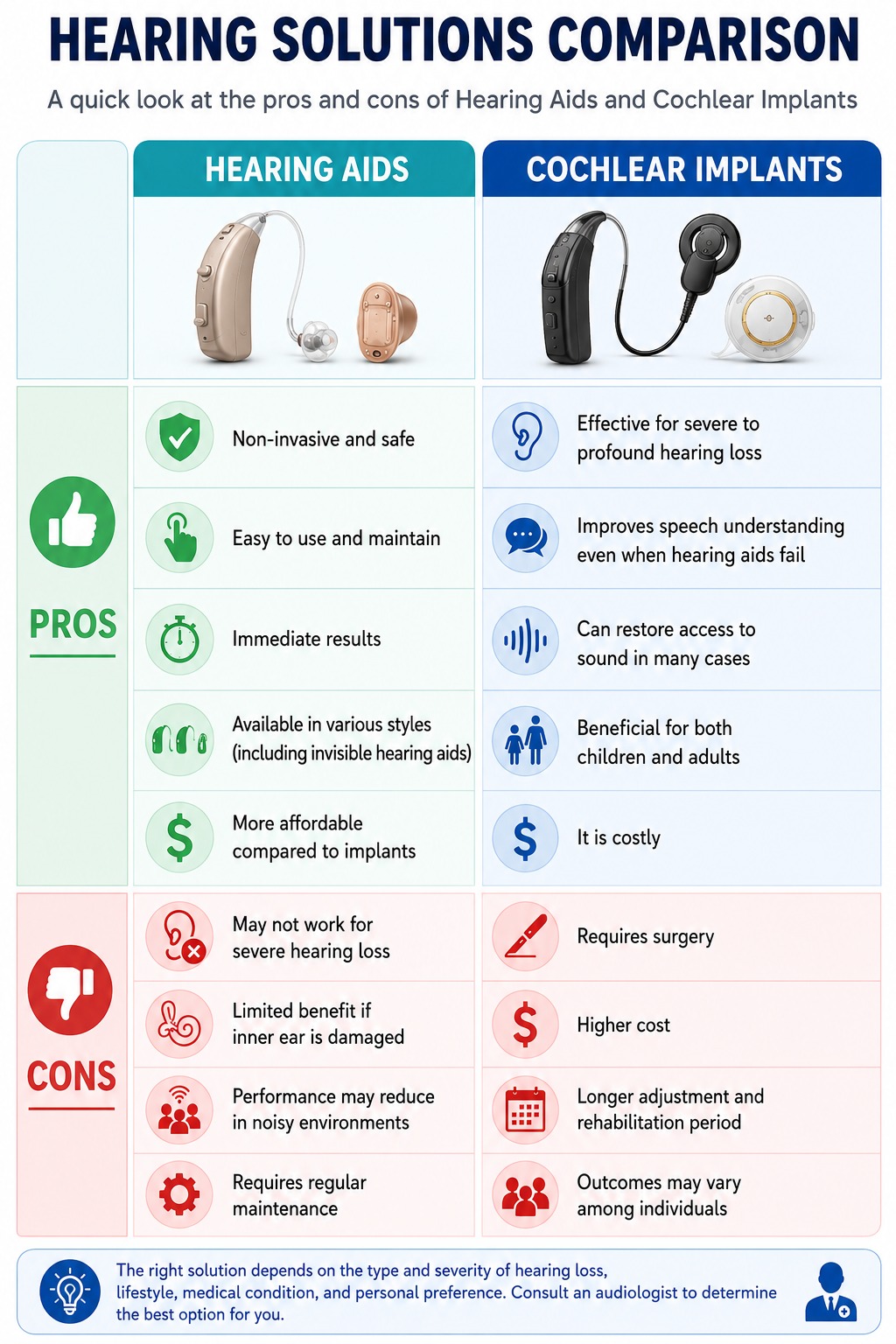
While presbycusis can’t be cured, modern tools can dramatically improve hearing and quality of life.
Hearing Aids as the Primary Solution
Hearing aids are the most effective treatment. They amplify sounds based on your specific hearing profile and improve speech clarity in both quiet and noisy environments. They don’t restore lost hearing but enhance what remains. Daily use is essential for success.
Over-the-Counter Hearing Aids
For mild to moderate loss, OTC hearing aids offer an affordable, accessible option without a prescription. They self-fit easily and meet safety standards, though an audiologist can provide better customization for complex cases.
Assistive Listening Devices
These tools help in specific situations:
- FM systems transmit sound directly from speakers to your ears
- Captioned phones display real-time text during calls
- TV streamers send audio straight to hearing aids or headphones
- Personal amplifiers boost sound in one-on-one talks
Cochlear Implants for Severe Loss
When hearing aids aren’t enough, cochlear implants may help. These surgically implanted devices bypass damaged hair cells and directly stimulate the auditory nerve, restoring functional hearing for those with severe to profound loss.
Daily Habits for Living Well With Hearing Loss
Treatment works best when paired with smart communication strategies.
Speak Up About Your Needs
Tell family and friends how they can help. Ask them to face you when talking, speak clearly without shouting, and be patient in noisy settings. Most people want to assist; they just need guidance.
Optimize Your Environment
Reduce background noise during meals, use curtains and rugs to soften echo, and sit close to speakers in meetings or theaters. Captioning on TVs and video calls makes a noticeable difference.
Protect the Hearing You Have
Even with existing loss, guard your remaining hearing. Wear earplugs or noise-canceling headphones at concerts, while using power tools, or at sporting events. Loud exposure worsens presbycusis and reduces hearing aid effectiveness.
Use Smartphone Apps and Bluetooth
Modern apps can transcribe conversations in real time, amplify phone calls, or help locate misplaced hearing aids. Pairing aids with Bluetooth devices simplifies calls and media.
Ongoing Care and Long-Term Monitoring
Presbycusis is progressive, so regular follow-up keeps treatment effective.
Annual Audiologist Checkups
Plan to see an audiologist once a year for updated hearing tests, device adjustments, and earwax removal. These visits ensure your hearing aids continue to perform well.
Adjusting Devices for Comfort
If hearing aids cause pain, itching, or whistling, don’t give up. An audiologist can reshape the earpiece, modify settings, or recommend a different model to improve comfort.
What to Expect Over Time
Presbycusis is progressive and irreversible, but manageable with the right approach.
Gradual Worsening Is Normal
Most people experience slow decline over years. The pace depends on genetics, overall health, and noise exposure history.
Hearing Aids May Protect the Brain
Daily hearing aid use may help maintain cognitive function. By keeping the brain engaged with sound, neural pathways stay active, potentially lowering dementia risk.
Quality of Life Improves With Treatment
With proper care, most people reconnect with loved ones, enjoy social events again, and feel less anxious or fatigued. It’s never too late to seek help.
Frequently Asked Questions About Why Elderly Lose Hearing
What is the most common cause of hearing loss in older adults?
The most common cause is presbycusis, a gradual, age-related sensorineural hearing loss caused by damage to the inner ear’s hair cells and auditory nerve. It typically begins after age 60 and progresses slowly over time.
Can hearing loss in elderly people be reversed?
No. Presbycusis is irreversible because damaged hair cells in the cochlea do not regenerate. However, hearing aids, assistive devices, and cochlear implants can significantly improve hearing and communication.
What are the first signs of age-related hearing loss?
Early signs include turning up the TV volume, frequently asking people to repeat themselves, misunderstanding words, difficulty hearing in noisy places, and feeling mentally fatigued after conversations.
Does hearing loss lead to dementia?
Research shows untreated hearing loss is linked to accelerated cognitive decline and a higher risk of dementia. The brain works harder to decode sound, which may divert resources from memory and reasoning. Early treatment with hearing aids may help lower this risk.
How is presbycusis diagnosed?
Doctors diagnose presbycusis through a physical ear exam and a pure tone audiometry test performed by an audiologist. The test identifies which frequencies you struggle to hear and how severe the loss is.
When should an elderly person see a doctor about hearing loss?
Schedule an appointment when hearing problems start affecting daily life, such as struggling on phone calls, needing subtitles on TV, or withdrawing from social gatherings. Early intervention helps prevent isolation and cognitive decline.
Key Takeaways for Understanding Age-Related Hearing Loss
Presbycusis affects most older adults, but recognizing it early changes everything. Inner ear damage, nerve decline, and chronic health conditions work together over decades to gradually reduce hearing. You can take steps now to protect your remaining hearing, identify warning signs, and explore treatments that restore connection and confidence. Don’t wait until conversations become frustrating. Talk to a healthcare provider or audiologist today and take control of your hearing health.





