Is your loved one struggling to get in and out of bed? Do nighttime trips to the bathroom feel risky? Setting up a bedroom for elderly individuals is about more than comfort. It is about safety, independence, and peace of mind. With falls being a leading cause of injury among seniors, the bedroom, where they spend hours unattended, must be optimized for security and ease. The good news? Small, thoughtful changes can make a big difference. From non-slip flooring to smart lighting and supportive beds, this guide walks you through every essential step to create a senior-friendly bedroom. You will learn how to prevent falls, improve mobility, and personalize the space so it feels like home, safe, warm, and uniquely theirs.
We will cover floor safety, lighting strategies, bed height and mattress selection, grab bars, transfer poles, clutter-free pathways, and emotional touches like family photos and calming colors. Whether you are adapting a room for a parent, grandparent, or aging spouse, this actionable guide gives you the tools to build a space that supports dignity, reduces risk, and enhances daily living.
Install Non-Slip Flooring
Use Anti-Slip Mats and Rugs
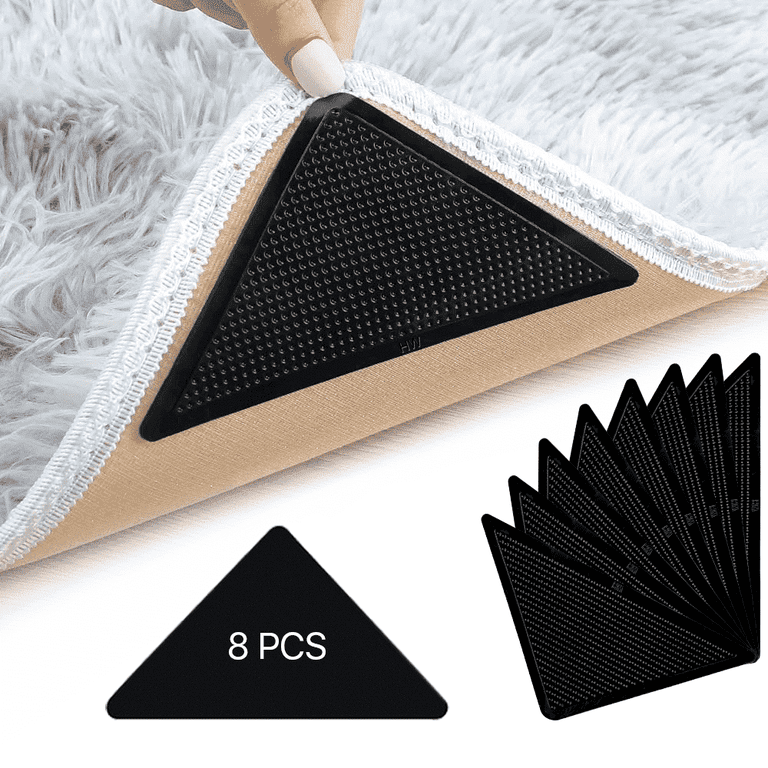
Start with the floor, your first line of defense against falls. Replace slippery surfaces with non-slip flooring or add textured anti-slip mats in high-traffic areas. Place non-slip rugs beside the bed, especially on hardwood or tile, to give stable footing when getting up at night. Avoid loose or fringed rugs that can curl or slide. If you keep rugs, ensure they have rubberized backing or use double-sided tape to secure them firmly.
Keep Floor Clutter-Free
Clear the walking path completely. Remove cords, small furniture, decorative items, or anything that could trip someone in the dark. A clean floor means safer movement, especially for those using walkers or canes. Store shoes, bags, and laundry in closed cabinets. Think of the floor as a safety zone. Only essential, stable furniture should remain.
Add Grab Bars and Transfer Poles
Install Bedside Grab Bars
Grab bars near the bed provide crucial support when sitting up or standing. Mount them on walls or sturdy furniture within easy reach. Choose medical-grade bars that can support full body weight. Position one on the side of the bed where the person typically gets up. Make sure they are installed into wall studs or with heavy-duty anchors, since flimsy mounting defeats the purpose.
Use a Transfer Pole for Stability
A transfer pole is a game-changer for mobility. It helps users pull themselves up from bed, stabilize while dressing, or pivot safely with caregiver help. These poles are not medical devices and can be bought online. Measure ceiling-to-floor height before purchasing. Installation is critical. Have a strong or experienced person secure it so it will not wobble under pressure. Test it before use. This simple addition boosts confidence and reduces fall risk significantly.
Optimize Bed Height and Mattress

Choose the Right Bed Height
Set bed height between 20 and 24 inches from the floor, about hip level when standing. This makes sitting and standing easier. For those with limited mobility, a lower bed, 18 inches or less, reduces the fall distance. Test the height. When seated on the edge, feet should rest flat on the floor. If needed, use bed risers or a low-profile frame to adjust.
Pick a Firm or Memory Foam Mattress
Avoid soft, sagging mattresses that make it hard to move. Choose a firm mattress for solid support or a memory foam option for pressure relief on joints and back. Both help with easier transfers. Test the mattress if possible. Ensure it supports the spine and allows the person to push up comfortably. Replace old, lumpy mattresses that hinder mobility.
Maximize Lighting for Night Safety

Use Motion-Sensor Nightlights
Install motion-sensor nightlights along the path from bed to bathroom. These turn on automatically when someone gets up, eliminating fumbling for switches. Place them low to the ground, around ankle height, so they are visible even in partial darkness. Use warm-toned bulbs to avoid harsh glare and reduce nighttime disorientation.
Add Touch Lamps and Layered Lighting
Replace standard switches with touch lamps beside the bed. A simple tap turns them on, which is ideal for arthritic hands. Combine overhead lights, adjustable bedside lamps, and ambient string lights for layered illumination. During the day, use sheer curtains to let in natural light. At night, soft lighting keeps the room inviting without disrupting sleep.
Clear Pathways and Reduce Hazards
Ensure Wide, Unobstructed Walkways
Leave at least 36 inches of clearance around the bed and along main paths. This allows room for walkers, rollators, or caregivers to move freely. Arrange furniture so there is a straight, simple route to the door and bathroom. Avoid placing nightstands or chairs where they block movement.
Use Rounded-Edge Furniture
Sharp furniture corners can cause serious injuries during a fall. Choose nightstands, dressers, and chairs with rounded edges. If existing furniture has sharp corners, install soft bumpers. Place furniture securely so it will not tip if leaned on. Anchor tall units to the wall for added safety.
Personalize for Comfort and Calm
Choose Calming Colors and Matte Walls
Paint walls in soft, calming colors like blush pink, warm beige, or sage green. These tones reduce anxiety and promote relaxation. Use matte finish paint to minimize glare from lights or windows. Avoid bright or bold colors that can feel overwhelming. A serene palette helps create a peaceful retreat.
Add Familiar Decor and Photos
Personal touches matter. Hang framed family photos, display favorite books, or include a handmade quilt. Add a shadow box with handwritten notes from loved ones. These items boost emotional well-being and make the room feel like their space. Involve the elderly person in choosing decor. This fosters dignity and connection.
Integrate Smart Technology
Use Voice-Activated Assistants
Install a voice-controlled device to let users turn lights on or off, set reminders for medication, play music, or call for help hands-free. Program emergency contacts for quick access. Voice tech supports independence, especially for those with limited mobility or vision.
Set Up Fall Detection and Monitoring
Use wearable fall detectors like medical alert pendants or room-based sensors that detect sudden impacts or prolonged inactivity. These send alerts to caregivers or emergency services. Pair with a secure remote monitoring system so family can check in via app. Privacy is key. Discuss use openly and respect boundaries.
Create a Cozy Reading Nook
Include Comfortable Seating
Add a soft armchair or recliner near a window or light source. Pair it with a throw blanket and small side table for books or tea. This creates a relaxing spot for reading, visiting, or resting. Choose a chair with firm support and arms to help with sitting and standing.
Add Greenery and Aromatherapy
Bring in low-maintenance plants like peace lilies, pothos, or a small succulent garden. They purify air and add calm. Use an essential oil diffuser with lavender or chamomile to promote relaxation. Avoid strong scents that could trigger allergies. A little nature goes a long way in boosting mood.
Build Custom Storage Solutions
Install Low, Accessible Shelves
Place essential items like glasses, medication, water, and phone within arm’s reach of the bed. Use low drawers or open shelves at sitting height. Avoid high cabinets or under-bed storage that require bending or stretching. Label drawers clearly for easy identification.
Repurpose Furniture Creatively
Upcycle a dresser into a vanity or add hidden storage under a bench. Use reclaimed wood to build floating shelves or a vintage-style side table. These DIY touches add character and function. Involve family in the project. It becomes a shared memory and strengthens emotional bonds.
Frequently Asked Questions About Setting Up a Bedroom for Elderly
What is the safest bed height for an elderly person?
The safest bed height is typically 20 to 24 inches from the floor, which sits at about hip level when standing. This height makes sitting down and standing up easier. For those with severe mobility issues, a lower bed of 18 inches or less reduces the fall distance if a slip occurs.
Do transfer poles need professional installation?
Yes. Transfer poles must be installed by someone experienced or strong enough to ensure the pole is securely anchored. The pole must support full body weight under pressure, so proper installation is critical. Measure ceiling-to-floor height beforehand to ensure a correct fit.
What type of mattress is best for elderly sleepers?
A firm mattress or a memory foam mattress works best. Firm mattresses provide solid support and make it easier to sit up and stand. Memory foam offers pressure relief for joints and the back. Avoid soft or sagging mattresses, as they make transfers more difficult and increase strain.
Where should nightlights be installed for elderly safety?
Place motion-sensor nightlights low to the ground, around ankle height, along the path from bed to bathroom. Use warm-toned bulbs to reduce glare and nighttime disorientation. A touch lamp beside the bed is also recommended for easy operation without fumbling for switches.
How can I make a senior bedroom feel more personal?
Add familiar items like framed family photos, favorite books, a handmade quilt, or handwritten notes in a shadow box. Use calming colors such as blush pink, warm beige, or sage green with matte finish paint. Involve the elderly person in choosing decor to support dignity and connection.
Are voice assistants helpful for elderly individuals?
Yes. Voice-activated assistants allow hands-free control of lights, temperature, medication reminders, music, and emergency calls. They are especially helpful for those with limited mobility, arthritis, or vision challenges. Program emergency contacts for quick access during urgent moments.
Key Takeaways for Designing a Senior-Friendly Bedroom
Setting up a bedroom for elderly individuals is about creating a space that protects, empowers, and comforts. Focus first on safety essentials like non-slip flooring, grab bars, a securely installed transfer pole, and rounded-edge furniture. Then optimize the bed with proper height and a firm or memory foam mattress to support easy movement. Layer in smart lighting with motion-sensor nightlights, touch lamps, and warm-toned bulbs to prevent nighttime falls.
Finally, add personal touches. Choose calming colors, display meaningful photos, and involve your loved one in every decision. Their input ensures the room feels like home, not a hospital. Start this weekend by clearing the floor, adding a nightlight, and testing bed height. Each small change builds a sanctuary of safety, warmth, and love.