Choking kills thousands of older adults every year, often in silence and within minutes. In the United States, choking and suffocation rank as the fourth leading cause of home injury death, and seniors face the greatest danger. Natural aging weakens swallowing muscles, dental problems reduce chewing ability, and certain medications dry out the mouth. When these factors combine with eating too quickly or living alone, a routine meal can turn deadly.
The encouraging truth is that most choking incidents are preventable. By modifying eating habits, adjusting food textures, managing dental health, and learning emergency response, you can dramatically reduce risk. This guide walks you through practical, evidence-based steps to protect elderly loved ones, whether you are a caregiver, family member, or senior managing your own health.
Identify High-Risk Factors
Prevention begins with understanding why elderly adults face elevated choking risk. These factors often overlap, quietly increasing danger over time.
Age-Related Swallowing Changes
Aging naturally weakens the muscles involved in swallowing. This condition, called presbyphagia, slows the swallowing reflex and reduces coordination. Food may not move efficiently from mouth to esophagus, allowing particles to enter the airway. Many seniors do not notice this decline until a choking incident occurs.
Dental and Denture Problems
Missing teeth or ill-fitting dentures impair chewing and reduce oral sensation. Food that is not properly broken down before swallowing becomes a serious hazard, especially when hard or fibrous. Regular dental visits and proper denture maintenance are essential for safe chewing.
Medication Side Effects
Many common medications cause dry mouth, also known as xerostomia. Antihypertensives, antidepressants, and antihistamines reduce saliva production, making it harder to form a safe food bolus. If a senior takes multiple medications, consult a doctor about alternatives or strategies to manage dryness.
Living Alone Increases Danger
Seniors who eat alone do not choke more often, but help may not arrive in time. Without someone to call 9-1-1 or perform the Heimlich maneuver, a minor blockage can become fatal within minutes. Check-in systems and emergency alert devices offer critical protection for independent seniors.
Modify Eating Behaviors

Simple changes in how and when food is eaten prevent most choking incidents. These adjustments are easy to implement and highly effective.
Eat Slowly and Take Small Bites
Rushing through meals is a leading cause of choking. Encourage small portions and thorough chewing before swallowing. Placing utensils down between bites naturally slows the pace.
Avoid Talking or Laughing While Eating
Conversation, television, or laughter can cause food to be swallowed prematurely. Focus entirely on eating during meals. A calm, quiet environment is especially important for those with known swallowing difficulties.
Skip Alcohol During Meals
Alcohol impairs coordination and dulls protective airway reflexes. Even small amounts reduce the ability to detect and respond to food in the airway. Avoid alcohol before or during meals, particularly for seniors on sedating medications.
Sit Upright During and After Eating
Always eat in an upright 90-degree position. Slouching or reclining increases the chance food enters the airway. Remain seated for at least 30 minutes after eating to support safe digestion.
Adjust Food Texture and Diet

For many seniors, food texture is as important as nutrition. Improper textures are a leading cause of choking, especially for those on modified diets.
Follow Prescribed Texture-Modified Diets
Seniors with dysphagia are often prescribed mechanical soft, minced, or pureed diets. These are medical requirements, not suggestions. Deviating increases choking risk significantly. Work with a speech-language pathologist or dietitian to ensure meals meet safety standards.
Prepare Safe, Senior-Friendly Foods
Modify meals to be soft, moist, and easy to chew:
– Steam or stew vegetables until tender
– Add gravies, sauces, or broths to moisten dry foods
– Choose ground, shredded, or finely chopped proteins
– Avoid frying, which creates hard, uneven textures
Avoid High-Risk Foods
Certain foods pose serious danger for older adults:
– Hard candies, nuts, popcorn, raw carrots, and apples
– Crumbly foods like crackers or dry bread
– Fibrous meats like steak or pork chops
– Gelatinous foods like gum or marshmallows
– Peanut butter consumed in large globs
Optimize Dental and Oral Care
Good oral health supports safe swallowing. Neglecting dental care directly increases choking risk.
Ensure Proper Denture Fit
Ill-fitting dentures reduce chewing efficiency and oral awareness. Seniors should have dentures checked and adjusted regularly. If dentures slip, cause pain, or make chewing difficult, see a dentist promptly.
Manage Dry Mouth
Combat dry mouth with these strategies:
– Drink water frequently throughout the day
– Use saliva substitutes or oral moisturizers
– Chew sugar-free gum if safe to do so
– Avoid caffeine and alcohol, which worsen dryness
Create a Safe Eating Environment
The setting in which a senior eats can be just as important as the food itself.
Supervise High-Risk Individuals
Seniors with a history of choking, dementia, or dysphagia should eat with supervision. A caregiver can monitor for coughing, pocketing food, or fatigue during meals and intervene when needed.
Use Emergency Alert Systems
For those living alone, wearable emergency buttons or voice-activated assistants can summon help instantly. Program devices to call 9-1-1 or alert a family member with a simple voice command.
Keep Phones Accessible
Ensure a charged phone is within reach during meals. For seniors with mobility issues, place it on the table or use a hands-free device.
Recognize Choking Immediately
Quick recognition saves lives. Know the signs so you can act before it is too late.
Watch for Silent Choking Signs
Not all choking involves coughing. Complete airway blockage may cause silence. Look for:
– Inability to speak or make noise
– Clutching the throat
– Panicked facial expression
– Blue tint to lips, face, or nail beds
Respond to Partial vs. Complete Blockage
Encourage continued coughing if the person can speak or make sound. Act immediately if they are silent and cannot breathe, as this signals complete obstruction requiring emergency intervention.
Act Fast in Choking Emergencies
Every second counts. Knowing what to do can mean the difference between life and death.
Call 9-1-1 Immediately
Do not wait. Even if the person seems to be recovering, call emergency services the moment choking is suspected. Seconds matter, and paramedics can begin treatment en route.
Perform Abdominal Thrusts
For a conscious adult who cannot breathe:
1. Stand behind the person and wrap your arms around their waist
2. Make a fist with one hand, placing the thumb side just above the navel and below the ribcage
3. Grasp your fist with the other hand and deliver quick, upward thrusts
4. Repeat until the object is expelled or the person becomes unconscious
Use chest thrusts instead for pregnant or obese individuals.
Handle Unconscious Choking
If the person passes out, lower them gently to the floor and begin CPR. Perform 30 chest compressions followed by 2 rescue breaths. Before each breath, look in the mouth and remove any visible object. Continue until help arrives.
Practice Self-Rescue When Alone
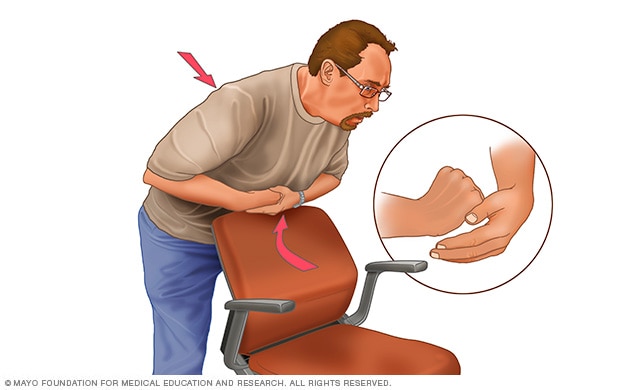
Seniors living independently must know how to save themselves.
Dial 9-1-1 and Leave the Phone Open
If you are choking and alone, call 9-1-1 immediately. Leave the phone off the hook so dispatchers can hear and send help, even if you cannot speak.
Use a Chair or Railing for Self-Thrusts
Place your upper abdomen against the edge of a chair back or railing. Bend forward to create sharp, inward pressure. Repeat until the blockage clears.
Seek Medical Care After Any Choking Event
Even if breathing returns, medical evaluation is mandatory. Airway trauma may not show symptoms immediately but can become life-threatening within hours. A doctor can assess for underlying dysphagia, recommend a swallowing evaluation, adjust medications, and refer you to a specialist. Never ignore a near-miss episode.
Frequently Asked Questions About Choking Prevention in Elderly
What are the main causes of choking in elderly adults?
The most common causes include eating too fast, taking large bites, talking or laughing while eating, drinking alcohol before or during meals, wearing ill-fitting dentures, and consuming foods with the wrong texture for prescribed special diets.
Why do elderly people choke more often than younger adults?
Aging weakens swallowing muscles, reduces saliva production, and often involves dental problems or medications that impair chewing. These physiological changes, combined with behavioral factors, significantly increase choking risk in seniors.
What should I do first if an elderly person is choking?
Call 9-1-1 immediately, even if you plan to perform the Heimlich maneuver. If the person cannot breathe, speak, or cough, begin abdominal thrusts right away while waiting for emergency services.
Can I drive a choking person to the hospital myself?
No. Do not attempt to transport a choking person unless a 9-1-1 operator explicitly instructs you to do so. Emergency personnel can provide care en route and are better equipped to manage the situation.
Is medical attention necessary after a choking episode is resolved?
Yes. Even if the blockage clears and breathing returns, seek immediate medical attention. Choking can cause airway trauma, bruising, swelling, or aspiration that may not show symptoms right away but can become life-threatening.
How can seniors living alone protect themselves from choking?
Seniors should keep a charged phone within reach during meals, consider emergency alert devices, and learn self-rescue techniques such as thrusting the abdomen against a chair back or railing while waiting for emergency help.
Key Takeaways for Preventing Choking in Elderly Adults
Preventing choking in elderly adults requires awareness, preparation, and consistent action. Start by identifying personal risk factors such as dental problems, medications, or swallowing difficulties. Modify eating behaviors by slowing down, taking small bites, and eliminating distractions. Adjust food textures to match prescribed dietary needs and avoid high-risk foods like hard candies, nuts, and fibrous meats. Finally, learn emergency response techniques and always seek medical evaluation after any choking incident, even if the person appears to recover. Safety is about living with confidence and dignity, not just survival.
Pro Tip: Schedule a family review of these safety steps today. Walk through the Heimlich maneuver, check denture fit, and confirm that phones and emergency devices are working. Five minutes of preparation can prevent a lifetime of regret.