

As we age, maintaining strength is not just about looking fit. It is about staying independent, mobile, and confident in everyday life. For older adults, how to build muscle safely and effectively becomes a critical question worth answering. The good news? Muscle growth is absolutely possible after 60, 70, or even 80 with the right approach.
This guide delivers a science-backed, practical plan tailored specifically for seniors who want to gain strength, improve balance, and enhance quality of life. You will learn how to train with proper form, avoid injury, and make consistent progress starting today.
Start With Medical Clearance Before Strength Training
Confirm It Is Safe to Begin Lifting Weights
Before picking up a single dumbbell, consult your doctor, especially if you have chronic conditions like heart disease, osteoporosis, arthritis, or balance issues. Strength training is safe for most seniors, but getting medical clearance ensures you avoid risks and train with confidence. Share your plan with your healthcare provider, including the types of movements and equipment you intend to use.
Identify Physical Limitations Early
If you have had joint replacements, back surgery, or mobility challenges, discuss modifications with your physician or a physical therapist. Some movements may need adjustment, but that does not mean you cannot build muscle. Knowing your limits upfront allows you to train smarter, not harder.
Warm Up Properly Every Workout Session
Activate Muscles Before Picking Up Dumbbells
Skipping warm-ups increases injury risk, especially as we age. A 5–7 minute dynamic warm-up prepares your body by increasing blood flow, loosening joints, and priming muscles for action. Do this before every session to move safely and perform better.
Essential Warm-Up Movements for Seniors
Neck Mobility Routine
Gently tuck your chin to your chest, then slowly bring one ear toward the shoulder. Hold for 3–5 seconds, then switch sides. Repeat for one minute total. This warms up neck and upper back muscles often stiff from sitting.
Arm Circles for Shoulder Activation
Extend arms out to the sides. Make large forward circles for 30 seconds, then reverse for 30 seconds backward. This boosts circulation in shoulders and reduces strain during pressing exercises.
Bodyweight Squat With Overhead Raise
Stand with feet hip-width apart. Lower into a shallow squat while raising arms overhead. Return arms down as you stand. Perform 10–12 reps. This engages legs, core, and shoulders.
Hip Circles for Joint Lubrication
Stand with hands on hips. Make large circles with your hips for 5 clockwise rotations, then 5 counterclockwise. Use a chair for balance if needed. This mobilizes the hips and improves squat mechanics.
Master Proper Form Before Adding Weight
Prioritize Control Over Heavy Loads
When learning how to build muscle for elderly individuals, form beats weight every time. Lifting too heavy with poor technique leads to injury. Instead, focus on slow, controlled movements, especially during the lowering phase.
Breathe Correctly During Every Repetition
Always exhale during exertion (such as pressing up), and inhale during return (such as lowering the weight). Never hold your breath, as it can spike blood pressure. Proper breathing stabilizes your core and powers each rep.
Use a Chair for Balance Support
A sturdy chair is a smart safety tool. Use it for balance during standing exercises like lunges or rows. It allows you to focus on muscle engagement without fear of falling.
Perform Key Strength Exercises for Major Muscle Groups
Target Legs, Back, Chest, Shoulders, Arms, and Core
A well-rounded routine hits every major muscle group. Below are the most effective exercises for older adults using light to moderate dumbbells. Perform 3 sets of 50 seconds per exercise.
Overhead Press for Shoulder Strength
Hold dumbbells at shoulder height, palms forward. Press upward until arms are fully extended without locking elbows. Lower slowly. This strengthens shoulders and improves overhead reach.
Lateral Raise With Rotation for Shoulder Stability
Start with arms at your sides. Raise them out to the sides, then rotate elbows up and press slightly overhead. Lower with control. This builds shoulder endurance and prevents falls.
Romanian Deadlift for Hamstring and Lower Back Strength
Stand with feet hip-width apart. Hold dumbbells in front of thighs. Push hips back, keeping your back straight, and slide weights down your legs. Return by squeezing your glutes. This enhances balance and protects your lower back.
Alternating Row for Upper Back Posture
Bend slightly at the hips with a flat back. Pull one dumbbell toward your ribcage, keeping the elbow close to your body. Lower and alternate sides. Rows combat slouching and support spinal alignment.
Squat to Press for Full-Body Functional Power
Hold a dumbbell at shoulder level. Lower into a squat, then press the weight overhead as you stand. This mimics real-life movements like lifting a suitcase or rising from the floor.
Standing Reach for Core Stability and Balance
Hold a chair with one hand. Extend the opposite arm forward and the same-side leg back. Hold briefly, return, and alternate sides. This trains balance and core control, both essential for fall prevention.
Walking Lunge With Dumbbell for Legs and Core
Hold a dumbbell in one hand with your arm raised overhead. March forward, lifting knees high. Keep your shoulder away from your ear and alternate sides. This builds coordination and lower-body strength.
Apply Progressive Overload Gradually and Safely
Increase Challenge Week by Week
Progressive overload, which means doing a little more over time, is the engine of muscle growth. For seniors, it must be gradual to prevent injury.
Increase Dumbbell Weight Slowly
Once an exercise feels easy and you can complete all reps with perfect form, increase weight by 1–2 pounds. Even small jumps make a difference. Avoid rushing, since form always comes first.
Add Reps or Sets When Ready
If heavier weights are not suitable yet, add 1–2 reps per set or complete an extra round of the circuit. Track your progress weekly to stay motivated.
Reduce Rest Time Between Exercises
Shorten rest periods from 60 to 45 seconds. This increases workout intensity without adding weight, which is great for building muscular endurance.
Cool Down and Stretch After Every Session
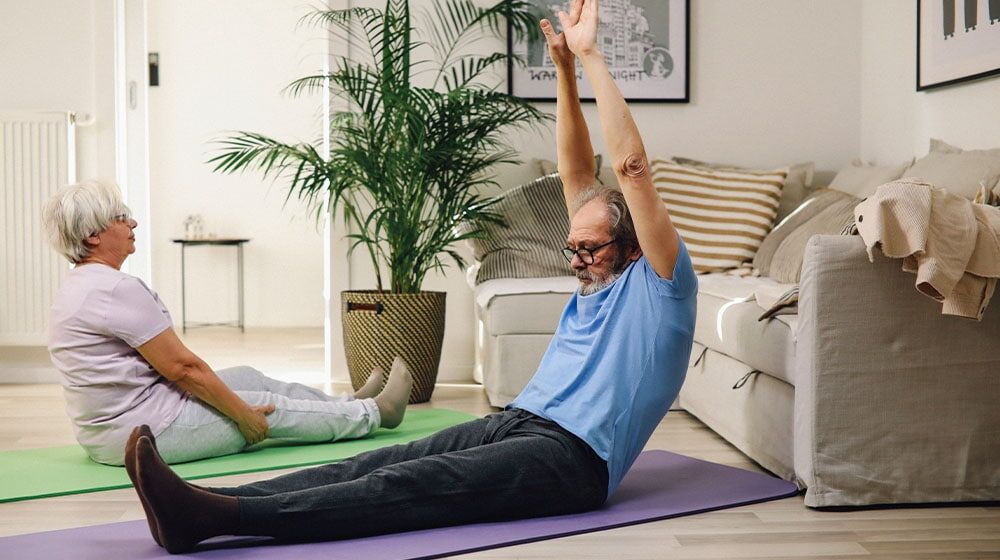
Promote Muscle Recovery and Flexibility
Never skip the cool-down. A 5–7 minute stretching routine helps muscles recover, reduces soreness, and improves long-term flexibility.
Chest and Shoulder Opening Stretch
Interlace hands behind your back. Straighten arms and lift them slightly while opening your chest. Hold for 20–30 seconds. This counteracts slouching and improves posture.
Hamstring Stretch Using Chair Support
Place one heel on the floor with the leg extended. Gently press down on the knee with both hands while keeping your back straight. Switch legs after 20–30 seconds.
Side Neck and Shoulder Stretch
Bring one arm over your head and gently pull your head to the opposite side. Hold for 15–20 seconds, then repeat on the other side. This relieves tension from daily sitting.
Train 2–3 Times Per Week for Optimal Results
Allow Adequate Time for Muscle Recovery
Muscles grow during rest, not during workouts. Aim for 2–3 strength sessions per week with at least one rest day between sessions. This gives your body time to repair and strengthen.
Expect a Realistic Timeline of Strength Gains
You will notice improved balance and energy within 2–4 weeks. By 1–3 months, daily tasks like climbing stairs or carrying bags will feel easier. After 3+ months, expect visible muscle tone, better posture, and greater independence.
Choose the Right Equipment for Senior Strength Training

Use Light to Moderate Dumbbells to Start
Start with 3–8 pound dumbbells, or even less if needed. The right weight challenges you by the last few reps but allows perfect form throughout. Adjustable dumbbells are ideal for gradual progression.
Keep a Sturdy Chair Nearby for Safety
Use a non-wheeled, armless chair for support during standing exercises. It is essential for balance, especially when starting out.
Try Resistance Bands as a Joint-Friendly Alternative
If dumbbells feel awkward, light resistance bands provide smooth tension and are easy on joints. Anchor them under feet or around a door for versatile resistance training.
Avoid Common Mistakes When Building Muscle After 60
Do Not Ignore Pain Signals During Exercise
Discomfort from muscle effort is normal. Sharp or joint pain is not. Stop immediately if you feel pain. Pushing through can lead to injury. Modify or skip any exercise that causes discomfort.
Do Not Skip Warm-Up or Cool-Down Routines
These are not optional extras. They are essential for injury prevention and recovery. Skipping them increases stiffness and soreness, making it harder to stay consistent.
Do Not Rush Through Repetitions
Fast, jerky movements use momentum instead of muscle. This reduces effectiveness and raises injury risk. Move slowly and with control, especially when lowering weights.
Do Not Hold Your Breath While Lifting
Holding your breath spikes blood pressure and can cause dizziness. Maintain a steady breathing rhythm throughout every set.
Integrate Strength Training Into Daily Life
Use Functional Fitness in Everyday Activities
Strength training should enhance real-life movement. Use your new strength to:
- Carry groceries more easily
- Rise from chairs without pushing off
- Walk with better balance
- Play actively with grandchildren
Practice Balance Exercises Every Day
Stand on one leg while brushing your teeth. This builds stability and reinforces neuromuscular control, which is critical for fall prevention.
Use Household Items as Weights When Needed
No dumbbells? Use water bottles, canned goods, or a filled backpack. The goal is resistance, not equipment perfection.
Track Progress and Stay Motivated Long-Term
Focus on Functional Strength Gains
Celebrate improvements like:
- Walking farther without fatigue
- Carrying laundry baskets without strain
- Getting up from the floor more easily
These are real signs of strength, not just how much you can lift.
Keep a Simple Workout Log
Write down your exercises, weights, and how they felt each week. Seeing progress, even small, boosts motivation and commitment.
Remember Your Bigger Purpose
Building muscle is not about vanity. It is about independence, confidence, and quality of life. Every rep is an investment in your ability to live fully.
Frequently Asked Questions About Building Muscle for Elderly
Is it really possible to build muscle after 70?
Yes, muscle growth is absolutely possible at any age. Older adults respond well to strength training when they use proper form, apply progressive overload, and stay consistent with 2–3 sessions per week. Many seniors see noticeable improvements in strength within 4–8 weeks.
What is the best weight for elderly beginners to start with?
Start with 3–8 pound dumbbells, or even lighter if needed. The right weight should challenge you by the last few reps but allow you to maintain perfect form throughout. Adjustable dumbbells work best because they let you progress gradually.
How often should seniors do strength training each week?
Aim for 2–3 strength sessions per week with at least one rest day between workouts. Muscles grow during recovery, so rest days are just as important as training days. Consistency over weeks and months produces the best results.
Should elderly people do cardio or strength training for muscle?
Both are valuable, but for building muscle specifically, strength training is essential. Cardio supports heart health but does not provide the resistance stimulus needed for muscle growth. A balanced program combining both types of exercise is ideal for overall health.
When should older adults avoid certain exercises?
Stop any exercise that causes sharp or joint pain. Movements like heavy overhead lifts or deep squats may need modification for people with joint replacements, osteoporosis, or balance issues. Always consult a healthcare provider before starting and consider working with a physical therapist for personalized guidance.
How long does it take for elderly people to see muscle-building results?
Most seniors notice improved energy and balance within 2–4 weeks. Visible strength gains and easier daily activities typically appear within 1–3 months. After 3+ months of consistent training, expect significant improvements in muscle tone, posture, and independence.
Key Takeaways for Building Muscle After 60
Building muscle as an older adult comes down to three essential pillars: progressive overload, perfect form, and consistency. Unlike younger lifters focused on appearance, seniors benefit most from functional strength that makes daily life easier. Getting medical clearance, warming up properly, and using light to moderate dumbbells with controlled movements protects your joints while building real strength.
Your next step is simple: schedule your first two strength sessions this week. Start with a 5–7 minute warm-up, perform 3 sets of 50 seconds for 4–5 key exercises, and finish with a cool-down stretch. Track how you feel after two weeks and celebrate every functional improvement. With patience and consistency, you will gain strength, improve balance, and enjoy greater independence for years to come.





