

Constipation affects up to 40% of older adults, yet many seniors suffer in silence, dismissing symptoms as a normal part of aging. Defined as fewer than three bowel movements per week, it often comes with straining, hard stools, and bloating that interfere with daily comfort. Slowed digestion, reduced activity, multiple medications, and chronic dehydration all combine to make seniors especially vulnerable.
The encouraging reality is that most cases respond well to simple, consistent strategies. This guide walks you through practical ways to treat and prevent constipation in elderly individuals, covering daily habits, dietary changes, safe remedies, and signs that warrant a doctor’s visit.
Recognize Constipation Symptoms Early
Catching constipation early helps prevent complications. In seniors, symptoms can be subtle or mistakenly blamed on aging alone.
Common Signs to Watch For
- Fewer than three bowel movements per week
- Hard, lumpy stools that are painful to pass
- Straining that causes fatigue or dizziness
- Bloating and a persistent feeling of fullness
- A sensation of incomplete emptying after using the bathroom
These signs should never be ignored. Chronic constipation can occasionally point to serious conditions, including colon obstruction or, in rare cases, pancreatic cancer. If symptoms persist beyond a few days despite home care, a medical evaluation is important.
Red Flags That Require Urgent Care
Seek immediate medical attention if constipation is paired with:
- Severe abdominal pain or visible swelling
- Vomiting or inability to pass gas
- Unexplained weight loss
- Blood in the stool
- New-onset constipation in someone previously regular
These may indicate bowel obstruction or another serious condition needing urgent treatment.
Understand Why Seniors Are More Affected
Identifying the root cause is the first step toward effective relief.
Age-Related Digestive Changes
Aging naturally slows digestion. Colon contractions weaken, delaying stool movement. Many older adults are also less active due to arthritis, fatigue, or chronic illness, which reduces stimulation of the bowels and slows transit time further.
Medications as a Hidden Trigger
Polypharmacy, or taking multiple medications at once, is a major contributor. Nearly every drug class used by seniors can cause constipation, including opioid painkillers, antidepressants, blood pressure medications, diuretics, and iron supplements. In one case, an elderly woman was taking five prescription drugs, all listing constipation as a side effect. Reviewing medications with a doctor can often reveal an easy fix.
Dehydration and Low Fiber Intake
Thirst sensation fades with age, leaving many seniors chronically under-hydrated. Dehydration hardens stool and makes passage difficult. At the same time, diets heavy in soft or processed foods often lack fiber, the bulk that helps move waste through the colon. A critical rule: always pair extra fiber with extra water, or constipation can actually worsen.
Build a Preventive Daily Routine
Prevention offers the most reliable long-term relief.
Create a Consistent Bathroom Schedule
Train the body to eliminate at the same time each day. The best window is right after breakfast, when the gastrocolic reflex (a natural surge in colon activity triggered by eating) is strongest. Encourage sitting on the toilet for 5–10 minutes after meals, even without an immediate urge. Placing a small footstool under the feet helps create a squat-like position that straightens the rectum and eases elimination.
Keep Moving Each Day
Physical activity stimulates the colon. For mobile seniors, even gentle movement makes a difference:
- A 10–20 minute morning walk
- Chair exercises or light stretching
- Gardening, light housework, or other daily tasks
Always check with a doctor before starting a new exercise routine, especially for those with heart or balance concerns.
Hydrate on a Set Schedule
Because thirst fades with age, drinking by the clock works better than waiting for the sensation. A simple plan:
- Four 16 oz bottles of water daily at 8 AM, 12 PM, 4 PM, and 8 PM
- Warm water, tea, or coffee first thing in the morning to gently wake up the bowels
- Hot liquids throughout the day, which relax the digestive tract better than cold ones
Limit caffeine and alcohol, since both contribute to dehydration.
Use Diet as a Primary Treatment Tool
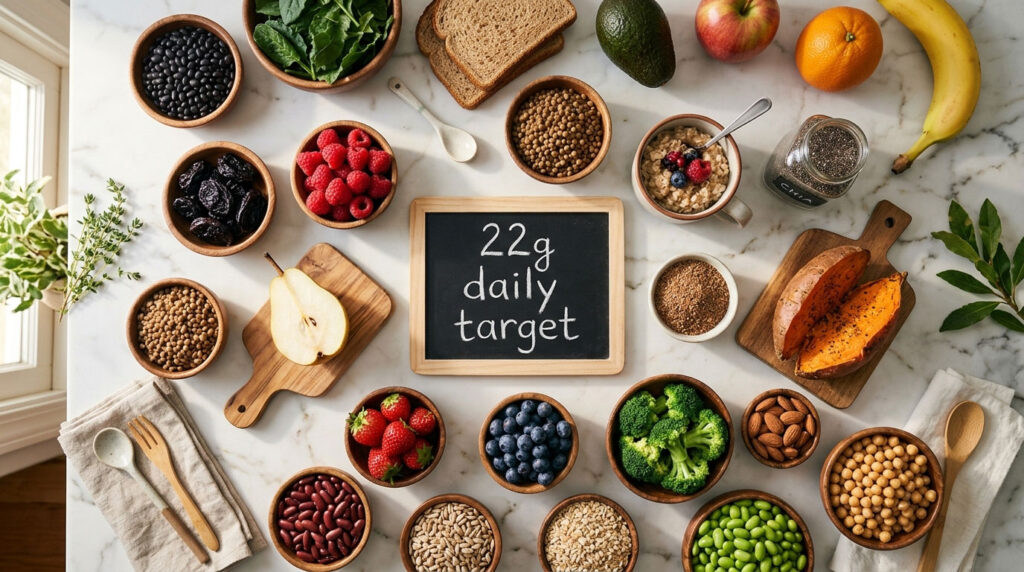
Food choices directly shape bowel regularity.
Add Fiber Gradually
Fiber adds bulk and softens stool, but introducing it too quickly causes gas and cramping.
Best high-fiber options for seniors include:
- Steel-cut oats cooked with water or oatmilk
- Whole wheat bread
- High-fiber waffles and soups
- Apples, pears, and berries
- Psyllium fiber supplements (must be taken with plenty of water)
Try Natural Laxative Foods
Some foods offer gentle, reliable relief:
- Prunes: 3–5 daily, or 4 oz of warm prune juice
- Papaya and watermelon as digestive aids
- Ground flaxseed: 1–2 tablespoons added to oatmeal or smoothies
- Date bars, fig bars, and fruit compote as fiber-rich snacks
One 88-year-old found success with a non-alcoholic iced Irish coffee made with oatmilk, a creative mix of hydration, warmth, and digestive stimulation.
Incorporate Healthy Fats and Oils
Fats lubricate the intestines and ease elimination. Options include:
- Butter on waffles or toast
- Eggs fried in olive oil
- Moderate amounts of bacon
- Fish oil supplements (after consulting a doctor)
Castor oil, taken as 1–2 tablespoons in warm water, is a traditional remedy used weekly or seasonally, but only under medical supervision due to potential side effects.
Try Gentle Natural Remedies
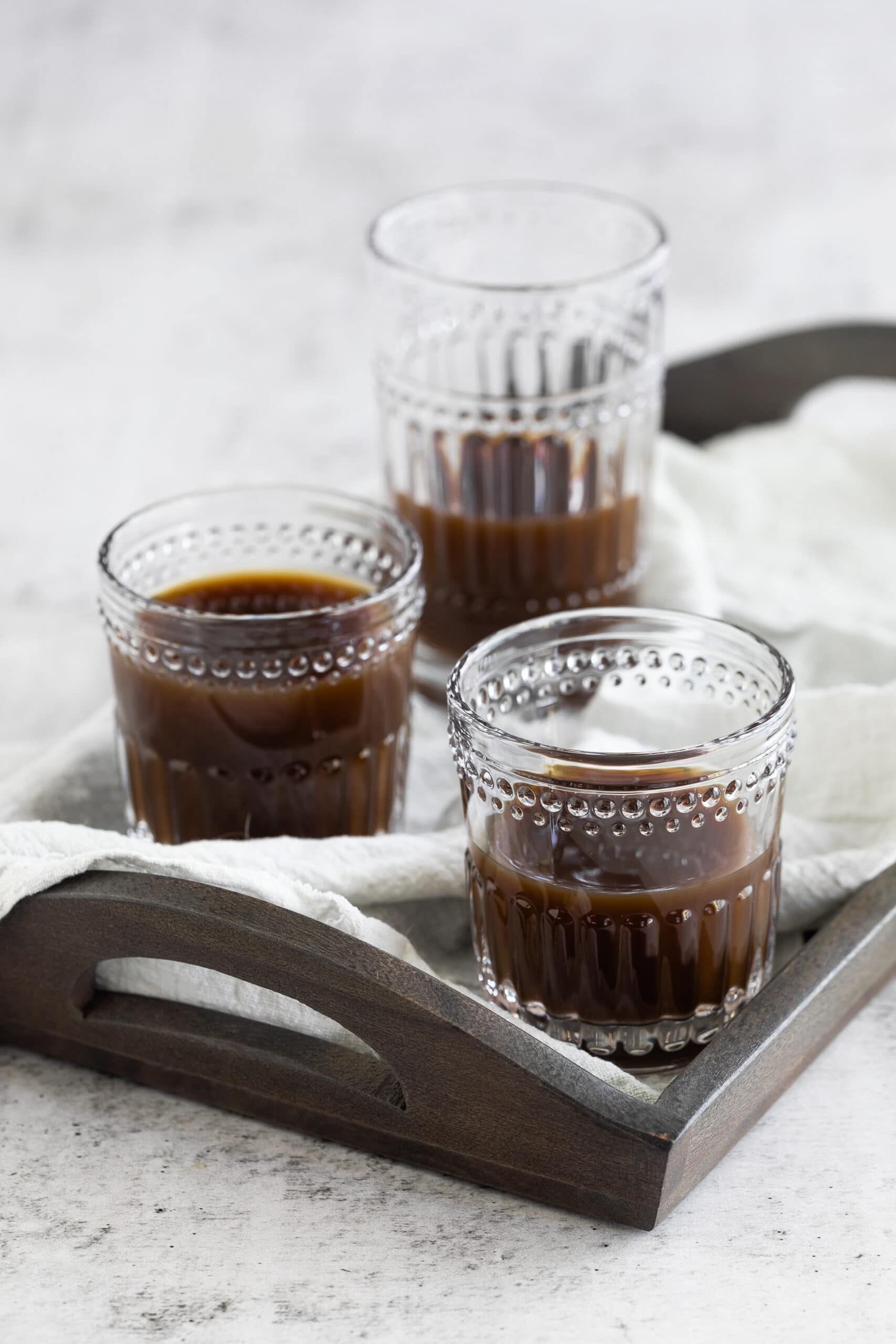
When lifestyle changes alone are not enough, natural options can offer additional support.
Warm Prune Juice Protocol
This simple, time-tested method works quickly:
- Warm 4 oz of prune juice slightly in the microwave
- Drink it first thing in the morning
- Follow with a glass of warm water
The warmth amplifies the natural laxative effect of sorbitol in prunes, often producing results within 30–60 minutes.
Apple Juice and Fruit Combinations
An 8 oz glass of apple juice with breakfast supports regularity, thanks to pectin, a soluble fiber that promotes healthy stools. Pair it with apple slices, applesauce, or low-sugar fruit compote for added benefit, especially for seniors who dislike raw vegetables or whole grains.
Probiotics and Digestive Enzymes
Gut health directly affects bowel function. One elderly woman saw dramatic improvement after adding a daily probiotic capsule and digestive enzymes with meals. These support healthy gut bacteria and improve digestion, reducing bloating and irregularity.
Magnesium Supplements
Magnesium supports muscle relaxation in the digestive tract:
- 400 mg taken at dinner or in the evening
- For severe constipation, magnesium citrate works best
- If stools become loose, switch to magnesium glycinate
Choose Over-the-Counter Treatments Carefully

When natural methods fall short, OTC options can help, but they must be used wisely.
Start With Osmotic Laxatives
MiraLAX (polyethylene glycol) is the top doctor-recommended laxative for seniors. It draws water into the colon to soften stool without harsh cramping or sudden urgency. The standard dose is one capful daily mixed into any beverage. It is tasteless and gentle enough for long-term daily use. However, some users find it too harsh, in which case Milk of Magnesia may be a better fit.
Use Stool Softeners Daily
Colace (docusate sodium) keeps stools soft by allowing water and fat to mix into them. A typical dose is 1–2 tablets daily. Stool softeners are especially helpful for seniors on opioids or those with painful hemorrhoids, and they are often paired with a stimulant laxative like SennaGen for stronger effect.
Consider Stimulant Laxatives With Caution
Dulcolax (bisacodyl) and senna trigger colon contractions. Typical use includes two Dulcolax tablets at bedtime or starting with one cup or capsule of senna tea, adjusting as needed. “Smooth Move” tea is widely available in grocery stores. The key warning: long-term use may lead to colon dependency, which is why one gastroenterologist preferred MiraLAX over senna for ongoing care.
Try the Milk of Magnesia and Prune Juice Combo
This powerful yet gentle protocol delivers fast relief:
- Mix 2 oz Milk of Magnesia with 2 oz prune juice
- Warm in the microwave for 10–20 seconds
- Drink before breakfast
- Chase with at least 4 oz of warm water
Expect results within an hour. If nothing happens after 48 hours, increase to 3 oz of each and add a teaspoon of applesauce.
Know When Enemas or Suppositories Are Needed
For severe or sudden episodes, these provide rapid relief.
Use Sparingly but Effectively
Enemas and suppositories are appropriate when oral laxatives fail, fecal impaction is suspected, or immediate relief is needed. Common options include bisacodyl suppositories and mini-enemas like Fleet. One elderly woman relied on these methods for over 30 years. The key is to use them only when truly necessary to avoid dependency.
Epsom Salts as a Traditional Option
Two tablespoons dissolved in warm water, taken once or twice a week, can stimulate a bowel movement. However, always consult a doctor first, especially for seniors with heart or kidney conditions, since magnesium sulfate can affect electrolyte balance.
Adjust for Special Health Conditions
Some medical situations require a tailored approach.
Low Sodium Levels (Hyponatremia)
Seniors with low sodium cannot safely use many laxatives. PEG-based options like MiraLAX can cause sodium to drop further, risking heart fibrillation and emergency room visits. In these cases, avoid standard OTC laxatives, focus on diet, hydration, and gentle movement, and use enemas only under medical supervision. One patient managed her symptoms using only steel-cut oats, apples, and high-fiber soups.
Managing Opioid-Induced Constipation
Opioid pain medications often cause stubborn constipation. An effective regimen includes:
- Daily prunes
- A Colace and senna combination
- Stool softeners to prevent painful stools
- Probiotics to support gut health
Without softeners, patients may avoid bowel movements out of fear of pain, which can lead to impaction.
Collaborate With Healthcare Providers
Professional guidance keeps treatment safe and effective.
Review All Medications
Ask a doctor to audit every prescription for constipation-causing side effects and suggest alternatives when possible, such as non-opioid pain relief. Also ask about potential interactions with any new laxatives.
Consider a Colonoscopy When Needed
Persistent constipation should be evaluated. A colonoscopy can rule out structural issues, tumors, or colon inertia. One gastroenterologist only recommended MiraLAX after a colonoscopy confirmed no underlying colon disease.
Seek Help for Chronic or Cycling Symptoms
If constipation alternates with diarrhea or leads to weight loss, a gastroenterologist can help. Chronic cases may require prescription laxatives like lubiprostone, structured bowel retraining, or dietary counseling.
Practical Tips for Caregivers
Caring for someone with chronic constipation is challenging but manageable.
Track Patterns Carefully
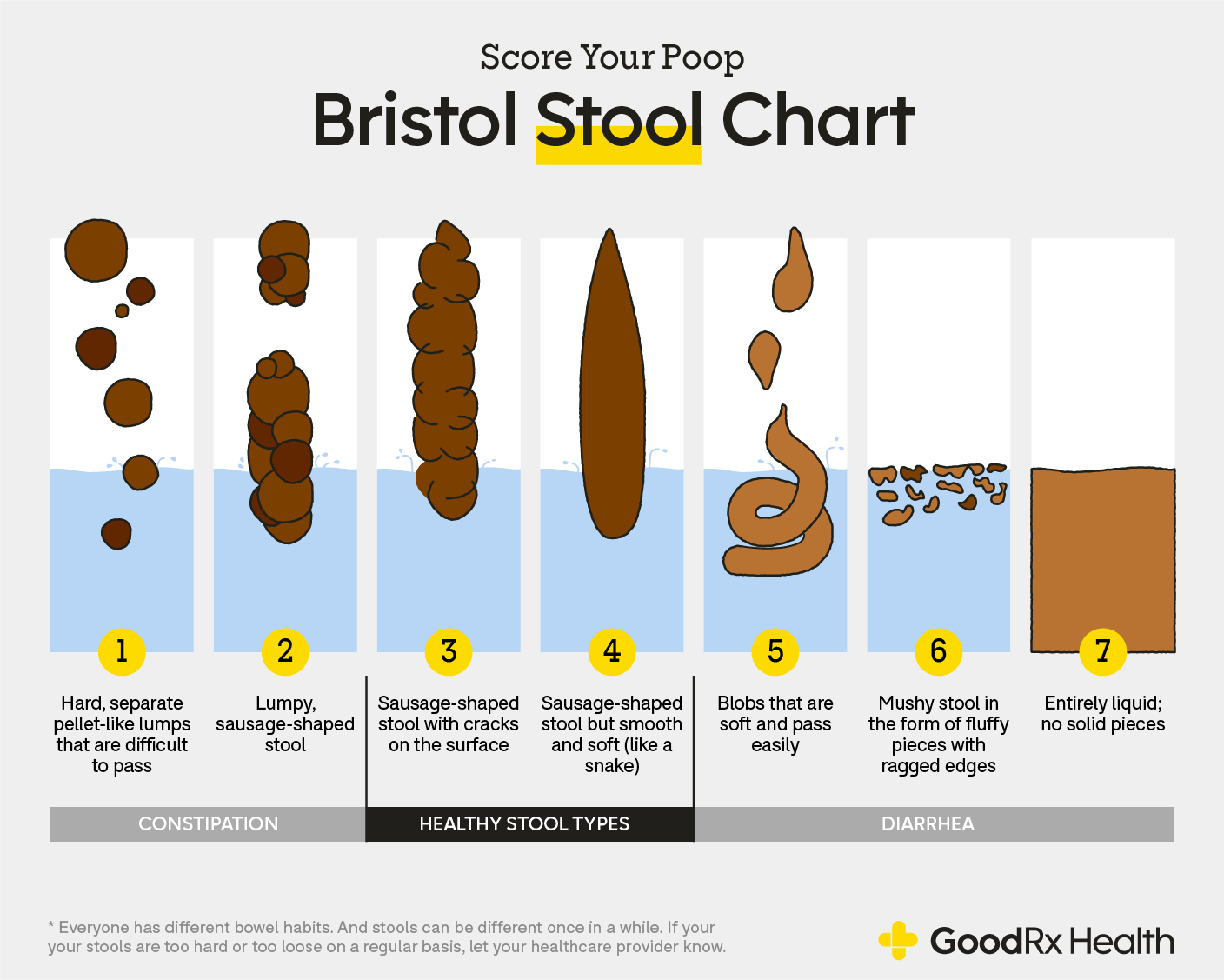
Keep a simple log with the date and time of bowel movements, stool consistency (using the Bristol Stool Chart), and what was eaten or taken. This makes it easier to identify what works and adjust treatments.
Avoid Common Mistakes
- Do not ignore the urge to go; delaying makes constipation worse
- Do not increase fiber without boosting water intake at the same time
- Do not rely on stimulant laxatives long-term due to dependency risk
- Do not assume dairy helps; some seniors respond better to oatmilk
Offer Compassion and Patience
Chronic constipation is exhausting for both patient and caregiver. Celebrate small wins, like a successful bowel movement after days of difficulty. Acknowledge the daily effort required to manage diet, fluids, and medications consistently.
Frequently Asked Questions About Treating Constipation in Elderly
What is the safest laxative for elderly individuals?
MiraLAX (polyethylene glycol) is widely considered the safest long-term option because it works gently with the body’s own water, has no harsh side effects, and is tasteless when mixed into beverages.
How much water should an elderly person drink to prevent constipation?
A practical target is four 16 oz bottles spread throughout the day at 8 AM, 12 PM, 4 PM, and 8 PM. Hot liquids like warm water, tea, or coffee in the morning also help stimulate digestion.
Can constipation in seniors be a sign of something serious?
Yes. Persistent constipation can occasionally indicate colon obstruction or, in rare cases, pancreatic cancer. New-onset constipation, unexplained weight loss, blood in stool, or severe abdominal pain always warrant medical evaluation.
What foods help relieve constipation quickly in the elderly?
Prunes and warm prune juice are among the most effective, often producing results within 30–60 minutes. Papaya, watermelon, ground flaxseed, and high-fiber options like steel-cut oats also support regularity.
Are stimulant laxatives like senna safe for long-term use in seniors?
They can be used short-term, but long-term use carries a risk of colon dependency. Many gastroenterologists prefer osmotic laxatives like MiraLAX for ongoing management.
How can caregivers manage constipation in elderly patients with low sodium?
Avoid standard OTC laxatives, which can drop sodium to dangerous levels. Focus on dietary fiber, steady hydration, and gentle movement, and use enemas only under a doctor’s supervision.
Key Takeaways for Treating Constipation in Elderly
Treating constipation in older adults works best as a layered approach. Start with the basics: steady hydration, gradual fiber increases, daily movement, and a consistent bathroom routine after breakfast. Layer in natural remedies like warm prune juice, oats, and probiotics for additional support. When needed, turn to gentle OTC options like MiraLAX or Colace before considering stimulant laxatives.
Above all, involve a healthcare provider, especially when medications, low sodium, or chronic symptoms are involved. With patience and consistent care, most seniors can achieve comfortable, regular bowel movements and a noticeably better quality of life.





