
Shuffling feet in older adults is a serious warning sign. When seniors drag their toes instead of lifting their feet, the risk of tripping, falling, and losing independence climbs sharply. Many families assume shuffling is just part of getting older, but that misconception can be dangerous. The truth is that this gait pattern usually stems from weak muscles, stiff joints, or neurological changes, and every single one of these causes responds well to targeted action.
This guide gives you a complete, evidence-informed plan to address shuffling at its root. You will learn specific exercises to rebuild foot clearance, calf power, and hip mobility. You will also discover simple gait retraining cues, footwear upgrades, and home safety changes that work together to restore a confident, natural stride.
Restore Foot Clearance With Targeted Strength Work
The most common reason seniors shuffle is poor foot lift. When the toes fail to clear the ground during the swing phase, the foot drags. This almost always traces back to a weak tibialis anterior muscle sitting at the front of the lower leg.
Build Tibialis Anterior Strength Daily
You can train this muscle standing or seated, making it accessible at any fitness level.
Standing version:
• Stand with your back against a wall, heels about 18 inches from the base
• Keep a slight bend in your knees
• Lift your toes upward toward your shins
• Pause briefly at the top, then lower slowly
• Repeat 20 to 30 times
Seated version:
• Sit with both feet flat on the floor
• Lift only your toes upward, keeping heels planted
• Lower slowly with control
• Repeat 20 to 30 times
Frequency: 2 to 3 sessions per day
Progression: Step farther from the wall to increase range of motion as the exercise becomes easier
Because the tibialis anterior fires with every single step, daily practice quickly builds the endurance needed to keep toes clear during longer walks.
Retrain Walking With Heel-Toe Drills
Years of shuffling flatten the natural foot strike. Heel-toe walking rebuilds the proper heel-first landing that most seniors lose over time.
How to practice:
1. Hold onto a counter or wall for support
2. Place one heel down deliberately on the floor
3. Shift your weight forward, rolling through the foot
4. Push off powerfully with the toes
5. Step forward with the other foot, bending the knee during the swing
6. Repeat 10 times per leg
Move slowly. Speed in this drill defeats the purpose. With consistent practice, this single exercise can reduce shuffling by up to 90% for some individuals by rewiring the brain’s walking pattern.
Rebuild Calf Power for Explosive Push-Off

Weak calves rob each step of its natural propulsion. Without strong push-off, walking slows down and the feet start dragging again.
Perform Explosive Heel Raises
This exercise trains both strength and speed, which together produce real-world walking power.
How to do it:
• Warm up with one minute of slow heel raises
• Stand tall while holding onto a stable surface
• Explode upward onto your toes as fast as possible
• Lower back down slowly, taking a full 4 seconds to descend
• Repeat 10 times
Frequency: 3 times daily, ideally morning, afternoon, and evening
Mild calf fatigue after the set means you are training the right muscles. Power equals strength multiplied by speed, so the explosive upward phase is what trains your nervous system to fire the calves quickly during actual walking.
Free Up Tight Hip Flexors and Weak Glutes
Hours of sitting shorten the hip flexors and switch off the glutes. The result is a forward-leaning shuffle with very short steps. Restoring hip extension lengthens the stride and lifts the feet naturally.
Use Hip Swings to Mobilize the Hips
This drill, sometimes called the skateboard drill, isolates hip movement to rebuild swing-through motion.
How to do it:
• Hold onto a wall or counter for support
• Shift all your weight onto one leg
• Swing the other leg forward and back like a skateboarder pushing off
• Keep your torso completely still, moving only at the hip
• Feel your hip flexors engage as the leg swings forward
• Feel your glutes fire as the leg swings back
• Perform 10 reps per leg
Frequency: 3 times daily
If your upper body sways, you are relying on cheating momentum. Reset and focus on isolating the hip joint. Better foot clearance and smoother gait typically follow within weeks.
Activate Glutes With the Hip Flexor Toe Slide
Tight hip flexors suppress glute function. This stretch wakes the glutes back up for stronger hip extension.
How to do it:
• Stand facing a wall with both hands on it for support
• Place one foot behind you, toes on the floor and heel lifted
• Keep your chest upright and back straight
• Squeeze your glutes firmly
• Slide your back toes forward toward the wall while bending the front knee
• Stop when you feel a gentle stretch in the front of the hip
• Return to the starting position
• Repeat 10 to 15 times per leg
Frequency: 2 to 3 times daily
You should feel your buttocks working throughout. Even small improvements in glute activation translate to noticeably longer steps.
Reprogram Walking Patterns With Mental Cues
Strong muscles still need clear instructions from the brain. Mental cues help break the old shuffling habit.
Master the Heel, Toe, Bend Sequence
This simple three-word cue corrects every phase of the stride.
The sequence:
1. Heel — when your foot lands
2. Toe — when you push off
3. Bend — as your leg swings forward, bend the knee slightly
Walk slowly while repeating Heel, Toe, Bend with each step. Focus on one leg at a time. After several days of practice, the pattern becomes automatic and no longer requires conscious thought.
Add Visual and Auditory Support
Visual cues:
• Place colored tape strips on the floor as step targets
• Practice lifting your feet to clear each line
Auditory cues:
• Use a metronome app or steady-tempo music
• Match each step to the beat to improve rhythm and stride length
Verbal prompts:
• Say “lift your feet” or “step tall” during walks
• Simple phrases trigger immediate correction
Select Footwear That Supports Safe Walking

Poor shoes directly contribute to shuffling. The right footwear improves stability and encourages proper gait.
Choose Shoes With These Features
• Non-slip soles for traction and confidence
• Good arch support to stabilize the foot
• A firm heel counter for ankle stability
• A snug but comfortable fit with no slipping at the heel
Avoid slippers, backless shoes, and any footwear with worn-out soles. Replace walking shoes every 6 to 12 months or roughly every 500 miles of use.
Eliminate Fall Hazards at Home

Even the strongest gait can fail in a hazardous environment. A few simple changes dramatically reduce fall risk.
Clear the Walking Paths
• Remove loose rugs or secure them with double-sided tape
• Keep cords tucked away from walkways
• Clear clutter from hallways and stairs
• Improve lighting, especially in bathrooms, hallways, and stairways
Install Key Safety Features
• Grab bars in showers and beside toilets
• Night lights in bedrooms and bathrooms
• Contrast strips on stair edges for better visibility
A clutter-free home naturally encourages longer, more confident walks.
Use Assistive Devices When Needed
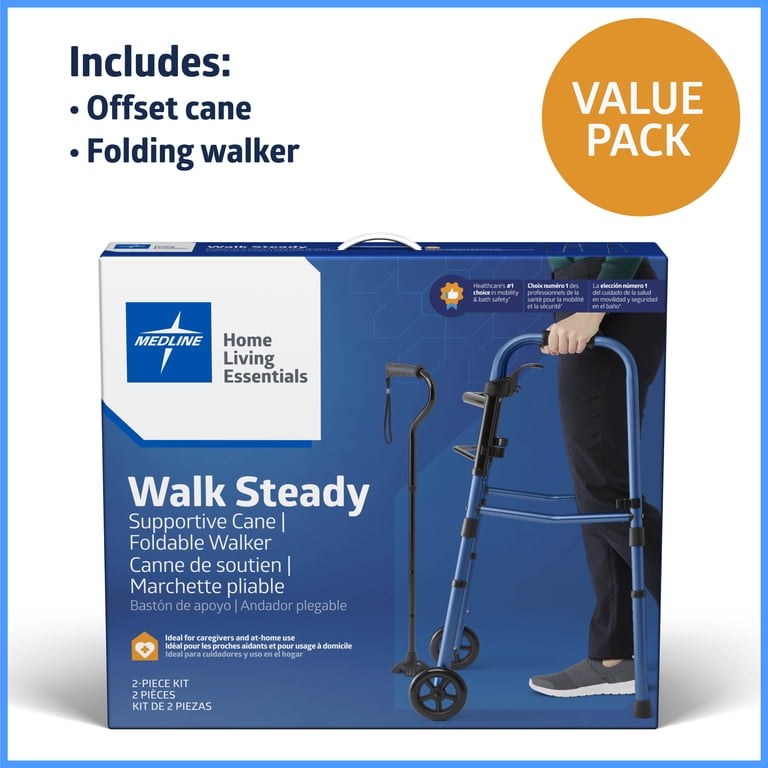
Canes and walkers are tools for independence, not symbols of weakness. The right device can prevent falls while you continue building strength.
Choose the Right Option
• Cane: Best for mild balance issues, used on the side opposite the weaker leg
• Walker: Best for significant instability or recovery after a fall
• Specialized canes: Some models vibrate or make sounds to cue foot lift
Get professionally fitted. A poorly sized device can actually make gait worse. Consider using one if shuffling persists despite exercise, after a recent fall, or whenever balance feels unsteady.
Seek Professional Support for Stubborn Cases
Sometimes shuffling requires expert evaluation to rule out or address underlying conditions.
Work With a Physical Therapist
A physical therapist can assess your specific gait pattern, design a personalized exercise plan, and provide hands-on gait training. They also catch issues families typically miss.
Rule Out Medical Causes With a Doctor
Sudden or worsening shuffling can signal conditions such as Parkinson’s disease, stroke, or peripheral neuropathy. Medication side effects can also play a role. Always get a medical evaluation before starting a new exercise program, especially if you notice pain, numbness, or sudden changes in walking.
Track Progress Every Few Weeks
Improvement takes consistency, but results are measurable and worth celebrating.
Ask Yourself These Questions Every 2 to 3 Weeks
After a normal walk across the room, reflect on whether your feet lift higher, your steps feel longer or smoother, and you feel more stable overall. Answering yes to even one question means the routine is working. If nothing improves at all after 4 weeks of consistent effort, consult a physical therapist for a more tailored program.
Build a Simple Daily Routine
Pairing exercises with existing habits makes consistency easier.
Sample day:
• Morning: Explosive heel raises, 10 reps
• Afternoon: Tibialis raises, 20 reps, plus heel-toe walking, 10 reps per leg
• Evening: Hip swings, 10 reps per leg, plus toe slides, 15 reps per leg
Just 5 to 10 minutes of focused work per day delivers meaningful results within a month.
Frequently Asked Questions About Preventing Shuffling in the Elderly
What causes seniors to shuffle their feet?
Most shuffling comes from weak tibialis anterior muscles, stiff hip flexors, weak glutes, and poor calf power. Neurological conditions, joint pain, poor footwear, and fear of falling can also contribute.
Can shuffling feet be corrected in the elderly?
Yes. Targeted exercises, gait retraining, proper footwear, and home safety changes can dramatically improve walking patterns within 2 to 4 weeks of consistent effort.
When should an elderly person see a doctor for shuffling?
Schedule a medical evaluation if shuffling appears suddenly, worsens quickly, or comes with numbness, pain, dizziness, or one-sided weakness. These signs can indicate stroke, Parkinson’s disease, peripheral neuropathy, or medication side effects.
What kind of shoes help prevent shuffling?
Choose shoes with non-slip soles, good arch support, a firm heel counter, and a snug fit. Avoid slippers, backless shoes, and worn-out footwear.
How long does it take to see improvement?
Noticeable changes in foot clearance and stride length typically show up within 2 to 4 weeks of daily practice. Significant reductions in shuffling often follow with continued effort.
Are canes and walkers helpful or harmful for shuffling?
When properly fitted and used as tools for confidence, they help prevent falls and allow safer practice of gait exercises. Poorly fitted devices can worsen gait, so professional guidance matters.
Shuffling feet are not a normal part of aging. They are a treatable signal that the body needs specific strengthening, better footwear, or a safer environment. Start with one or two exercises today, build from there, and stay consistent. The goal goes far beyond stopping a shuffle. It is about preserving independence, preventing falls, and keeping the people you care about moving freely and confidently for years to come.