
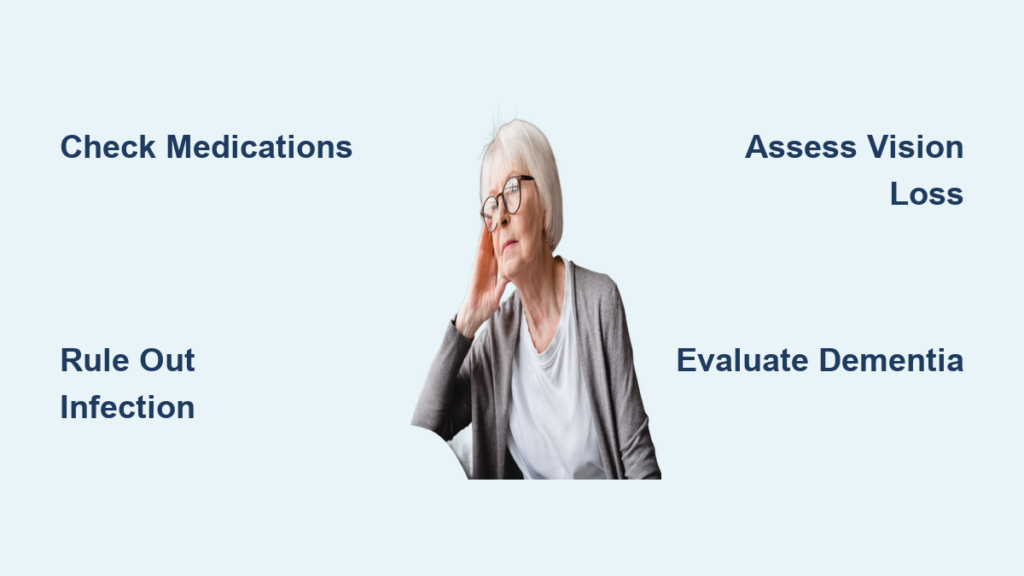
Seeing your father glance toward the window and insist someone is standing outside, or watching him talk to animals only he can see, can shake even the most grounded family. These moments are confusing, and your worry is completely valid. Elderly hallucinations affect a significant number of older adults, yet they remain widely underreported and often misunderstood.
The good news is that hallucinations in seniors are a symptom, not a diagnosis. They point to specific causes ranging from medication side effects to sensory changes to treatable medical conditions. This guide walks you through the real reasons older adults hallucinate, how to spot the patterns, and what concrete steps you can take to help your loved one while protecting your own well-being as a caregiver.
Common Causes of Hallucinations in Seniors

Neurodegenerative Diseases and Hallucinations
Progressive brain conditions rank among the top causes of perceptual disturbances in older adults. As neural pathways break down, the brain’s ability to interpret sensory signals accurately declines.
Parkinson’s Disease
Visual hallucinations affect roughly 25–30% of Parkinson’s patients at some point during their illness. These tend to involve well-formed images of people, animals, or scenes. Insight is often preserved early on, so the person may acknowledge, “I know that isn’t real, but I still see it.”
Dementia with Lewy Bodies (DLB)
Hallucinations are a defining feature of DLB and often appear at diagnosis or even before. Recurrent visual hallucinations involving people or animals, paired with fluctuating alertness and movement symptoms, strongly suggest this condition.
Alzheimer’s Disease
About 20–30% of Alzheimer’s patients develop hallucinations, typically in moderate to late stages. Visual misperceptions are more common than auditory ones and may signal faster disease progression.
Vascular and Frontotemporal Dementia
These forms can cause perceptual disturbances when strokes or atrophy damage visual or behavioral brain networks, though less frequently than DLB or Parkinson’s.
Delirium: Sudden Onset Hallucinations
Delirium is a medical emergency and a leading cause of new hallucinations in older adults. It develops over hours to days and usually signals an underlying acute illness.
Common triggers include:
– Urinary tract infections (UTIs)
– Pneumonia or respiratory infections
– Dehydration or electrolyte imbalances
– Recent surgery or hospitalization
– New medications or abrupt withdrawal
Visual hallucinations dominate, often featuring bugs, intruders, or shadows. Symptoms fluctuate throughout the day and worsen at night (sundowning). Prompt medical evaluation is critical because delirium is often reversible with timely treatment.
Medication-Induced Hallucinations
Many medications commonly prescribed to seniors can trigger hallucinations, especially when combined or improperly dosed.
High-risk drug classes include:
– Dopaminergic drugs (levodopa, pramipexole, ropinirole)
– Anticholinergics (oxybutynin, diphenhydramine, amitriptyline)
– Corticosteroids (prednisone, dexamethasone)
– Opioids (morphine, tramadol, oxycodone)
– Benzodiazepines and sleep aids (lorazepam, zolpidem)
Polypharmacy, defined as using five or more medications, compounds the problem. Bring every prescription, over-the-counter drug, and supplement to your next doctor’s visit.
Sensory Deprivation: Charles Bonnet Syndrome
When vision declines due to macular degeneration, glaucoma, or cataracts, the brain may “fill in” missing visual information. This causes Charles Bonnet Syndrome (CBS).
Key features of CBS:
– Complex visual hallucinations (faces, patterns, animals, scenes)
– Preserved insight (the person knows the visions aren’t real)
– No cognitive or psychiatric illness
– Often underreported due to stigma
CBS is not dangerous but can be distressing. Improving lighting, correcting vision, and offering reassurance are the main interventions.
Psychiatric and Mood Disorders
Psychiatric causes are less common in late life but still important to consider.
- Late-onset psychosis: Schizophrenia-type illness with auditory hallucinations appearing after age 60
- Depression with psychotic features: Mood-congruent hallucinations, often self-critical voices
- Bipolar disorder: Psychotic symptoms during manic or depressive episodes
These cases typically involve auditory hallucinations and delusions, with insight often diminished compared to neurodegenerative causes.
Types of Hallucinations in the Elderly
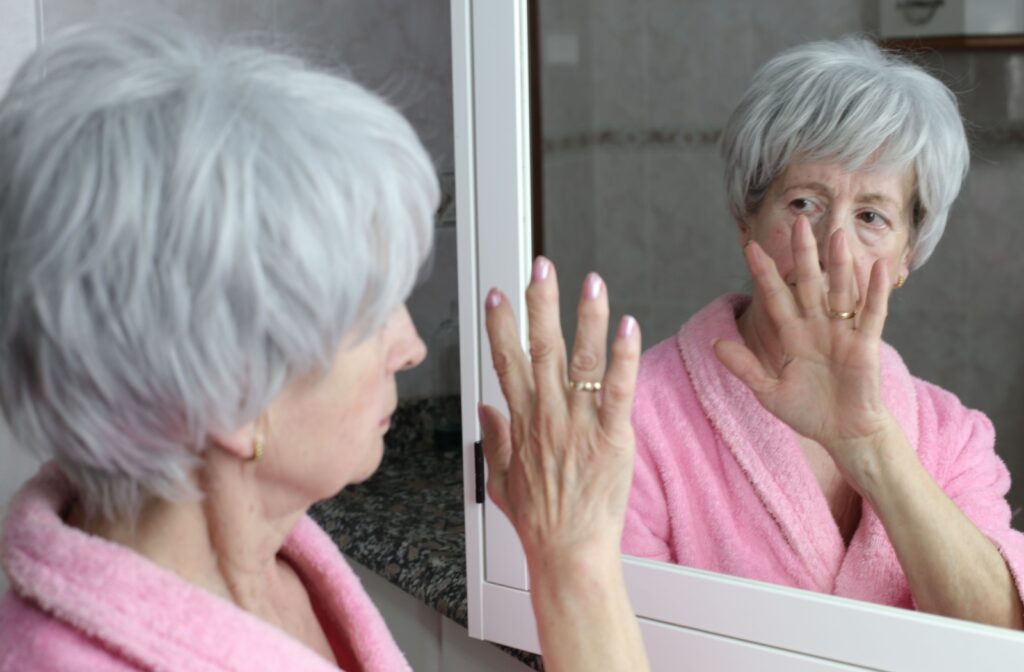
Visual Hallucinations: The Most Common Type
Visual hallucinations are the dominant type in older adults, particularly in Parkinson’s, DLB, and CBS.
What they look like:
– Simple: lights, flashes, geometric shapes
– Complex: people, animals, children, full scenes
– Often occur in dim light, at night, or when alone
– May be pleasant, neutral, or frightening
Key clues by condition:
– Parkinson’s or DLB: well-formed figures, preserved insight, often medication-triggered
– Charles Bonnet Syndrome: detailed, repetitive images, no cognitive decline
– Delirium: bizarre, frightening visions like bugs crawling, fluctuating alertness
Auditory Hallucinations: Voices and Sounds
Hearing sounds or voices without a source is less common but still significant.
- Simple sounds like ringing, buzzing, or music (musical hallucinosis)
- Voices that are single or multiple, neutral, critical, or commanding
- Often linked to hearing loss, psychiatric illness, or delirium
In sensory deprivation, sounds may resemble familiar songs or voices.
Other Sensory Hallucinations
Olfactory (smell)
Phantosmia, or smelling phantom odors like smoke or rot, can signal temporal lobe seizures, brain tumors, or Parkinson’s disease.
Tactile (touch)
Feeling bugs crawling on the skin (formication) is common in delirium, alcohol withdrawal, or Parkinson’s.
Gustatory (taste)
Less common, but may accompany olfactory hallucinations in epilepsy or brain lesions.
How to Identify the Cause
Step 1: Assess Onset and Pattern
- Sudden onset (hours to days): think delirium, check for infection or new meds
- Gradual onset (weeks to months): suggests neurodegenerative disease or medication effects
- Chronic, stable hallucinations with vision loss: likely Charles Bonnet syndrome
Step 2: Evaluate Insight and Awareness
- Insight preserved: “I see people, but I know they aren’t real.” Common in CBS and early Parkinson’s
- Insight lost: believes hallucinations are real, more typical of dementia, delirium, or psychosis
Step 3: Review Medications
Compile a complete list including:
– Prescription medications
– Over-the-counter drugs (Benadryl, Tylenol PM)
– Supplements and herbal products
Look for recent dose increases, new additions, or high anticholinergic burden using tools like the Anticholinergic Cognitive Burden Scale.
Step 4: Check for Medical Triggers
Basic tests to request:
– Urinalysis and culture (rule out UTI)
– Blood work: CBC, electrolytes, glucose, kidney and liver function, B12, thyroid
– Infection markers: fever, cough, confusion
Even mild infections can trigger hallucinations in seniors.
Step 5: Assess Sensory Function
- Vision test for cataracts, macular degeneration, glaucoma
- Hearing test for undiagnosed hearing loss
Correcting sensory deficits can reduce or eliminate hallucinations entirely.
What to Do When Hallucinations Occur
Immediate Response Strategies
When your loved one is hallucinating:
– Stay calm. Your anxiety increases theirs
– Avoid arguing. Saying “no one is there” often escalates distress
– Acknowledge feelings: “That must be scary. I am here with you.”
– Redirect gently: “Let’s go to the kitchen and have a drink.”
– Adjust the environment. Turn on lights, close curtains, reduce shadows
Environmental Modifications
Simple changes reduce hallucination frequency:
– Use bright, even lighting, especially in the evening
– Reduce clutter to minimize visual misinterpretation
– Place night lights in hallways and bathrooms
– Cover mirrors if reflections cause confusion
– Maintain consistent daily routines for stability
Caregiver Communication Tips
Do:
– Speak slowly and clearly
– Use simple sentences
– Offer reassurance: “You are safe”
– Distract with familiar music, photos, or walks
Don’t:
– Challenge their reality
– Laugh or dismiss the experience
– Leave them alone if agitated
– Use logic to “prove” the hallucination is not real
Treatment and Management Options

Non-Drug Approaches First
Start with non-pharmacological strategies whenever possible:
– Optimize vision and hearing (new glasses, hearing aids, cataract surgery)
– Treat sleep disorders such as sleep apnea or REM behavior disorder
– Improve hydration and nutrition to reduce confusion
– Increase daytime activity and social engagement
Medication Adjustments
If hallucinations began after a medication change:
– Review with a neurologist or geriatrician
– Reduce dopamine agonists first (pramipexole, ropinirole)
– Adjust levodopa dose if motor symptoms allow
– Discontinue anticholinergics when possible
Never stop medications abruptly. Always taper under medical supervision.
When Antipsychotics Are Needed
Use antipsychotics only when hallucinations are distressing, dangerous, or significantly impairing function.
Preferred options:
– Quetiapine: lower risk of worsening Parkinson’s symptoms
– Clozapine: effective for Parkinson’s hallucinations but requires blood monitoring
Avoid typical antipsychotics like haloperidol and risperidone in dementia patients due to increased risk of sedation, falls, and mortality.
Start low, go slow, and use the lowest effective dose for the shortest time.
Cholinesterase Inhibitors for Dementia
Drugs like rivastigmine can reduce hallucinations in dementia with Lewy bodies and Parkinson’s disease dementia by supporting acetylcholine activity. Side effects may include nausea or diarrhea.
When to Seek Medical Help
Emergency Red Flags
Seek immediate care if hallucinations accompany:
– Fever or infection symptoms
– Sudden inability to focus or sudden confusion
– Weakness, slurred speech, or facial droop (possible stroke)
– Severe agitation or aggression
– Suicidal or violent thoughts
These signs suggest delirium, stroke, or another acute medical emergency.
Routine Evaluation Steps
Schedule a doctor visit to:
– Review all medications
– Order lab tests
– Assess cognitive and neurological function
– Refer to neurology or geriatric psychiatry if needed
Keep a symptom diary noting time, content, triggers, and duration of episodes.
Supporting the Caregiver
Emotional Impact of Hallucinations
Caring for someone who hallucinates is exhausting. You may feel fear for their safety, frustration when they will not “listen to reason,” guilt for feeling resentful, and isolation when others do not understand.
These feelings are common and valid.
Self-Care and Support Resources
Practical steps to protect your well-being:
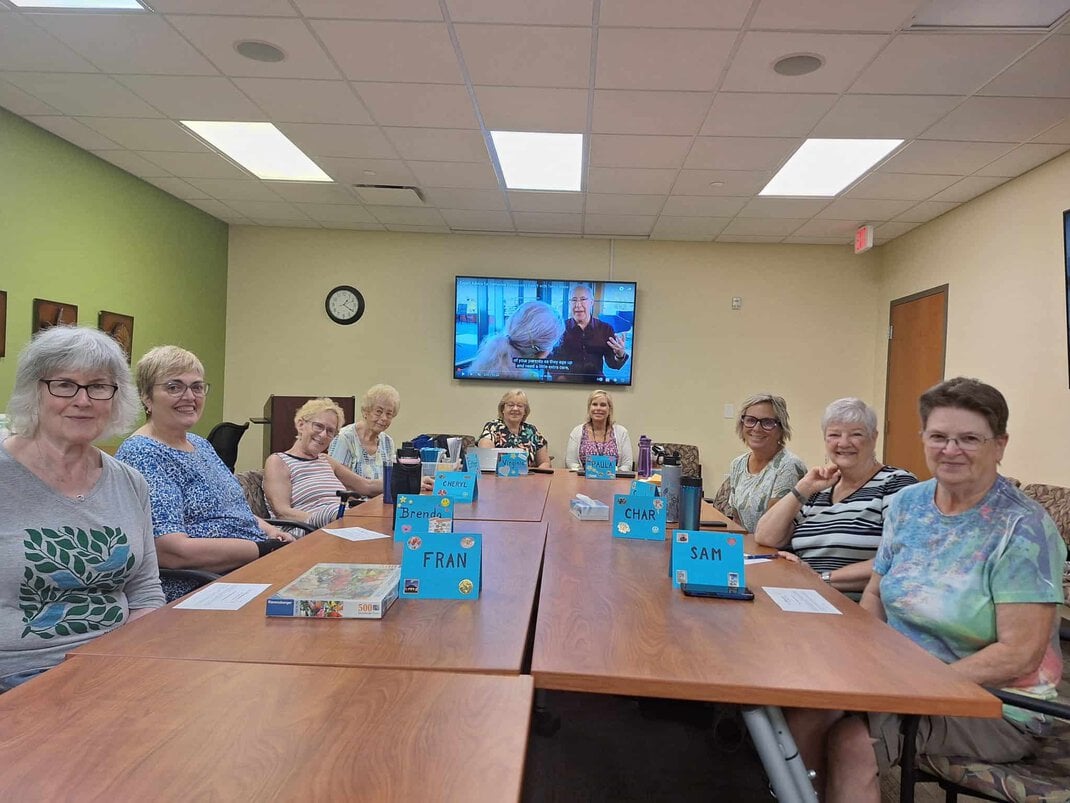
– Join a caregiver support group, either online or in person
– Use respite care to take breaks
– Talk to a therapist or counselor
– Stay connected with friends and family
Your health matters as much as your loved one’s care.
Advance Care Planning
Discuss future needs before they arise:
– Power of attorney
– Living will
– Long-term care preferences
– Goals of care if dementia progresses
Early planning reduces stress during future crises.
Frequently Asked Questions About Elderly Hallucinations
What is the most common cause of hallucinations in elderly individuals?
The most common cause is Parkinson’s disease-related visual hallucinations, affecting 25–30% of patients. However, delirium from infections like UTIs is a very frequent trigger for sudden-onset hallucinations.
Can medications cause an elderly person to hallucinate?
Yes. Common culprits include dopaminergic drugs for Parkinson’s, anticholinergics like diphenhydramine, corticosteroids, opioids, and benzodiazepines. Polypharmacy dramatically increases risk.
Why do elderly people see people or animals that are not there?
Seeing people or animals is typically visual hallucination from Parkinson’s disease, dementia with Lewy bodies, or Charles Bonnet syndrome (when there’s vision loss). These conditions disrupt visual processing in the brain.
How can I tell if my parent’s hallucinations are from dementia or medication?
Look at onset and pattern. Medication-induced hallucinations often begin shortly after a dose change. Dementia-related hallucinations develop gradually alongside cognitive decline. A doctor can run tests to differentiate.
When should I take my loved one to the ER for hallucinations?
Go immediately if hallucinations are sudden, accompanied by fever or infection signs, or paired with confusion, weakness, slurred speech, or severe agitation. These suggest delirium or stroke.
Can dehydration cause an elderly person to hallucinate?
Yes. Dehydration is a common delirium trigger in seniors and can cause visual hallucinations. It often responds quickly to fluid replacement and treatment of the underlying cause.
Key Takeaways for Understanding Hallucinations in Older Adults
Hallucinations in seniors are symptoms with real, identifiable causes. Neurodegenerative diseases, delirium, medication side effects, and sensory loss account for the majority of cases, and each has a distinct treatment pathway.
Start by tracking onset, pattern, and insight. Then review medications, check for infections, and assess sensory function. Most importantly, partner with a neurologist or geriatrician to identify the root cause before adding new prescriptions.
As a caregiver, your calm response matters more than correcting the experience. Stay reassuring, adjust the environment, and seek medical guidance promptly. Your own well-being is essential to providing sustainable care.
Next step: Schedule a medication review with your loved one’s doctor this week, and begin a simple symptom diary to share at the next appointment.





