

You’ve likely seen it: an older person sitting alone, quietly muttering to themselves in a park, at home, or in a care facility. It can be easy to dismiss this behavior as odd or concerning, but self-talk in older adults is far more common and meaningful than many realize. So, why do elderly people talk to themselves? Far from being a sign of confusion or decline, self-talk often serves important cognitive, emotional, and practical functions. In fact, research suggests that talking to oneself is a natural part of aging for many, helping with memory, focus, and emotional regulation.
This behavior isn’t typically a red flag. Instead, it’s often a coping mechanism, a way to process thoughts, or even a remnant of lifelong habits. While it may raise concerns, especially if it seems excessive or disorganized, understanding the reasons behind self-talk can reduce stigma and improve how we support aging loved ones. In this guide, we’ll explore the real causes of self-talk in seniors, how to tell when it’s normal versus a symptom of something more serious, and what caregivers can do to respond with empathy and insight.
Normal Cognitive Aging and Self-Talk
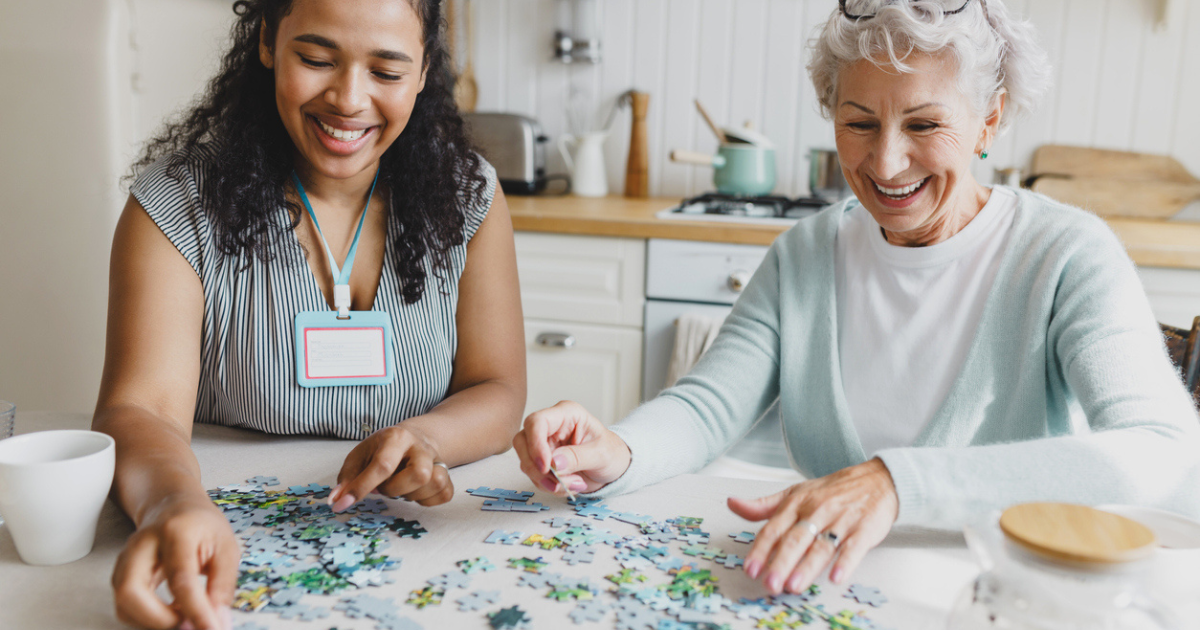
As people age, changes in brain function can make self-talk more common and more useful. Verbalizing thoughts helps older adults remember tasks and stay focused throughout the day.
Memory Reinforcement Through Speech
Saying things out loud, like “I need to take my pills,” strengthens memory encoding. This process, called externalization of thought, turns internal reminders into tangible cues. For many seniors, speaking aloud is a practical strategy to compensate for mild memory lapses that accompany normal aging.
Focus and Task Completion
Talking through daily routines such as dressing, cooking, or locking doors helps maintain concentration. Self-talk acts as a mental checklist, keeping attention anchored to the present task and reducing errors during moments when multitasking becomes harder.
Thought Organization
Aging can slow cognitive processing. Self-talk allows older individuals to sort ideas step by step, almost like thinking out loud to clarify decisions. This kind of verbal reasoning is a tool for staying mentally organized, not a sign of confusion.
Emotional Regulation and Comfort

Self-talk isn’t just about thinking; it’s also about feeling. Many seniors use it to manage difficult emotions and cope with everyday stress.
Managing Anxiety and Stress
Repeating reassuring phrases like “I’m okay” or “I can do this” helps calm nerves during uncertainty. This inner dialogue becomes a self-soothing habit, especially in unfamiliar environments such as hospitals or new living arrangements.
Coping With Loneliness
Isolation is a major concern for older adults. When social interaction decreases, self-talk can fill the silence and mimic conversation, providing a sense of companionship. While it isn’t a replacement for human connection, it helps maintain identity and presence.
Expressing Frustration or Relief
Seniors may mutter when struggling with technology, pain, or mobility. Comments like “This button won’t work!” offer a natural emotional release, while saying “Finally got it!” after completing a task provides a satisfying sense of achievement.
Neurological and Medical Factors
While often normal, self-talk can sometimes signal underlying conditions that deserve attention.
Early Signs of Dementia
In some cases, increased or disorganized self-talk may be linked to cognitive decline. People with early dementia might repeat phrases or speak without awareness. This is usually accompanied by other symptoms, such as confusion, memory loss, or getting lost in familiar places.
Different From Psychosis
Self-talk in aging is typically not hallucinatory. Unlike in psychiatric disorders, most elderly individuals know they’re talking to themselves. If a person appears to be conversing with unseen people or shows paranoia, a medical evaluation is needed.
Impact of Medications
Certain drugs, including sedatives, anticholinergics, or steroids, can affect mental clarity and increase vocalizations. Always review medications with a doctor if self-talk becomes sudden, loud, or disruptive.
Habitual and Environmental Influences
Some self-talk is simply learned behavior shaped by a person’s surroundings or lifelong routines.
Lifelong Communication Patterns
Many seniors have always talked to themselves while working, reading, or fixing things. A carpenter might say “Now measure twice” as a reflex. These habits persist into old age and are completely normal.
Response to Sensory Changes
Hearing loss can cause people to speak louder without realizing it. What seems like self-talk might actually be an attempt to communicate with a hearing-impaired spouse or caregiver. Vision loss can also increase verbal cues used to stay oriented.
Institutional Settings and Routine
In nursing homes or assisted living, structured routines often involve verbal prompts. Staff may encourage residents to say tasks aloud, reinforcing independence. Over time, this becomes automatic, even when no one else is present.
When to Be Concerned About Self-Talk

Not all self-talk requires intervention, but some signs warrant professional attention.
Sudden or Intense Changes
If self-talk appears abruptly or becomes constant, loud, or agitated, it could indicate a medical issue. Watch for sleep disturbances, mood swings, or confusion occurring alongside the behavior.
Signs of Delusion or Hallucination
If the person seems to be arguing with someone who isn’t there or believes they’re being watched, seek professional help. These may be symptoms of delirium, dementia, or other mental health conditions.
Disruption to Daily Life
Occasional muttering is fine. However, if self-talk interferes with sleep, social interaction, or safety, such as yelling at night or refusing help, it’s time to consult a doctor.
How Caregivers Can Respond With Empathy

Supportive responses make a big difference in how seniors experience self-talk.
Avoid Shaming or Correcting
Never tell an older person to stop talking to themselves. This can increase shame or anxiety. Instead, listen without judgment and respond with kindness.
Engage With Curiosity
Ask gentle questions like “Are you reminding yourself of something?” or “Is everything okay?” This opens dialogue without confrontation, and the person will often explain their thought process clearly.
Encourage Social Interaction
Loneliness fuels self-talk. Regular visits, phone calls, or group activities reduce isolation. Even short conversations can decrease the need for verbal self-companionship.
Create a Calm Environment
Reduce noise, clutter, and confusion. A peaceful space helps seniors stay oriented and less reliant on verbal cues to manage stress.
Supporting Cognitive Health in Seniors
Promoting brain wellness can reduce reliance on self-talk as a coping tool.
Mental Stimulation Activities
Puzzles, reading, or memory games keep the mind active. Structured thinking reduces the need for constant verbal checking.
Physical Exercise and Sleep
Regular movement improves blood flow to the brain. Good sleep supports memory and emotional balance, both of which reduce cognitive strain.
Healthy Diet and Hydration
Nutrition affects brain function. Dehydration or poor diet can mimic or worsen cognitive issues, sometimes increasing disoriented speech.
Frequently Asked Questions About Elderly Self-Talk
Is talking to yourself a sign of dementia in the elderly?
Not necessarily. Self-talk is common in normal aging and often helps with memory or focus. Dementia is usually accompanied by other symptoms, such as confusion, disorientation, or significant memory loss.
When should I worry about an elderly person talking to themselves?
Be attentive if the self-talk is new, very loud, or paired with signs of hallucination, paranoia, or agitation. A sudden change in behavior is a good reason to seek medical advice.
How can caregivers support seniors who talk to themselves?
Listen without judgment, ask gentle questions, and encourage social interaction. Creating a calm environment and promoting cognitive activities can also help.
Can medications cause an elderly person to talk to themselves more?
Yes. Some medications, including sedatives and steroids, can affect mental clarity and increase vocalizations. Always review medications with a doctor if behavior shifts.
Is self-talk in seniors a sign of loneliness?
It can be. When social interaction decreases, self-talk may fill the silence and provide a sense of companionship. Encouraging regular visits and activities can help reduce isolation.
Does talking to yourself help with memory in older adults?
Yes. Verbalizing tasks and reminders strengthens memory encoding. Saying things like “I need to lock the door” out loud helps reinforce the thought and reduces forgetfulness.
Key Takeaways on Why Elderly People Talk to Themselves
Self-talk in the elderly is usually a normal, adaptive behavior, not a symptom of decline. It reinforces memory, manages emotions, and maintains focus throughout the day. While it’s important to stay alert for signs of dementia or mental health concerns, most self-talk is harmless and even helpful. By understanding the reasons behind it, caregivers and family members can respond with empathy, reduce stigma, and support healthier aging. If you notice sudden or disruptive changes, consult a healthcare provider, but in most cases, a little self-talk is just the mind staying sharp and connected.