
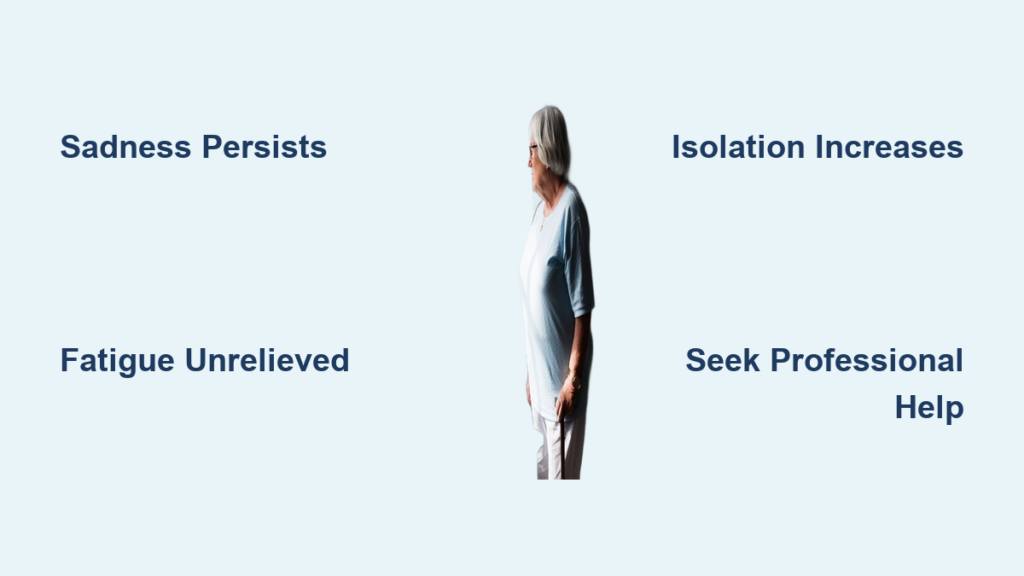
Depression in older adults goes far beyond occasional sadness. It is a genuine medical condition that alters how seniors feel, think, and manage everyday activities. Many people wrongly assume that persistent low mood is simply a part of growing older. In reality, about 4% of adults aged 70 and over experience depression, and most cases go undetected. When depression combines with chronic illness, the impact grows even more severe. The encouraging part is that recovery is possible. With the right treatment, most older adults see real improvement in their emotional health. This article explains how depression uniquely affects seniors, why it frequently goes untreated, and what steps can lead to meaningful recovery.
Why Depression Is Not a Normal Part of Aging
A Real Medical Diagnosis
Depression is a recognized health condition, much like diabetes or high blood pressure. It is not the same as feeling blue after a loss or struggling to adjust to retirement. Persistent hopelessness, constant fatigue, or losing interest in activities you once enjoyed are clinical warning signs. They are not inevitable results of getting older.
Where the Myth Takes Hold
Many older adults believe emotional struggles come with age, so they never ask for help. Family members often make the same assumption, dismissing mood changes as natural. This misconception allows depression to progress untreated, often worsening other health problems and lowering quality of life.
Who Faces the Highest Risk?

Chronic Illness Raises the Danger
Older adults living with ongoing health conditions face a much higher risk of depression. Illnesses such as heart disease, cancer, or diabetes affect both body and mind. Pain, exhaustion, and side effects from treatment can all wear down emotional resilience.
The Strain of Multiple Conditions
Nearly half of all older adults manage two or more chronic illnesses. Each additional condition increases the likelihood of depression. Struggles with mobility, sleep disturbances, or basic daily tasks can deepen feelings of helplessness over time.
How Depression Shows Up in Seniors

Emotional Warning Signs
The most common symptom is feeling sad, empty, or hopeless most of the day, nearly every day. Depression does not look identical in everyone, though. Some older adults show little sadness but instead display irritability, emotional numbness, or a complete lack of motivation.
Physical and Behavioral Red Flags
Depression often disguises itself as physical illness. Watch for:
– Unexplained aches or persistent pain
– Heavy fatigue that rest does not relieve
– Sudden appetite changes or weight shifts
– Sleeping too much or struggling to fall asleep
– Pulling away from family, friends, or favorite activities
These signs frequently overlap with normal aging, which is why healthcare providers sometimes miss the diagnosis.
Why So Many Seniors Stay Untreated
Stigma Still Carries Power
Many older adults grew up in eras when mental health was rarely discussed. Some feel ashamed or weak for struggling emotionally. Others believe they must push through on their own, viewing depression as a personal failing rather than a medical condition.
Mistaking Symptoms for Aging
A major obstacle is the belief that feeling down simply comes with age. Without knowing that effective treatment exists, seniors often fail to bring up their symptoms during medical appointments.
Barriers Within the Healthcare System
Practical Access Problems
Even motivated seniors face real obstacles:
– Transportation issues that make appointments hard to reach
– Out-of-pocket costs for therapy or prescriptions
– Limited local mental health services, particularly in rural communities
Gaps in Provider Training
Doctors may skip mental health screenings during routine visits. Symptoms such as low energy or appetite loss often get blamed on aging or other illnesses. Without proper training in geriatric mental health, providers may overlook the signs entirely.
Proven Treatment Options for Seniors
How Medication Can Help
Antidepressants are widely prescribed and can be highly effective for older adults. Dosing must be carefully managed due to age-related sensitivity and potential conflicts with other medications. Always work with a doctor before starting or stopping any prescription.
The Power of Talk Therapy
Psychotherapy, especially cognitive behavioral therapy (CBT), helps seniors challenge negative thought patterns and build healthier coping skills. Sessions can take place in person or through telehealth, which helps those with mobility challenges.
Combining Both Approaches Yields the Best Results
For many older adults, medication paired with therapy produces the strongest outcomes. This dual strategy addresses brain chemistry while building practical skills for managing emotions.
How Family Members Can Make a Difference
Encouraging Professional Help
If you worry about a loved one, do not wait. Gently suggest they speak with a doctor. Try simple openers like, “Have you been feeling down lately?” or “Would you like me to come with you to your next visit?” Your presence can remove fear and stigma.
Offering Hands-On Help
Support can take many practical forms:
– Driving them to medical appointments
– Researching affordable therapists or clinics
– Joining them for short walks or light exercise, which lifts mood and strengthens connection
Even small gestures of companionship can ease isolation and improve emotional well-being.
Preventing Depression Before It Starts

Keep Moving Every Day
Gentle physical activity, even a short walk, boosts mood and improves sleep. Exercise triggers endorphins and lowers inflammation, both linked to better mental health. Aim for about 30 minutes most days, split into shorter sessions if needed.
Stay Connected With Others
Loneliness is one of the strongest risk factors for depression. Regular contact through family visits, senior centers, or faith communities protects mental health. Phone calls, video chats, or shared meals keep relationships alive and meaningful.
Protect Sleep and Daily Routines
Poor sleep feeds depression. Encourage consistent bedtimes, reduce screen use before bed, and address issues like insomnia or sleep apnea. A predictable daily routine offers structure and a sense of control during difficult seasons.
When to Act Quickly

Recognizing a Mental Health Crisis
If an older adult talks about being a burden, gives away possessions, or expresses deep hopelessness, treat these as urgent warning signs. They are not cries for attention but real signals that immediate help is needed.
Using the 988 Lifeline
Free, confidential support is available around the clock:
– Call or text 988 to reach a trained crisis counselor
– Chat online at 988lifeline.org
Specialists are prepared to help older adults in emotional distress.
Responding to Immediate Danger
If someone is in active danger of harming themselves, call 911 or go to the nearest emergency room without delay. Safety must always come first.
Frequently Asked Questions About Depression in the Elderly
Is Depression Common in Older Adults?
Depression affects roughly 4% of adults aged 70 and older. While the number may seem small, many more seniors struggle without ever receiving a diagnosis because symptoms get mistaken for normal aging.
Why Does Depression Often Go Undiagnosed in Seniors?
Healthcare providers sometimes confuse symptoms like fatigue and appetite loss with physical illness or aging itself. Many older adults also hesitate to share emotional struggles due to stigma, which keeps the problem hidden during medical visits.
What Health Conditions Increase Depression Risk in Seniors?
Chronic illnesses such as heart disease, cancer, and diabetes raise the risk significantly. The more health conditions someone manages, the higher their likelihood of developing depression.
What Treatments Work Best for Elderly Depression?
A combination of medication and psychotherapy often produces the best results. Antidepressants help balance brain chemistry, while talk therapy teaches coping skills. Treatment plans should always be tailored to the individual’s health profile.
How Can Family Members Help an Elderly Loved One With Depression?
You can encourage professional help, offer rides to appointments, and provide companionship through walks or shared meals. Simply listening without judgment makes a powerful difference and helps reduce isolation.
What Should I Do in a Mental Health Crisis Involving an Older Adult?
Call or text 988 for immediate, confidential support from trained counselors. If the person is in immediate danger, call 911 or take them to the nearest emergency room without hesitation.
Key Takeaways for Supporting Seniors With Depression
Depression in older adults is real, serious, and highly treatable. Recognizing the difference between normal aging and clinical symptoms is the first step toward recovery. Family involvement, early intervention, and access to proper care all shape long-term outcomes. If you or a loved one is struggling, reach out today. Help is available, treatment works, and a fuller, more emotionally healthy life is within reach.





