
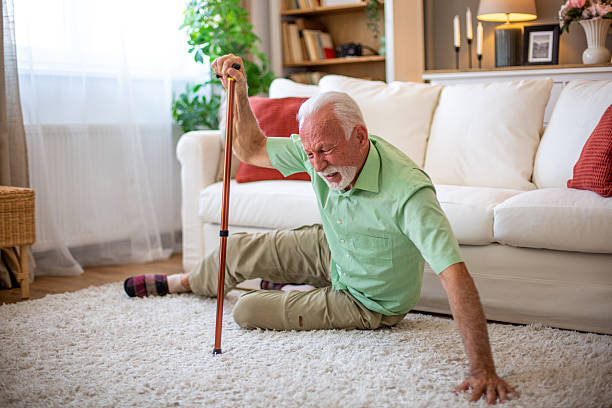
Every year, more than one in four adults aged 65 and older experiences a fall. Yet fewer than half of those who fall ever tell their doctor what happened. Falls are not a normal part of aging, but their consequences can reshape an older adult’s entire life in a matter of seconds. They are the leading cause of injury death in seniors and the top reason for non-fatal injuries, emergency room visits, and hospitalizations in this age group. A single fall can set off a chain reaction: physical injury, fear, reduced mobility, and loss of independence.
This guide breaks down the full impact of falls on older adults, from risk factors and common injuries to long-term consequences and proven prevention strategies. You’ll learn why falls happen, what to watch for, how to respond when a fall occurs, and how to reduce risk through actionable steps at home, with healthcare providers, and through everyday lifestyle choices.
Why Falls Are So Dangerous for Seniors
Age Increases Fall Risk
As people grow older, their bodies undergo changes that make falls more likely and more harmful. Vision, hearing, reflexes, and balance all decline. Muscles weaken, joints stiffen, and recovery slows down. Even minor falls can lead to serious injuries because of fragile bones and chronic health conditions. The risk of falling and suffering harm from it rises significantly after age 65.
One Fall Doubles Future Risk
Falling once makes another fall twice as likely. This is not just due to physical injury; fear, reduced activity, and loss of confidence all play major roles. A dangerous cycle begins: fall, then fear, then inactivity, then weakness, then higher fall risk. Breaking this cycle early is essential to protecting long-term health.
Falls Are Preventable
Despite common belief, falling is not inevitable. Most falls result from treatable or modifiable factors like medication side effects, poor lighting, muscle weakness, or unsafe home environments. With the right interventions, many falls can be avoided entirely.
Common Causes of Falls in Older Adults
Physical and Medical Risk Factors
Certain health conditions significantly increase fall risk by affecting balance, strength, or awareness. Parkinson’s disease impairs movement control and balance. Cognitive impairment reduces awareness of surroundings and safety habits. Stroke survivors often deal with weakness or coordination issues that make movement unpredictable.
Sensory decline also plays a major role. Impaired vision makes it hard to see obstacles or judge depth. Hearing loss affects spatial awareness and balance. Older adults also need brighter lighting to see clearly, which is why dim rooms become dangerous.
Cardiovascular issues can trigger sudden falls. Low blood pressure can cause dizziness or fainting when standing. Heart rhythm problems like bradycardia may lead to sudden collapse. Reduced blood flow to the brain also increases fall risk.
Medications That Increase Fall Risk
Many commonly prescribed drugs affect balance, alertness, or blood pressure. High-risk medication categories include:
- Opioid painkillers: cause drowsiness and dizziness
- Antianxiety drugs and sedatives: impair coordination and reaction time
- Antidepressants: some types increase fall risk, especially in early use
- Antihypertensives and diuretics: can lower blood pressure too much or cause frequent urination
- Heart medications: may slow heart rate or affect fluid balance
Bring all prescriptions and over-the-counter drugs to your doctor for review. Watch for side effects like dizziness, confusion, or unsteadiness. Avoid combining multiple medications that affect the central nervous system.
Sarcopenia: Muscle Loss and Weakness
Sarcopenia is the age-related loss of muscle mass, strength, and function. It affects mobility and stability in serious ways. Signs include difficulty standing from a chair without using arms, slower walking speed, trouble climbing stairs, and frequent fatigue.
Contributing factors include lack of physical activity, poor nutrition (especially low protein intake), and chronic diseases like diabetes or heart failure. Regular strength training and proper nutrition can slow or even reverse sarcopenia.
Environmental Hazards at Home

Most falls happen indoors, often in familiar spaces where hazards go unnoticed. Top danger zones include:
- Bathrooms: wet floors, no grab bars, slippery tubs
- Stairs: poor lighting, missing handrails, uneven steps
- Bedrooms: getting up at night without a clear path or nightlight
- Kitchens: reaching for high shelves, cluttered floors
Common trip triggers include loose rugs or cords in walkways, cluttered hallways, poor lighting, and pets or pet supplies underfoot. Simple modifications can dramatically reduce risk.
Types of Injuries From Falls
Minor Injuries That Still Matter
Even without broken bones, falls can cause pain and limit activity. Common soft-tissue injuries include bruises (especially on hips, arms, and legs), sprains from ligament damage, strains affecting muscles or tendons, and cuts or scrapes. These may seem minor, but they can discourage movement and feed into the inactivity cycle.
Bone Fractures: The Most Serious Risk
Falls are the leading cause of fractures in older adults. The most common fracture sites include:
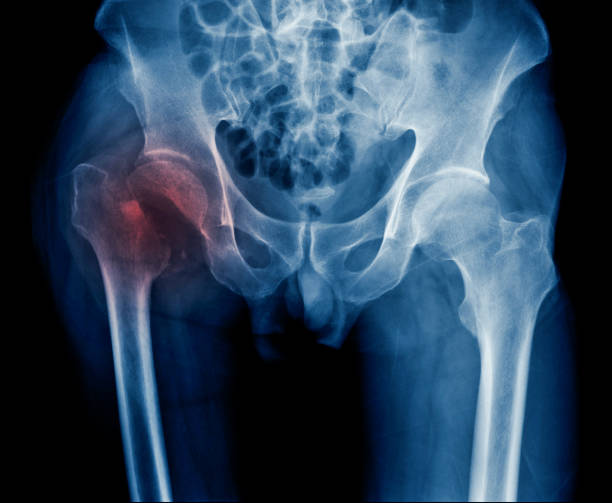
- Hip fractures: nearly all caused by falls, with over 319,000 seniors hospitalized annually
- Wrist and arm fractures: often from trying to break a fall with outstretched hands
- Ankle and leg fractures: especially in those with osteoporosis
Recovery from fractures is challenging. Hip fracture patients often require surgery, hospitalization, and rehabilitation. About half lose the ability to walk independently afterward, and many never return to their pre-fall function.
Traumatic Brain Injuries (TBI)
Falls are the number one cause of traumatic brain injuries in seniors. Even a minor bump can cause bleeding in the brain, such as a subdural hematoma. Symptoms may be delayed, with confusion, headache, nausea, or drowsiness appearing hours or even days later. Blood thinners like warfarin increase the risk of severe bleeding.
Seek immediate care for any head impact during a fall, any loss of consciousness even if brief, or any signs of confusion, slurred speech, or vision changes. An older adult who hits their head should see a doctor right away, even if they feel fine.
The Hidden Impact: Fear and Loss of Independence
Fear of Falling Is Common and Harmful
Many seniors fear falling even if they have never fallen. After a fall, this fear intensifies and starts to control daily life. Common effects include avoiding walks, errands, or social events, stopping exercise due to safety concerns, and relying more on others for basic tasks. This fear becomes a self-fulfilling prophecy: less activity leads to weakness, which increases fall risk.
The Inactivity Cycle Explained
The cycle follows a predictable pattern:
- A fall occurs and the person becomes afraid
- They reduce activity, causing muscles to weaken and balance to decline
- Increased weakness raises the chance of the next fall
- The cycle repeats, leading to rapid physical decline
Breaking this cycle requires early intervention with physical therapy and confidence-building activities.
Loss of Independence and Quality of Life
Falls often lead to major life changes. Many older adults find they need help with daily tasks like dressing, bathing, and cooking. Some must move to assisted living or nursing homes. Social isolation frequently follows reduced mobility, and depression often accompanies the loss of autonomy. A fall does not just injure the body; it can reshape a person’s entire life.
What Happens After a Fall: Medical Response
Why Reporting Falls Matters
Less than half of older adults tell their doctor about a fall. But every fall is a warning sign. Reasons people stay silent include believing falling is just part of getting older, fearing loss of independence or placement in a nursing home, and feeling embarrassed. Doctors can identify causes and prevent future falls, but only if they know a fall happened.
What Doctors Look For
A fall evaluation helps uncover hidden risks. Key steps include reviewing medical history (what the person was doing, any dizziness, current medications), conducting a physical exam (balance, strength, gait, joint movement), and performing functional tests (standing from a chair, walking safely, stepping up).
Diagnostic tests may be needed in some cases. An ECG or Holter monitor checks heart rhythm. Blood tests look for anemia, electrolyte imbalances, or vitamin D deficiency. Imaging such as CT or MRI is used if head injury or neurological symptoms are suspected. Annual checkups should include fall risk screening.
Proven Ways to Prevent Falls
Exercise That Builds Strength and Balance
Physical activity is one of the most effective fall prevention tools available. The best types of exercise include:
- Strength training: improves leg power and stability through exercises like squats and resistance bands
- Balance exercises: standing on one leg, heel-to-toe walking
- Tai Chi: proven to reduce fall risk by improving coordination and confidence
Aim for 150 minutes per week of moderate activity. Include balance and strength training at least three days per week. Programs like Go4Life from the National Institutes of Health or local senior center classes offer structured options. Even small increases in activity make a meaningful difference.
Medication Review: A Critical Step
Many falls are linked to medication side effects. Bring all medications, including prescription, over-the-counter, and supplements, to your doctor. Ask whether any of them could cause dizziness or drowsiness. Request alternatives if high-risk drugs are being used. Regular medication reviews can cut fall risk significantly.
Vision and Hearing Checks
Sensory health directly affects balance and awareness. Get vision tested every year and update eyeglass prescriptions. Avoid bifocals if they distort depth perception. Use adequate lighting at home. Address hearing loss because untreated hearing issues increase fall risk by 30%.
Use Assistive Devices Correctly
Canes and walkers help, but only if used properly. Get a professional fitting from a doctor or physical therapist. The cane should be on the opposite side of the weaker leg. Ensure the height is correct so the elbow bends slightly when holding the handle. Check wheels, tips, and stability regularly. Using the right device can prevent falls and boost confidence.
Wear Safe Footwear
Shoes matter more than many realize. Wear shoes with non-slip soles and good support. Choose low heels and a secure fit, avoiding flip-flops. Do not walk in socks or slippers on hard floors. During checkups, ask your doctor to assess foot pain and shoe fit.
Make Your Home Fall-Proof: Room-by-Room Guide
All Rooms: Universal Safety Upgrades
Start with basic improvements throughout the house. Install motion-sensor or touch lights, remove cords and loose rugs from walkways, clear clutter from hallways and stairs, arrange furniture for wide clear paths, and keep frequently used items within easy reach.
Bathroom: Highest Risk Area
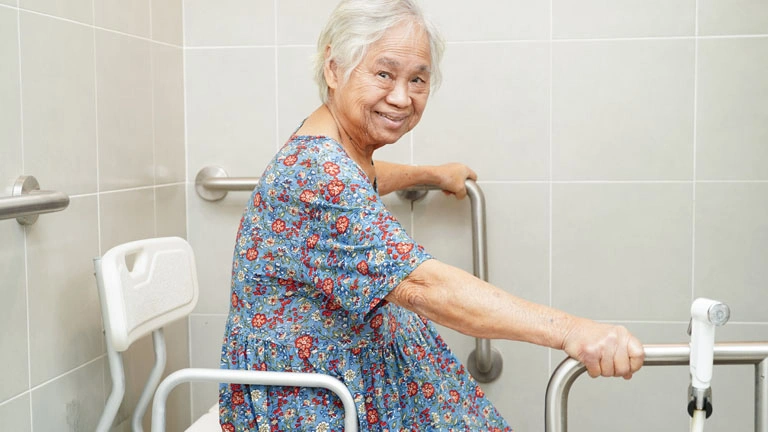
Over 80% of home falls happen in bathrooms. Must-have safety features include:
- Grab bars near the toilet and in the shower (not towel bars)
- Nonslip mats in the tub and on the floor
- A raised toilet seat or commode
- A shower chair or bench
- A night-light for nighttime trips
Avoid using bath oils because they make surfaces slippery.
Stairs: Lighting and Support
Stairs require special attention. Install handrails on both sides. Ensure bright lighting at the top and bottom. Use non-slip treads or carpeting. Mark edges with bright tape for visibility. Keep steps free of clutter. Outdoor steps should be cleared of ice and puddles.
Bedroom and Living Areas
Nighttime falls are common, so prepare for darkness. Keep a phone and light within reach. Use a night-light to guide the path to the bathroom. Wear slippers with grip if getting up at night.
In the living room, choose chairs with armrests for easier standing. Secure rugs with non-slip backing. Keep pet gear and toys out of walkways.
Protect Bones and Reduce Injury Severity
Strengthen Bones to Prevent Fractures
Healthy bones will not stop a fall, but they can prevent breaks. Get 1,000 to 1,200 mg of calcium daily through diet or supplements. Take vitamin D (800 to 1,000 IU per day) to aid calcium absorption. Stay active because weight-bearing exercise strengthens bones.
Manage Osteoporosis
Osteoporosis makes bones brittle and fracture-prone. If you have osteoporosis, take prescribed medications like bisphosphonates, prevent falls aggressively because minor falls can cause major fractures, and talk to your doctor about bone density testing.
Consider Hip Protectors
Hip protectors are padded undergarments that reduce hip fracture risk. They are effective in nursing homes and care facilities but less practical for independent seniors at home. They may help high-risk individuals with prior falls or osteoporosis. They are not a substitute for fall prevention, but they can add a layer of protection.
What to Do If You Fall
Stay Calm and Assess
Panic makes things worse. Take deep breaths to stay calm, stay still for a few moments to recover, and check for pain or injury.
If You Can’t Get Up
Do not rush. Use a safe method to rise:
- Roll onto your stomach
- Crawl to a sturdy chair or sofa
- Position hands on the seat
- Pull yourself up onto hands and knees
- Slowly bring one foot forward, then the other
- Use the furniture to push yourself to stand
Practice this with a therapist if you are at high risk.
Call for Help When Needed
Never hesitate to get assistance. Keep a charged phone within reach at all times. Wear a medical alert device such as a necklace or wristband. Program emergency contacts into speed dial. If you are injured, confused, or cannot get up, call 911.
Take Control: A Proactive Approach to Fall Prevention
Combine Prevention and Protection
Experts recommend a two-part strategy. First, prevent falls through exercise, home safety, and medical management. Second, reduce injury severity with strong bones, hip protectors, and quick response plans. This dual approach maximizes independence and safety.
Talk to Your Doctor, Even Without a Fall
Fall risk screening should be part of every senior’s care. Questions to ask include: “Am I at risk for falling?” “Could my medications increase my fall risk?” “Should I see a physical therapist?” and “Do I need a bone density test?” Use the CDC’s Stopping Elderly Accidents, Deaths and Injuries (STEADI) toolkit to guide the conversation.
Use Free and Low-Cost Resources
Many organizations offer support. The CDC provides the STEADI program and self-assessment tools. The National Council on Aging (NCOA) offers fall prevention programs and classes. Area Agencies on Aging run local exercise and safety programs. Rebuilding Together provides home modification assistance. Take advantage of community-based support to stay safe and active.
Frequently Asked Questions About Falls in the Elderly
What are the most common injuries from falls in elderly adults?
The most common injuries include bruises, sprains, strains, and broken bones, particularly hip, wrist, and arm fractures. Falls are also the leading cause of traumatic brain injuries in seniors. Even minor injuries can limit activity and contribute to long-term decline.
Why are falls so dangerous for older adults?
Falls are dangerous because older adults have slower reflexes, weaker muscles, fragile bones, and slower recovery times. A single fall can lead to hospitalization, surgery, loss of independence, or even death. Falls are the leading cause of injury death in adults aged 65 and older.
How can I prevent falls at home?
Start by removing hazards like loose rugs, cords, and clutter. Install grab bars in bathrooms, add night-lights, secure handrails on stairs, and improve lighting throughout the house. Wear non-slip shoes and keep frequently used items within easy reach to avoid overreaching or rushing.
Do falls cause fear even when no injury occurs?
Yes. Fear of falling is common even without injury and often leads to reduced activity, social withdrawal, and loss of confidence. This fear can trigger a cycle of weakness and increased fall risk. Staying active with appropriate exercises can help break this cycle.
When should an older adult see a doctor after a fall?
An older adult should see a doctor after any fall, especially if they hit their head, feel dizzy, have pain, or cannot get up without help. Head injuries require immediate attention because symptoms of serious bleeding may be delayed. Even a fall without injury should be reported to help identify hidden risk factors.
What exercises help prevent falls in seniors?
Strength training, balance exercises, and Tai Chi are highly effective. Aim for 150 minutes of moderate activity per week, including balance and strength work at least three days weekly. Programs like Tai Chi and Go4Life from the NIH are excellent starting points.
Final Thoughts on Protecting Seniors From Falls
Falls are a serious threat to older adults, but they are not inevitable. With awareness, action, and support, most falls can be prevented and their impact minimized. By addressing medical risks, improving home safety, staying active, and speaking openly with healthcare providers, seniors can protect their health, independence, and quality of life.
Start today: assess your risk, make one change, and keep moving forward safely. Whether it is removing a loose rug, scheduling a medication review, or joining a Tai Chi class, every small step matters. The goal is not just to live longer, but to live well, with confidence, mobility, and dignity intact.