Poor sleep affects millions of older adults, yet it remains one of the most overlooked aspects of healthy aging. Many seniors accept restless nights as a normal part of getting older, but the truth is that quality sleep is still achievable at any age. Learning how to improve sleep for elderly individuals involves a combination of routine adjustments, environmental changes, and proper health management. Small, consistent efforts can lead to deeper, more restorative sleep without heavy reliance on medications.
This guide walks you through practical, evidence-informed strategies that address the unique sleep challenges older adults face. You’ll discover how to build better daily habits, create a calming sleep space, and recognize when professional help is needed.
Adjust Daily Routines for Better Sleep
Consistency is the foundation of healthy sleep, especially as the body’s internal clock becomes more sensitive with age.
Maintain a Fixed Wake-Up Schedule
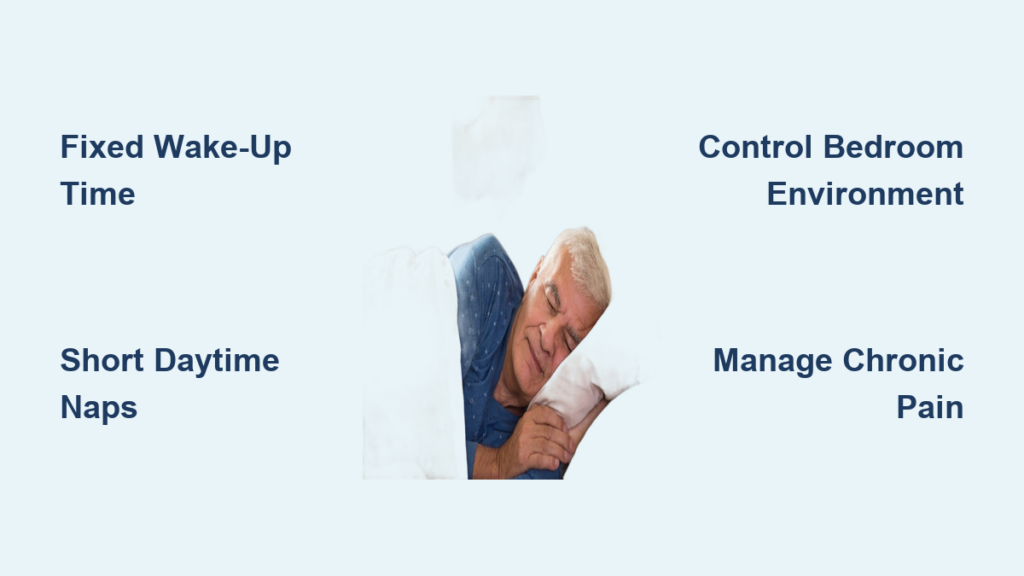
Rising at the same time every day trains your circadian rhythm to function smoothly. This includes weekends, when shifting your wake-up time can confuse your body’s natural cycle. Avoid the temptation to snooze, as repeated interruptions prevent your body from fully waking and can carry over into nighttime restlessness.
Keep Naps Short and Early
A brief nap can refresh an older adult, but long or late naps often backfire. Limit daytime sleep to 30 minutes and finish napping before 3 p.m. This prevents deep sleep that leaves you groggy and protects your ability to fall asleep later that night.
Get Plenty of Natural Light
Sunlight helps regulate melatonin, the hormone that controls sleep timing. Aim for at least 30 minutes of outdoor light exposure daily, ideally in the morning. If going outside is difficult, sit by a sunny window or invest in a light therapy box to mimic natural daylight.
Build a Bedroom That Promotes Sleep

The right environment can dramatically reduce nighttime awakenings and physical discomfort during sleep.
Control Temperature, Light, and Noise
Keep your bedroom between 60–67°F (15–19°C), a range most experts recommend for optimal sleep. Use blackout curtains to block outside light, and consider earplugs or a white noise machine to mask disruptive sounds. These adjustments help your brain recognize the bedroom as a place for uninterrupted rest.
Choose the Right Mattress and Pillows
A supportive mattress reduces pressure on joints and the spine, which matters more as age-related pain becomes common. Look for one that balances softness with proper support. Pillows should keep your neck aligned with your spine, and adjustable beds can help those with reflux, breathing issues, or limited mobility.
Make Nighttime Navigation Safe
Falls during nighttime bathroom trips are a serious risk for older adults. Place nightlights along the path from bed to bathroom, remove tripping hazards, and consider a bedside commode if mobility is severely limited. Feeling safe at night reduces anxiety and helps you fall back asleep faster.
Address Health Issues That Disrupt Sleep
Medical conditions often play a major role in poor sleep among seniors, and treating them is essential for lasting improvement.
Manage Chronic Pain
Conditions like arthritis, neuropathy, and back pain can make it nearly impossible to sleep comfortably. Talk to your doctor about pain management strategies, which may include medication timing adjustments, physical therapy, or gentle evening stretches. A warm bath before bed can also relax stiff muscles and joints.
Reduce Nighttime Urination
Frequent bathroom trips are a leading cause of sleep loss in older adults. Cut back on fluids in the two hours before bed, and avoid caffeine and alcohol, which increase urine production. Elevating your legs during the afternoon can help reduce fluid buildup that leads to nighttime urges. If the problem persists, consult a doctor to check for prostate issues, diabetes, or medication side effects.
Treat Sleep Apnea and Breathing Problems
Loud snoring, gasping for air, or extreme daytime fatigue may point to sleep apnea. This condition is more common in older adults and raises the risk of heart problems if untreated. A CPAP machine or custom oral device, prescribed by a sleep specialist, can restore proper breathing and dramatically improve sleep quality.
Review Medications With Your Doctor

Drug interactions and side effects are an underappreciated cause of sleep problems in seniors.
Watch for Sleep-Disrupting Drugs
Common medications for blood pressure, depression, asthma, and colds can interfere with sleep. Diuretics may increase nighttime urination, while beta-blockers and corticosteroids can cause insomnia. Ask your doctor whether adjusting the timing or type of medication could help.
Use Melatonin Carefully
Melatonin supplements can help reset a disrupted sleep-wake cycle, particularly in older adults whose natural melatonin production has declined. Start with a low dose of 0.5 to 3 mg, taken about 30 minutes before bed, and only under medical guidance to avoid side effects or interactions with other drugs.
Avoid Long-Term Sleeping Pills
Prescription sleep medications may seem like a quick fix, but they carry serious risks for older adults, including falls, memory issues, and dependency. Instead, ask your doctor about Cognitive Behavioral Therapy for Insomnia (CBT-I), which offers long-lasting results without the dangers of sedatives.
Develop a Calming Bedtime Ritual
What you do in the hour before bed sets the tone for the quality of sleep that follows.
Stick to a Predictable Routine
Going to bed at the same time each night helps your body anticipate sleep. Spend the last hour doing quiet, soothing activities such as reading, gentle stretching, or listening to soft music. Avoid stressful tasks like balancing a checkbook or watching intense news.
Reduce Screen Exposure
Phones, tablets, and TVs emit blue light that blocks melatonin production. Turn off screens at least one hour before bed, or use night mode settings and blue-light-blocking glasses if you must look at a device. This small change can make falling asleep noticeably easier.
Practice Relaxation Techniques
Breathing exercises, progressive muscle relaxation, and guided meditation calm a racing mind and ease physical tension. Many free apps and audio programs walk you through these methods, making them simple to incorporate even for beginners.
Stay Active During the Day

Physical and mental engagement during waking hours strongly influences sleep quality at night.
Exercise at the Right Time
Aim for 30 minutes of moderate activity most days, such as walking, swimming, or chair yoga. Morning or early afternoon workouts are best, as exercising too late can leave you too energized to fall asleep. Finish intense activity at least three hours before bed.
Stay Socially and Mentally Engaged
Loneliness and boredom can lead to daytime napping and restless nights. Connect with friends and family, join a local senior group, or take up mentally stimulating hobbies like puzzles, crafts, or gardening. A fulfilling day often leads to a more restful night.
Know When to Seek Professional Help
Sometimes lifestyle changes alone aren’t enough, and medical guidance becomes necessary.
Recognize Chronic Insomnia
If you struggle to fall asleep, wake often during the night, or rise too early at least three nights a week for more than three months, you may have chronic insomnia. This condition responds well to treatment, especially when addressed early.
Ask About a Sleep Study
When sleep apnea, restless legs, or unusual behaviors during sleep are suspected, a sleep study can provide clear answers. Many studies are now available as home-based tests using portable monitors, making diagnosis more convenient than ever.
Consider Cognitive Behavioral Therapy for Insomnia
CBT-I is widely regarded as the most effective long-term treatment for insomnia in older adults. It helps you identify and change thoughts and behaviors that interfere with sleep, and many therapists now offer sessions through telehealth platforms.
Frequently Asked Questions About Sleep for Elderly
What is the most common cause of sleep problems in older adults?
The most common causes include health conditions like sleep apnea, chronic pain, and frequent nighttime urination, along with medication side effects and changes in the body’s internal clock. Lifestyle factors such as irregular routines and poor sleep environments also play a significant role.
How many hours of sleep do seniors actually need?
Most older adults need between 7 and 8 hours of sleep per night, similar to younger adults. The difference is that seniors often experience lighter sleep and more frequent awakenings, even when they spend enough total time in bed.
Is melatonin safe for elderly people?
Melatonin can be safe for older adults when used at low doses and under medical supervision. Because melatonin production naturally decreases with age, supplementation may help reset sleep patterns, but it can interact with blood thinners and other medications.
What is the best natural sleep aid for seniors?
Lifestyle changes are the safest and most effective long-term solution. Consistent sleep schedules, daytime light exposure, regular exercise, and a calming bedtime routine often work better than any supplement. CBT-I is also considered a first-line treatment for chronic insomnia.
Should seniors take naps during the day?
Short naps of 20 to 30 minutes taken before 3 p.m. can be beneficial for older adults. Longer or later naps tend to interfere with nighttime sleep and should be avoided when possible.
When should an elderly person see a doctor about sleep issues?
A doctor should be consulted if sleep problems persist for more than a few weeks, significantly affect daily functioning, or include symptoms like loud snoring, gasping for air, or frequent confusion at night. These may signal treatable medical conditions.
Final Thoughts on Improving Sleep for Elderly Adults
Better sleep in older age is not about finding a single magic solution, but about building a collection of healthy habits that work together. The most effective steps include maintaining a consistent daily routine, creating a comfortable and safe sleep environment, managing underlying health conditions, and seeking professional help when needed. Avoiding long-term reliance on sleeping pills protects both physical and cognitive health.
Start with one or two small changes this week, such as setting a fixed wake-up time or reducing evening screen use, and gradually add more as they become habits. Restful sleep is achievable at any age, and the effort you put in now will pay off in better energy, mood, and overall health.