
Constant exhaustion in older adults often points to deeper issues that deserve attention. Why are elderly people so tired? The answer goes beyond “normal aging.” Medical conditions like anemia, thyroid disorders, and Parkinson’s disease frequently cause fatigue in seniors. Emotional stress, poor sleep quality, and certain lifestyle habits also drain energy. The encouraging news is that most causes of fatigue are treatable once identified. This article explores the real reasons behind senior fatigue, warning signs to watch for, and practical strategies to restore energy and improve daily living.
Common Medical Causes of Fatigue in Seniors
Several health conditions common in older adults directly trigger or worsen fatigue. These conditions serve as signals that your body needs medical attention.
Anemia and Persistent Low Energy
Anemia develops when your blood cannot carry enough oxygen due to low red blood cell counts or hemoglobin levels. This condition frequently causes fatigue in seniors yet often goes undiagnosed. Common symptoms include weakness, pale skin, dizziness, and shortness of breath. Iron deficiency, chronic illness, or inadequate nutrition can all lead to anemia. A simple blood test confirms the diagnosis, and treatment options include dietary improvements, supplements, or addressing the underlying condition.
Thyroid Disorders and Metabolic Slowdown
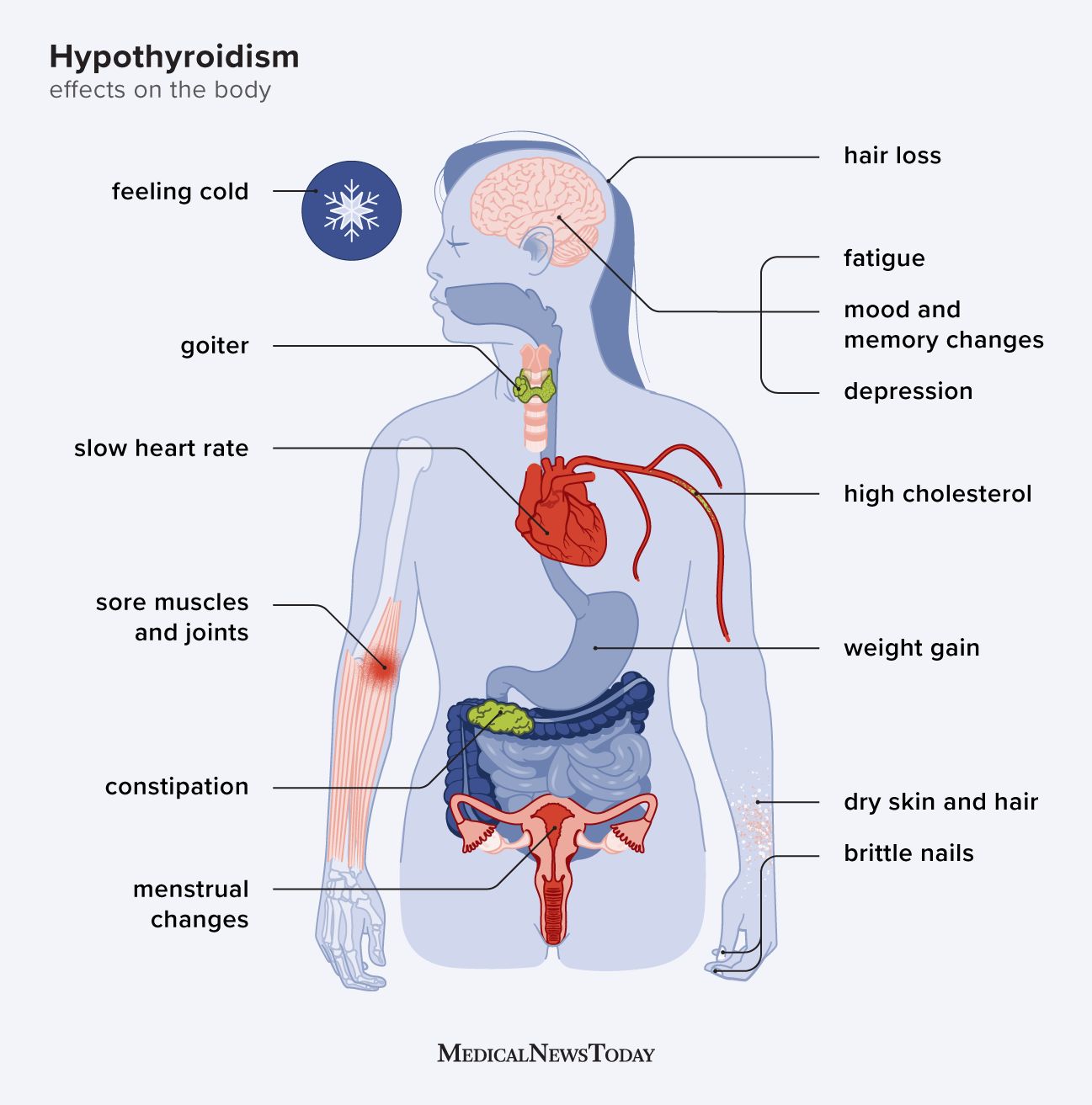
An underactive thyroid, known as hypothyroidism, slows your metabolism significantly. This slowdown causes constant tiredness, unexplained weight gain, cold sensitivity, and depressive feelings. Many people miss this condition because symptoms closely resemble normal aging. Blood tests measuring thyroid function provide clear answers, and most patients respond well to daily hormone replacement therapy.
Heart and Lung Conditions That Drain Energy
Heart failure, coronary artery disease, and chronic obstructive pulmonary disease (COPD) all reduce oxygen delivery throughout your body. Even minor physical exertion can leave seniors feeling completely exhausted. Breathing difficulties during routine activities like walking or getting dressed require prompt medical evaluation. While these conditions need professional management, proper treatment can stabilize symptoms and restore energy.
Parkinson’s Disease and Debilitating Fatigue
Fatigue ranks among the most common non-movement symptoms of Parkinson’s disease and frequently appears in early stages. This exhaustion goes beyond simple muscle weakness. It creates a deep, unrelenting tiredness that rest does not relieve. Parkinson’s affects brain chemistry and disrupts sleep patterns, contributing to this overwhelming sensation. Discussing symptoms with your doctor allows for medication adjustments or supportive therapies that can provide meaningful relief.
Diabetes and Unstable Blood Sugar
Uncontrolled diabetes drains energy because your cells cannot properly use glucose for fuel. High blood sugar prevents cells from receiving energy, while low blood sugar from medications causes sudden weakness and shakiness. Seniors managing diabetes should monitor blood sugar levels consistently and collaborate with healthcare providers to balance diet, physical activity, and medication effectively.
Emotional and Mental Health Factors Behind Senior Fatigue
Emotional stress and mental health conditions powerfully influence energy levels in older adults, though their effects often remain hidden.
Depression Masquerading as Fatigue
Depression in seniors does not always present as obvious sadness. Instead, it frequently appears as persistent fatigue, low motivation, sleep disturbances, or withdrawal from daily activities. Many older adults dismiss these signs as inevitable parts of aging, but depression responds well to treatment. Professional therapy, appropriate medications, and strong social support can dramatically improve both energy and mood.
Anxiety’s Silent Energy Drain
Worrying about health concerns, financial security, or losing independence keeps your body in a constant state of high alert. This chronic stress burns through energy reserves and disrupts restorative sleep. Physical symptoms like muscle tension, restlessness, and difficulty concentrating all worsen feelings of tiredness. Techniques such as deep breathing exercises, meditation practices, or cognitive behavioral therapy can effectively reduce anxiety and restore restful sleep patterns.
Grief and the Physical Weight of Loss
Losing a spouse, close friends, or personal independence creates profound emotional exhaustion. Grief affects your body physically, not just emotionally. Seniors experiencing grief may sleep excessively or struggle with insomnia, lose their appetite, and feel too drained to participate in activities they once enjoyed. Allowing yourself adequate time to grieve while seeking support from counselors or peer groups helps rebuild energy over time.
Sleep Problems That Sabotage Senior Energy
Even with more available time for rest, many older adults struggle to achieve quality sleep, resulting in persistent daytime fatigue.
Insomnia and Nighttime Disruption
Insomnia affects nearly half of all adults over 65. Underlying causes include chronic pain, medication side effects, frequent nighttime urination, or shifts in circadian rhythms. Lying awake for hours or waking far too early leads to overwhelming daytime exhaustion. Avoiding screens before bedtime, maintaining consistent sleep and wake times, and limiting evening fluid intake often improve sleep quality. Persistent insomnia warrants a conversation with your healthcare provider rather than acceptance as normal.
Sleep Apnea and Breathing Interruptions
Sleep apnea causes repeated pauses in breathing throughout the night, reducing oxygen levels and fragmenting sleep into unrestorative pieces. Loud snoring, gasping sounds, and excessive daytime sleepiness signal this condition. Untreated sleep apnea increases cardiovascular risks while worsening fatigue significantly. A professional sleep study confirms the diagnosis, and CPAP therapy frequently delivers remarkable results.
How Medications Disrupt Sleep
Many common prescriptions, including beta-blockers, diuretics, and certain antidepressants, interfere with natural sleep patterns or cause unwanted drowsiness. Diuretics particularly increase nighttime bathroom visits that fragment sleep. Regularly reviewing all medications with your doctor allows for timing adjustments or alternative prescriptions that support better sleep and higher daytime energy.
Chronic Fatigue Syndrome (ME/CFS) in Older Adults
When exhaustion persists for six months or longer without an identifiable cause, myalgic encephalomyelitis/chronic fatigue syndrome (ME/CFS) may be the explanation.
Recognizing ME/CFS Symptoms
ME/CFS produces severe fatigue that rest does not relieve. Additional warning signs include:
– Difficulty concentrating or “brain fog”
– Sleep that leaves you feeling unrefreshed
– Dizziness upon standing
– Recurring sore throat
– Tender lymph nodes
– Worsening symptoms following physical or mental exertion
While ME/CFS more commonly affects middle-aged individuals, older adults can develop this condition as well. Diagnosis requires ruling out other potential causes first. Management strategies center on activity pacing, consistent sleep hygiene, and targeted symptom relief.
Lifestyle Habits That Intensify Fatigue

Daily habits significantly influence energy levels, sometimes creating tiredness even without underlying medical conditions.
Poor Nutrition and Hidden Deficiencies
Skipping meals, consuming processed foods, or lacking sufficient protein and vitamins consistently lowers energy. Common deficiencies affecting seniors include:
– Vitamin B12: Essential for nerve function and red blood cell production
– Vitamin D: Linked to muscle weakness and persistent tiredness
– Iron: Low levels trigger anemia and exhaustion
Eating balanced meals featuring fruits, vegetables, lean proteins, and whole grains maintains steady energy throughout the day. Blood testing can identify specific nutritional gaps.
Insufficient Physical Activity
Remaining inactive actually worsens fatigue rather than conserving energy. Without regular movement, muscles weaken, circulation slows, and overall energy declines. Just 20 to 30 minutes of daily walking builds stamina, improves sleep quality, and elevates mood. Starting with shorter sessions and gradually increasing duration provides benefits without overwhelming your body.
Excessive Caffeine or Alcohol Consumption
Caffeine consumed late in the day disrupts sleep onset and quality. Alcohol may initially feel sedating but ultimately reduces sleep quality and triggers nighttime awakenings. Both substances contribute to daytime fatigue. Limiting caffeine intake after noon and avoiding alcohol close to bedtime supports more restorative rest.
Long or Frequent Daytime Naps
Napping beyond 20 to 30 minutes, particularly in late afternoon or evening, interferes with nighttime sleep. When you do nap, keep sessions short and early in the day. Constant tiredness throughout the day may indicate an underlying issue that daytime naps simply mask rather than solve.
When Fatigue Requires Medical Evaluation
Fatigue lasting more than two to three weeks without clear explanation deserves professional assessment.
Warning Signs Requiring Prompt Attention
Contact a healthcare provider if fatigue accompanies:
– Unexplained weight loss
– Persistent sadness or feelings of hopelessness
– Shortness of breath while at rest
– Chest pain or discomfort
– High fever
– Confusion or memory difficulties
These combinations may indicate serious conditions requiring immediate intervention.
What Happens During Your Medical Visit
Your healthcare provider will:
– Ask detailed questions about sleep patterns, diet, mood, and daily activities
– Conduct a thorough physical examination
– Order blood tests checking for anemia, thyroid function, diabetes, and infections
– Review all current medications and supplements
Being open about how fatigue impacts your daily life helps your provider identify causes more quickly. Bringing a complete medication list ensures nothing gets overlooked during the evaluation.
Natural Strategies to Restore Energy Levels
Small, consistent lifestyle adjustments create meaningful improvements in how you feel day to day.
Maintain Consistent Sleep Patterns
Going to bed and waking at the same time every day, including weekends, regulates your body’s internal clock. Establishing a calming pre-sleep routine, such as reading, gentle stretching, or listening to soft music, signals your body that rest is coming.
Incorporate Daily Movement
Physical activity ranks among the most powerful fatigue fighters available. Exercise increases blood circulation, improves mood, and enhances sleep quality. Consider these accessible options:
– Walking at a comfortable pace
– Swimming or water exercises
– Chair yoga for gentle stretching
– Light strength training with resistance bands
Beginning with just 10 minutes and gradually extending duration allows your body to adapt safely.
Practice Effective Stress Management
Chronic stress depletes energy reserves over time. Try incorporating these techniques:
– Deep breathing exercises: Activate your body’s relaxation response
– Meditation: Reduce anxiety while improving mental focus
– Gentle yoga or stretching: Release accumulated muscle tension
– Professional counseling: Address emotional burdens contributing to exhaustion
Long-Term Approaches for Sustained Energy
Preventing chronic fatigue requires ongoing attention to physical health and emotional wellbeing.
Schedule Regular Health Screenings
Annual physical examinations catch conditions like anemia, thyroid disorders, or diabetes before they severely impact energy. Report any new or worsening symptoms to your healthcare provider promptly rather than waiting for scheduled appointments.
Maintain Social Connections
Loneliness and isolation steadily drain mental and emotional energy. Regular conversations with friends, participation in community groups, or volunteering opportunities boost both mood and motivation. Meaningful social interaction serves as fuel for mental and emotional health.
Review Medications Annually
Some prescriptions cause fatigue as an unintended side effect. At least once yearly, review every medication and supplement with your healthcare provider. Ask whether each remains necessary and whether any could be contributing to persistent tiredness.
Frequently Asked Questions About Senior Fatigue
Is feeling tired all the time a normal part of aging?
No, persistent fatigue is not a normal part of aging. While energy levels may shift somewhat with age, constant exhaustion typically indicates an underlying medical condition, emotional stress, poor sleep quality, or lifestyle factors that deserve attention and treatment.
What medical conditions most commonly cause fatigue in elderly people?
Anemia, thyroid disorders (particularly hypothyroidism), heart disease, lung conditions like COPD, Parkinson’s disease, and uncontrolled diabetes rank among the most common medical causes of senior fatigue. Each requires proper diagnosis and targeted treatment.
When should an older adult see a doctor about fatigue?
Schedule a medical appointment if fatigue lasts more than two to three weeks without clear explanation. Immediate evaluation becomes essential when tiredness accompanies unexplained weight loss, chest pain, shortness of breath, persistent sadness, confusion, or high fever.
Can lifestyle changes really help with senior fatigue?
Yes, lifestyle modifications often produce significant energy improvements. Consistent sleep schedules, regular physical activity, balanced nutrition, stress management techniques, and limiting caffeine and alcohol intake all contribute to higher energy levels and better overall wellbeing.
How much sleep do elderly people actually need?
Most older adults need between 7 and 8 hours of sleep nightly, similar to younger adults. However, sleep quality matters as much as quantity. Conditions like sleep apnea and insomnia can prevent seniors from achieving restorative deep sleep even when spending adequate time in bed.
What vitamin deficiencies cause tiredness in older adults?
Vitamin B12 deficiency, low vitamin D levels, and insufficient iron most commonly cause fatigue in seniors. These deficiencies affect red blood cell production, muscle function, and oxygen delivery throughout the body. Blood testing identifies specific gaps, and targeted supplementation or dietary changes typically restore energy.
Key Takeaways for Addressing Senior Fatigue
Persistent exhaustion in older adults deserves serious attention because most underlying causes respond well to proper treatment. Medical conditions like anemia, thyroid problems, heart disease, and Parkinson’s disease frequently cause senior fatigue and require professional diagnosis. Emotional factors including depression, anxiety, and grief also drain energy significantly, yet mental health support can restore vitality. Sleep quality, nutrition, physical activity, and stress management all influence how energetic seniors feel daily.
If you or a loved one experiences constant tiredness lasting more than a few weeks, schedule an appointment with a healthcare provider today. Bringing a complete list of symptoms, medications, and concerns helps your doctor identify causes efficiently and develop an effective treatment plan to restore energy and quality of life.