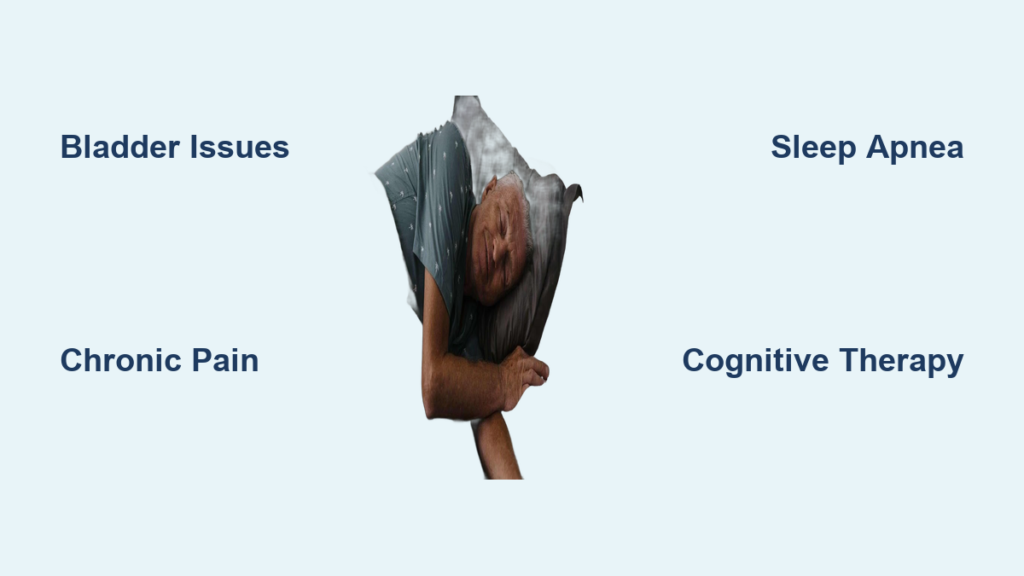
Many older adults find themselves lying awake at night, waking up frequently, or rising far too early despite going to bed at a reasonable hour. If you’re a senior or care for one, you’ve likely asked: why do seniors sleep less? The answer goes beyond simple aging. While total sleep time often remains around 6.5 to 7 hours per night, the quality and continuity of sleep change dramatically with age. Seniors spend less time in deep, restorative sleep, wake up more often, and feel less rested even after seemingly adequate rest.
These shifts come from a mix of biological changes, medical conditions, and lifestyle factors. In this guide, you’ll learn the science behind aging and sleep, the real reasons behind disrupted rest, and practical, safe strategies to improve sleep without relying on medication.
How Aging Changes Sleep Patterns
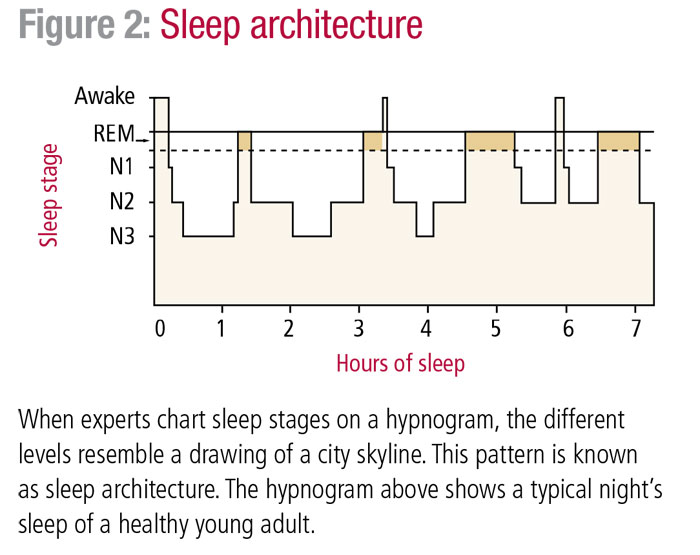
Sleep Architecture Breaks Down
As people age, the brain’s ability to maintain stable, deep sleep declines. The normal sleep cycle still occurs, but its structure becomes fragmented. Older adults cycle through lighter stages more frequently and spend significantly less time in slow-wave sleep, the deep phase critical for physical recovery and memory consolidation. This reduction makes sleep more fragile, increasing the chances of waking from minor disturbances like noise, discomfort, or the need to urinate.
Seniors Wake Up More Often
On average, older adults wake up 3 to 4 times each night, often without realizing it. But unlike younger people who drift back to sleep quickly, seniors are more aware of being awake. This heightened awareness creates the perception of poor sleep, even if total sleep time hasn’t dropped much. The transition between sleep and wakefulness becomes abrupt, contributing to the feeling of being a “light sleeper.” Over time, this pattern leads to frustration, fatigue, and a belief that sleep is slipping away.
Early Morning Awakening Is Common
Many seniors report falling asleep without much trouble, only to wake at 4 or 5 a.m. and find they can’t return to sleep. This shift relates to changes in circadian rhythm, the body’s internal clock. With age, the circadian system tends to advance, meaning seniors feel sleepy earlier in the evening and wake up earlier in the morning. While this isn’t harmful in itself, it becomes a problem when it cuts short total sleep time or disrupts daily functioning.
Top Causes of Nighttime Wakefulness
Bladder Issues Disrupt Sleep
One of the most frequent reasons seniors wake at night is nocturia, the need to urinate multiple times after bedtime. This condition becomes more common with age due to:
– Decreased bladder capacity
– Increased urine production at night
– Underlying medical conditions like prostate enlargement or overactive bladder
Even if the urge isn’t urgent, the act of waking, getting up, and using the bathroom breaks sleep continuity. Each awakening increases the risk of full wakefulness, making it harder to return to sleep.
Chronic Pain Interferes with Rest
Persistent pain from conditions like arthritis, joint pain, or chronic pain syndromes can make it difficult to fall asleep or stay asleep. Discomfort may worsen at night when there are fewer distractions, and changing positions in bed can trigger pain. Respiratory conditions like COPD and cardiovascular conditions can also cause nighttime symptoms such as coughing or shortness of breath. Gastroesophageal reflux disease (GERD) adds another layer of discomfort through heartburn that disrupts rest.
Anxiety and Racing Thoughts
Worry about health, finances, or family can keep seniors mentally alert at night. Anxiety and rumination are common contributors to both trouble falling asleep and middle-of-the-night awakenings. The brain remains in a state of hyperarousal, making relaxation difficult. Over time, this creates a cycle: poor sleep increases anxiety, which further worsens sleep.
Sleep Apnea and Breathing Disorders
Obstructive sleep apnea is underdiagnosed in older adults. It causes repeated pauses in breathing during sleep, leading to frequent micro-awakenings. While the person may not fully remember waking up, these interruptions destroy sleep quality. Symptoms include loud snoring, gasping at night, and excessive daytime sleepiness. Untreated sleep apnea is linked to higher risks of heart disease, stroke, and cognitive decline.
Why Sleep Feels Worse Than It Is
Perception vs. Reality
Many seniors believe they’re sleeping much less than they actually are. Because sleep becomes lighter and more fragmented, they’re more conscious of being awake. This heightened awareness leads to the feeling of “no sleep at all,” even when sleep studies show they’re getting close to 7 hours. The brain doesn’t consolidate sleep as efficiently, so rest feels less refreshing.
Cognitive Effects of Poor Sleep
Even mild sleep disruption can affect mental clarity. Seniors may experience:
– Memory lapses
– Difficulty concentrating
– Slower reaction times
– Confusion and other mental changes
These symptoms are often reversible with improved sleep. However, chronic sleep problems can mimic or worsen conditions like dementia or depression, making it crucial to address sleep first before attributing cognitive changes solely to aging.
Depression and Sleep: A Two-Way Street
Sleep problems and depression are closely linked. Insomnia is a common symptom of depression, but it can also trigger or worsen depressive symptoms. Seniors who wake up early and can’t return to sleep may be showing signs of a depressive disorder. Conversely, untreated depression can make sleep harder to regulate. This bidirectional relationship means both conditions must be evaluated together.
Medication Risks for Senior Sleep
Avoid Most Sleep Medications
While it may be tempting to reach for a pill, sleep medicines should be avoided entirely if possible in older adults. Prescription drugs like zolpidem, zaleplon, eszopiclone, and benzodiazepines carry serious risks:
– Dependence (needing the medicine to function)
– Addiction (compulsive use despite adverse consequences)
– Toxic buildup in the body over time
– Increased fall risk
– Confusion or delirium
These medications may help short-term but are not a long-term solution for seniors.
Antihistamines Aren’t Safer
Sometimes a mild antihistamine works better than a sleeping pill for short-term insomnia. However, most health experts do not recommend these medicines for older people because of similar risks for confusion, falls, and other side effects.
Melatonin: Limited but Safer Option
Melatonin supplements are safe for short-term use in older adults. They may help with falling asleep more quickly and aid recovery from jet lag. However, melatonin does not treat underlying causes of insomnia or significantly increase total sleep time. Always consult a doctor before starting, especially if taking other medications.
Antidepressants for Sleep and Mood
If depression is affecting sleep, certain antidepressants can be very helpful. Some antidepressants do not cause the same side effects as traditional sleep medicines and can treat both mood and sleep at once. These should only be used under medical supervision.
Non-Drug Strategies That Work

Practice the 20-Minute Rule
If you cannot fall asleep after 20 minutes, get out of bed and do a quiet activity like reading or listening to calm music. When you feel sleepy, get back in bed and try again. If you still cannot fall asleep in 20 minutes, repeat the process. This technique helps retrain your brain to associate the bed with sleep, not frustration.
Optimize Sleep Hygiene
Small daily habits make a big difference:
– Go to bed and wake up at the same time every day, even on weekends
– Avoid naps longer than 20 to 30 minutes
– Limit fluids in the evening to reduce nighttime bathroom trips
– Get natural light exposure in the morning to reset your circadian rhythm
Create a Sleep-Friendly Environment
Make your bedroom a sanctuary for rest:
– Keep it cool, quiet, and dark
– Reserve the bed for sleep and intimacy only, with no TV or phone use
Skip Alcohol Before Bed
While alcohol may make you feel sleepy at first, it can cause you to wake up later in the night. It disrupts sleep architecture by reducing REM sleep and causing fragmented rest in the second half of the night. Avoid drinking within several hours of bedtime.
When to See a Doctor
Rule Out Underlying Conditions
Persistent sleep problems should never be dismissed as just part of aging. A healthcare provider can help determine whether:
– Depression or anxiety needs treatment
– Another health condition is contributing to sleep difficulties
– Medications are interfering with sleep quality
Try Cognitive Behavioral Therapy
For insomnia that persists despite other interventions, cognitive behavioral therapy can be very helpful. CBT addresses maladaptive sleep behaviors, unhelpful thoughts about sleep, sleep hygiene, and stimulus control. Unlike medication, CBT offers long-lasting results without side effects.
Frequently Asked Questions About Senior Sleep
How many hours of sleep do seniors actually need?
Most seniors need about 6.5 to 7 hours per night, which is similar to younger adults. The difference is that seniors often spend more time in bed trying to achieve this amount because their sleep is more fragmented.
Is it normal for seniors to wake up multiple times at night?
Yes. On average, older adults wake up 3 to 4 times per night. However, seniors are more aware of these awakenings than younger people, which makes the sleep feel less restful even when total sleep time is adequate.
Can sleep problems in seniors be a sign of depression?
Yes. Sleep problems are a common symptom of depression, and the relationship works both ways. Poor sleep can contribute to depression, and depression can worsen sleep. A healthcare provider should evaluate both issues together.
Are over-the-counter sleep aids safe for older adults?
Most health experts do not recommend antihistamine-based sleep aids for older adults due to risks of confusion, falls, and other side effects. Always consult a healthcare provider before taking any sleep medication.
What is the best treatment for chronic insomnia in seniors?
Cognitive behavioral therapy for insomnia (CBT-I) is considered the gold standard for persistent sleep problems. It addresses unhelpful thoughts and behaviors around sleep and provides lasting results without medication side effects.
Does melatonin actually work for seniors?
Melatonin is safe for short-term use and may help seniors fall asleep faster, especially when circadian rhythms are disrupted. However, it does not increase total sleep time or treat underlying causes of insomnia.
Key Takeaways for Understanding Senior Sleep Changes
Seniors don’t necessarily sleep less, but they sleep differently. The key is not to chase more hours in bed, but to improve sleep quality and continuity. Focus on addressing medical issues that disrupt rest, avoid risky medications, and adopt proven behavioral strategies like the 20-minute rule and consistent sleep hygiene.
If sleep problems persist beyond occasional nights, don’t suffer in silence. Talk to a healthcare provider to rule out underlying conditions and explore safe treatment options. Better sleep is possible at any age, and it starts with understanding why these changes happen and taking action to restore restful nights.