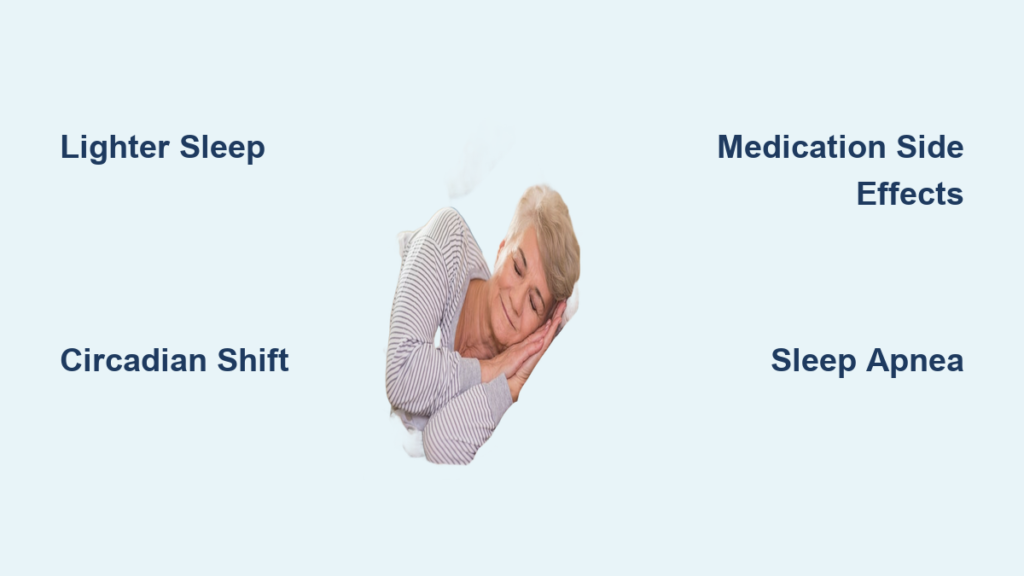
Many older adults find themselves dozing off during afternoon television or resting more often than they did in their younger years. You might wonder if this shift signals a health problem or simply reflects natural aging. Understanding why seniors nap so much can help you distinguish normal changes from warning signs that deserve medical attention.
This guide explores the most common reasons behind increased napping in older adults, from shifts in sleep architecture to medication side effects. You will also learn practical strategies to improve nighttime rest and know when to consult a healthcare provider.
How Aging Changes Sleep Architecture and Daytime Energy

Sleep becomes lighter and more fragmented as people age. Older adults spend less time in deep slow-wave sleep and REM sleep, which are the most restorative stages. This reduction means the body does not fully recover during the night, leaving fatigue that builds throughout the day.
Reduced Deep Sleep and Frequent Night Awakenings
After age 60 or 70, the body produces less growth hormone and melatonin. These hormones regulate deep sleep and the sleep-wake cycle. As levels drop, you may wake up multiple times per night, even if you do not remember doing so.
Cumulative Sleep Debt Triggers Daytime Naps
When nighttime sleep fails to meet the body’s recovery needs, the brain compensates by seeking rest during the day. A 30 to 90 minute nap can temporarily restore alertness. However, long or late-afternoon naps may interfere with the next night’s sleep, creating a cycle of poor rest.
Circadian Rhythm Shifts in Older Adults

The internal body clock that controls when you feel sleepy or alert begins to shift earlier with age. This phenomenon, called advanced sleep phase syndrome, causes seniors to feel tired in the early evening and wake before dawn.
Earlier Bedtimes and Earlier Wake Times
Many older adults naturally fall asleep around 8 or 9 PM and wake at 4 or 5 AM. If you went to bed at midnight in your younger years, this 3 to 4 hour shift can feel disorienting. The early morning hours can feel long, and a nap may feel necessary to bridge the gap.
Misalignment With Social Schedules
Because the body clock shifts earlier, evening activities, late dinners, or social events can feel exhausting. Daytime napping becomes a way to recover from activities that now conflict with your natural rhythm. Aligning your schedule with your body’s signals often reduces nap dependency.
Medications and Health Conditions That Cause Sleepiness
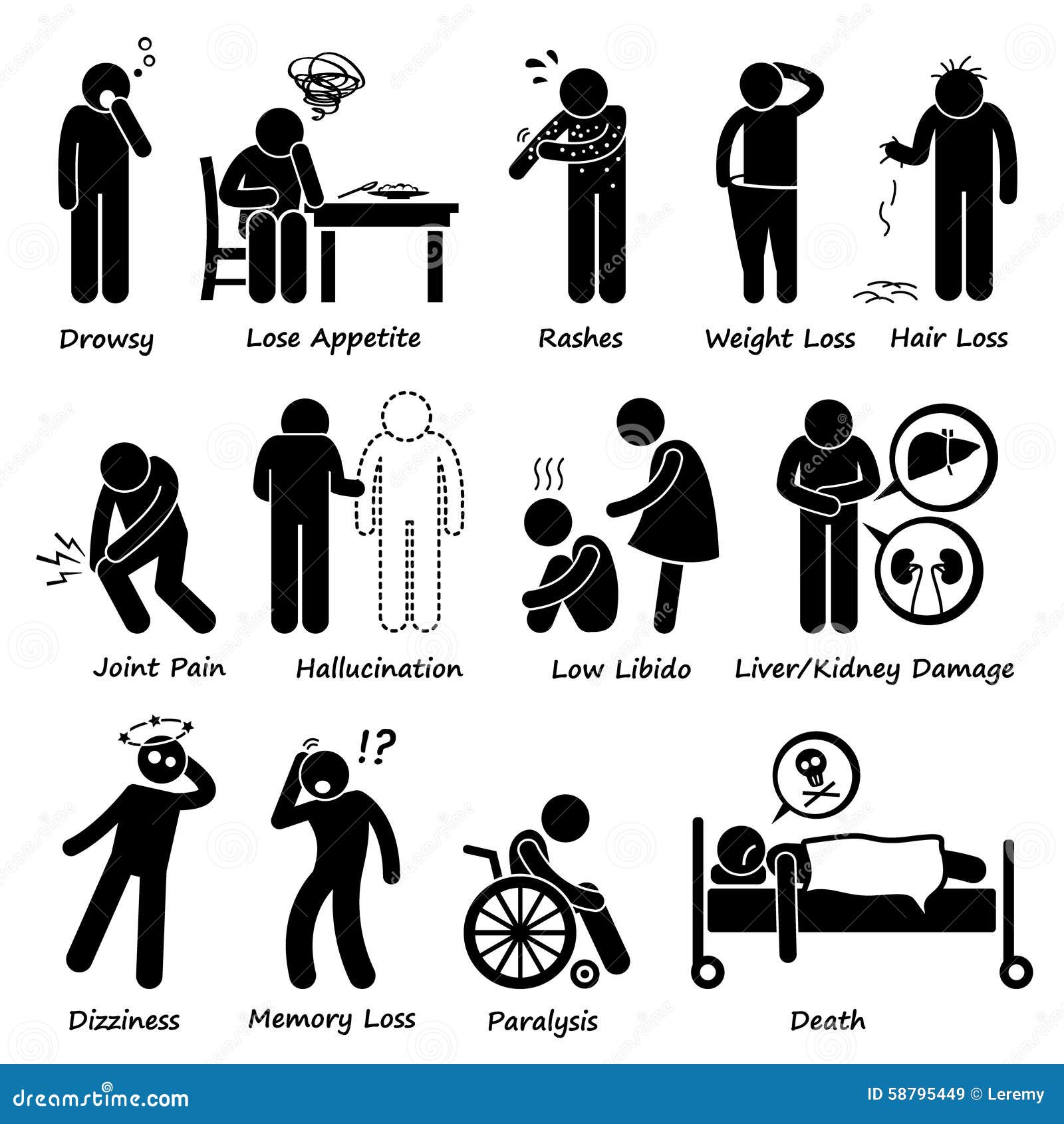
Prescription drugs and chronic illnesses are among the most overlooked reasons why seniors nap so much. Many common medications list drowsiness as a side effect, and several health conditions disrupt sleep quality.
Common Medications That Increase Daytime Sleepiness
Several drug classes frequently cause sedation in older adults:
• Antihistamines such as diphenhydramine, often found in over-the-counter sleep aids
• Blood pressure medications including beta-blockers and diuretics
• Antidepressants, particularly tricyclics and some SSRIs
• Opioid pain relievers and muscle relaxants
• Diabetes medications that can cause blood sugar fluctuations
Review your medication list with a doctor or pharmacist. A simple dosage adjustment or alternative prescription may significantly reduce unwanted drowsiness.
Chronic Conditions Linked to Excessive Napping
Several health issues common in seniors contribute to fatigue:
• Sleep apnea, which causes repeated breathing pauses and fragmented rest
• Heart failure, which reduces oxygen circulation and energy
• Chronic obstructive pulmonary disease, or COPD
• Anemia from iron or B12 deficiency
• Thyroid disorders, both hypothyroidism and hyperthyroidism
• Depression and anxiety, which often present as fatigue in older adults
A thorough medical evaluation can identify whether an underlying condition is driving your need for naps.
Lifestyle Factors That Influence Senior Napping Habits
Daily habits and environment play a larger role than most people realize. Sedentary routines, limited sunlight exposure, and poor sleep hygiene all contribute to daytime drowsiness.
Low Physical Activity and Energy Stagnation
Without regular movement, the body has no reason to feel alert. Sitting for long periods reduces circulation and oxygen flow to the brain. Light exercise such as walking, stretching, or gardening can boost energy and reduce the urge to nap.
Inadequate Sunlight Exposure
Sunlight helps regulate the circadian rhythm by signaling the brain when to be awake. Older adults who spend most of their time indoors, especially in care facilities, often experience disrupted sleep-wake cycles. Aim for at least 30 minutes of natural light exposure each morning.
Caffeine Timing and Dietary Choices
Caffeine consumed after noon can remain active in the body for 6 to 8 hours, disrupting nighttime sleep. Heavy or late dinners can also cause discomfort and poor rest. Shifting caffeine intake to before 2 PM and eating lighter evening meals often improves sleep quality.
When Senior Napping Signals a Serious Problem
Occasional naps are usually harmless, but certain patterns warrant medical attention. Recognizing warning signs can help you address problems before they escalate.
Red Flags That Require Medical Evaluation
Consult a healthcare provider if you experience:
• Napping lasting more than 2 hours multiple times per day
• Sudden increases in sleep need without explanation
• Loud snoring, gasping, or choking during sleep
• Confusion, memory loss, or personality changes
• Loss of interest in activities you once enjoyed
These symptoms may indicate sleep apnea, cognitive decline, depression, or other conditions that benefit from early treatment.
Practical Strategies to Reduce Unwanted Senior Napping

You can take several steps to improve nighttime sleep and reduce daytime fatigue. Small changes often produce meaningful results within a few weeks.
Build a Consistent Sleep Schedule
Go to bed and wake at the same times every day, including weekends. Consistency strengthens your circadian rhythm and makes falling asleep easier. Avoid sleeping in on days after a poor night’s rest, as this can worsen the cycle.
Create a Restful Bedroom Environment
Keep your bedroom cool, dark, and quiet. Use blackout curtains to block early morning light, and consider a white noise machine to mask disruptive sounds. Reserve the bed for sleep and intimacy only, so your brain associates it with rest.
Limit Nap Duration and Timing
If you need to nap, keep it under 30 minutes and schedule it before 2 PM. Short naps restore alertness without entering deep sleep, making it easier to fall asleep at bedtime. Set an alarm to prevent oversleeping.
Stay Active During the Day
Engage in at least 20 to 30 minutes of moderate activity daily. Exercise improves sleep quality, boosts mood, and increases daytime energy. Even short walks can make a noticeable difference in how alert you feel.
Frequently Asked Questions About Senior Napping
Is it normal for elderly people to nap every day?
Yes, daily napping is common among older adults, especially those over 65. Studies suggest that 25 to 50 percent of seniors nap regularly. However, if napping interferes with nighttime sleep or stems from new health issues, it is worth discussing with a doctor.
How long should a senior nap?
The ideal nap length for older adults is 20 to 30 minutes. This duration provides restorative benefits without causing sleep inertia or interfering with nighttime rest. Longer naps can leave you feeling groggy and disrupt your sleep-wake cycle.
Can too much napping be harmful for seniors?
Excessive napping, particularly more than 2 hours per day, has been linked to higher risks of cardiovascular issues, cognitive decline, and mortality in some studies. It may also indicate underlying conditions such as sleep apnea, depression, or medication side effects.
Why do seniors get tired so early in the evening?
The circadian rhythm shifts earlier with age, causing older adults to feel sleepy around 8 or 9 PM. This natural change, called advanced sleep phase syndrome, is common and not usually a cause for concern unless it leads to social isolation or depression.
What medical conditions cause excessive sleepiness in the elderly?
Several conditions contribute to daytime fatigue, including sleep apnea, heart failure, anemia, thyroid disorders, diabetes, and depression. Medications such as antihistamines, blood pressure drugs, and antidepressants can also cause significant drowsiness.
How can seniors sleep better at night without medication?
Improving sleep hygiene is often the most effective approach. Maintain a consistent schedule, limit caffeine after noon, expose yourself to morning sunlight, stay physically active, and create a comfortable sleep environment. Cognitive behavioral therapy for insomnia, or CBT-I, also shows strong results without medication.
Key Takeaways on Why Seniors Nap So Much
Senior napping usually results from a combination of factors, including lighter sleep, shifted circadian rhythms, medications, and chronic health conditions. Recognizing these causes is the first step toward better rest and more consistent daytime energy.
Start by reviewing your medications with a healthcare provider, then focus on building consistent sleep habits and increasing daily activity. If excessive sleepiness persists despite these changes, schedule a medical evaluation to rule out underlying conditions. Small, steady improvements often restore the restful nights and alert days you deserve.