
You walk into the kitchen and forget why you came. Your parent repeats the same story within an hour. These moments can feel unsettling, especially when short term memory loss in elderly loved ones becomes more frequent. While some forgetfulness is a normal part of aging, persistent memory lapses may signal something more serious that deserves medical attention.
The good news is that not all memory problems are permanent. Many causes of memory decline are treatable, and early diagnosis opens doors to better outcomes. This guide explains the difference between typical aging and warning signs, outlines common causes, and shows you exactly when and how to seek help for short term memory loss in elderly adults.
Normal Aging vs. Memory Problems

Typical Age-Related Forgetfulness
Mild memory changes are common as you get older. You might briefly forget a name but recall it later in the day. You may misplace your reading glasses or need to write lists more often to track appointments. These shifts are manageable and do not interfere with your independence, work, or social life.
The brain naturally slows with age, which affects how quickly you process and retrieve information. Long-term memories usually remain strong, and your judgment, reasoning, and overall awareness stay intact. This kind of forgetfulness reflects a normal shift in cognitive function rather than a disease.
Warning Signs of Serious Memory Loss
When short term memory loss in elderly adults begins disrupting daily routines, it may signal a more serious condition. Key red flags include:
- Forgetting recent conversations or events repeatedly
- Asking the same question multiple times within one day
- Getting lost in familiar places
- Struggling to manage medications or finances
- Missing important appointments without later recall
Unlike normal aging, these symptoms do not come and go. They progressively worsen over time. If you or a loved one shows these patterns, it is time to consult a healthcare provider.
Common Causes of Memory Decline

Dementia-Related Conditions
Dementia is an umbrella term describing a set of symptoms that affect memory, reasoning, judgment, language, and other thinking skills. It usually begins gradually, worsens over time, and impacts a person’s ability to work, socialize, and maintain relationships. Memory loss that disrupts daily life is often one of the first noticeable symptoms.
Diseases that damage the brain over time and result in dementia include:
- Alzheimer’s disease
- Vascular dementia
- Lewy body dementia
- Frontotemporal dementia
Each condition has a different underlying process, and memory loss is not always the first symptom. The type of memory issue also varies depending on the disease.
Mild Cognitive Impairment
Mild cognitive impairment involves a notable decline in at least one area of thinking skills, such as memory. This decline is greater than typical age-related changes but less severe than dementia. People with mild cognitive impairment can still handle everyday tasks and stay socially engaged.
Researchers are still learning about this condition. For many people, mild cognitive impairment eventually worsens into dementia caused by Alzheimer’s disease or another related condition. People with typical age-related memory loss, by contrast, do not develop the broader spectrum of symptoms associated with dementia.
Reversible Causes of Memory Loss

Many medical conditions can cause memory loss or dementia-like symptoms, and most of these conditions can be treated. Your healthcare professional can screen you for reversible causes of memory loss.
Possible causes include:
- Vitamin B12 deficiency
- Hypothyroidism
- Depression
- Medication side effects
- Infections such as HIV, syphilis, or Lyme disease
- Brain tumors
- Normal pressure hydrocephalus
- Sleep disorders
- Alcohol or substance abuse
- Electrolyte imbalances or metabolic disorders
Because these conditions are treatable, ruling them out is a critical first step in any memory evaluation.
Recognizing Early Warning Signs
Memory Symptoms That Demand Attention
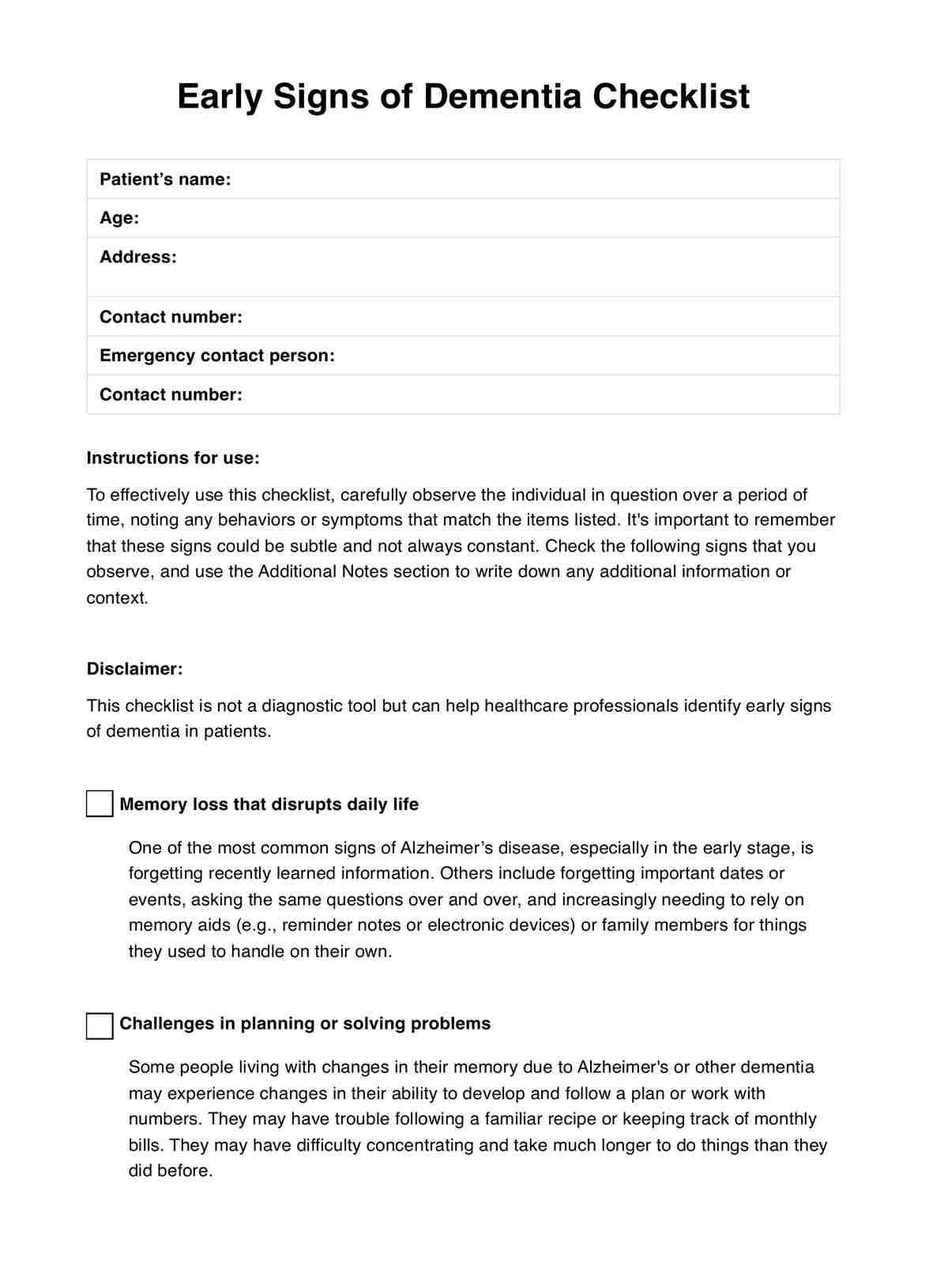
Early detection improves outcomes. Watch for these signs of problematic short term memory loss in elderly individuals:
- Forgetting recent meals or whether medication was taken
- Repeating questions within minutes
- Confusion about dates, time, or location
- Difficulty following conversations or TV plots
- Misplacing items in unusual places
These are not just senior moments. They suggest the brain is struggling to form or retrieve new memories, which is a hallmark of cognitive decline.
Behavioral and Mood Changes
Memory is not the only thing affected. Early dementia often brings emotional and behavioral shifts, such as:
- Withdrawal from hobbies or social activities
- Increased anxiety or irritability
- Suspicion or paranoia
- Loss of interest in personal care
Family members often notice these changes before memory issues become obvious. When mood or personality shifts accompany forgetfulness, it is a strong reason to seek evaluation.
When to See a Doctor
Timing Matters: Don’t Wait
If short term memory loss in elderly adults is affecting daily life, do not delay seeing a healthcare provider. Early diagnosis offers real benefits:
- Identify and treat reversible causes
- Access treatments that may slow disease progression
- Plan for legal, financial, and care decisions
- Maintain independence and quality of life for as long as possible
- Receive support and resources for you and your family
Even if symptoms seem mild, getting checked provides clarity and peace of mind.
What to Expect at the Appointment
Your healthcare professional will likely ask detailed questions about your memory patterns. It helps to bring a family member or friend who can offer observations. Questions may include:
- How long have you noticed memory problems?
- Have your memory issues gotten worse over time?
- Do you have trouble with daily tasks like managing finances or driving?
- Have you experienced changes in mood, behavior, or personality?
- Are you taking any medications, supplements, or drugs?
- Do you have a history of head injuries or mental health conditions?
In addition to a physical exam, your provider will likely give question-and-answer tests to judge memory and other thinking skills. You may also need blood tests, brain imaging scans, and other tests that help pinpoint reversible causes and dementia-like symptoms.
Diagnosis and Testing Process
Cognitive Screening Tools
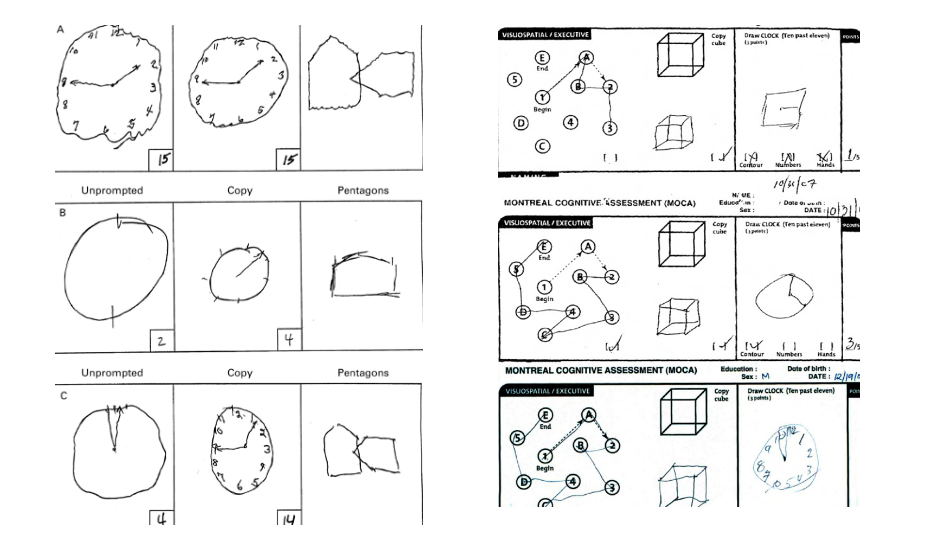
Doctors use standardized tests to measure memory, attention, language, and problem-solving skills. Common tools include assessments that ask you to remember words, draw a clock, or follow simple commands. These tests take about 10 to 15 minutes and help determine if further evaluation is needed.
Advanced Diagnostic Steps
If initial tests suggest cognitive decline, your doctor may refer you to a specialist such as a neurologist, psychiatrist, psychologist, or geriatrician. Further evaluation may include:
- Detailed neuropsychological testing
- MRI or PET scans to look for brain changes
- Spinal fluid tests in select cases to detect specific biomarkers
While no single test confirms Alzheimer’s, combining clinical evaluation with imaging and lab results leads to an accurate diagnosis in most cases.
Managing and Slowing Memory Loss
Medical Treatments Available
For irreversible causes like Alzheimer’s, treatments cannot cure the disease but may help manage symptoms and slow decline. Common options include:
- Cholinesterase inhibitors to improve communication between nerve cells
- Memantine to regulate glutamate activity and protect brain cells
- Combination therapy for moderate to severe stages
These drugs may help with memory, thinking, and daily function for a period, though benefits vary by person.
Lifestyle Strategies That Help
You are not powerless against memory decline. Research shows these habits support brain health:
- Regular physical activity, such as 30 minutes of walking most days
- A heart-healthy diet rich in vegetables, fish, nuts, and whole grains
- Mental stimulation through puzzles, reading, or learning new skills
- Quality sleep of 7 to 8 hours nightly
- Social engagement through conversations and group activities
Even small, consistent changes can make a meaningful difference over time.
Supporting a Loved One
Communication Tips for Caregivers
Talking to someone with memory loss requires patience and empathy. Try these approaches:
- Speak slowly and clearly
- Use simple sentences
- Avoid quizzing or testing their memory
- Offer gentle reminders without criticism
- Focus on feelings rather than facts
Validation, which means acknowledging their emotions, is often more effective than correcting mistakes.
Safety and Independence
Help your loved one stay safe while maintaining dignity:
- Install automatic shut-off devices on stoves
- Set up medication dispensers with reminders
- Use automatic bill pay to prevent missed payments
- Consider GPS trackers if wandering is a concern
- Encourage a driving evaluation if navigation becomes difficult
The goal is not to take over but to support independence as long as possible.
Frequently Asked Questions About Short Term Memory Loss in Elderly
What is the most common cause of short term memory loss in elderly adults?
Alzheimer’s disease is the most common cause of dementia, accounting for the majority of cases. However, treatable conditions like vitamin B12 deficiency, hypothyroidism, depression, and medication side effects can also cause memory problems and should be ruled out first.
When should I be concerned about memory loss in an older parent?
You should be concerned when memory loss disrupts daily life. Warning signs include forgetting recent conversations, repeating questions, getting lost in familiar places, struggling with finances or medications, and missing appointments without later recall. These symptoms progressively worsen rather than coming and going.
Can short term memory loss in elderly be reversed?
Yes, in many cases. When memory loss stems from treatable conditions like vitamin deficiencies, infections, sleep disorders, medication side effects, or depression, addressing the underlying cause often restores cognitive function. This is why a thorough medical evaluation is so important.
How do doctors test for memory loss?
Doctors use cognitive screening tools that assess memory, attention, language, and problem-solving skills. Common tests include the Mini-Cog, Montreal Cognitive Assessment, and Mini-Mental State Exam. Blood tests, brain imaging, and specialist referrals may follow based on initial results.
What lifestyle changes help prevent memory decline?
Regular physical activity, a heart-healthy diet, mental stimulation, quality sleep, and social engagement all support brain health. Managing blood pressure, cholesterol, and blood sugar also reduces risk factors linked to cognitive decline.
Is mild cognitive impairment the same as dementia?
No. Mild cognitive impairment involves a noticeable decline in thinking skills that is greater than typical aging but not severe enough to interfere with daily life. Dementia involves more severe symptoms that disrupt work, social interactions, and relationships. Some people with mild cognitive impairment progress to dementia, but others remain stable.
Key Takeaways for Addressing Short Term Memory Loss in Elderly
Short term memory loss in elderly adults is common, but not always harmless. Mild forgetfulness is part of normal aging, yet disruptive memory issues warrant medical attention. Reversible causes like vitamin deficiencies, depression, infections, or medication side effects can often be treated successfully. For progressive conditions like Alzheimer’s, early diagnosis allows for better symptom management, future planning, and improved quality of life.
If you or a loved one is struggling with memory changes, schedule an appointment with a healthcare provider today. Bring a family member who can offer observations, and come prepared to discuss when symptoms started and how they have changed. With the right support, many people continue to live well despite cognitive changes.