

Celebrex (celecoxib) is a prescription NSAID commonly used to treat arthritis pain, stiffness, and inflammation in older adults. While effective, this medication carries elevated risks for seniors due to age-related changes in heart, kidney, and digestive function. Even at standard doses, side effects of Celebrex in the elderly can include serious cardiovascular events, stomach bleeding, and kidney complications.
This guide breaks down the most common and dangerous side effects of Celebrex in the elderly, warning signs to watch for, and practical steps to reduce complications. You will also learn when to seek emergency care and how to use this medication more safely.
Increased Risk of Heart Problems

Higher Chance of Heart Attack or Stroke
Celebrex may raise the risk of heart attack and stroke, especially in people who already have heart disease. This danger increases with long-term use or higher doses. Older adults face a higher risk simply because of age-related cardiovascular changes.
Symptoms like chest pain, tightness, shortness of breath, or pain radiating to the arm or jaw require immediate medical attention. Even mild symptoms should not be ignored in seniors on Celebrex.
Warning Signs of Heart Trouble
Subtle signs of heart issues can appear without classic chest pain. Watch for unusual fatigue, dizziness, or irregular heartbeat. Celebrex can also cause fluid retention, so swelling in the legs or sudden weight gain may signal worsening heart function.
If any of these symptoms occur, stop taking the medication and contact a doctor right away. Early action can prevent life-threatening complications.
Stomach and Digestive Risks
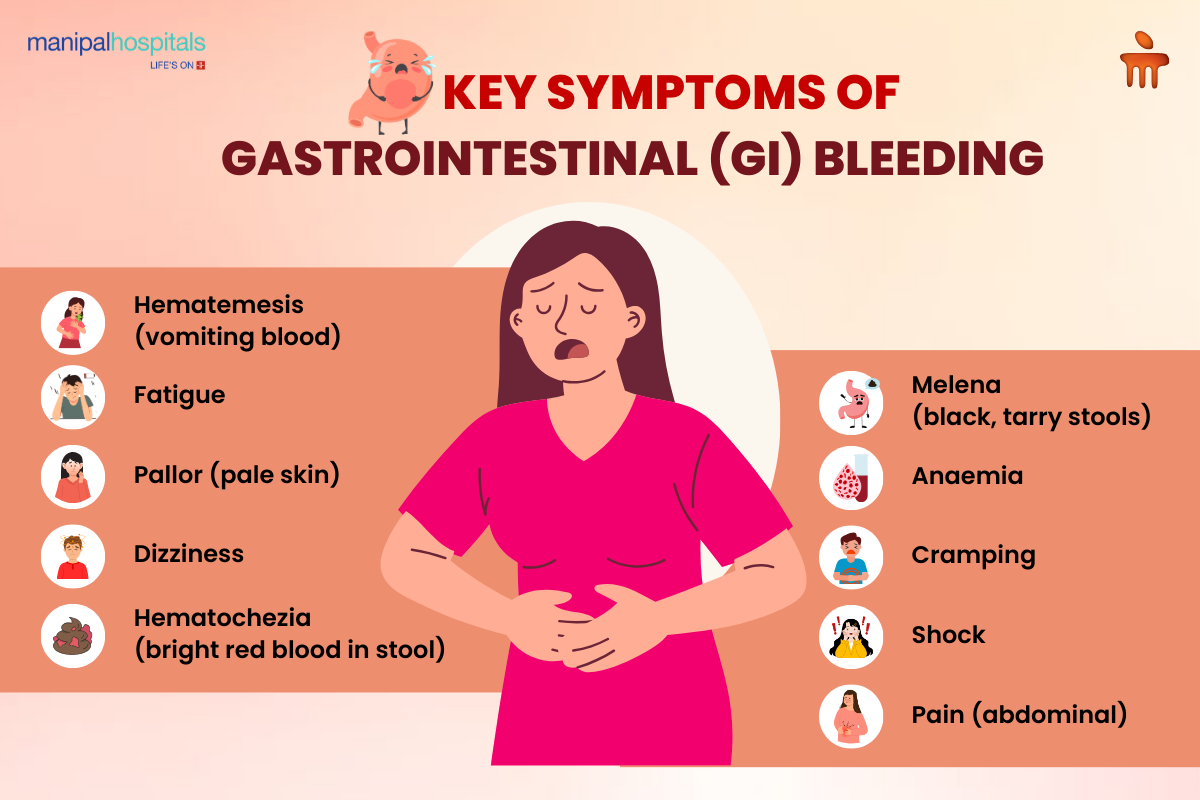
Risk of GI Bleeding and Ulcers
One of the most serious side effects of Celebrex in the elderly is gastrointestinal bleeding. Celebrex is designed to be gentler on the stomach than some NSAIDs, but seniors still face higher risk. The danger rises for those over 60, those taking blood thinners, steroids, or anyone with a history of ulcers.
Bleeding can happen suddenly without warning. This makes regular monitoring critical for older adults on long-term therapy.
Watch for Dangerous Digestive Symptoms
Black, tarry stools or vomit that looks like coffee grounds are signs of internal bleeding. Other red flags include severe stomach pain, nausea, and bloating. Even milder symptoms like gas or ongoing indigestion should be monitored closely.
Seniors on long-term Celebrex should ask their doctor about gastroprotective drugs like proton pump inhibitors to lower ulcer risk.
Kidney Function Concerns
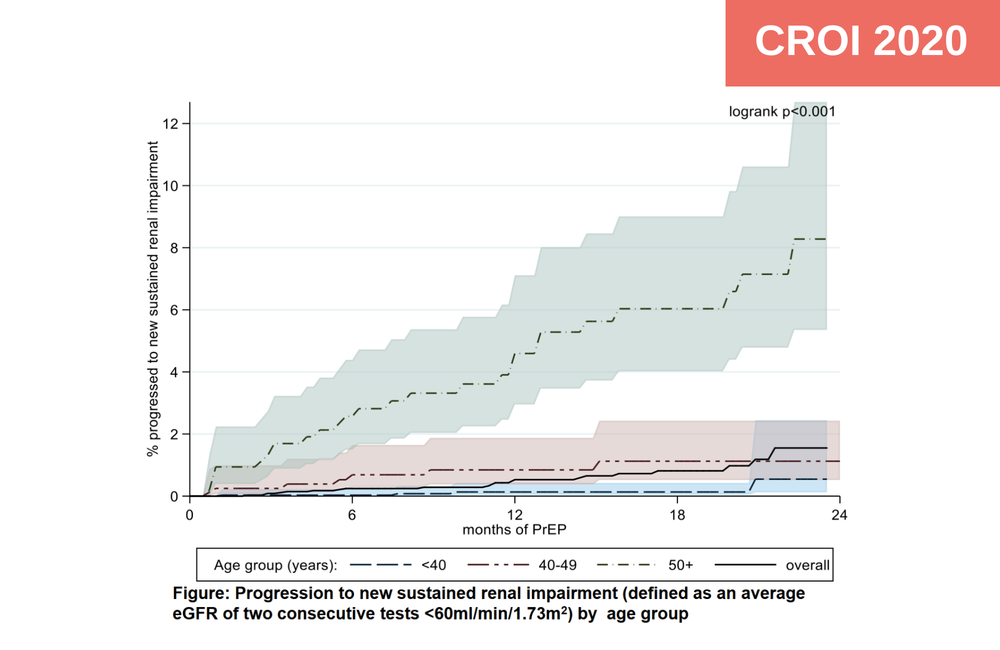
Reduced Kidney Performance with Age
Kidney function naturally declines with age, and Celebrex can further impair it. The drug reduces blood flow to the kidneys, which may lead to acute kidney injury. Dehydrated or frail seniors face the highest risk, especially when using diuretics or ACE inhibitors.
This makes hydration and dose review essential for older adults on this medication.
Signs of Kidney Damage
Watch for decreased urination, swelling in the legs or face, unexplained weight gain, or nausea. High potassium levels (hyperkalemia) can also develop, causing muscle weakness, irregular heartbeat, or numbness.
Blood tests to monitor kidney function (creatinine and BUN) are recommended for elderly patients on long-term Celebrex therapy.
Liver Health and Celebrex

Potential for Liver Damage
Though rare, Celebrex can cause liver injury. Older adults are more susceptible due to slower metabolism and possible pre-existing liver conditions. Liver problems may develop without early symptoms but can become severe quickly.
Patients with mild or moderate liver disease may need a reduced dose of this medicine.
Symptoms of Liver Trouble
Yellowing of the skin or eyes (jaundice), dark urine, clay-colored stools, persistent nausea, or unexplained fatigue are warning signs. If any of these occur, stop taking Celebrex and seek medical help immediately.
Routine liver enzyme tests may be needed for long-term users to catch problems early.
Skin Reactions and Allergies

Rare but Life-Threatening Skin Conditions
Celebrex can trigger severe skin reactions, even after just a few doses. Conditions like Stevens-Johnson syndrome or toxic epidermal necrolysis cause blistering, peeling skin, mouth sores, and fever.
These reactions are rare but require emergency care when they occur.
Immediate Action for Skin Symptoms
Any new rash, especially with fever or blistering, requires emergency treatment. Other signs include red, painful skin lesions or swelling of the lips, face, or throat.
Anaphylaxis can also occur, causing difficulty breathing or swallowing. Use epinephrine if prescribed and call 911 immediately.
Cognitive and Nervous System Effects
Confusion and Dizziness in Seniors
Some elderly patients report dizziness, confusion, or headaches while taking Celebrex. These side effects increase fall risk, especially in those with balance issues or dementia. Drowsiness or lightheadedness may be worse when standing up quickly.
These symptoms should never be dismissed as normal aging.
Minimize Fall and Injury Risk
Seniors should rise slowly from sitting or lying positions. If dizziness persists, consult a doctor for dose adjustment or alternative pain relief options.
Avoid driving or operating machinery if these symptoms occur, as reaction time may be impaired.
Fluid Retention and Blood Pressure
Worsening Hypertension and Edema
Celebrex can cause fluid retention, leading to swollen ankles, legs, or sudden weight gain. This can raise blood pressure or worsen heart failure in at-risk seniors. Even those with well-controlled hypertension may see a spike while on the medication.
Regular blood pressure monitoring is essential during treatment.
Monitor Weight and Swelling
Check for puffiness in the lower legs or unexplained weight gain over a few days. Track blood pressure regularly at home or at clinic visits.
Report any changes to your doctor, who may adjust your dose or switch to a different treatment approach.
Medication Interactions in the Elderly

Dangerous Drug Combinations
Older adults often take multiple medications, which increases the risk of harmful interactions with Celebrex. It should not be used with other NSAIDs like ibuprofen or naproxen. Combining it with high-dose aspirin or blood thinners raises bleeding risk significantly.
Use with ACE inhibitors or diuretics may worsen kidney function. Always review your full medication list with your doctor or pharmacist.
Common Problematic Mixes
- Warfarin or DOACs: Higher bleeding risk
- SSRIs like sertraline: Increased GI bleeding risk
- Diuretics like furosemide: Reduced kidney function
- Lithium: Celebrex can raise lithium to toxic levels
Ketorolac should never be combined with Celebrex, as the interaction is considered unsafe.
When to Stop Celebrex Immediately
Emergency Red Flags
Stop taking Celebrex and seek emergency care if you experience any of the following:
- Chest pain or pressure
- Sudden weakness or slurred speech (signs of stroke)
- Black, tarry stools or blood in vomit
- Severe skin blistering or rash
- Swelling of the face or throat
- Trouble breathing
These symptoms can develop rapidly and require urgent medical treatment.
Safer Use in Older Adults
Use the Lowest Effective Dose
For seniors, the goal is to use the lowest dose for the shortest time possible. Typical starting doses for osteoarthritis or ankylosing spondylitis are 200 mg once daily or 100 mg twice daily. For rheumatoid arthritis, doses range from 100 to 200 mg twice daily.
Avoid long-term use unless absolutely necessary. Regularly reassess whether the benefits still outweigh the risks with your doctor.
Regular Monitoring and Checkups
Elderly patients on Celebrex should have ongoing health monitoring, including:
- Blood pressure checks every 1 to 3 months
- Kidney function tests (creatinine, eGFR) every 6 to 12 months
- Liver enzyme tests during long-term therapy
- Annual review of continued need for the medication
Talk to your doctor about non-drug options like physical therapy or heat and cold therapy to manage arthritis pain.
Frequently Asked Questions About Celebrex Side Effects in the Elderly
What is the most dangerous side effect of Celebrex in seniors?
The most dangerous side effects include heart attack, stroke, gastrointestinal bleeding, and acute kidney injury. These risks increase with age and long-term use.
Can Celebrex cause confusion in elderly patients?
Yes. Some seniors experience dizziness, confusion, or headaches while taking Celebrex. These symptoms can raise fall risk and should be reported to a doctor.
How long can an elderly person safely take Celebrex?
Celebrex should be used at the lowest effective dose for the shortest time possible. Long-term use increases cardiovascular, kidney, and liver risks, so doctors typically reassess the need for continued treatment regularly.
Is Celebrex hard on the kidneys for older adults?
Yes. Celebrex reduces blood flow to the kidneys and can cause acute kidney injury, especially in dehydrated seniors or those taking diuretics or ACE inhibitors. Regular blood tests are recommended.
What medications should not be taken with Celebrex?
Celebrex should not be combined with ketorolac, other NSAIDs, or high-dose aspirin. It also interacts dangerously with blood thinners, SSRIs, lithium, and certain blood pressure drugs.
When should an elderly person stop taking Celebrex immediately?
Stop right away and seek emergency care if you have chest pain, stroke symptoms, black tarry stools, severe rash, facial swelling, or trouble breathing. These can be signs of life-threatening reactions.
Key Takeaways for Managing Celebrex Side Effects in the Elderly
Celebrex can provide effective arthritis pain relief, but it carries significant risks for older adults. The most serious concerns involve the heart, stomach, kidneys, and liver. Seniors should always use the lowest effective dose, watch closely for warning signs, and attend regular checkups.
Your next step is to schedule a medication review with your doctor. Bring a complete list of all prescriptions, over-the-counter drugs, and supplements you take. Ask whether Celebrex is still the safest option for your arthritis pain or if a different treatment might work better for your health profile.





