

Crestor (rosuvastatin) ranks among the most potent statins available, prescribed widely to lower LDL cholesterol and reduce the risk of heart attack and stroke in older adults with diabetes, hypertension, or established cardiovascular disease. Yet the side effects of Crestor in the elderly deserve careful attention, since age-related changes in kidney function, muscle mass, and metabolism can amplify adverse reactions even at standard doses.
For patients aged 69 and above, what works safely in a 50-year-old may trigger muscle pain, brain fog, or blood sugar spikes. This guide covers the most common and serious reactions, early warning signs to watch for, and proven strategies to manage or avoid them, so you or your loved one can make confident decisions about Crestor therapy.
Muscle Pain and Weakness Linked to Crestor in Older Adults

Why Muscle Symptoms Become More Common With Age
As people grow older, muscle tissue becomes more sensitive to medications like Crestor. Myalgia, which includes unexplained muscle pain, cramps, or weakness, is the most frequently reported complaint among elderly users. Symptoms often appear in the legs, back, or shoulders and tend to worsen at night. Some patients describe sharp cramps that disrupt sleep, while others feel a constant ache that makes walking or climbing stairs difficult.
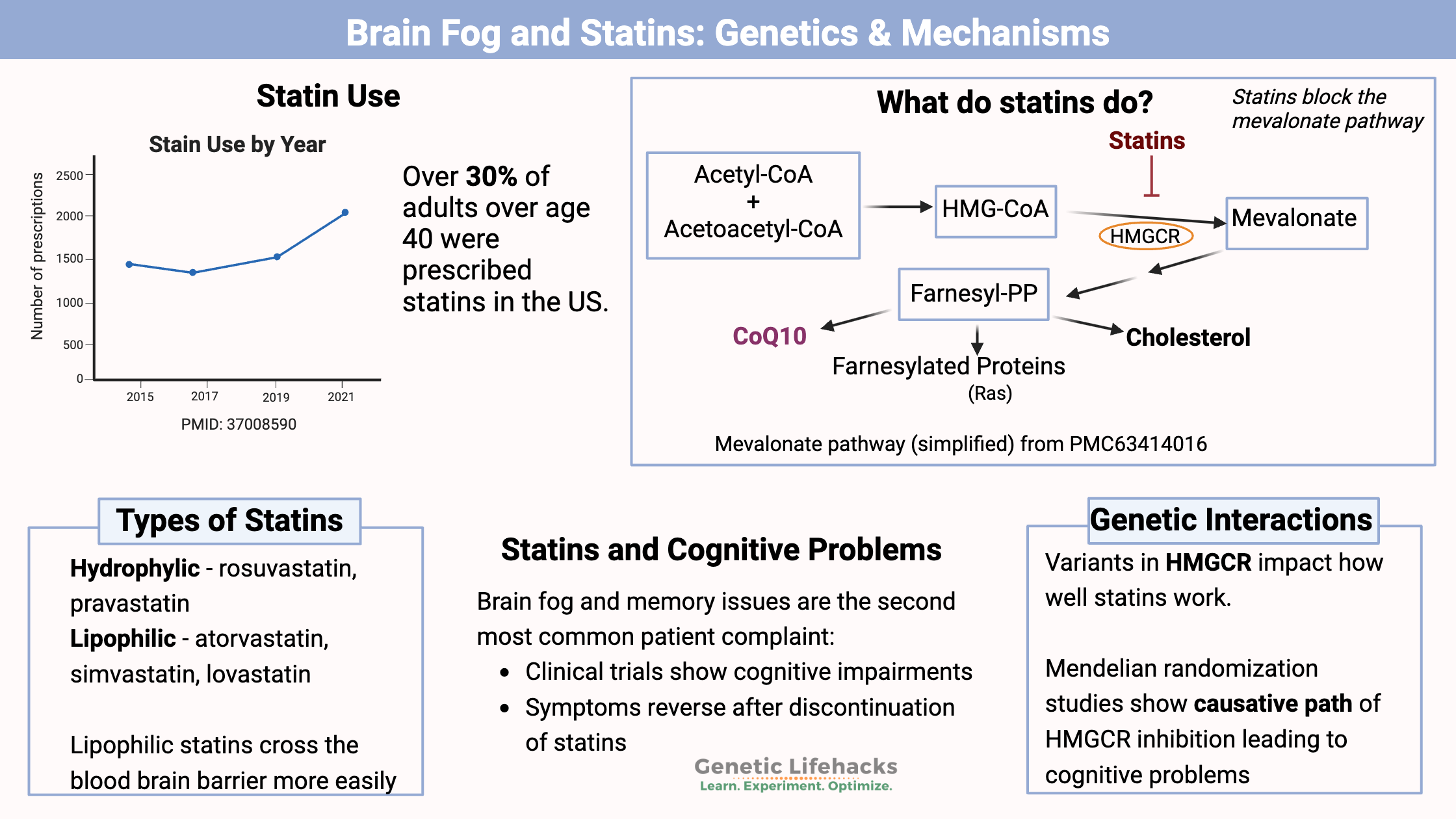
Researchers believe statins may interfere with Coenzyme Q10 (CoQ10) production, a compound vital for muscle energy. Lower CoQ10 levels can lead to fatigue and soreness. Elderly patients face higher risk because of naturally declining muscle mass and slower recovery.
Recognizing Serious Muscle Injury
Not all muscle pain is harmless. In rare cases, Crestor can cause myopathy (muscle disease) or the life-threatening rhabdomyolysis, where muscle fibers break down rapidly and release toxins into the bloodstream. Key warning signs include:
- Muscle pain accompanied by fever or swelling
- Dark or tea-colored urine
- Severe weakness or inability to move
Rhabdomyolysis can lead to kidney failure, especially in older adults with pre-existing renal issues. Immediate discontinuation of Crestor and urgent medical evaluation are critical if these symptoms appear.
Practical Ways to Reduce Muscle Side Effects
You do not have to stop Crestor entirely to find relief. Proven strategies include:
- CoQ10 supplementation (100–200 mg daily): Many users report reduced cramping and improved energy, though clinical studies show mixed results.
- Splitting your dose: Use a pill cutter to take half or a quarter of a 5mg tablet (such as 1.25mg or 2.5mg). Ultra-low doses often maintain cholesterol control with fewer side effects.
- Avoiding interacting drugs: Medications like fibrates, certain antibiotics, or antifungals can increase statin toxicity. Review all prescriptions with your doctor.
Cognitive Changes and Brain Fog From Statin Use
The FDA Warning on Memory and Confusion
In 2012, the FDA added a warning to statin labels, including Crestor, about rare cases of memory loss, confusion, and mental fogginess. While large studies show no long-term dementia risk, individual elderly patients may experience sudden cognitive changes such as:
- Difficulty concentrating
- Short-term memory lapses
- Feeling mentally slowed down
These symptoms typically appear weeks or months after starting Crestor and often resolve within days or weeks of stopping the drug. For older adults already experiencing mild cognitive changes, this side effect can significantly impact daily life and independence.
Real Patient Experiences With Brain Fog
Many elderly users report a striking return of mental clarity after discontinuing Crestor. One patient described waking up from a fog within 48 hours of stopping the medication. Another noted improved focus and energy, allowing them to resume hobbies and social activities.
Despite population-level data suggesting safety, individual sensitivity varies. If you or a loved one notices new confusion, forgetfulness, or mood changes after starting Crestor, discuss it with your doctor, especially after ruling out other causes like vitamin deficiencies or thyroid issues.
Kidney and Liver Risks in Elderly Crestor Users
How Aging Affects Drug Clearance
Kidney function declines with age, and since rosuvastatin is partially cleared by the kidneys, reduced filtration can cause the drug to accumulate. This buildup increases the risk of side effects, including liver stress and muscle injury. For patients over 69, even a 5mg or 10mg dose may be too high.
Regular monitoring is essential. A sudden rise in creatinine or a drop in estimated glomerular filtration rate (eGFR) may signal worsening kidney function and require dose adjustment or discontinuation.
Liver Enzyme Elevations to Monitor
Crestor can cause elevated liver enzymes (ALT, AST), indicating liver stress. This is usually asymptomatic but can progress if ignored. Monitoring includes:
- Baseline liver tests before starting therapy
- Repeat tests 4 to 12 weeks after initiation
- Annual checks for long-term users
If enzymes rise more than three times the upper limit, Crestor should typically be stopped. Many patients see normalization within weeks of discontinuation.
Who Faces Higher Liver and Kidney Risk?
Liver and kidney issues are more likely in patients who have pre-existing liver or kidney disease, take multiple medications, consume alcohol regularly, or are frail or underweight.
Diabetes Risk and Blood Sugar Spikes From Statins
Statins and New-Onset Type 2 Diabetes
Long-term use of Crestor is linked to a slightly increased risk of developing Type 2 diabetes, especially in older adults who are overweight, insulin-resistant, or have prediabetes. The mechanism may involve mild insulin resistance or reduced insulin secretion.
Studies suggest the risk is about 9 to 12 percent higher in statin users, but the cardiovascular benefits often outweigh this concern, especially for those with existing heart disease.
Monitoring Blood Sugar on Crestor
If you are on Crestor and over 65, ask your doctor to:
- Check HbA1c and fasting glucose before starting
- Repeat annually or more often if you have risk factors
- Watch for symptoms like increased thirst, frequent urination, or fatigue
For patients with borderline glucose levels, lifestyle changes such as improved diet and regular exercise can help offset this risk.
Dose Management Strategies for Seniors on Crestor
Start Low and Titrate Slowly
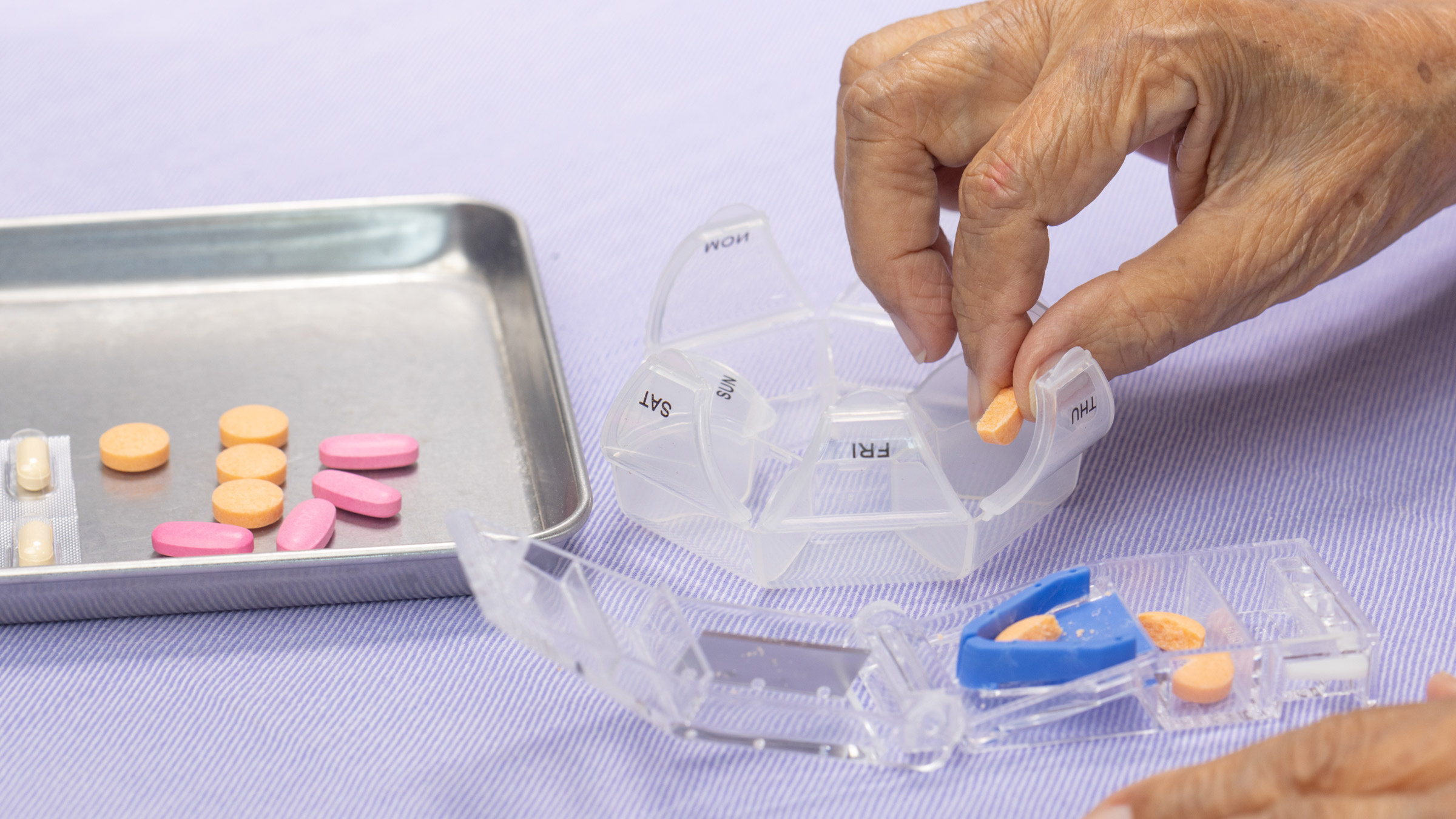
Many elderly patients are prescribed standard doses (10–20mg) without considering age-related sensitivity. A better approach involves beginning with 5mg or less, splitting tablets to achieve 1.25mg or 2.5mg if needed, and monitoring symptoms and lipid levels closely.
Ultra-low doses often maintain LDL under 100 mg/dL, the target for high-risk patients, while minimizing side effects.
When to Switch or Stop Crestor Entirely
If you experience persistent muscle pain, brain fog, or liver enzyme changes, do not ignore them. Options include:
- Switching to another statin such as atorvastatin or pravastatin, though cross-intolerance is common
- Trying non-statin alternatives like ezetimibe
- Discontinuing under medical supervision if benefits no longer outweigh burdens
Non-Statin Alternatives for Statin-Intolerant Patients

Ezetimibe (Zetia) as a First-Line Alternative
For elderly patients who cannot tolerate Crestor, ezetimibe is a well-tolerated alternative. It works by blocking cholesterol absorption in the gut and causes fewer muscle and cognitive side effects, lowers LDL by 15 to 20 percent, and can be combined with low-dose statins. Some patients achieve target cholesterol levels using ezetimibe alone.
PCSK9 Inhibitors and Other Options
For high-risk patients who need stronger LDL lowering, PCSK9 inhibitors such as Repatha or Praluent are injectable drugs that reduce LDL by 50 to 60 percent and are used when statins fail. Bile acid sequestrants like Welchol are older oral agents with gastrointestinal side effects but useful in select cases.
Lifestyle Changes That Truly Work
Medication is not the only path. For some elderly patients, aggressive lifestyle changes can reduce cardiovascular risk through a low-saturated-fat diet rich in whole grains, vegetables, and lean proteins, daily walking or light resistance training, and weight management combined with smoking cessation. These steps support heart health and may reduce or eliminate the need for statins.
Monitoring and Testing Schedule for Elderly Crestor Users

Essential Blood Tests to Request
Regular monitoring helps catch problems early. For elderly Crestor users, the following schedule is recommended:
- Before starting: Lipid panel, liver enzymes (ALT/AST), CK, HbA1c, eGFR
- 4 to 12 weeks after start or dose change: Repeat lipids and liver tests
- Every 6 months: Liver enzymes and symptom review
- Annually: Full metabolic panel, repeat HbA1c, and consider coronary artery calcium (CAC) scoring
Tracking Cognitive and Physical Symptoms
Keep a simple log to track muscle pain (location, severity, timing), mental clarity (focus, memory, mood), and sleep quality and energy levels. Share this with your doctor to guide treatment decisions.
When to Consider Stopping Crestor in Very Elderly Patients
Quality of Life Versus Long-Term Benefit
For very elderly patients over 80, the statistical benefit of Crestor may not justify daily side effects. If the medication causes chronic pain that limits mobility, cognitive decline affecting independence, or sleep disruption and fatigue, then stopping may improve quality of life more than continuing.
A Safe Exit Strategy
Never stop Crestor abruptly without medical advice. A safe approach includes tapering or switching to a lower dose, starting an alternative such as ezetimibe, and reassessing cardiovascular risk with imaging like a CAC score. Some patients remain stable for years after discontinuation, especially if they adopt heart-healthy habits.
Frequently Asked Questions About Crestor Side Effects in the Elderly
What Is the Most Common Side Effect of Crestor in Older Adults?
Muscle pain (myalgia) is the most frequently reported side effect, often appearing in the legs, back, or shoulders. It can range from mild discomfort to severe cramping that disrupts sleep and mobility.
Can Crestor Cause Memory Loss or Brain Fog in Seniors?
Yes. The FDA added a warning in 2012 about rare cases of memory loss and confusion with statins. These cognitive symptoms are typically reversible after stopping the medication, though individual sensitivity varies.
Is Crestor Safe for Elderly Patients With Kidney Problems?
Crestor requires caution in patients with reduced kidney function. Since rosuvastatin is partially cleared by the kidneys, elderly patients with declining eGFR may experience drug accumulation and increased side effects. Dose reduction or alternative therapies are often necessary.
Does Crestor Increase Diabetes Risk in Seniors?
Long-term Crestor use is linked to a slightly higher risk of new-onset Type 2 diabetes, particularly in overweight or insulin-resistant individuals. Regular blood sugar monitoring is recommended for elderly users.
What Should I Do If I Experience Muscle Pain on Crestor?
Report symptoms to your doctor immediately. Options include dose reduction, splitting tablets, adding CoQ10 supplements, switching to another statin, or transitioning to a non-statin alternative like ezetimibe.
Can Elderly Patients Stop Crestor Without Health Risks?
Stopping should always be done under medical supervision. A gradual taper or switch to an alternative therapy, combined with lifestyle changes, can help maintain cardiovascular protection while reducing side effects.
Key Takeaways for Managing Crestor Side Effects in the Elderly
The side effects of Crestor in the elderly are real and deserve proactive management. Muscle pain, cognitive changes, kidney stress, liver enzyme elevations, and blood sugar spikes can all occur, especially in patients over 69 with reduced organ function.
The most important steps include using the lowest effective dose, monitoring liver and kidney markers regularly, tracking symptoms in a personal log, and maintaining open communication with your healthcare provider. If side effects arise, effective non-statin alternatives like ezetimibe are available.
Schedule a medication review with your doctor today. Bring your symptom log and a complete list of current prescriptions. Together, you can decide whether to adjust the dose, switch medications, or explore lifestyle-based strategies to protect your heart without sacrificing quality of life.





