
Managing chronic nerve pain in older adults often means weighing relief against serious safety risks. Lyrica (pregabalin) is widely prescribed for neuropathic pain, fibromyalgia, and certain seizures, but its impact on seniors can be profound. Age-related kidney decline, increased sensitivity to brain-related effects, and higher fall risk make this medication particularly tricky in older populations.
This guide breaks down the most common and dangerous Lyrica side effects in elderly patients. You will learn how to spot early warning signs, adjust doses safely, avoid harmful drug combinations, and recognize when emergency care is needed.
Increased Fall and Balance Risks

Lyrica significantly raises the risk of falls in seniors by disrupting coordination, vision, and spatial awareness.
Dizziness and Unsteadiness in Seniors
Dizziness ranks among the most frequent complaints from older adults starting or increasing Lyrica. The sensation often emerges within the first few days or after a dose change. Some users describe feeling “wobbly” or “drunk” even at low doses.
Nighttime falls become especially dangerous when getting up to use the bathroom. Physical therapists have observed that pregabalin weakens proprioception, making it harder to recover from small stumbles.
Warning signs to watch for:
– Feeling off-balance while walking
– Needing to grab furniture for stability
– Frequent near-falls or actual falls
– Avoiding walks out of fear of falling
Contact your doctor immediately if any of these appear. A dose reduction may be necessary.
Vision Changes That Worsen Falls
:max_bytes(150000):strip_icc()/Diplopia-SuddenlySeeingDoubleCausesCorrection-v1-2241ab579c2942d1b634445729e5c319.png)
Blurred vision, double vision, or reduced clarity are documented Lyrica side effects. These problems typically appear soon after starting the drug or raising the dose. When combined with dizziness and poor balance, impaired vision creates a dangerous combination that sharply increases fall risk.
Many seniors blame vision changes on aging rather than medication. If new visual disturbances coincide with starting Lyrica, the drug should be considered a possible cause.
What to look for:
– Trouble reading small print
– Objects appearing fuzzy or overlapping
– Difficulty judging distances, such as misjudging steps
Compare your vision before and after starting Lyrica. A noticeable decline warrants a conversation with your healthcare provider.
Cognitive and Mental Health Effects

Lyrica influences more than just physical stability. It can alter thinking, mood, and behavior, particularly in older adults.
Confusion and Brain Fog in Older Users
Brain fog is a common complaint among elderly Lyrica users. This refers to mental clouding where concentration becomes difficult and simple tasks require extra effort. Some describe feeling “drugged” or stuck in a haze.
This cognitive dulling interferes with daily life, making it hard to follow conversations or manage medications. Family members often notice the change before the patient does. For seniors already experiencing mild cognitive decline, Lyrica can worsen these symptoms.
Red flags include:
– Forgetting recent events or conversations
– Repeating questions frequently
– Difficulty completing familiar tasks
– Appearing disoriented or withdrawn
These effects are dose-dependent. Higher doses increase the likelihood of confusion. Early intervention prevents further decline.
Mood Swings and Suicidal Thoughts
Lyrica carries a boxed warning from the FDA about suicidal thoughts and behavior. While rare, this risk is real, and older adults are not immune. Some patients experience sudden mood shifts, including increased anxiety, irritability, or uncharacteristic anger.
In severe cases, individuals may have thoughts of self-harm or exhibit behaviors like social withdrawal or hopelessness. These changes can emerge within weeks of starting treatment.
Caregivers should monitor for:
– Expressions of sadness or worthlessness
– Loss of interest in hobbies
– Sudden aggression or emotional outbursts
– Talking about death or dying
Seek emergency medical help immediately if suicidal ideation occurs. Never stop Lyrica abruptly, as this can worsen psychiatric symptoms.
Fluid Retention and Heart Concerns
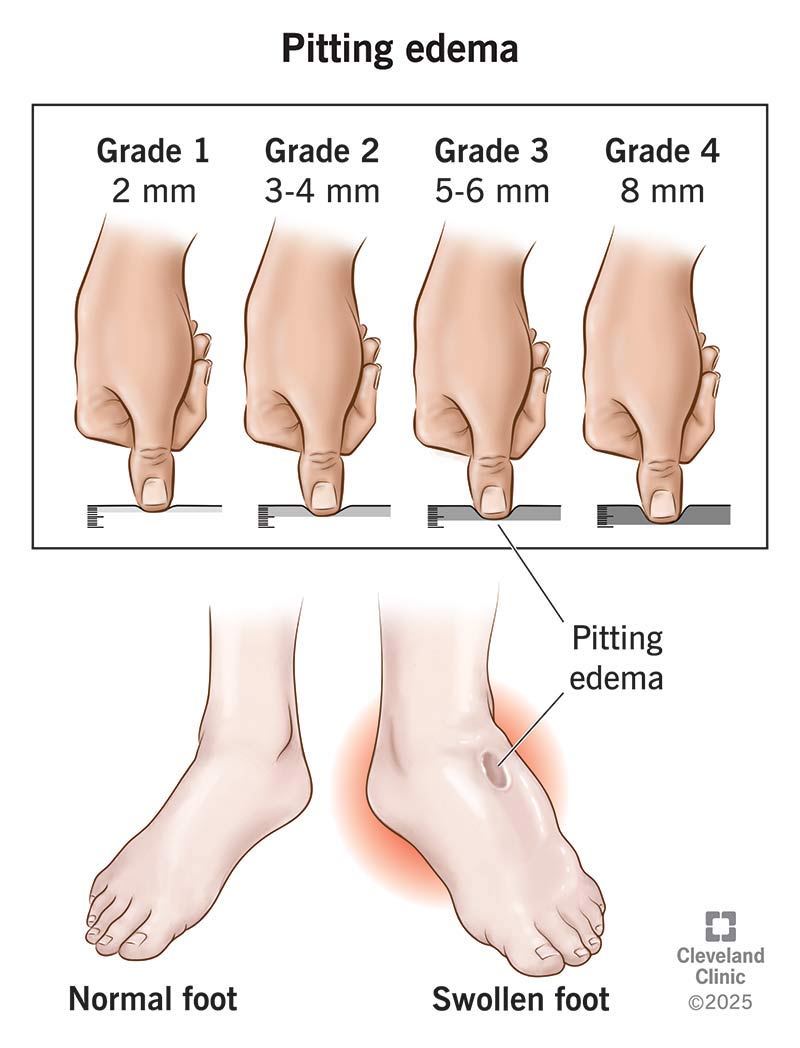
Swelling and weight gain signal more than discomfort. They can indicate serious cardiovascular strain in older adults.
Edema and Ankle Swelling in Elderly Patients
Peripheral edema, or swelling of the hands, feet, ankles, and legs, is a well-documented Lyrica side effect. Patients have reported “red, hot ankles” and feet too swollen to fit in shoes.
This occurs because pregabalin affects fluid balance and vascular permeability. Swelling usually appears within the first few weeks and worsens with higher doses.
When to be concerned:
– Pitting edema (skin retains an indentation when pressed)
– Rapid weight gain of 2 to 5 pounds in a few days
– Tight, shiny skin over swollen areas
– Discomfort while walking
For seniors with heart failure, Lyrica-induced edema can worsen shortness of breath or fatigue. Doctors should monitor these patients closely.
Blood Pressure and Heart Failure Warnings
Lyrica may raise blood pressure in some patients, adding strain to an aging cardiovascular system. Combined with fluid retention, this makes the drug riskier for patients with pre-existing heart failure. The added volume can overwhelm a weakened heart.
Monitor for:
– Shortness of breath during light activity or at rest
– Waking up gasping for air at night
– Increased fatigue or weakness
– Elevated blood pressure readings
Contact your doctor promptly if any of these appear. Dose adjustment or discontinuation may be needed.
Respiratory Depression Risks
One of the most dangerous Lyrica side effects in elderly patients is slowed or difficult breathing, especially when combined with other medications.
Dangerous Mix with Opioids and Sedatives
Using Lyrica with opioid painkillers, benzodiazepines, or other central nervous system depressants can cause respiratory depression. This life-threatening condition involves breathing becoming slow, shallow, or stopping altogether.
Symptoms include:
– Pale, blue, or gray lips, fingernails, or skin
– Slow or irregular breathing
– Extreme drowsiness or inability to wake up
– Confusion or disorientation
This risk is particularly high in older adults prescribed multiple medications for pain, anxiety, or sleep. Even moderate doses of both drugs can interact dangerously.
Never combine Lyrica with:
– Oxycodone, hydrocodone, or morphine
– Alprazolam, lorazepam, or diazepam
– Sleeping pills like zolpidem
– Alcohol
If you must take these together, do so only under strict medical supervision.
Dosage Adjustments for Aging Kidneys

As kidneys decline with age, proper Lyrica dosing becomes critical for safety.
Why Dose Reduction Is Essential
Lyrica is eliminated almost entirely by the kidneys. In older adults, reduced renal clearance means the drug stays in the body longer, increasing exposure and side effect risk. Without dose adjustments, seniors can experience toxicity even at standard doses.
A 75-year-old with mild kidney impairment may need only half the standard dose to achieve the same effect without added dizziness or confusion.
General dosing principles for seniors:
– Start low, often 25 to 50 mg once or twice daily
– Go slow and increase gradually based on response
– Adjust for kidney function using estimated glomerular filtration rate (eGFR)
Your doctor should order a blood test to assess kidney function before starting Lyrica and monitor it periodically.
Maximum Daily Doses by Condition
Different conditions require different dose ranges. Exceeding these increases side effect risk without added benefit.
| Condition | Standard Max Dose | Elderly Max Dose |
|---|---|---|
| Diabetic nerve pain | 300 mg/day | 150 to 300 mg/day |
| Postherpetic neuralgia | 600 mg/day | 300 to 450 mg/day |
| Fibromyalgia | 450 mg/day | 225 to 300 mg/day |
| Seizures | 600 mg/day | 300 to 450 mg/day |
Extended-release tablets must be taken once daily after dinner and swallowed whole.
Drug Interactions and Polypharmacy Risks
Elderly patients often take multiple medications, which increases the chance of harmful interactions with Lyrica.
CNS Depressants That Amplify Side Effects
Combining Lyrica with other drugs that slow the central nervous system can lead to excessive sedation, falls, and breathing problems.
High-risk combinations include:
– Antihistamines like diphenhydramine
– Sleep aids like zolpidem or trazodone
– Anxiety medications like lorazepam or diazepam
– Muscle relaxants like cyclobenzaprine
– Antidepressants like amitriptyline or mirtazapine
Even over-the-counter nighttime cold medicines can interact. Always check labels and consult your pharmacist.
Alcohol and Medical Cannabis Interactions
Alcohol intensifies Lyrica’s dizziness, drowsiness, and coordination problems. Even one drink can increase fall risk in older adults. Avoid alcohol completely while on this medication.
Some patients use CBD oil or medical marijuana as alternatives. A few report switching to a 10% CBD tincture taken sublingually twice daily due to vertigo and fall risks. Combining cannabis with Lyrica may increase sedation, so discuss this with your doctor first.
Withdrawal and Discontinuation Dangers
Stopping Lyrica suddenly can trigger serious physical and mental health complications.
Symptoms of Abrupt Withdrawal
Lyrica affects brain chemistry, and the body can become dependent even at therapeutic doses. Never stop cold turkey.
Withdrawal symptoms may include:
– Seizures
– Nausea, vomiting, diarrhea
– Headaches and insomnia
– Anxiety, irritability, or panic attacks
– Tingling or pain returning worse than before
Symptoms usually begin within 12 to 48 hours after the last dose and can last several days.
Safe Tapering to Avoid Rebound Pain
To prevent withdrawal, your doctor will create a gradual tapering schedule, reducing the dose slowly over days or weeks.
Example taper for 150 mg/day:
– Week 1: 100 mg/day
– Week 2: 50 mg/day
– Week 3: 25 mg/day, then stop
Some patients experience rebound pain, where neuropathic pain returns more intensely than before treatment. A slow taper helps minimize this effect.
Monitoring and Prevention Checklist
Staying safe on Lyrica requires active monitoring and preventive strategies.
Essential Safety Checks for Caregivers
Caregivers play a vital role in spotting early warning signs. Use this checklist monthly or after any dose change:
- Balance and mobility: Any wobbling, near-falls, or dizziness complaints?
- Mental status: Any confusion, memory lapses, or mood changes?
- Swelling: Check ankles and legs for puffiness or pitting.
- Skin health: Look for rashes, blisters, or sores.
- Breathing: Notice any shallow or labored breathing?
- Weight: Track weekly for sudden gains suggesting fluid retention.
Report any concerns to the prescribing physician immediately.
When to Seek Emergency Help
Certain symptoms require immediate medical attention:
- Difficulty breathing or blue lips or fingernails
- Chest pain or severe shortness of breath
- Thoughts of suicide or self-harm
- Seizure or loss of consciousness
- Severe swelling with pain or redness
- High fever with muscle pain or weakness
Call 911 or go to the emergency room right away.
Frequently Asked Questions About Lyrica Side Effects in Elderly
What is the most dangerous side effect of Lyrica in elderly patients?
Respiratory depression, especially when combined with opioids or sedatives, poses the greatest immediate threat. Falls caused by dizziness and balance problems are also extremely dangerous and can lead to fractures or head injuries.
How long does it take for Lyrica side effects to appear in seniors?
Most side effects emerge within the first few days to weeks after starting treatment or increasing the dose. Dizziness, drowsiness, and brain fog often appear early, while swelling may develop gradually over several weeks.
Can elderly patients take Lyrica with other pain medications?
Combining Lyrica with opioids, benzodiazepines, or sleep medications significantly increases the risk of respiratory depression and excessive sedation. This combination should only occur under strict medical supervision with clear warning signs explained.
Why do older adults need lower doses of Lyrica?
Kidney function declines with age, slowing the body’s ability to clear pregabalin. This causes the drug to accumulate, increasing side effect risk. Lower starting doses and slower titration help maintain safety while providing pain relief.
How should Lyrica be discontinued in elderly patients?
Never stop Lyrica abruptly. A doctor should create a gradual tapering schedule over several weeks to minimize withdrawal symptoms and rebound pain. Sudden discontinuation can trigger seizures, severe anxiety, or worsening nerve pain.
Are there safer alternatives to Lyrica for elderly patients?
Some seniors switch to CBD oil or medical marijuana due to intolerable side effects. Others explore spinal cord stimulators or alternative neuropathic pain agents. Discuss all options with your healthcare provider to find the safest approach.
Key Takeaways for Managing Lyrica Side Effects in Elderly Patients
Lyrica can provide meaningful pain relief, but its side effect profile demands respect in older adults. The most critical steps include starting at low doses, adjusting for kidney function, avoiding dangerous drug combinations, and monitoring closely for warning signs. Caregivers should watch for dizziness, confusion, swelling, and breathing changes, reporting concerns immediately.
For those who cannot tolerate Lyrica, alternatives like CBD oil, spinal cord stimulators, or other neuropathic agents may offer safer options. The ultimate goal extends beyond pain control to maintaining function, independence, and quality of life. Schedule a medication review with your doctor today to ensure your current Lyrica regimen is as safe and effective as possible.