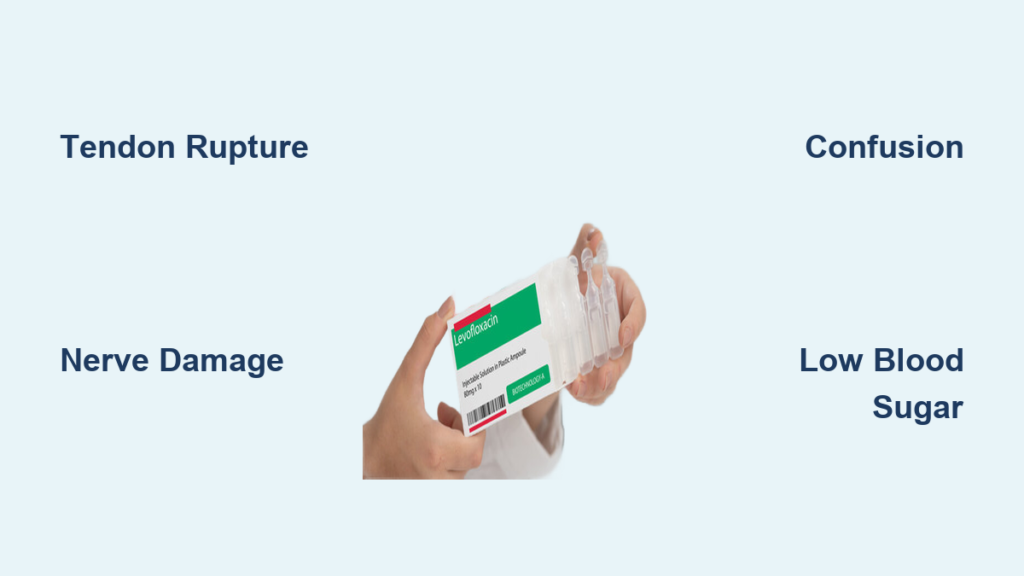
A sudden tendon rupture, unexplained confusion, or a dangerous drop in blood sugar can turn a routine antibiotic course into a medical emergency for older adults. Levofloxacin, widely prescribed under the brand name Levaquin, treats serious bacterial infections but carries heightened risks for patients over 60. Age-related changes in kidney function, tendon integrity, and brain sensitivity make elderly patients especially vulnerable to complications that can become permanent or life-threatening.
This guide breaks down the most serious levofloxacin side effects in elderly patients, the warning signs to watch for, and the precautions that can make treatment safer. Whether you are a caregiver, family member, or senior yourself, understanding these risks empowers you to ask the right questions before starting this powerful medication.
Tendon Damage: A Leading Danger for Seniors Over 60
Why Tendons Become Vulnerable with Age
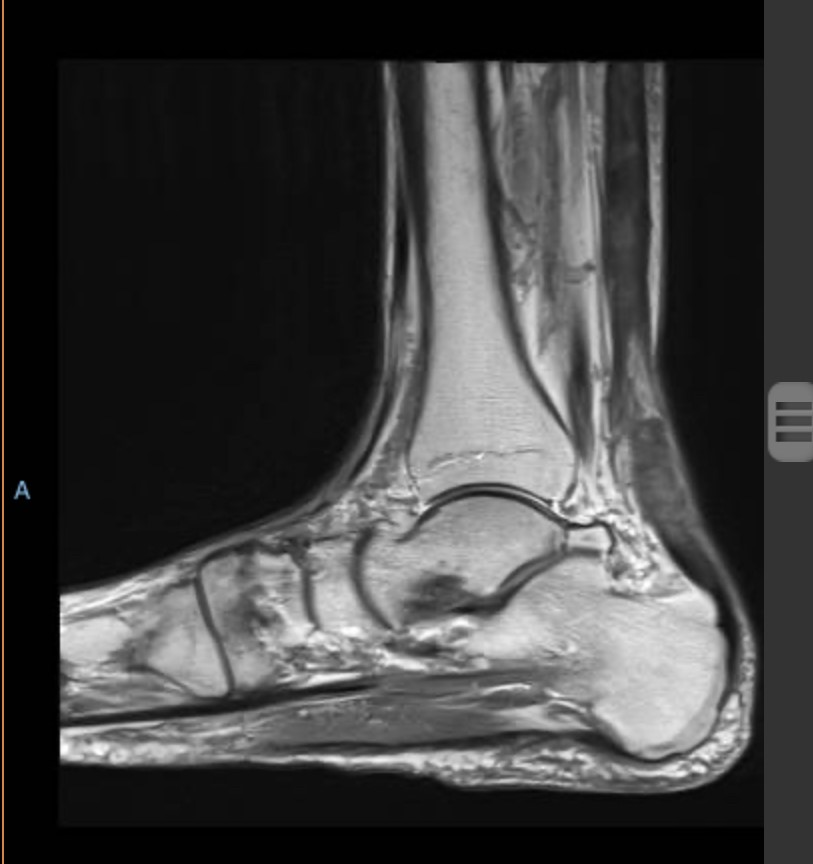
Levofloxacin can cause tendinitis or tendon rupture, and elderly patients face the highest risk. The Achilles tendon at the back of the ankle is most commonly affected, but shoulders, elbows, and wrists can also be involved. Risk increases further when patients also take steroid medications, have severe kidney problems, have a history of tendon disorders, or have received an organ transplant.
Recognizing Early Warning Signs
Tendon problems often appear suddenly and require immediate attention. Contact your doctor right away if you notice:
– Sudden pain or swelling in a tendon, especially after exercise
– Bruising more easily than usual after a minor injury
– Inability to bear weight or move the affected joint
Refrain from physical activity until your doctor confirms it is safe. Tendon damage can occur during treatment or even months after stopping the medication.
Peripheral Neuropathy: Nerve Damage That May Be Permanent
How Levofloxacin Affects the Nervous System
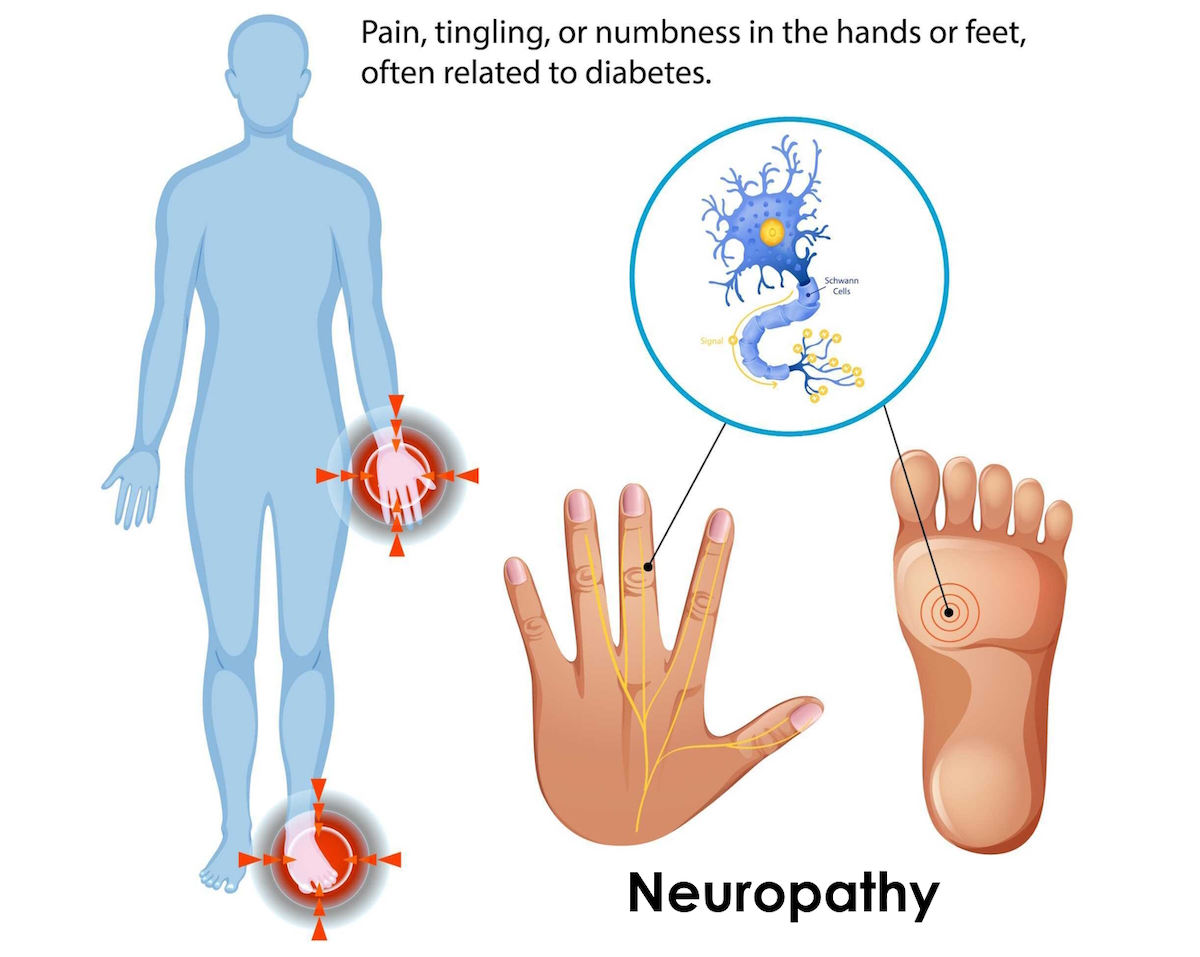
Levofloxacin can damage nerves in the hands, arms, legs, and feet, a condition called peripheral neuropathy. In elderly patients, this damage occurs more frequently and may become irreversible if not caught early. The risk makes prompt recognition essential.
Symptoms That Demand Immediate Attention
Nerve damage can develop within days of starting therapy. Tell your doctor right away if you experience:
– Numbness or tingling in the extremities
– Burning or painful sensations
– Weakness that affects balance or grip
Because these symptoms can resemble diabetic neuropathy or other age-related conditions, they are sometimes overlooked. Early action offers the best chance of preventing lasting harm.
Central Nervous System Effects: Confusion and Cognitive Changes
The Aging Brain Is More Sensitive
Medications that cross the blood-brain barrier affect elderly patients more intensely. Levofloxacin can trigger central nervous system disturbances that mimic dementia or delirium, leading to dangerous falls or accidents.
Warning Signs to Watch For
Stop the medication and seek medical guidance if you or a loved one develops:
– Seizures or convulsions
– Severe anxiety, agitation, or depression
– Hallucinations or seeing things that are not there
– Confusion or disorientation
– Trouble sleeping or unusual thoughts
– Severe headache
Dizziness and drowsiness are also common. Do not drive or operate machinery until you understand how this medication affects you.
Kidney Function Decline and Drug Accumulation
Slower Clearance Increases Toxicity
Kidney function naturally decreases with age, slowing the body’s ability to eliminate levofloxacin. When the drug stays in the bloodstream longer, side effects intensify and toxicity risk rises.
Dose Adjustments Are Often Necessary
Doctors typically adjust the dose based on kidney function, measured through serum creatinine and estimated glomerular filtration rate (eGFR). Patients with kidney disease require extra caution because the medicine may accumulate to dangerous levels. Always ensure your doctor has recent lab results before starting treatment.
Heart Rhythm Disturbances and QT Prolongation

A Potentially Life-Threatening Complication
Levofloxacin can disrupt the heart’s electrical signaling, causing QT prolongation and triggering dangerous arrhythmias. Patients with low blood potassium or an abnormally slow heartbeat face the greatest risk.
Symptoms That Require Emergency Care
Seek immediate medical help if you experience:
– Rapid, slow, or irregular heartbeat
– Fainting spells or loss of consciousness
– Palpitations or chest discomfort
These symptoms can appear without warning and become fatal within minutes. A baseline ECG may be recommended for high-risk seniors.
Hypoglycemia: A Hidden Danger for Diabetic Seniors

Sudden Blood Sugar Drops
Levofloxacin can cause severe hypoglycemia in elderly patients with diabetes, especially those taking insulin or oral diabetes medications. Blood sugar can plummet quickly, sometimes leading to unconsciousness if untreated.
Recognizing Low Blood Sugar Early
Symptoms vary from person to person, but common warning signs include:
– Anxiety, shakiness, or nervousness
– Cold sweats or cool, pale skin
– Confusion, drowsiness, or difficulty concentrating
– Rapid heartbeat or excessive hunger
– Blurred vision, nausea, or unusual weakness
Treat low blood sugar immediately with fast-acting carbohydrates and contact your doctor to discuss whether medication adjustments are needed.
Severe Diarrhea and C. difficile Infection

Antibiotic-Associated Colitis
Like all broad-spectrum antibiotics, levofloxacin disrupts healthy gut bacteria and increases the risk of Clostridioides difficile infection. This severe diarrheal illness is particularly dangerous in older adults and can become life-threatening.
Symptoms That Should Not Be Ignored
Diarrhea may begin during treatment or up to two months after stopping the medication. Watch for:
– Watery or bloody stools
– Abdominal cramps and fever
– Nausea and severe stomach pain
Never take over-the-counter anti-diarrheal medicines without consulting your doctor first. These products can trap toxins in the colon and worsen the infection.
Photosensitivity: Severe Sunburn from Minimal Exposure
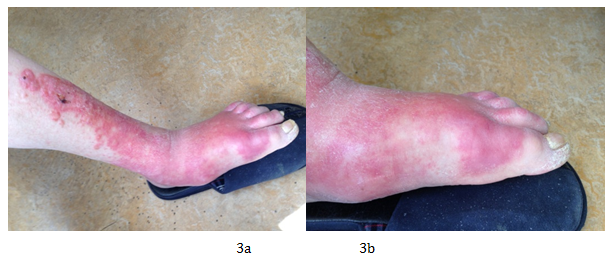
Increased Skin Sensitivity to UV Light
Levofloxacin makes skin more vulnerable to sunlight, and elderly patients often have thinner, more fragile skin. Even brief exposure can trigger severe reactions.
Protecting Yourself Outdoors
Take these precautions while taking levofloxacin:
– Avoid direct sunlight, especially between 10 a.m. and 4 p.m.
– Wear protective clothing, wide-brimmed hats, and UV-blocking sunglasses
– Apply broad-spectrum sunscreen with SPF 30 or higher
Contact your healthcare provider if you develop severe sunburn, blistering, rash, or unusual skin discoloration.
Aortic Aneurysm Risk: A Rare but Serious Concern
Life-Threatening Vascular Complication
Levofloxacin may increase the risk of aortic aneurysm, a dangerous bulge in the wall of the body’s largest artery. Patients with existing vascular conditions face the highest risk.
Emergency Symptoms to Recognize
Seek immediate medical attention if you experience:
– Sudden, severe chest, stomach, or back pain
– Trouble breathing, coughing, or hoarseness
– Difficulty swallowing
Inform your doctor about any history of high blood pressure, atherosclerosis, or vascular disease before starting levofloxacin.
Drug Interactions That Amplify Risk
Common Interactions to Monitor
Levofloxacin interacts with several medications frequently used by seniors. Products containing aluminum, magnesium, iron, or zinc can reduce how well levofloxacin works. Take these products at least two hours before or two hours after your levofloxacin dose.
Substances to Discuss with Your Doctor
Always tell your healthcare provider about every medication and supplement you take, including:
– Antacids and sucralfate
– Multivitamins and mineral supplements
– Didanosine buffered tablets
– Over-the-counter products and herbal remedies
Your doctor may need to adjust timing or doses to prevent dangerous interactions.
When Levofloxacin Should Be Avoided Entirely
Contraindications for Elderly Patients
Certain conditions make levofloxacin unsafe regardless of dose. The medication should not be used in patients with myasthenia gravis or a history of severe muscle weakness, as it can worsen symptoms and trigger respiratory failure.
Conditions Requiring Extreme Caution
Use levofloxacin with caution and careful monitoring if you have:
– Aortic aneurysm or history of vascular disease
– Kidney disease or impaired renal function
– Pre-existing tendon disorders
– History of seizures or central nervous system conditions
The FDA recommends reserving fluoroquinolones for infections that cannot be treated with safer alternatives.
Essential Precautions for Safer Treatment
Steps to Minimize Risk
Follow these guidelines if you or a loved one must take levofloxacin:
- Confirm the diagnosis is bacterial and requires this specific antibiotic
- Ask whether safer alternatives exist for your condition
- Verify the dose has been adjusted for kidney function
- Monitor daily for tendon pain, confusion, or digestive changes
- Stay hydrated by drinking plenty of water throughout treatment
- Avoid strenuous exercise and direct sunlight during therapy
- Report any new symptoms to your doctor immediately
Recognizing Serious Allergic Reactions
Some patients experience life-threatening allergic reactions requiring emergency care. Call 911 immediately if you develop:
– Rash, hives, or itching
– Hoarseness or trouble breathing
– Swelling of the face, hands, or throat
– Lightheadedness or fainting
Frequently Asked Questions About Levofloxacin Side Effects in Elderly
What Is the Most Dangerous Side Effect of Levofloxacin in Elderly Patients?
Tendon rupture is among the most serious complications. Patients over 60 face significantly elevated risk, especially when also taking corticosteroids or having kidney disease. The Achilles tendon is most commonly affected, but damage can occur in any tendon.
Can Levofloxacin Cause Permanent Confusion in the Elderly?
Levofloxacin can trigger central nervous system effects including confusion, hallucinations, and agitation. While these symptoms often resolve after stopping the medication, delayed treatment increases the risk of lasting complications. Always report cognitive changes to your doctor immediately.
How Long Do Levofloxacin Side Effects Last After Stopping?
Some side effects resolve quickly, but tendon problems and peripheral neuropathy can persist for months after discontinuation. C. difficile diarrhea may develop up to two months after finishing the medication. Continued monitoring remains important even after treatment ends.
Is Levofloxacin Safe for Seniors with Kidney Problems?
Levofloxacin requires dose adjustment in patients with kidney disease because reduced clearance increases toxicity risk. Doctors typically review serum creatinine and eGFR before prescribing. Without proper adjustment, seniors face heightened risk of severe side effects.
Should Elderly Patients Avoid Levofloxacin for UTIs?
The FDA recommends reserving fluoroquinolones for infections without safer alternatives. Many urinary tract infections respond well to other antibiotics with fewer serious risks. Always ask your doctor whether a less dangerous option exists for your specific infection.
What Medications Should Seniors Avoid While Taking Levofloxacin?
Antacids, sucralfate, and supplements containing aluminum, magnesium, iron, or zinc can interfere with levofloxacin absorption. Take these products at least two hours before or after your antibiotic dose. Always share your complete medication list with your healthcare provider.
Key Takeaways for Protecting Elderly Patients from Levofloxacin Risks
Levofloxacin remains a valuable tool against serious bacterial infections, but its risk profile demands extra caution in patients over 60. Tendon rupture, permanent nerve damage, dangerous heart rhythm changes, and severe diarrhea represent real possibilities that can transform a healing treatment into a disabling event.
Before accepting a prescription for levofloxacin, ask your doctor three critical questions: Why is this specific antibiotic necessary, what safer alternatives might work, and how will side effects be monitored throughout treatment. Request recent kidney function tests and review every medication you take for potential interactions. Stay alert to early warning signs and speak up at the first sign of trouble. Knowledge and vigilance remain your strongest defense against preventable harm.