Managing Type 2 diabetes becomes more complex with age, especially when medications like Januvia enter the picture. Januvia side effects in elderly patients can show up differently than in younger adults because of natural changes in kidney function, metabolism, and the use of multiple prescriptions. Seniors also face higher risks of complications such as low blood sugar, heart failure, and kidney decline.
This guide explains the eight key Januvia side effects and how each one specifically affects older adults. You will learn how to spot warning signs, manage mild symptoms at home, and recognize when emergency care is needed. We will also cover dose adjustments, monitoring tips, and safer alternatives for seniors.
Common Cold-Like Symptoms From Januvia
Upper respiratory symptoms are the most frequently reported reaction to Januvia. Older adults often notice a stuffy or runny nose, sore throat, cough, or mild fatigue shortly after starting treatment. These are the most common januvia side effects in elderly users and usually clear up on their own.
Why Cold Symptoms Matter More in Seniors
Older adults already face higher risks of respiratory infections due to immune changes linked to diabetes or other medications. While Januvia does not directly cause colds, it may affect immune response in ways that increase vulnerability.
Safe Ways to Manage Cold Symptoms
- Use saline sprays or a Neti Pot for nasal congestion
- Stay well hydrated and get plenty of rest
- Ask your pharmacist about safe over-the-counter remedies and avoid decongestants if you have high blood pressure
Seek medical help if symptoms last longer than 10 days, worsen, or come with a fever. These signs may point to a bacterial infection that needs treatment.
Headaches in Older Adults Taking Januvia
Headaches are another mild but frequent side effect of Januvia. Most seniors describe a dull, intermittent ache that appears early in treatment and improves within days or weeks.
Special Considerations for Seniors
Many older adults take blood pressure drugs or other medications that also cause headaches. Before blaming Januvia, your doctor may want to rule out dehydration, vision changes, or uncontrolled blood pressure.
What You Can Do
- Try acetaminophen if your doctor approves it
- Avoid NSAIDs like ibuprofen unless cleared, since these can harm aging kidneys
- Report persistent or severe headaches so your provider can adjust the dose or consider alternatives
Hypoglycemia Risk in Elderly Januvia Users
:max_bytes(150000):strip_icc()/VWHEVERGREEN-BloodSugarLevelChart-ReadingsinOlderAdults-final-01dcb2bd62924a5996a37ed092eaee63.png)
Januvia alone rarely causes low blood sugar. However, januvia side effects in elderly patients change when the drug is combined with insulin or sulfonylureas such as glipizide or glyburide. The risk of hypoglycemia rises sharply in these cases.
Why Seniors Are More Vulnerable
- Slower metabolism affects how drugs are processed
- Inconsistent meal schedules can drop blood sugar
- Cognitive decline may cause missed or doubled doses
- Multiple chronic conditions add complexity
Recognizing Low Blood Sugar
Watch for these warning signs:
- Shaking or trembling
- Excessive sweating
- Sudden hunger
- Confusion or irritability
- Dizziness or weakness
- Rapid heartbeat
Critical note: Hypoglycemia in older adults can mimic stroke or dementia. Quick action is essential.
Emergency Response Steps
If blood sugar falls below 70 mg/dL:
- Consume 15 grams of fast-acting carbohydrates, such as four glucose tablets, half a cup of fruit juice, or one tablespoon of honey
- Wait 15 minutes and recheck your level
- Repeat if still under 70 mg/dL
- Eat a snack or meal once stabilized
Call 911 if blood sugar drops below 55 mg/dL or if the person becomes unconscious or unable to swallow.
Prevention Tips for Seniors
- Check blood sugar regularly, especially before meals and at bedtime
- Keep glucose tablets within reach at all times
- Teach caregivers how to recognize and treat hypoglycemia
- Ask your doctor about dose changes if lows happen often
Joint Pain and Mobility Concerns
Some seniors report joint pain while taking Januvia. Although rare, this side effect can interfere with daily movement and comfort.
What Joint Pain Looks Like
- Aching in fingers, knees, or hips
- Pain that worsens with movement
- No visible swelling or redness
Could It Be Arthritis Instead?
Many older adults already have osteoarthritis or similar joint conditions. Your doctor will need to determine whether the pain comes from Januvia or an existing issue.
How to Manage This Side Effect
- Never stop Januvia on your own
- Report new or worsening joint pain to your healthcare provider
- Your doctor may suggest a short break from the drug to test for improvement
Pro tip: Track pain patterns in a journal, noting timing, location, and intensity. This helps your provider make a clearer decision.
Pancreatitis: A Rare but Serious Emergency
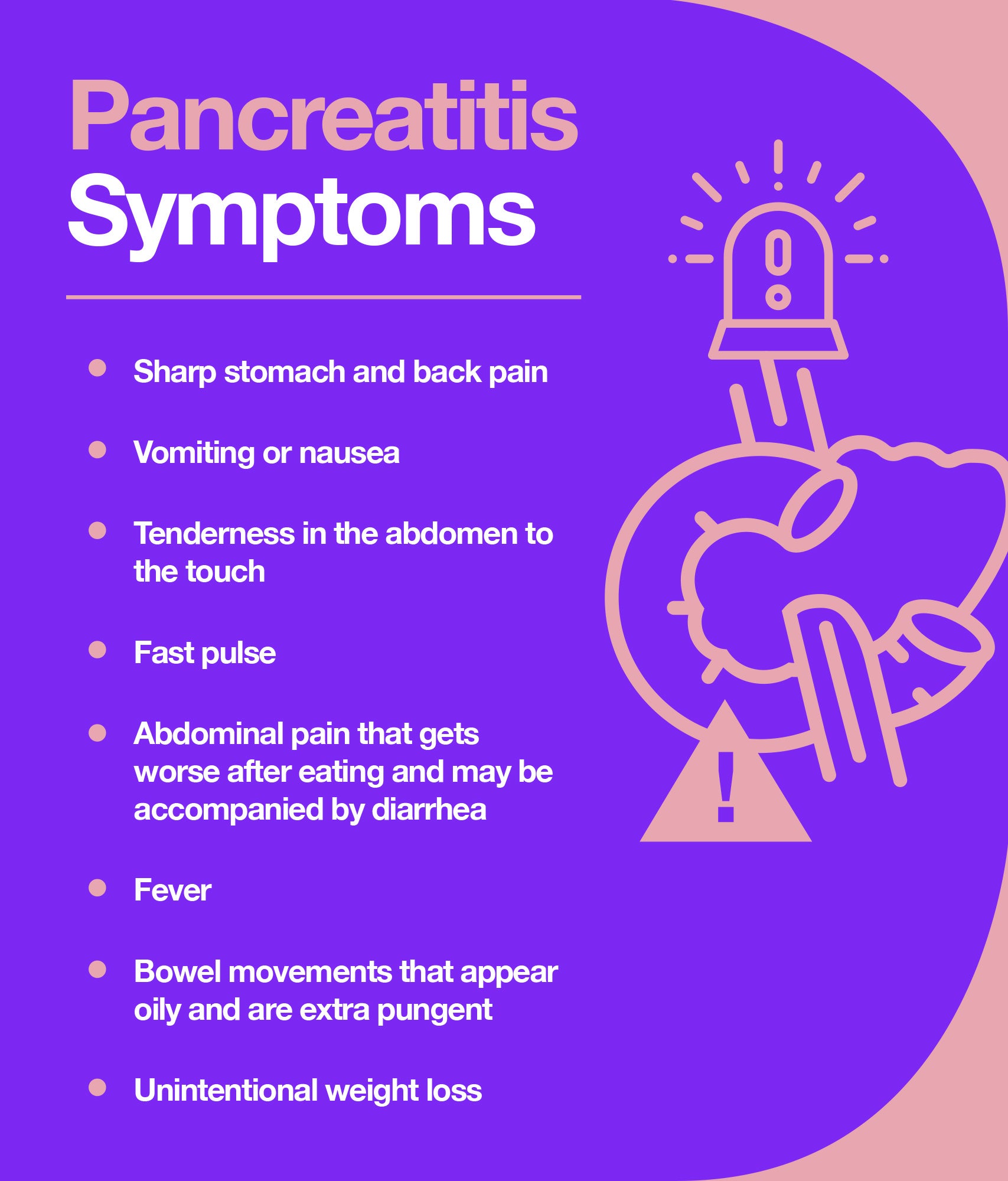
Inflammation of the pancreas is a rare but dangerous risk linked to Januvia. Seniors face added vulnerability due to age-related digestive changes, gallstone history, alcohol use, or interactions with other medications.
Warning Signs of Pancreatitis
- Severe upper abdominal pain that radiates to the back
- Nausea and vomiting
- Fever
- Tenderness when pressing on the abdomen
- Yellowing of the skin or eyes
Act immediately: Pancreatitis can become life-threatening. Go to the emergency room if you suspect it.
Long-Term Implications
- Januvia must be stopped permanently if pancreatitis is confirmed
- Future diabetes treatment plans will avoid similar DPP-4 inhibitors
- A history of pancreatitis is a reason to avoid Januvia altogether
Heart Failure Risk for Seniors on Januvia

Januvia belongs to a class of drugs called gliptins that may raise the risk of new or worsening heart failure, especially in older adults with existing heart or kidney problems.
Who Faces the Highest Risk
- Seniors with prior heart failure
- Patients with reduced ejection fraction
- Those with chronic kidney disease
Key Symptoms to Watch
- Shortness of breath during rest or mild activity
- Swelling in legs, ankles, or feet
- Unexplained weight gain from fluid retention
- Fatigue or weakness
- Rapid or irregular heartbeat
Monitoring and Prevention
- Your doctor should evaluate heart health before starting Januvia
- Regular checkups may include weight tracking and physical exams
- Echocardiograms or BNP blood tests may be ordered if symptoms appear
Important: If heart failure symptoms develop, Januvia should be discontinued and alternative treatments considered.
Kidney Function Decline in Older Adults
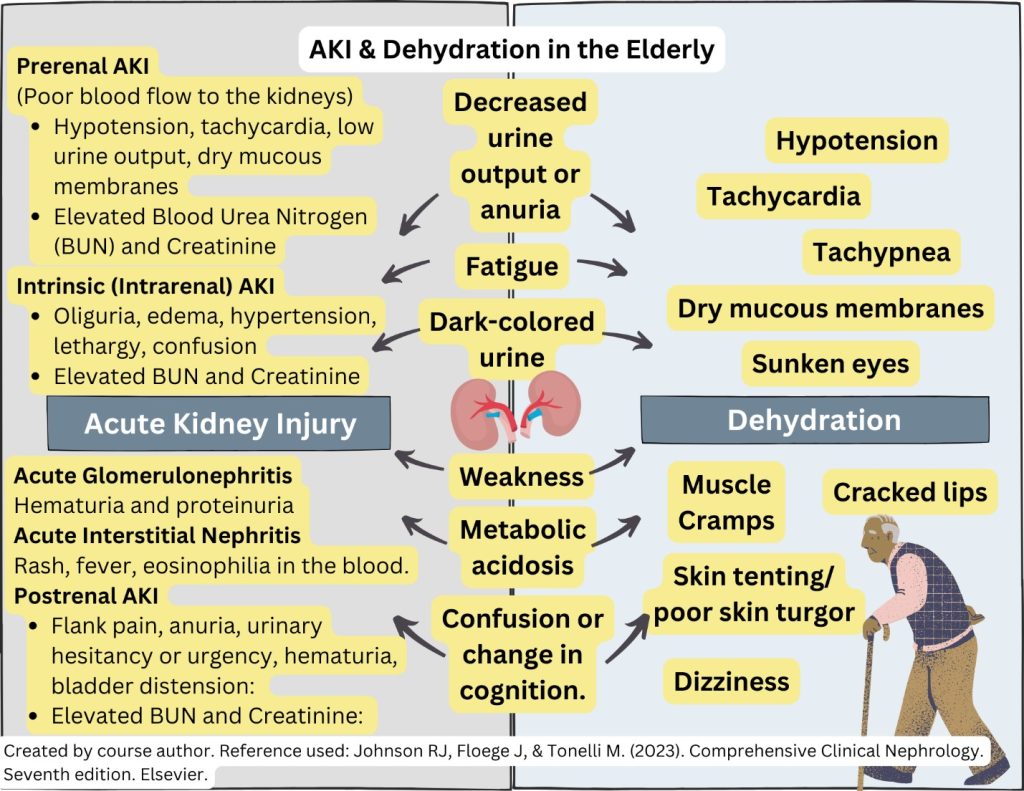
Kidney function naturally declines with age, which makes januvia side effects in elderly patients more likely to involve the kidneys. Januvia is eliminated through the kidneys, so reduced function causes the drug to build up in the body and raises the risk of side effects, including acute kidney injury.
Signs of Worsening Kidney Function
- Reduced urine output
- Swelling in legs or face
- Fatigue or confusion
- Nausea or a metallic taste in the mouth
Dose Adjustments Are Essential
Before prescribing Januvia, your doctor should order a creatinine blood test or eGFR. Based on results:
- Normal kidney function: 100 mg daily
- Moderate impairment: 50 mg daily
- Severe impairment: 25 mg daily
Regular blood tests every 6 to 12 months are recommended to track kidney health.
Safety tip: Always tell your doctor if you are dehydrated, hospitalized, or scheduled for imaging with contrast dye. These situations can place extra stress on aging kidneys.
Serious Skin Reactions Linked to Januvia

Although extremely rare, life-threatening skin reactions have been reported with Januvia. These include Stevens-Johnson Syndrome (SJS), Toxic Epidermal Necrolysis (TEN), and DRESS Syndrome.
Early Warning Signs
- Red or purplish rash that spreads
- Blisters or peeling skin
- Fever
- Mouth sores
- Swelling of the face or tongue
This is an emergency. Stop taking Januvia and go to the ER immediately. Hospitalization with supportive care is required. There is no safe home treatment.
Why Seniors Face Higher Risk
- Slower immune response
- Polypharmacy increases the chance of drug reactions
- Delayed recognition of symptoms due to cognitive or sensory changes
Special Safety Considerations for Elderly Patients
Managing diabetes in older adults requires extra caution. Several age-related factors make januvia side effects in elderly patients more complex.
Age-Related Metabolism Changes
- Slower drug clearance increases side effect risk
- Higher likelihood of drug interactions
Polypharmacy Danger
- Januvia may interact with diuretics, blood pressure medications, or heart drugs
- Always review your full medication list with your doctor or pharmacist
Cognitive and Physical Limitations
- Memory issues can lead to missed or doubled doses
- Physical frailty raises the risk of falls during hypoglycemic episodes
Fall Prevention Tips
- Hypoglycemia causes dizziness and confusion
- Install night lights and use non-slip mats
- Keep a phone within reach at all times
Questions to Ask Your Doctor About Januvia
Bring these questions to your next appointment to stay safe on Januvia:
- “Do I need a dose adjustment based on my kidney function?”
- “Am I at risk for heart failure with my current health history?”
- “Should I carry glucose with me in case of low blood sugar?”
- “What signs mean I should stop Januvia and call you?”
- “Are there safer alternatives for someone my age?”
Safer Alternatives to Januvia for Seniors
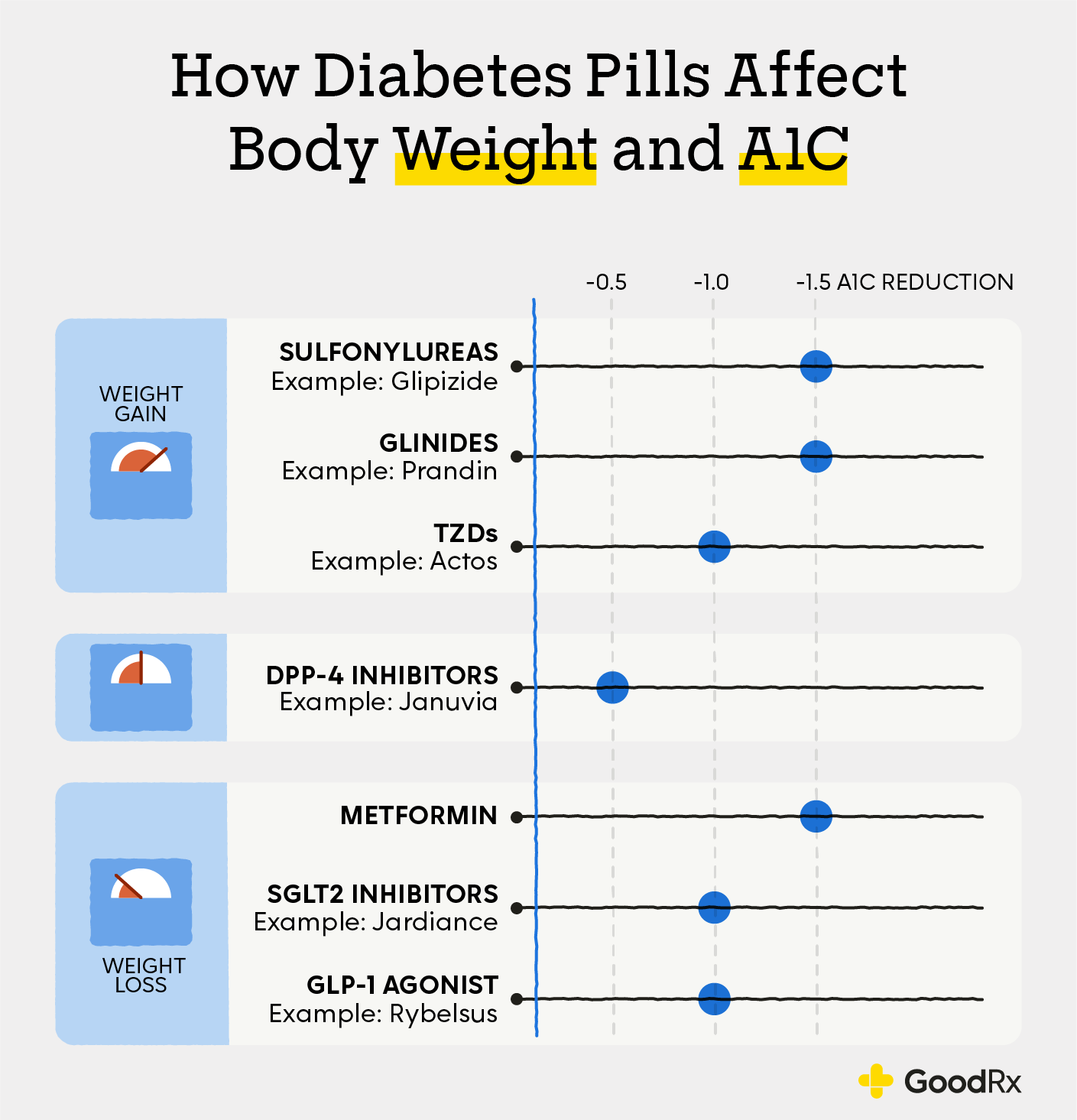
If Januvia is not suitable, other options exist. Discuss these with your provider to find the safest fit.
| Medication | Pros for Elderly | Cons |
|---|---|---|
| Metformin | Effective, low cost, weight-neutral | Risk of GI upset; not for severe kidney disease |
| GLP-1 agonists (e.g., semaglutide) | Promotes weight loss, heart benefits | Injectable, nausea, expensive |
| Insulin (basal types) | Reliable glucose control | High hypoglycemia risk if poorly managed |
| SGLT2 inhibitors (e.g., empaglutide) | Protects heart and kidneys | Genital infections, dehydration risk |
Final Safety Checklist for Seniors on Januvia
- Get kidney function tested before starting and annually afterward
- Watch for swelling, shortness of breath, or fatigue as heart failure signs
- Carry fast-acting glucose at all times
- Limit alcohol or avoid it completely
- Review all medications and supplements every 6 months
- Use a pill organizer if memory is a concern
- Report any new pain, rash, or digestive issues promptly
Frequently Asked Questions About Januvia Side Effects in Elderly
Is Januvia considered a high-risk medication for seniors?
No, Januvia is not classified as a high-risk medication overall. However, it can cause serious side effects in certain situations, especially pancreatitis, heart failure, and kidney problems in older adults with existing conditions.
What foods should seniors avoid while taking Januvia?
There are no specific foods to avoid with Januvia. However, seniors should limit alcohol because it raises the risk of low blood sugar and pancreatitis, especially when combined with insulin or sulfonylureas. Limiting sugary foods and refined carbohydrates also helps stabilize blood sugar.
Does Januvia damage the kidneys?
Januvia is not known for causing kidney problems, but rare cases of sudden kidney injury have been reported. To stay safe, your healthcare team will check kidney function before starting Januvia and monitor it during treatment.
Can Januvia cause low blood sugar in elderly patients?
Januvia alone rarely causes low blood sugar, but the risk increases significantly when combined with insulin or sulfonylureas. Seniors are especially vulnerable due to slower metabolism and inconsistent meal patterns.
What should seniors do if they experience side effects on Januvia?
Mild symptoms like cold symptoms or headaches can often be managed at home. However, signs of pancreatitis, heart failure, severe skin reactions, or very low blood sugar require immediate medical attention. Always report new or worsening symptoms to your healthcare provider.
Key Takeaways for Managing Januvia Side Effects in Elderly Patients
Januvia can be a safe and effective option for older adults with Type 2 diabetes when used with proper precautions. Cold symptoms and headaches are usually mild and short-lived. However, serious januvia side effects in elderly patients, including hypoglycemia, kidney decline, heart failure, and pancreatitis, require vigilant monitoring.
The safest approach includes regular kidney function tests, careful dose adjustments, awareness of heart failure warning signs, and open communication with your healthcare team. Never ignore unusual symptoms, and always carry fast-acting glucose if you take Januvia with other diabetes medications. Schedule a medication review with your doctor today to confirm that Januvia remains the right choice for your health.