Urinary leakage affects millions of older women, yet most never mention it to their doctor. Many assume it is simply part of getting older, but this condition is treatable at any age. The embarrassment, social isolation, and loss of confidence can quietly erode quality of life. The encouraging truth is that incontinence in elderly women treatment has advanced significantly, offering real solutions that restore dignity and independence.
With the right diagnosis and personalized care plan, most women can dramatically reduce or even eliminate leakage. From pelvic floor therapy and lifestyle changes to vaginal estrogen, pessaries, and safer medications, effective options exist for every type and severity. This guide walks you through identifying your specific type of incontinence, understanding the safest treatments, and knowing when to seek specialist care, especially if you are dealing with frailty or chronic health conditions.
Identify Your Type of Incontinence First

Accurate diagnosis is the foundation of successful treatment. Each type responds to different therapies, so understanding your specific pattern matters.
Stress Incontinence and Physical Triggers
Leakage happens during coughing, sneezing, laughing, or lifting. It results from weakened pelvic floor muscles or poor urethral support, often linked to childbirth, menopause, or natural aging. The bladder drops slightly, preventing the urethra from closing tightly under physical pressure.
Urgency Incontinence and Sudden Leaks
Also called overactive bladder, this involves a sudden, intense urge to urinate followed by involuntary loss before reaching the toilet. It stems from uncontrolled bladder contractions (detrusor overactivity), often worsened by caffeine, infection, or neurological conditions.
Mixed Incontinence Combines Both Patterns
Most older women experience mixed incontinence, which blends symptoms of stress and urgency leakage. Treatment must address both components for the best results.
Overflow and Functional Types Are Often Missed
- Overflow incontinence: The bladder does not empty fully, causing constant dribbling. Causes include nerve damage, severe prolapse, or urethral blockage.
- Functional incontinence: Physical or cognitive barriers like arthritis, dementia, or poor bathroom access prevent timely toilet use.
Start with a Thorough Medical Evaluation
Never self-diagnose urinary leakage. A proper assessment guides safe, effective care and rules out serious underlying conditions.
Track Symptoms in a Voiding Diary
Record fluid intake, urination times, leakage episodes, and activities for 3 to 7 days. This simple tool helps your provider spot patterns and classify your incontinence type accurately.
Review Medications That Worsen Leakage
Certain drugs directly contribute to incontinence:
- Diuretics (increase urine production)
- Sedatives (delay response to urge)
- Anticholinergics (impair bladder contraction)
- Alpha-blockers (relax sphincters)
Ask your doctor whether any current medications can be adjusted or replaced.
Get a Pelvic Exam and Urinalysis
A pelvic exam checks for prolapse, vaginal atrophy, and pelvic muscle strength. Urinalysis rules out urinary tract infection (UTI), blood in the urine, or diabetes. Only treat a UTI if symptoms are present, since asymptomatic bacteria are common in older adults.
Recognize Red Flags That Need Specialist Care
Some symptoms signal serious conditions requiring prompt referral to a urogynecologist or urologist.
Sudden Onset or Neurological Symptoms
- New incontinence after surgery or illness
- Leg weakness or numbness in the saddle area (perineum)
- Difficulty starting or stopping urination
These signs may indicate spinal cord or nerve damage that needs urgent attention.
Visible Blood or Obstruction
- Persistent blood in urine without infection
- Inability to pass a catheter
- High post-void residual volume over 300 mL
These findings require imaging and specialized testing to identify the cause.
History of Pelvic Radiation or Surgery
Prior treatments can scar tissues or damage nerves, increasing the risk for complex incontinence that benefits from expert management.
Begin with First-Line Treatments for All Types
Start with safe, non-invasive strategies that improve multiple types of incontinence.
Strengthen Your Pelvic Floor Muscles
Pelvic floor muscle training (Kegels) is the cornerstone treatment. It strengthens the muscles supporting your bladder and controlling urine flow.
Master Proper Kegel Technique
- Tighten the muscles you would use to stop urine midstream.
- Hold for 3 to 5 seconds, then relax fully.
- Repeat 10 to 15 times, 2 to 3 times daily.
Critical step: Train with a pelvic floor physical therapist. Up to 50% of women perform Kegels incorrectly without guidance.
Pro tip: Biofeedback or electrical stimulation can boost results, especially if you have low muscle awareness.
Results take 8 to 12 weeks. Stick with it, since studies show 60 to 70% improvement in stress incontinence with proper training.
Retrain Your Bladder to Reduce Urgency
Bladder training helps calm overactive signals and gradually increases bladder capacity.
Follow a Scheduled Voiding Plan
- Start by going every 2 to 3 hours, even without the urge.
- Gradually extend intervals by 15 to 30 minutes each week.
- Use distraction techniques like deep breathing when urges strike.
About 70% of women report reduced urgency and fewer leaks after 6 to 12 weeks of consistent practice.
Address Contributing Health Issues
Managing other health problems often reduces leakage significantly:
- Treat constipation: Hard stool presses on the bladder and weakens pelvic nerves. Increase fiber, fluids, and daily movement.
- Lose weight: Every 5% of body weight lost improves symptoms. Lifestyle changes, bariatric surgery, or newer medications may help when diet and exercise are not enough.
- Quit smoking: Chronic cough worsens stress leakage, and nicotine irritates the bladder.
- Limit bladder irritants: Cut back on caffeine, alcohol, carbonated drinks, and spicy foods.
Consider Low-Dose Vaginal Estrogen

Postmenopausal estrogen loss thins urethral and vaginal tissues, reducing urethral closure pressure and increasing leakage.
Choose the Right Formulation for You
Vaginal estrogen comes in several convenient forms:
- Creams (such as estradiol)
- Tablets (such as Vagifem)
- Rings (such as Estring, lasting 3 months)
Apply daily at first, then 2 to 3 times per week for maintenance.
Expect Noticeable Results in 8 to 12 Weeks
Benefits include thicker, more elastic tissues, improved urethral seal, reduced urgency and frequency, and less discomfort during intimacy.
Expert note: Systemic absorption is minimal. Low-dose vaginal estrogen is not linked to breast cancer or cardiovascular risk.
Despite strong evidence, this treatment remains underused, especially in women over 75.
Try a Pessary for Non-Surgical Support
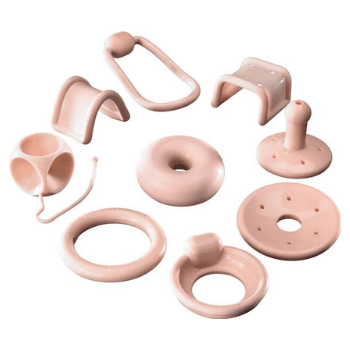
A pessary is a silicone device inserted into the vagina to support the urethra or pelvic organs.
Ideal for Stress Incontinence and Prolapse
It lifts the bladder neck, improving closure during physical strain. It also helps with mild to moderate pelvic organ prolapse.
Fitted and Adjusted by a Specialist
- Trial different shapes and sizes to find the best fit.
- Most women adapt within a few weeks.
- Can remain in place for weeks and is removed and cleaned by the patient or caregiver.
Key benefit: Non-surgical, reversible, and safe, even in frail or high-risk patients.
Some models, like a ring with knob, are specifically designed for incontinence. Replace every 3 to 6 months.
Choose Medications with Caution
Medications should follow first-line therapies and target specific incontinence types.
Avoid Anticholinergics in Older Adults
Drugs like oxybutynin, tolterodine, and solifenacin reduce bladder spasms but carry serious risks:
- Dry mouth and constipation
- Drowsiness and confusion
- Increased fall risk and potential dementia link
These drugs appear on the Beers Criteria list of potentially inappropriate medications for seniors.
Only use if benefits clearly outweigh risks, and at the lowest dose for the shortest time.
Discontinue after 12 weeks if no improvement occurs.
Prefer Beta-3 Agonists When Medication Is Needed
Mirabegron and vibegron relax the bladder without anticholinergic side effects.
- Fewer cognitive issues
- No dry mouth or constipation
- Safe with heart conditions (monitor blood pressure)
These medications cost more but are often worth it for older women. Allow a 12-week trial to assess response.
Explore Advanced Options When Needed
If conservative treatments fail after 3 to 6 months, advanced therapies may help.
Surgery for Stress Incontinence
Mid-urethral slings are the gold standard. A mesh tape supports the urethra, preventing leaks during activity.
- Success rate: 80 to 90% at 5 years
- Minimally invasive, outpatient procedure
- Risks include mesh erosion (rare) and voiding difficulty
Best suited for healthy, active women with pure stress incontinence.
Botox Injections for Overactive Bladder
OnabotulinumtoxinA injected into the bladder muscle reduces involuntary contractions.
- Works when medications fail
- Effects last 6 to 9 months
- May require clean intermittent catheterization in some cases
Administered in a clinic or surgery center.
Sacral Neuromodulation for Refractory Cases
A small implanted device sends electrical pulses to pelvic nerves, regulating bladder signals.
- Trial phase first with an external device
- If effective, a permanent stimulator is implanted
- Reversible and adjustable
Used for urgency, frequency, and non-obstructive retention.
Tailor Care for Frail or Cognitively Impaired Women
In nursing homes or with dementia, the focus shifts from cure to comfort and dignity.
Use the “DIAPERS” Mnemonic
A quick checklist helps uncover reversible causes:
- Delirium (from infection, medications, or dehydration)
- Infection (only treat UTI if symptomatic)
- Atrophic urethritis (low estrogen, try a vaginal ring)
- Pharmaceuticals (review all medications)
- Environmental or functional barriers
- Restricted mobility
- Stool impaction (check for constipation)
Addressing even one factor can dramatically improve symptoms.
Implement Practical Support Strategies
- Prompted voiding: Caregivers offer bathroom trips every 2 to 3 hours.
- Easy-access clothing: Velcro pants and front-opening garments simplify toileting.
- Clear path to toilet: Remove clutter and add nightlights.
- Incontinence products: Use absorbent pads and barrier creams to prevent skin breakdown.
Goal: Prevent falls, maintain skin integrity, and preserve dignity.
Low-maintenance options like the Estring or a pessary are ideal when self-care is limited.
Know When to Refer to a Specialist
Primary care can manage many cases, but some situations need expert care.
Refer for These Specific Indications
- No improvement after 3 months of conservative treatment
- Hematuria without infection
- High post-void residual volume
- Suspected fistula or neurological cause
- Desire for surgery or advanced therapy
Urogynecologists and urologists offer specialized testing (urodynamics, cystoscopy) and procedures not available in general practice.
Frequently Asked Questions About Incontinence in Elderly Women
What Is the Most Effective Treatment for Incontinence in Elderly Women?
Pelvic floor muscle training combined with bladder training offers the best first-line results for most types. For postmenopausal women, adding low-dose vaginal estrogen significantly improves outcomes. Studies show 60 to 70% improvement in stress incontinence with consistent pelvic floor therapy over 8 to 12 weeks.
Can Incontinence in Elderly Women Be Cured Completely?
Many women achieve complete resolution with proper treatment, especially for stress and urgency types. Mixed incontinence often improves substantially but may require ongoing management. Even when a full cure is not possible, symptoms can be reduced enough to restore normal activities and confidence.
Are Incontinence Medications Safe for Older Women?
Anticholinergic medications carry significant risks for older adults, including confusion, falls, and potential dementia link. Beta-3 agonists like mirabegron are safer alternatives with fewer cognitive side effects. Always discuss risks and benefits with your doctor before starting any medication.
When Should an Elderly Woman See a Specialist for Incontinence?
Seek specialist referral for sudden onset incontinence, blood in urine without infection, neurological symptoms, or no improvement after 3 months of conservative treatment. Urogynecologists and urologists provide advanced testing and treatments beyond primary care scope.
What Lifestyle Changes Help Most with Elderly Incontinence?
Weight loss, constipation management, and reducing bladder irritants (caffeine, alcohol) provide the biggest lifestyle improvements. Quitting smoking reduces chronic cough that worsens stress leakage. Staying adequately hydrated with 64 ounces daily supports healthy bladder function.
Is Surgery Safe for Elderly Women with Incontinence?
Minimally invasive sling procedures are generally safe for healthy older women, with 80 to 90% success rates at 5 years. Frail patients or those with multiple health conditions may benefit more from non-surgical options like pessaries or vaginal estrogen rings.
Key Takeaways for Managing Incontinence in Elderly Women
Incontinence in elderly women treatment is not one-size-fits-all, but effective solutions exist for every woman regardless of age or health status. Pelvic floor therapy, vaginal estrogen, pessaries, and safer medications can dramatically reduce or eliminate leakage. For frail patients, simple routine and environmental changes can preserve dignity and prevent complications.
The most important step is seeking help early. Do not accept leakage as a normal part of aging. Schedule an appointment with your healthcare provider, bring a 3 to 7 day voiding diary, and ask about the treatment options covered in this guide. With the right approach, most women regain control and reclaim their confidence, mobility, and quality of life.