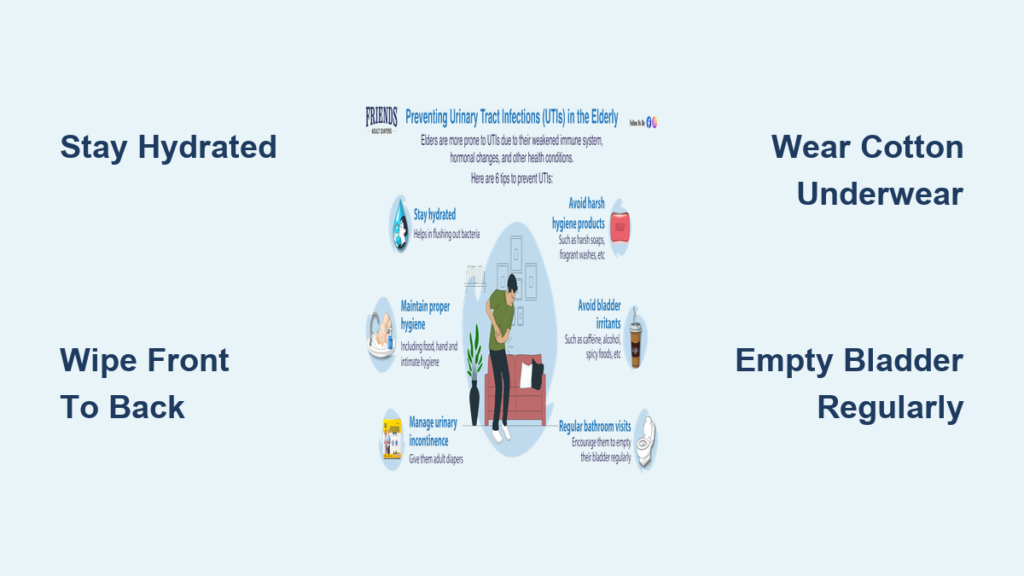
A sudden fever, confusion, or unusual fatigue in an older loved one can often trace back to a urinary tract infection. UTIs are among the most common infections in seniors, and they frequently appear with subtle or confusing symptoms. Learning how to prevent urinary tract infection in the elderly can save families from emergency room visits and long recovery periods.
This guide walks you through actionable prevention strategies, from hydration and hygiene to caregiver routines and early warning signs. Whether you are an older adult, a family caregiver, or a healthcare worker, these evidence-based tips will help reduce UTI risk and support lasting urinary health.
Why Seniors Face a Higher Risk of Urinary Tract Infections
Aging brings changes that make the urinary system more vulnerable. Bladder muscles weaken over time, leading to incomplete emptying. Reduced estrogen levels in postmenopausal women alter vaginal and urethral tissue, making bacterial colonization easier. Men with prostate enlargement often retain urine, creating a breeding ground for bacteria.
Immune function also declines with age, so the body responds less effectively to invading bacteria. Chronic conditions like diabetes further raise risk by increasing sugar in the urine, which feeds bacterial growth. Mobility limitations can delay bathroom trips, while cognitive issues such as dementia may impair personal hygiene.
Understanding these risk factors helps families target the right prevention strategies for each individual.
Hydration Habits That Lower UTI Risk in Older Adults
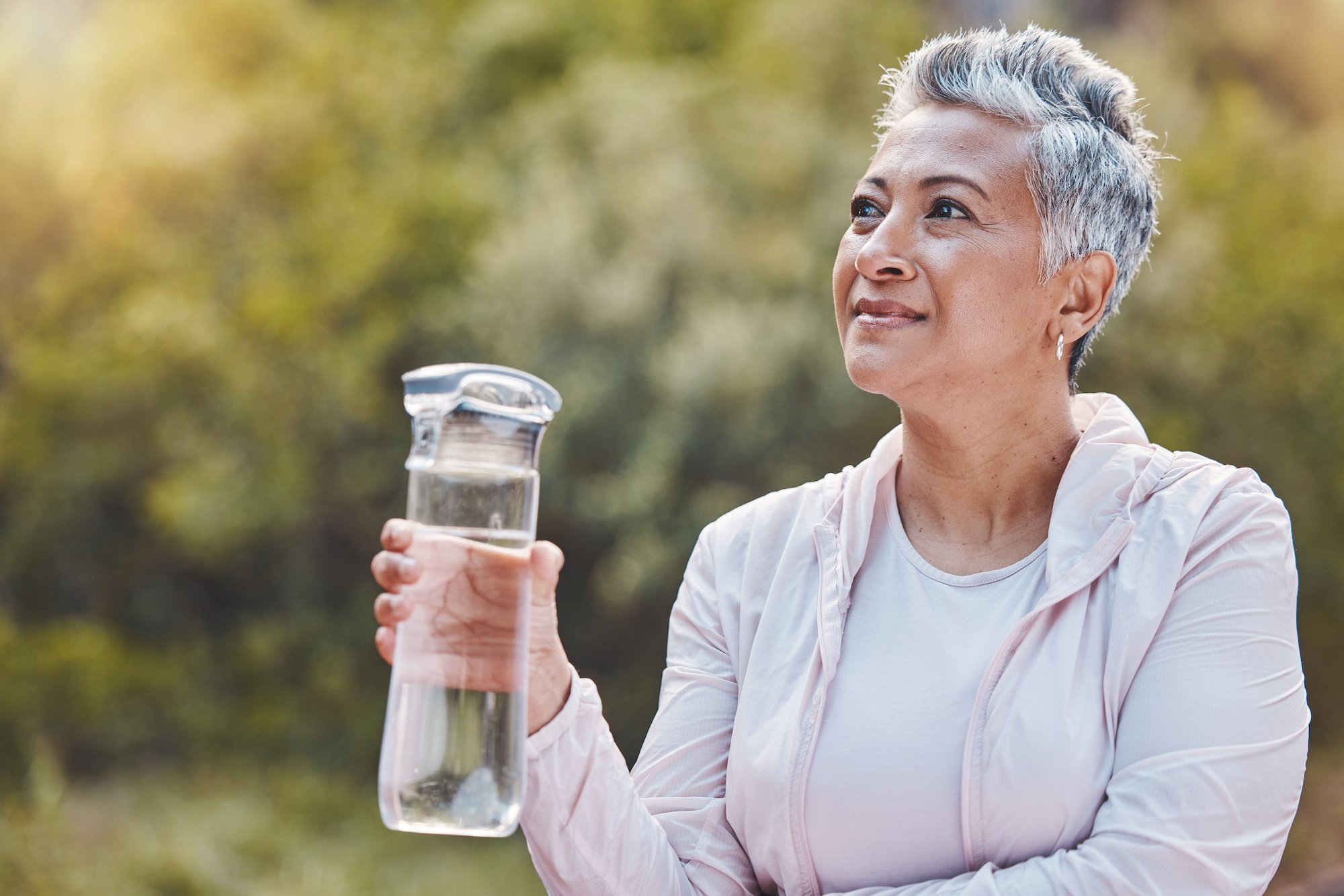
Water is the simplest and most powerful defense against UTIs. Adequate fluid intake dilutes urine and flushes bacteria from the bladder before they can multiply. Aim for at least six to eight glasses of water daily unless a doctor advises fluid restriction.
Keep a water bottle within easy reach throughout the day. Offer small sips during meals and between activities. For seniors who dislike plain water, try adding slices of lemon, cucumber, or berries for natural flavor.
Watch for signs of dehydration, including dark urine, dry lips, dizziness, and reduced urination. If your loved one resists drinking, set gentle reminders or use a hydration tracking app. Proper hydration remains one of the most effective ways to prevent urinary tract infection in the elderly.
Hygiene Practices That Help Prevent UTIs in the Elderly

Proper hygiene removes bacteria before it reaches the urinary tract. For women, always wipe from front to back after using the toilet. This simple habit prevents fecal bacteria from spreading toward the urethra.
Daily gentle cleansing of the genital area with warm water and mild, fragrance-free soap is sufficient. Avoid harsh douches, scented sprays, or antibacterial wipes, which can disrupt the natural protective flora. For men who are uncircumcised, retracting the foreskin and cleaning underneath is essential.
Incontinence care requires extra attention. Change soiled briefs or pads promptly and cleanse the skin thoroughly each time. Moisture and bacteria trapped against the skin dramatically increase infection risk.
Clothing and Personal Care Choices That Reduce Infection Risk
What your loved one wears affects urinary health more than most people realize. Choose breathable cotton underwear that allows airflow and reduces moisture buildup. Synthetic fabrics trap heat and dampness, encouraging bacterial growth.
Avoid tight-fitting pants or underwear that press against the urethra. Loose, comfortable clothing supports better circulation and dryness. Change underwear daily and after any episode of incontinence.
For seniors who use absorbent pads, select breathable products and change them frequently. Skin barrier creams can protect against irritation, but avoid products that leave heavy residue, which may trap bacteria.
Managing Bladder Habits to Prevent Urinary Tract Infections
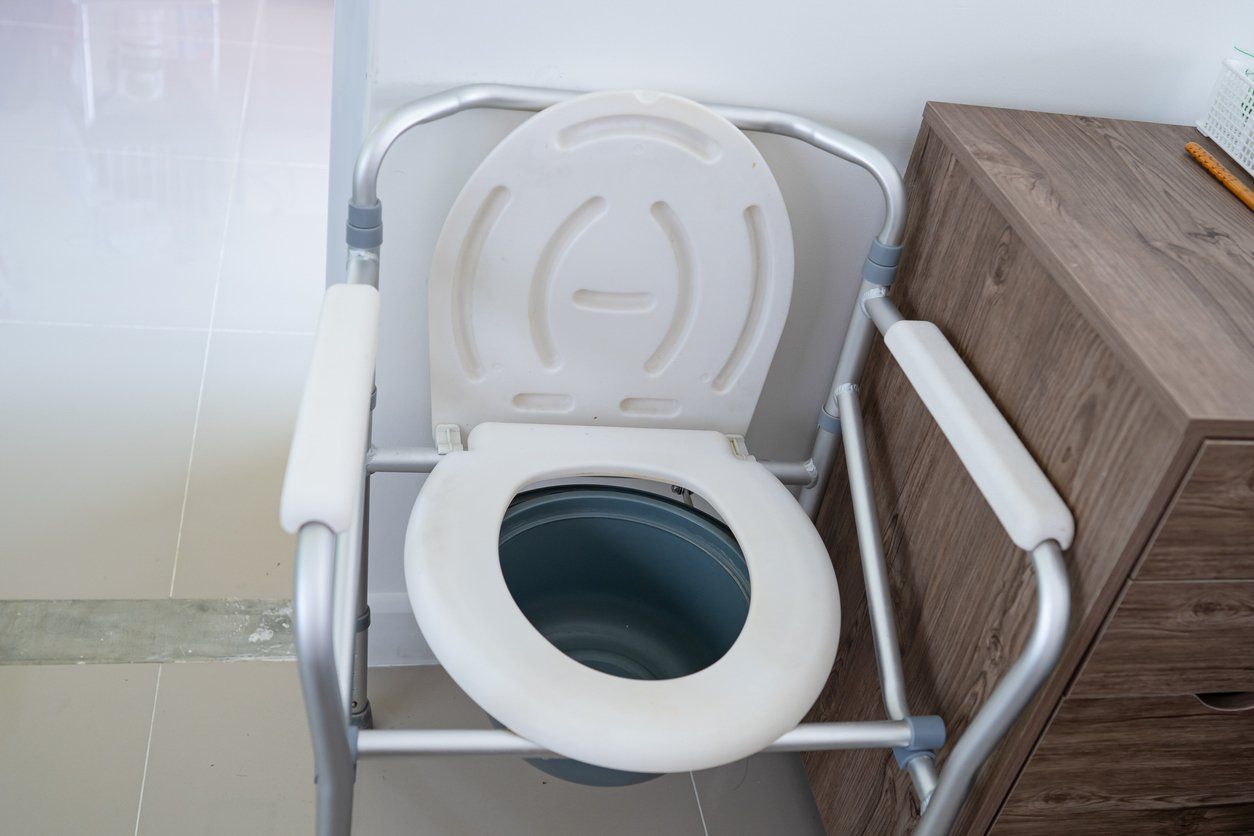
Regular, complete bladder emptying is critical for UTI prevention. Encourage bathroom visits every two to three hours during the day rather than waiting for urgency. Holding urine for long stretches allows bacteria to multiply.
Address mobility barriers that delay bathroom trips. Install grab bars, raised toilet seats, and nightlights along the path to the bathroom. For bedridden seniors, use a bedside commode and respond promptly to requests for assistance.
Treat constipation promptly, since a full bowel can press against the bladder and prevent complete emptying. A fiber-rich diet, adequate fluids, and gentle physical activity support regular bowel movements.
Diet and Supplements That Support UTI Prevention
Certain foods and supplements may offer additional protection against UTIs. Cranberry products, including juice and tablets, contain compounds that may prevent bacteria from adhering to the bladder wall. Evidence is mixed, but many clinicians recommend them as a low-risk preventive option.
Probiotic-rich foods such as yogurt and kefir support healthy vaginal and gut flora, which compete with harmful bacteria. Vitamin C increases urine acidity, creating a less hospitable environment for bacteria. Speak with a doctor before starting any new supplement, especially for seniors on multiple medications.
Limit bladder irritants like caffeine, alcohol, and spicy foods, which can worsen urinary symptoms and increase urgency.
Catheter and Medical Device Care to Avoid UTIs
Indwelling catheters are a leading cause of UTIs in elderly patients. If a catheter is medically necessary, strict hygiene is essential. Clean the catheter site daily with soap and water, and keep the drainage bag below bladder level to prevent backflow.
Avoid unnecessary catheter use. Ask healthcare providers to remove catheters as soon as possible. For seniors who self-catheterize, sterile technique and hand washing before each use are non-negotiable.
Regularly inspect the catheter and surrounding skin for signs of infection, including redness, swelling, foul odor, or cloudy urine. Report any concerns to a healthcare provider immediately.
Recognizing Early UTI Symptoms in Older Adults
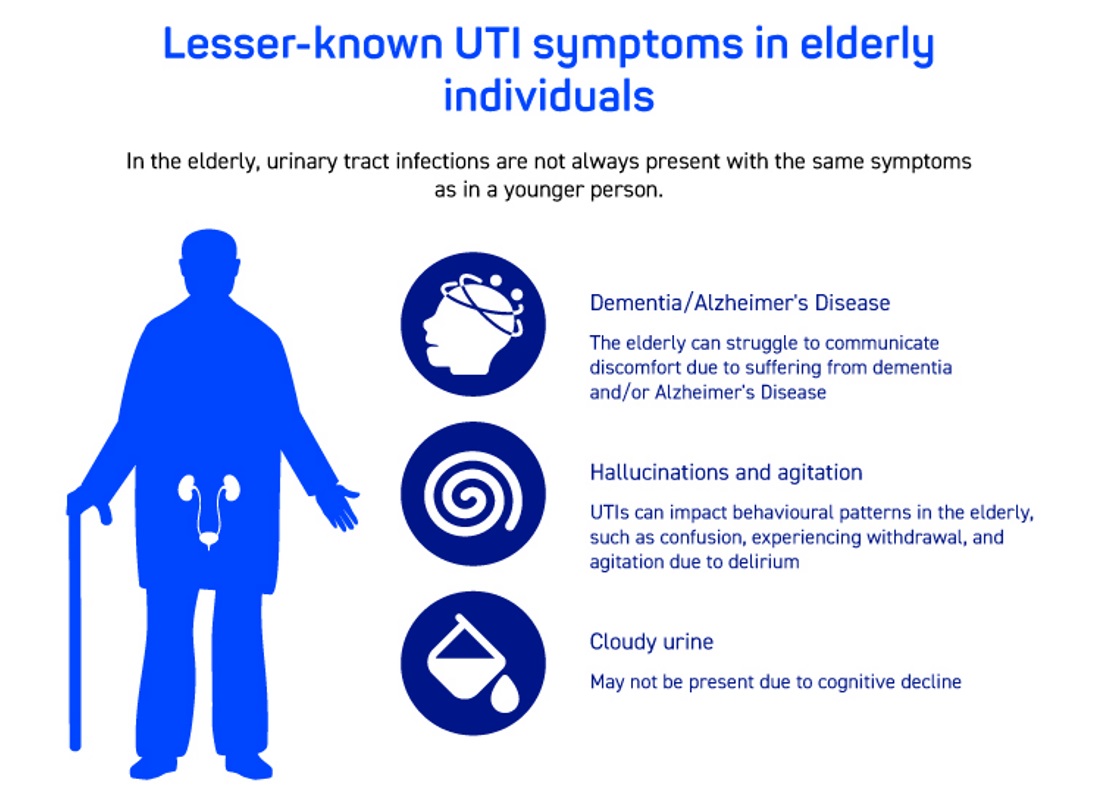
UTIs in seniors often present differently than in younger adults. Classic symptoms like burning during urination may be absent. Instead, watch for sudden confusion, agitation, hallucinations, or unusual withdrawal. These mental changes are frequently the first and only sign of a UTI in elderly individuals.
Other warning signs include:
- Fever or chills
- Strong-smelling or cloudy urine
- Blood in the urine
- Increased incontinence or urgency
- Lower abdominal or back pain
- Loss of appetite
Family members and caregivers who know the senior’s baseline behavior are often the first to notice these subtle shifts. Quick recognition leads to faster treatment and better outcomes.
When to Seek Medical Help for a Suspected UTI
Any suspected UTI in an elderly person warrants a prompt call to a healthcare provider. Untreated infections can spread to the kidneys or bloodstream, leading to sepsis, a life-threatening condition.
Seek urgent care if your loved one experiences:
- High fever above 101°F
- Severe back or side pain
- Persistent vomiting
- Worsening confusion or lethargy
- Blood in the urine
Bring a urine sample if possible, and list all current medications. Doctors will typically order a urinalysis and prescribe antibiotics if infection is confirmed. Follow the full course of treatment even after symptoms improve.
Caregiver Strategies for Reducing UTI Recurrence
Caregivers play a central role in long-term UTI prevention. Create a daily routine that includes hydration prompts, scheduled bathroom visits, and hygiene checks. Keep a simple log of fluid intake, bathroom times, and any symptoms to share with healthcare providers.
Encourage light physical activity, which supports circulation and bladder function. Help manage chronic conditions like diabetes through medication adherence and regular monitoring. Build a relationship with the senior’s healthcare team so concerns can be addressed quickly.
Patience and consistency matter most. Small daily habits, repeated faithfully, prevent urinary tract infection in the elderly far better than occasional interventions.
Frequently Asked Questions About Preventing UTIs in the Elderly
Can cranberry juice really prevent urinary tract infections in older adults?
Cranberry products may reduce the risk of recurrent UTIs by preventing bacteria from sticking to the bladder wall. However, evidence is mixed, and cranberry should not replace medical treatment. Sugar-free cranberry tablets are often preferred over juice, especially for seniors with diabetes.
Why does confusion sometimes signal a UTI in elderly people?
Infections can cause sudden inflammation throughout the body, including the brain. Older adults often show cognitive changes like confusion or delirium before any urinary symptoms appear. Any sudden mental shift in a senior should prompt evaluation for infection.
How much water should an elderly person drink to prevent UTIs?
Most seniors benefit from six to eight glasses of fluid daily, unless a doctor has restricted intake for heart or kidney conditions. Spread fluids throughout the day and monitor urine color. Pale yellow urine usually indicates good hydration.
Are UTIs contagious between seniors in care facilities?
UTIs themselves are not contagious, but the bacteria that cause them can spread through shared facilities, poor hand hygiene, or contaminated equipment. Proper hygiene and facility cleaning protocols are essential in group living settings.
What is the fastest way to treat a UTI in an elderly person?
Antibiotics prescribed by a doctor are the fastest and most effective treatment. Home remedies alone cannot cure an established infection. Early treatment prevents complications and speeds recovery, so seek medical care at the first signs of a UTI.
Can UTIs be prevented without medication?
Yes, many non-medication strategies effectively reduce UTI risk. Consistent hydration, proper hygiene, regular bathroom habits, and breathable clothing all contribute to prevention. These lifestyle measures are especially valuable for seniors who want to avoid repeated antibiotic use.
Key Takeaways for Preventing Urinary Tract Infections in Seniors
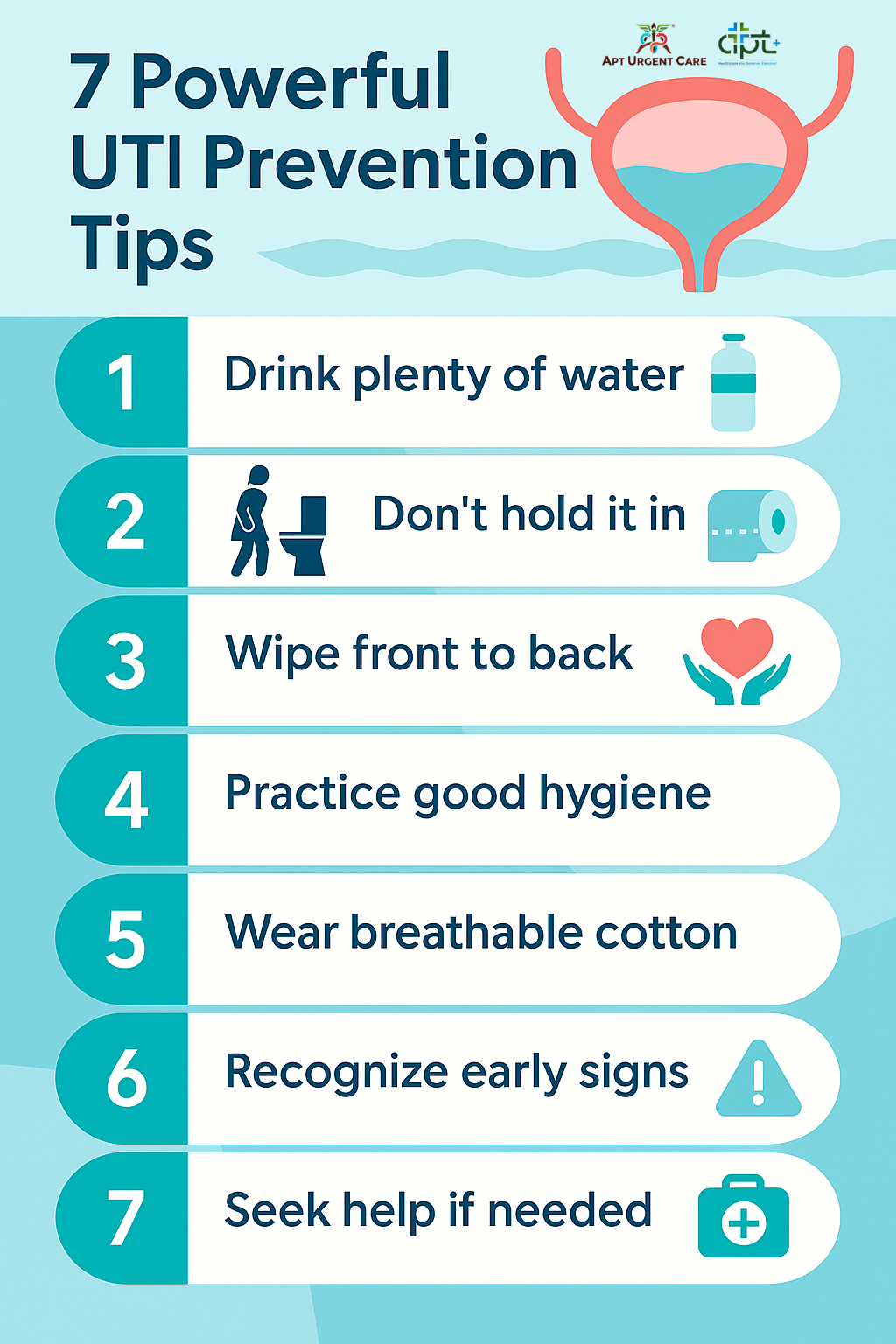
Preventing UTIs in older adults comes down to consistent daily habits. Hydration, hygiene, regular bathroom routines, and prompt attention to symptoms form the foundation of protection. Caregivers and family members who stay alert to subtle changes play a critical role in early detection.
Start with one or two changes this week. Add a water bottle within reach, schedule bathroom breaks, or review hygiene supplies. Each small step lowers the risk of infection and supports better overall health for the seniors in your care. For personalized advice, schedule a conversation with a healthcare provider to build a prevention plan tailored to your loved one’s needs.