If your older loved one was prescribed Flexeril (cyclobenzaprine) for muscle pain, you may be wondering whether it is truly safe. The answer, especially for adults over 65, is complicated. Flexeril side effects in elderly patients occur more often, hit harder, and can become dangerous compared to younger adults.
Older bodies process the drug more slowly, which leads to higher blood levels and prolonged effects. This increases the risk of falls, confusion, heart problems, and harmful drug interactions. This guide breaks down the most common and serious side effects, explains why aging bodies react differently, and offers critical safety steps to protect older adults.
Why Aging Bodies Accumulate Higher Drug Levels
One of the main reasons Flexeril is riskier for seniors is how their bodies handle the medication. Unlike younger people, elderly patients often accumulate higher concentrations of cyclobenzaprine in their bloodstream, which increases the chance and intensity of adverse reactions.
Slower Liver Metabolism
Cyclobenzaprine is processed primarily in the liver through enzymes like CYP3A4, CYP1A2, and CYP2D6. As people age, liver function naturally declines, reducing the body’s ability to break down and clear the drug. This leads to prolonged exposure and higher plasma levels.
- Average drug exposure in adults 65+ is 1.7 times higher than in younger adults
- Elderly men show even greater accumulation at 2.4 times higher than younger men
- This makes older men especially susceptible to toxicity
Prolonged Half-Life and Drug Buildup
The drug’s effective half-life in healthy adults averages 18 hours but can extend up to 37 hours. In older adults, the half-life increases further, meaning the drug stays active in the body longer.
Extended-release versions like Amrix are not recommended due to the inability to adjust the dose. This buildup directly increases the likelihood of sedation, confusion, and other CNS-related side effects, making even standard doses potentially dangerous for seniors.
CNS Side Effects: Sedation and Confusion
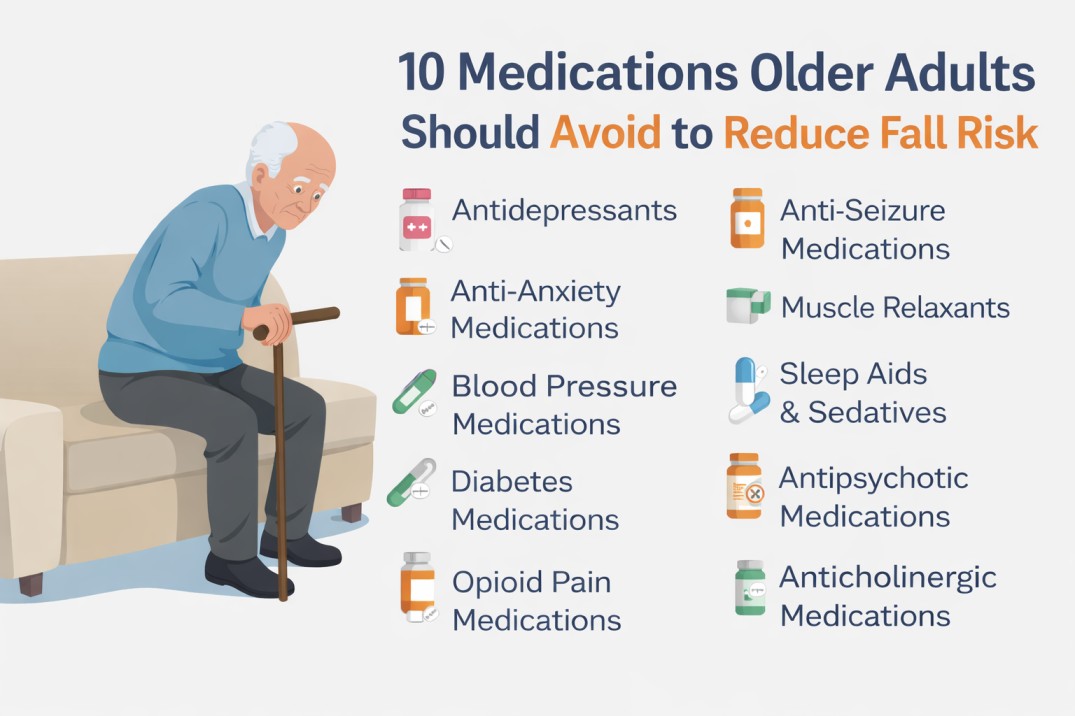
Central nervous system effects are the most common and concerning flexeril side effects in elderly patients. The drug works in the brain stem to reduce muscle activity, but this also suppresses alertness and cognitive function, effects that hit older adults harder.
Drowsiness and Fatigue
Drowsiness is the most frequently reported side effect and is especially problematic for seniors who already struggle with energy and mobility.
- 29 to 38 percent of patients on 5 to 10 mg experience drowsiness versus 10 percent on placebo
- Excessive sleepiness impairs daily function and is a leading contributor to falls
- Fatigue affects 6 percent of users and often persists even after waking
If an older adult seems unusually sleepy after starting Flexeril, consider it a red flag rather than a normal reaction.
Confusion and Hallucinations
Cognitive disturbances are rare in younger users but occur more frequently in older adults due to the drug’s anticholinergic properties. Symptoms include mental fogginess, disorientation, memory issues, hallucinations, and abnormal thinking.
These effects can mimic or worsen dementia or delirium, leading to misdiagnosis or unsafe behavior. Hallucinations or sudden personality changes require immediate discontinuation and medical evaluation.
Dizziness and Loss of Coordination
Neurological side effects like dizziness and unsteadiness compound fall risk when combined with sedation. Dizziness affects 1 to 11 percent of users, especially at 10 mg doses.
Ataxia is rare but serious and includes clumsiness, tremors, and loss of balance. Orthostatic hypotension, a sudden drop in blood pressure when standing, is often triggered by drowsiness and dizziness.
Encourage slow position changes. Sitting for 30 seconds before standing can reduce fainting risk.
Cardiovascular Risks in Aging Hearts

Flexeril carries cardiac risks similar to tricyclic antidepressants, making it especially hazardous for seniors with existing heart conditions or high blood pressure.
Irregular Heartbeats and Arrhythmias
Although rare (under 1 percent), heart rhythm disturbances are serious and potentially life-threatening. Reported issues include tachycardia, palpitations, and conduction delays.
Overdose or toxicity can cause QRS widening of 0.10 seconds or more, a sign of severe cardiac involvement. The drug is contraindicated in patients with arrhythmias, heart block, or recent heart attack.
Low Blood Pressure and Fainting
Hypotension and syncope are linked to the drug’s vasodilatory effects. Orthostatic hypotension is common in elderly patients and causes dizziness or fainting upon standing.
Syncope increases fall and head injury risk. Rare cases of stroke, heart attack, or heart block have occurred, especially with overdose or in vulnerable patients. Monitor blood pressure regularly if Flexeril must be used.
Anticholinergic Effects: Dry Mouth to Urinary Issues
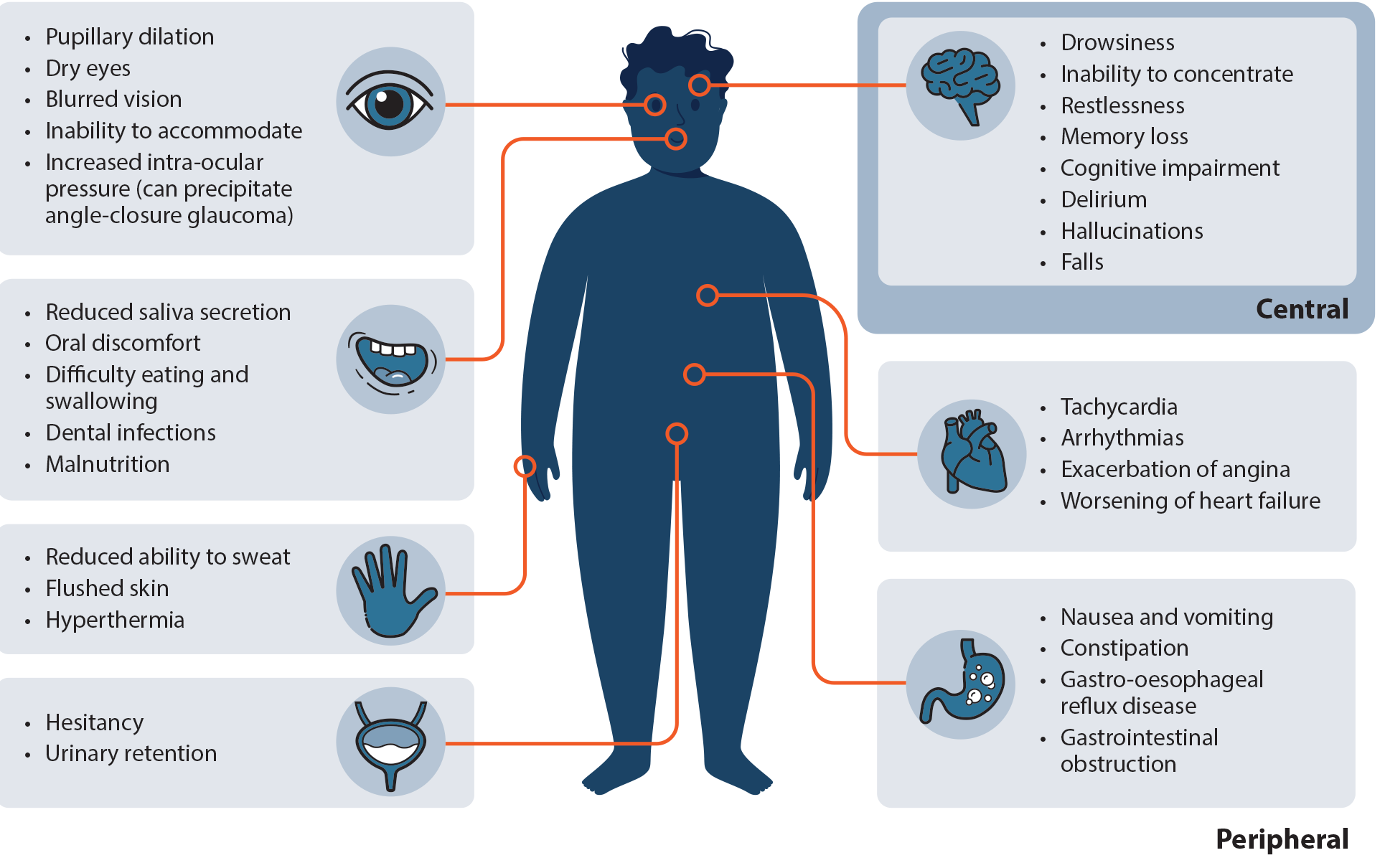
Flexeril’s anticholinergic activity affects multiple organ systems and is a major source of discomfort and complications in older adults.
Severe Dry Mouth
Dry mouth is one of the most common side effects and poses real health risks beyond discomfort. It affects up to 32 percent of users on 10 mg versus 7 percent on placebo.
In older adults, dry mouth causes difficulty chewing and swallowing and increases the risk of dental decay, gum disease, and oral infections. Use sugar-free gum or lozenges, stay hydrated, and consider saliva substitutes. Persistent dry mouth lasting more than 2 weeks requires medical evaluation.
Constipation and Bowel Complications
Slowed gut motility from anticholinergic effects can lead to serious gastrointestinal issues. Constipation affects 1 to 3 percent of users.
In elderly patients, severe constipation can lead to fecal impaction, a common cause of hospitalization. Rare cases of paralytic ileus (bowel obstruction) have been reported. Increase fiber and fluid intake and consider stool softeners if needed.
Urinary Retention in Men with BPH
Bladder dysfunction is a critical concern, especially for older men. The drug relaxes the bladder muscle, making urination difficult.
Men with benign prostatic hyperplasia (BPH) are at high risk. Symptoms include hesitancy, weak stream, incomplete emptying, or complete inability to urinate. Avoid or use with extreme caution in patients with a history of urinary retention.
Blurred Vision and Glaucoma Risk
Blurred vision affects 1 to 3 percent of users and can interfere with driving or reading. The drug may also increase intraocular pressure and is contraindicated in patients with angle-closure glaucoma.
Serotonin Syndrome and Dangerous Drug Interactions

Polypharmacy is common in seniors, making drug interactions a top safety concern with Flexeril. The most dangerous is serotonin syndrome, a potentially fatal condition.
Recognizing Serotonin Syndrome
Serotonin syndrome occurs when Flexeril is combined with other serotonergic drugs. Common triggers include SSRIs like fluoxetine and sertraline, SNRIs like duloxetine, triptans, tramadol, and MAO inhibitors.
Mild symptoms include sweating, tremor, restlessness, and fast heart rate. Severe symptoms include high fever, muscle rigidity, confusion, seizures, and coma. Stop all serotonergic drugs immediately and seek emergency care.
Dangerous CNS Depressant Combinations
Flexeril enhances the effects of other sedatives, greatly increasing fall and respiratory risks. High-risk combinations include benzodiazepines, opioids, sleeping pills, and alcohol.
Effects include severe drowsiness, confusion, slowed breathing, and coma. Avoid alcohol completely, as it dramatically increases sedation and dizziness.
MAOI Interaction: Life-Threatening Risk
Combining Flexeril with monoamine oxidase inhibitors is absolutely contraindicated. MAOIs include isocarboxazid, phenelzine, selegiline, tranylcypromine, and linezolid.
Co-administration can cause hyperthermia, seizures, cardiovascular collapse, and death. Wait at least 14 days after stopping an MAOI before starting Flexeril.
Safe Dosing Guidelines for Elderly Patients
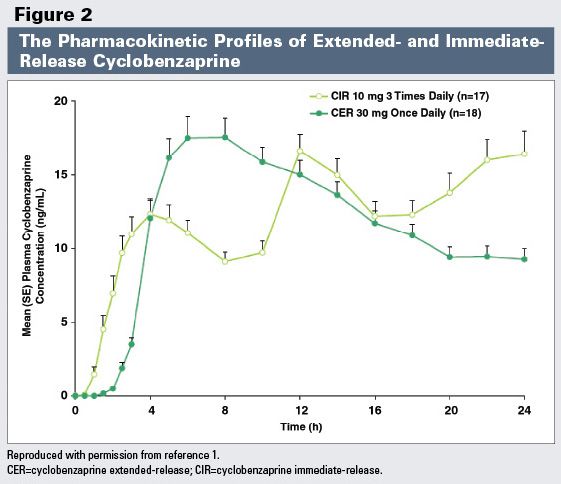
If Flexeril must be used, strict dosing protocols are non-negotiable to minimize risks in older adults.
Start Low and Go Slow
The standard adult dose is too high for most seniors. The initial dose should be 5 mg three times daily using immediate-release tablets only. Avoid 10 mg tablets unless absolutely necessary and well-tolerated.
Increase only under close supervision and if needed. Most elderly patients should not exceed 5 mg three times daily. There is no evidence that higher doses improve outcomes in seniors, only increase side effects.
Avoid Extended-Release Forms
Extended-release capsules (Amrix, 15 to 30 mg) are not recommended for elderly patients. Fixed high doses cannot be adjusted, leading to excessively high blood levels and prolonged sedation. Use only immediate-release tablets for precise dose control.
Adjust for Liver Function
Many seniors have reduced liver function, further increasing drug levels. For mild impairment, start at 5 mg and monitor closely. For moderate to severe liver disease, use is not recommended. Extended-release is contraindicated in any liver impairment.
Limit Treatment Duration
Flexeril is meant for short-term use only, typically 2 to 3 weeks. There is no evidence of long-term benefit, and risk increases with prolonged use. After 2 to 3 weeks, reassess the need and consider non-drug therapies.
Overdose Dangers and Emergency Response
Overdose is a real risk, especially in confused or forgetful seniors who may double-dose. Common symptoms include extreme drowsiness, fast heart rate, and dry, hot, or flushed skin.
Neurological symptoms include seizures, coma, hallucinations, and slurred speech. Cardiac symptoms include arrhythmias, hypotension, and QRS widening on ECG.
If overdose is suspected, call Poison Control at 1-800-222-1222 or go to the ER immediately. Do not induce vomiting if the person is unconscious. Treatment may include activated charcoal, IV sodium bicarbonate, benzodiazepines for seizures, and cardiac monitoring. Dialysis is ineffective due to high protein binding.
Who Should Avoid Flexeril Completely?
Certain conditions make Flexeril too dangerous for elderly patients. Absolute contraindications include MAOI use within 14 days, arrhythmias, heart block, recent heart attack, congestive heart failure, angle-closure glaucoma, urinary retention, severe liver disease, and hyperthyroidism.
Use with extreme caution in patients with mild liver impairment, seizure history, cognitive impairment or dementia, orthostatic hypotension, or polypharmacy (5 or more medications).
Frequently Asked Questions About Flexeril Side Effects in Elderly
Is Flexeril Safe for Seniors Over 65?
Flexeril is generally not recommended for seniors over 65 due to increased risk of falls, confusion, heart problems, and drug interactions. Major guidelines advise avoiding muscle relaxants in older adults whenever possible.
What Is the Safest Dose of Flexeril for Elderly Patients?
The safest dose is 5 mg three times daily using immediate-release tablets. Most elderly patients should not exceed this amount. Extended-release forms should be avoided entirely.
How Long Can an Elderly Person Take Flexeril?
Treatment should be limited to 2 to 3 weeks. There is no evidence of benefit beyond this period, and side effect risks increase with longer use.
Can Flexeril Cause Dementia or Memory Loss?
Flexeril does not cause permanent dementia, but its anticholinergic effects can mimic or worsen existing dementia symptoms. Confusion, memory issues, and hallucinations may occur and typically resolve after stopping the drug.
What Drugs Should Not Be Taken With Flexeril?
Avoid combining Flexeril with MAOIs, SSRIs, SNRIs, tramadol, opioids, benzodiazepines, sleeping pills, and alcohol. These combinations can cause serotonin syndrome or dangerous sedation.
What Should Caregivers Watch For?
Watch for sudden confusion, hallucinations, irregular heartbeat, inability to urinate, severe dizziness, fainting, or high fever with muscle stiffness. Stop the drug and call a doctor immediately if any of these occur.
Key Takeaways for Managing Flexeril Side Effects in Elderly
Flexeril can relieve muscle spasms, but flexeril side effects in elderly patients are often more harmful than the condition it treats. Due to high risks of falls, confusion, heart problems, and drug interactions, it should be avoided in seniors whenever possible.
If prescribed, use the lowest dose of 5 mg, limit duration to 3 weeks or less, and choose immediate-release form only with close monitoring. Always discuss safer alternatives like physical therapy, heat or cold therapy, or non-anticholinergic pain relievers with the prescribing provider.