Flu symptoms in elderly adults can be dangerously misleading. Unlike younger people who typically develop fever, cough, and body aches, older adults often show subtle or atypical signs that go unnoticed. This age group accounts for the majority of flu-related hospitalizations and deaths each year, not because the virus is stronger, but because the body’s defenses weaken with age.
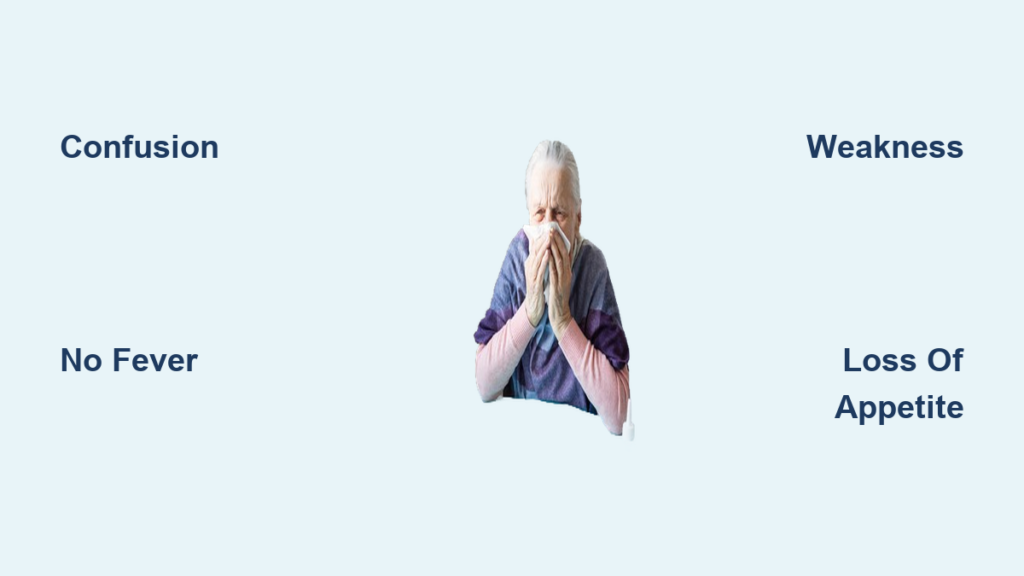
Recognizing flu symptoms in elderly individuals requires looking beyond the usual indicators. A lack of fever, sudden confusion, or simply refusing to eat may be the only clues. Because these signs can mimic normal aging or other illnesses, timely diagnosis is often delayed. This guide breaks down what to watch for, when to act, and how to protect vulnerable seniors at home or in care facilities.
Atypical Flu Signs in Seniors
Why Fever Often Stays Absent
One of the most misleading aspects of flu in older adults is the lack of high fever. While younger adults often spike temperatures above 101°F, seniors may not develop significant fever at all, even with active infection. This does not mean they are less sick. The absence of fever can actually mask severity.
The CDC defines fever in older adults using adjusted thresholds:
• A single reading above 100°F (37.8°C)
• Repeated readings above 99°F (37.2°C)
• A rise of more than 2°F (1.1°C) above the person’s normal baseline
Caregivers should monitor temperatures regularly during flu season, especially when other subtle symptoms appear. Relying on fever alone can lead to missed diagnoses.
Mental Confusion as a First Warning
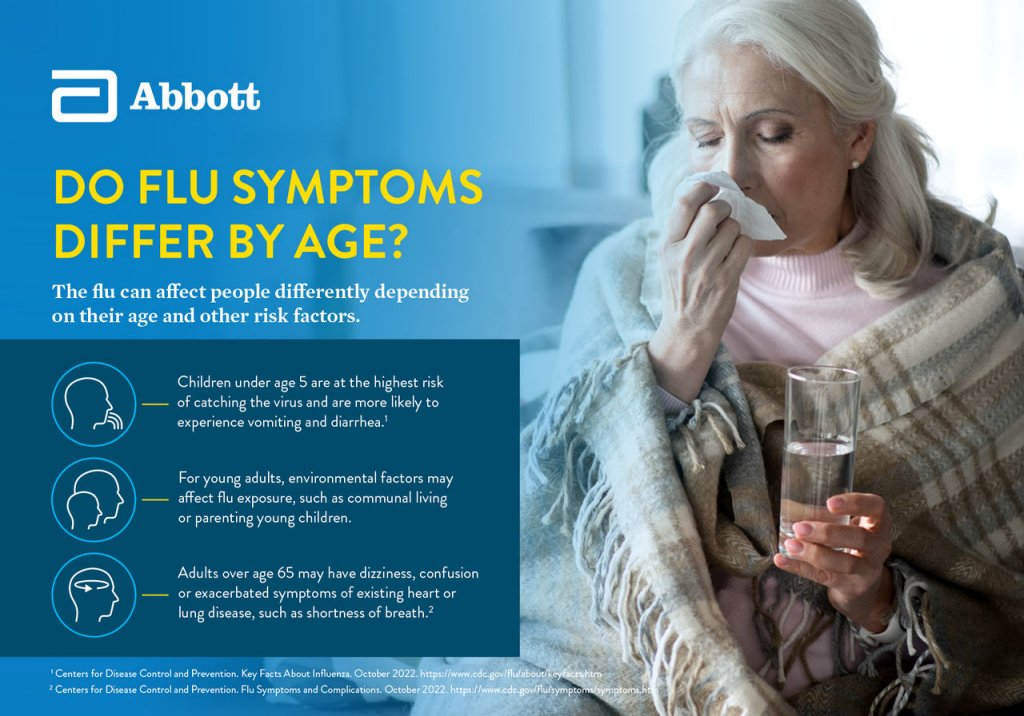
Sudden confusion or delirium may be the first and only sign of flu in an elderly person. This can appear as disorientation, agitation, difficulty following conversations, or even hallucinations. Families often mistake this for dementia progression, but an abrupt change in mental status should raise immediate red flags.
Infection triggers inflammation, which can disrupt brain function in older adults. This is especially dangerous because it may delay medical care. If an older adult becomes confused during flu season, assume infection until proven otherwise.
Pro tip: Track baseline cognition. If your loved one suddenly cannot remember the day, repeats questions, or seems unlike themselves, seek medical evaluation immediately, even without cough or fever.
Loss of Appetite and Sudden Weakness
Anorexia (loss of appetite) and generalized weakness are frequently overlooked flu symptoms in elderly patients. Seniors may stop eating or drinking, become lethargic, or struggle to get out of bed. These signs are often dismissed as simply feeling under the weather, but when combined with a slight temperature rise or social withdrawal, they signal possible flu.
Watch for these changes:
• Refusal to eat meals
• Drinking significantly less fluid
• Increased falls or unsteadiness
• Lack of interest in usual activities
These changes may precede respiratory symptoms by days or never appear at all.
Typical Flu Symptoms in Older Adults
Cough, Fatigue, and Body Aches
While atypical symptoms dominate, many seniors still experience classic flu signs, though often less intensely. Common presentations include:
• Dry cough that may worsen over time
• Sore throat (less common than in younger adults)
• Nasal congestion or runny nose
• Generalized aches and pains
• Severe fatigue lasting days to weeks
• Chills
Fatigue is often the most persistent symptom. Older adults may feel wiped out for weeks, increasing fall risk and reducing mobility.
Common mistake: Attributing fatigue solely to aging. If exhaustion follows a sudden illness onset, consider flu as the cause.
Headache and Mild Fever
When present, headaches tend to be dull and persistent rather than migrainous. Combined with chills and slight temperature elevation, they may serve as early clues. Remember that a mild fever between 99°F and 100°F in an older adult can represent a serious infection requiring attention.
Flu vs. Cold vs. COVID-19: Spot the Difference

Key Symptom Comparison
| Symptom | Common Cold | Flu (Elderly) | COVID-19 |
|---|---|---|---|
| Onset | Gradual | Sudden | Variable |
| Fever | Rare | Often low or absent | Common |
| Cough | Mild | Dry, persistent | Dry, may worsen |
| Fatigue | Mild | Severe | Severe |
| Confusion | No | Yes (common) | Yes (in elderly) |
| Loss of Taste/Smell | Rare | No | Frequent |
| Breathing Issues | No | Possible | Common |
Flu and COVID-19 are clinically indistinguishable without testing. Both can cause confusion, low-grade fever, and respiratory decline in seniors. Testing is essential before treatment decisions.
When Testing Becomes Necessary
Seek diagnostic testing if the person:
• Develops sudden fatigue or confusion
• Has a temperature above 100°F
• Shows worsening of chronic conditions like COPD or heart failure
• Lives in a group setting such as a nursing home or assisted living facility
Rapid antigen tests and PCR panels can differentiate between flu, RSV, and COVID-19, guiding proper isolation and treatment.
Complications That Turn Deadly
Pneumonia and Respiratory Failure
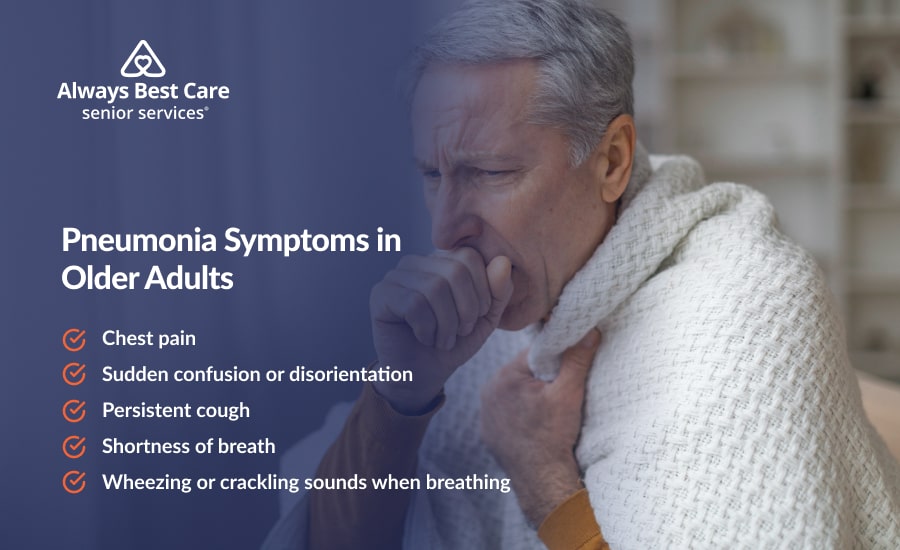
Pneumonia is the most common and dangerous flu complication in the elderly. It can appear as viral pneumonia from direct lung infection or bacterial pneumonia as a secondary infection after flu weakens the lungs.
Warning symptoms include:
• Worsening cough with colored mucus
• Shortness of breath at rest
• Rapid breathing or heart rate
• Bluish lips or nails (late-stage sign)
Hospitalization rates for flu-related pneumonia are highest in those over 65.
Heart Problems Triggered by Flu
The flu places significant stress on the cardiovascular system. In older adults with heart disease, it can trigger heart attacks, arrhythmias, or worsening heart failure. Studies show flu vaccination reduces cardiac events in high-risk patients. The body’s inflammatory response to the virus destabilizes plaque in arteries and increases clotting risk.
Urgent: Chest pain or pressure during flu illness requires immediate emergency care.
Deterioration of Chronic Conditions
Flu does not just add symptoms. It exacerbates existing diseases throughout the body:
• Diabetes: Blood sugar becomes harder to control
• COPD or asthma: Increased wheezing and need for oxygen
• Kidney disease: Dehydration and infection worsen function
• CHF: Fluid buildup accelerates, causing swelling and breathlessness
A minor infection can send a stable chronic condition into crisis.
Warning Signs Requiring Emergency Care
Trouble Breathing or Chest Pain
Shortness of breath at rest, wheezing, or chest tightness are red flags that demand immediate action. These may indicate pneumonia, pulmonary edema, or heart strain.
Act now: Call 911 or go to the ER if breathing is labored or chest pain persists.
Confusion or Inability to Wake Up
Sudden disorientation, slurred speech, or difficulty staying awake suggest possible sepsis, low oxygen, or neurological involvement. This is a medical emergency.
Fever That Returns After Improving
A fever that goes away and then comes back often signals a secondary bacterial infection, such as pneumonia or a urinary tract infection. Seek care immediately.
Severe or Persistent Vomiting
Inability to keep fluids down leads to dangerous dehydration, especially in older adults with reduced fluid reserves. Warning signs include:
• Dry mouth
• Dark urine
• Dizziness when standing
• Low blood pressure
Oral rehydration may not be enough. IV fluids are often needed.
Vaccination: Best Protection for Seniors
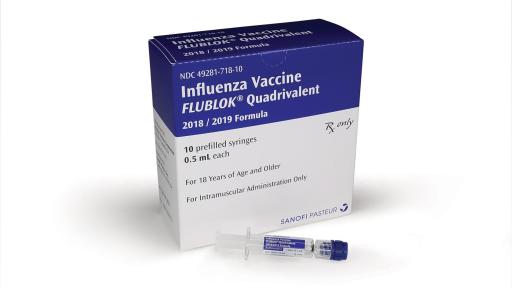
Use High-Dose or Adjuvanted Vaccines
Standard flu shots are less effective in older adults due to weakened immune response. The CDC recommends one of three enhanced vaccines for those 65 and older:
• Fluzone High-Dose Quadrivalent (contains 4x antigen)
• Fluad Quadrivalent (contains adjuvant to boost response)
• Flublok Quadrivalent (recombinant, high-antigen formula)
These vaccines reduce flu risk by 20 to 30 percent more than standard shots and lower hospitalization rates.
Optimal Timing: Get Vaccinated by October
The best vaccination window runs from September through the end of October. Avoid early vaccination before September because immunity may wane by spring. Late vaccination still helps. Even in January, protection is valuable.
Immunity takes about two weeks to develop, so plan accordingly.
Vaccine Safety and Side Effects
The vaccine cannot cause flu. Vaccines contain inactivated virus or no virus at all. Common side effects include sore arm, mild headache, low-grade fever, and muscle aches. These typically last one to two days and rarely interfere with daily life. Egg-free options are available for those with allergies.
The only contraindication is a history of severe allergic reaction (anaphylaxis) to a prior flu vaccine.
Antiviral Treatment: Time Is Critical
Start Within 48 Hours of Symptoms
Antiviral drugs like oseltamivir (Tamiflu), baloxavir (Xofluza), or zanamivir (Relenza) can shorten illness by one to two days, reduce symptom severity, and lower hospitalization risk by up to 40 percent. But they work only if started early, ideally within 48 hours of symptom onset. Delaying treatment reduces effectiveness.
Key point: Do not wait for test results. If flu is suspected in a senior, doctors can prescribe antivirals based on symptoms and exposure history.
Who Should Get Antivirals?
Antivirals are strongly recommended for:
• Adults 65 and older
• Those with heart, lung, kidney, or liver disease
• Diabetics
• Residents of nursing homes or long-term care facilities
These high-risk patients benefit most, even if symptoms appear mild.
Antibiotics Do Not Treat Flu
Antibiotics do not work on viruses. They are only used if a secondary bacterial infection develops, such as bacterial pneumonia or sinus infection. Overuse leads to resistance and unnecessary side effects.
Home Care and Recovery Tips
Prioritize Rest and Hydration
Encourage plenty of fluids such as water, broth, and electrolyte drinks. Avoid alcohol and caffeine because they worsen dehydration. Offer small, frequent meals if appetite is low. Rest in a recliner or bed with the head elevated to ease breathing.
Dehydration is a major risk. Monitor urine color and mental status closely.
Manage Fever and Pain Safely
Use acetaminophen (Tylenol) or ibuprofen (Advil) for fever reduction and headache or muscle aches. Follow these precautions:
• Avoid ibuprofen in those with kidney disease or stomach ulcers
• Do not exceed 3,000 mg of acetaminophen per day (lower for liver issues)
• Never give aspirin to seniors for viral illness due to Reye’s syndrome risk
Prevent Spread in the Home
Take these steps to protect other household members:
• Isolate the sick person if possible
• Wear masks during close contact
• Wash hands frequently with soap and water
• Disinfect high-touch surfaces like doorknobs, remotes, and phones
• Avoid sharing utensils, towels, or bedding
Seniors in assisted living or nursing homes should notify staff immediately.
Prevention Beyond Vaccination
Practice Daily Hygiene
Build these habits into daily routines:
• Handwashing: Scrub for at least 20 seconds, especially after coughing or using the bathroom
• Cough etiquette: Cover mouth with elbow or tissue
• Avoid touching face, especially eyes, nose, and mouth
• Stay home when sick, even with mild symptoms
Limit Exposure During Outbreaks
Avoid crowded places during peak flu season from December through February. Postpone visits to hospitals or nursing homes if feeling unwell. Use telehealth for minor concerns to reduce exposure risk.
Support Immune Health Year-Round
Build resilience long before flu season arrives:
• Eat a balanced diet rich in fruits, vegetables, and protein
• Stay physically active within your ability
• Manage stress and ensure quality sleep
• Stay up to date on pneumonia vaccines (PCV20, PPSV23)
Frequently Asked Questions About Flu Symptoms in Elderly
What Are the Most Common Flu Symptoms in Elderly Adults?
The most common flu symptoms in elderly adults include dry cough, severe fatigue, body aches, and chills. However, atypical signs like confusion, loss of appetite, and weakness are equally important. Many seniors do not develop high fever, making these subtle indicators critical for early detection.
Why Don’t Older Adults Always Get a Fever With the Flu?
Older adults often have lower baseline body temperatures and weakened immune responses, which can prevent the typical fever spike. The CDC uses adjusted thresholds for fever in seniors: a single reading above 100°F, repeated readings above 99°F, or a rise of more than 2°F above normal baseline.
When Should I Take an Elderly Person to the ER for Flu?
Seek emergency care immediately if the person experiences trouble breathing, chest pain or pressure, sudden confusion, difficulty staying awake, severe vomiting, or a fever that returns after improving. These signs suggest serious complications like pneumonia, sepsis, or heart problems.
How Effective Is the Flu Vaccine for Seniors?
High-dose and adjuvanted flu vaccines recommended for adults 65 and older are 20 to 30 percent more effective than standard shots. They significantly reduce hospitalization and death rates in this age group. Annual vaccination remains the best protection available.
Can Antiviral Medications Help Elderly Flu Patients?
Yes. Antivirals like oseltamivir (Tamiflu) can shorten illness, reduce symptom severity, and lower hospitalization risk by up to 40 percent when started within 48 hours of symptom onset. They are strongly recommended for all adults over 65 with suspected flu.
How Long Are Elderly People Contagious With the Flu?
Standard adults remain contagious for about 5 days after symptom onset. Elderly and immunocompromised individuals may shed the virus for 7 days or longer due to weakened immune clearance. Isolation during this period helps protect others.
Key Takeaways for Protecting Seniors From Flu

Flu symptoms in elderly adults are often silent, subtle, or mistaken for normal aging. Watch for confusion, low-grade fever, loss of appetite, and sudden weakness. These atypical signs can be the only clues to a serious infection.
Act fast when symptoms appear. Vaccinate by October using a high-dose or adjuvanted formula. Test promptly when flu is suspected and start antivirals within 48 hours for the best outcome.
Share this knowledge with caregivers, family members, and healthcare providers to protect those most at risk. Most flu complications in seniors are preventable with vigilance, timely action, and consistent prevention habits throughout the year.