Your grandmother seems more tired than usual. She skips her afternoon tea and forgets where she put her glasses. You might chalk it up to age, but these could be elderly dehydrated symptoms quietly taking hold. Dehydration in seniors is common, often overlooked, and can escalate faster than most people expect.
This guide covers the warning signs to watch for, why older adults face higher risk, and simple steps to treat and prevent dehydration. You’ll learn how to recognize subtle clues, respond quickly when symptoms appear, and build daily habits that keep your loved one safe.
Why Older Adults Are at Higher Risk for Dehydration
The body’s water management system changes over time. These shifts make fluid loss more likely, even without obvious illness or heat exposure.
A Weakened Thirst Signal
Older adults often don’t feel thirsty, even when their bodies clearly need fluids. The brain’s thirst mechanism becomes less responsive with age. This means seniors can go many hours without drinking, simply because the urge never arrives.
Less Efficient Kidneys
Kidneys help the body conserve water. With age, they lose the ability to concentrate urine, causing more fluid to be lost throughout the day. Seniors must drink more consistently to compensate for this natural change.
Medications That Drain Fluids
Several common prescriptions raise dehydration risk without patients realizing it:
– Diuretics for high blood pressure
– Certain antidepressants
– Laxatives used for chronic constipation
If your loved one takes any of these, fluid intake deserves extra attention and tracking.
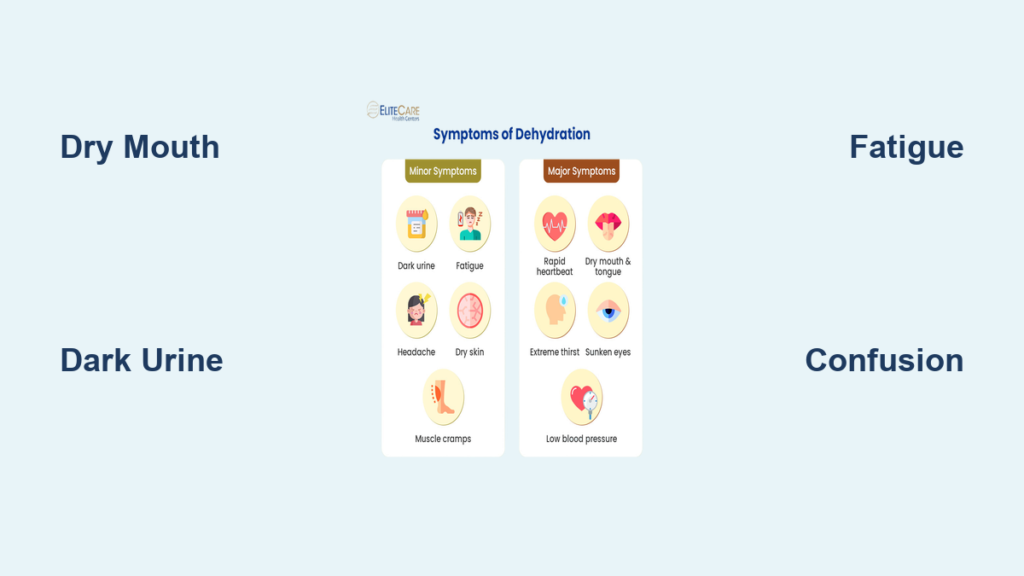
Recognize Early Elderly Dehydrated Symptoms
:max_bytes(150000):strip_icc()/Health-dehydration-symptoms-7480908-Horiz-e2500f0828b746ee9d2e2b5257af60cb.jpg)
Catching dehydration in its early stages can prevent hospital visits. These signs often show up before things get serious.
Dry Mouth, Lips, and Skin
A sticky mouth or cracked lips are often the first clues. Dry, flaky skin on the hands and arms can also signal fluid loss. Try a quick skin pinch test on the back of the hand. If the skin doesn’t bounce back quickly, dehydration may be the cause.
Dark or Infrequent Urination
Healthy hydration shows clearly in urine color. Watch for these patterns:
– Urinating fewer than four times daily
– Dark yellow or amber urine
– Strong or unusual odor
Light, straw-colored urine suggests good hydration levels.
Sudden Fatigue or Sluggishness
Unusual tiredness that appears without explanation deserves attention. When fatigue comes on quickly and pairs with other signs on this list, dehydration is a likely culprit worth ruling out first.
Mild Confusion or Irritability
The brain depends on proper fluid balance to function well. Watch for these subtle shifts:
– Trouble following conversations
– Forgetting simple details
– Uncharacteristic mood changes
These cognitive changes often improve once fluids are properly restored.
Identify Severe Dehydration Signs That Need Urgent Care
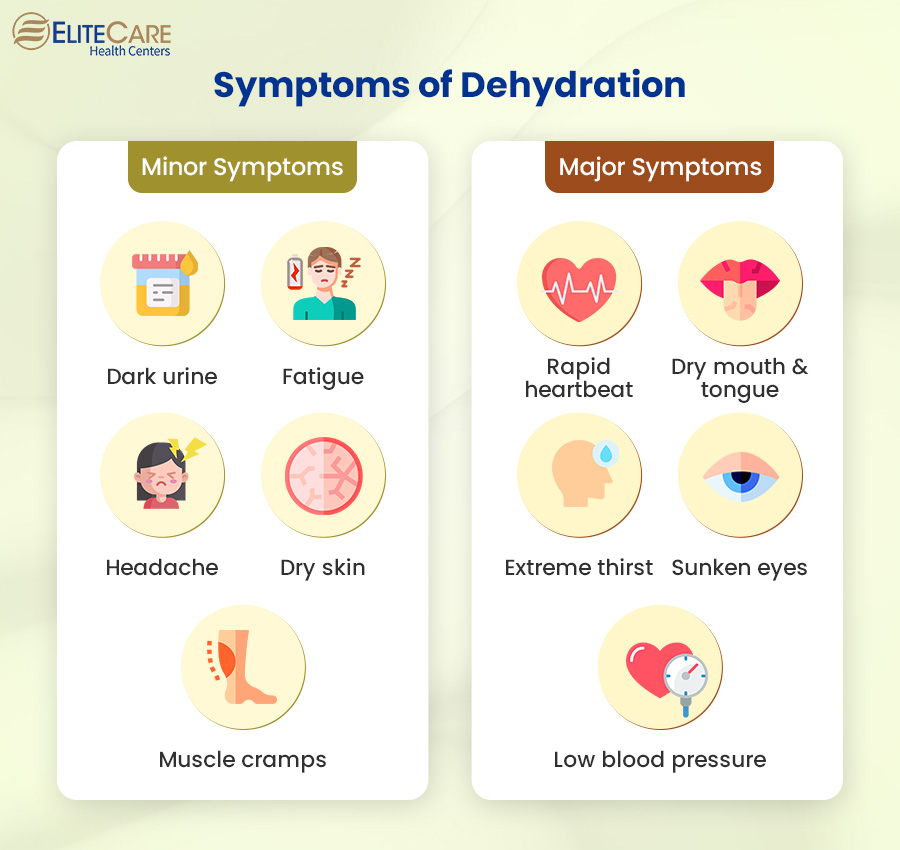
When dehydration progresses, symptoms become more dangerous. These red flags call for fast action and professional help.
Dizziness and Falls
Low fluid levels reduce blood volume, which can cause lightheadedness when standing. This increases fall risk, a leading cause of injury in older adults. If your loved one feels dizzy after getting up, dehydration is worth investigating right away.
Rapid Heart Rate or Breathing
The heart works harder when fluid levels drop. A fast or weak pulse and quick, shallow breathing signal that the body is struggling to maintain circulation. These symptoms need prompt medical evaluation.
Sunken Eyes and Low Blood Pressure
Visible warning signs include:
– Eyes that look hollow or sunken
– Cold, clammy skin
– Blood pressure readings that drop suddenly
Together, these suggest the body is in distress and needs professional care.
Muscle Cramps and Headaches
Fluid loss disrupts electrolyte balance throughout the body. This can trigger leg cramps, generalized muscle pain, or persistent headaches. Pain relievers alone often won’t help until hydration is restored.
When to Seek Medical Help Immediately
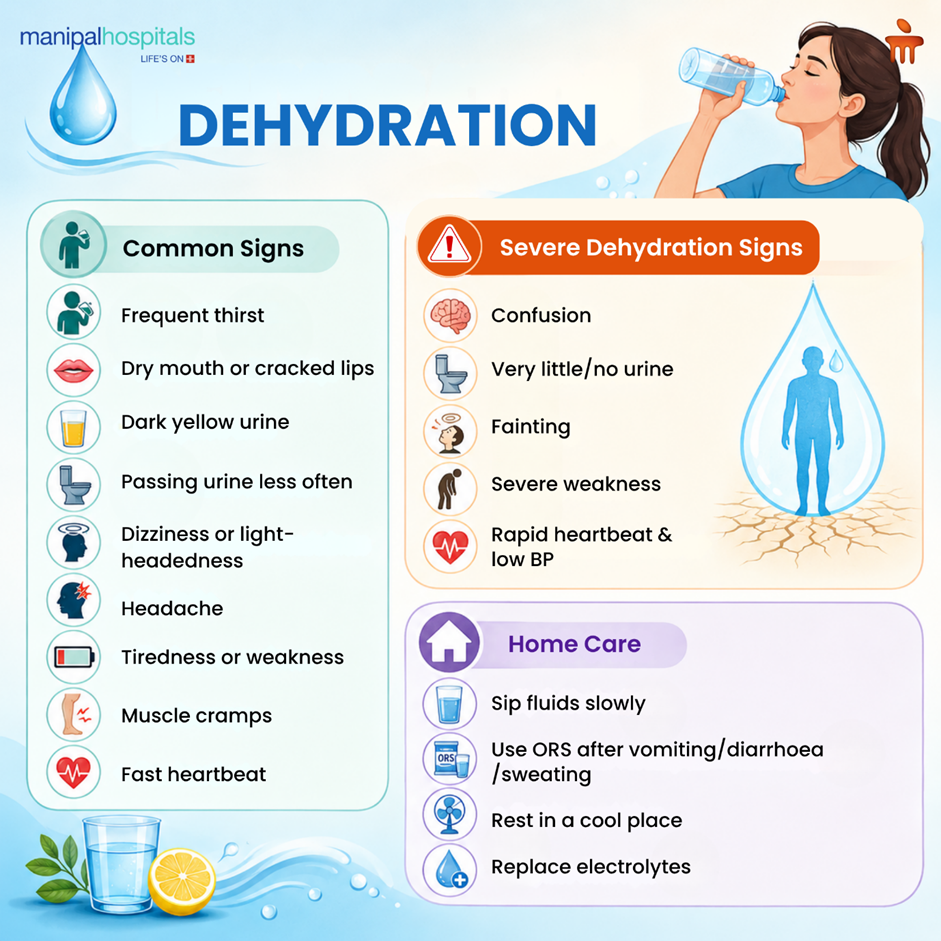
Some dehydration cases can’t be handled at home. Knowing the difference between mild and severe cases can save a life.
Emergency Warning Signs
Seek immediate medical care if you notice any of these:
– Confusion that worsens quickly
– Fainting or inability to stand
– No urination for eight hours or more
– Rapid, shallow breathing
– A weak