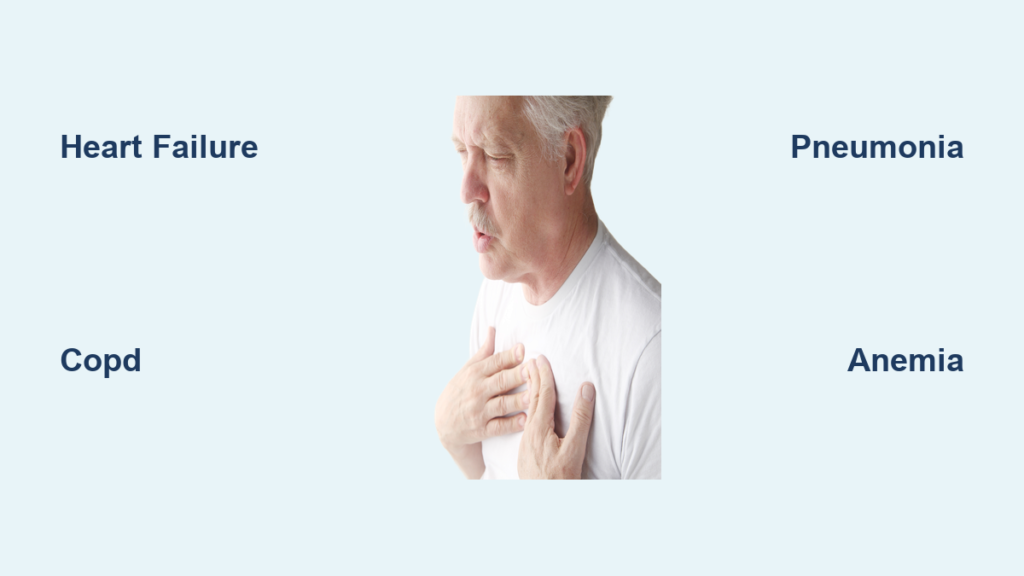
Feeling winded after climbing stairs or carrying groceries can be unsettling, especially for older adults. Shortness of breath in elderly individuals is not a normal part of aging and often signals an underlying condition that deserves attention. Recognizing the cause early can help prevent complications and improve quality of life.
This guide explains the most common causes of shortness of breath in elderly adults, warning signs to watch for, and practical steps you can take today. You will also learn when to seek urgent medical care and what questions to ask your doctor.
Heart-Related Causes of Shortness of Breath in Elderly Adults
Cardiac problems are among the most frequent reasons older adults experience breathing difficulty. The heart and lungs work as a team, so when one struggles, the other feels the strain.
Heart Failure and Reduced Pumping Function

Heart failure occurs when the heart cannot pump blood efficiently, causing fluid to back up into the lungs. This leads to a feeling of heaviness in the chest and trouble catching your breath, especially when lying flat.
Common signs include waking up breathless at night, swollen ankles, and fatigue after light activity. If you notice these symptoms, schedule a medical evaluation promptly.
Coronary Artery Disease and Angina
Blocked or narrowed arteries reduce blood flow to the heart muscle. During physical exertion, the heart demands more oxygen than it receives, triggering chest tightness and shortness of breath.
This symptom often appears during walks, chores, or emotional stress. A cardiologist can confirm the diagnosis with simple tests.
Heart Rhythm Abnormalities (Arrhythmias)
An irregular or rapid heartbeat can make older adults feel suddenly short of breath, dizzy, or anxious. Atrial fibrillation is the most common arrhythmia in seniors and requires ongoing management.
Wearable devices and home monitors now make it easier to detect these episodes early.
Lung-Related Causes of Breathing Difficulty in Seniors
Lung conditions are another major contributor to shortness of breath in elderly populations. Years of environmental exposure, infections, and natural aging changes all play a role.
Chronic Obstructive Pulmonary Disease (COPD)
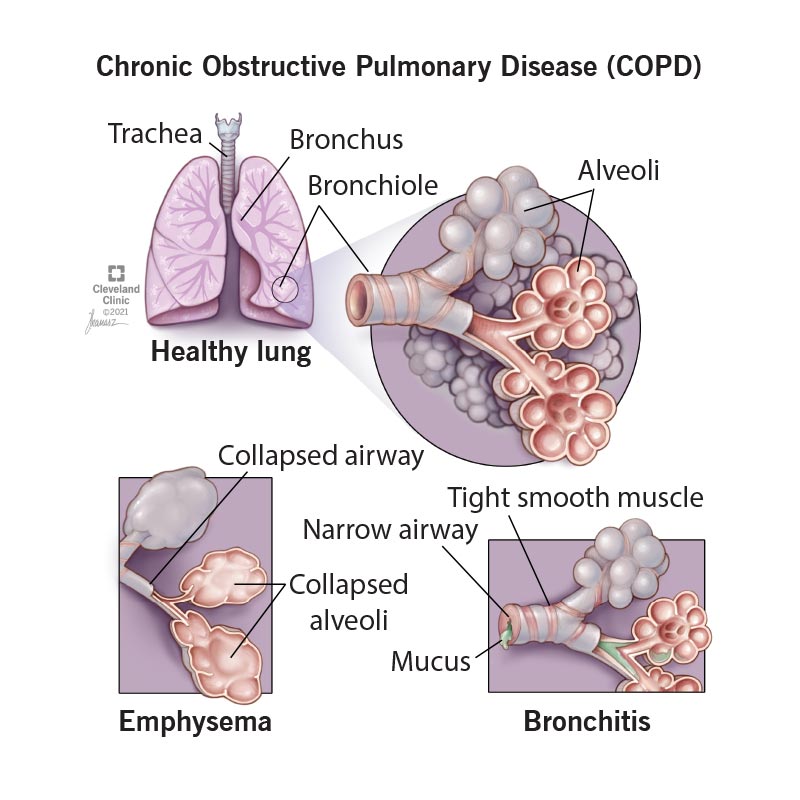
COPD includes chronic bronchitis and emphysema, both of which narrow the airways. Smoking is the leading cause, but long-term exposure to pollution or dust can also trigger it.
Symptoms develop slowly and include a persistent cough, wheezing, and breathlessness during routine tasks. Quitting smoking and using prescribed inhalers can slow disease progression.
Pneumonia and Respiratory Infections
Older adults have weaker immune defenses, making them more vulnerable to lung infections. Pneumonia can cause sudden shortness of breath, fever, and confusion rather than the classic cough.
Because symptoms may be subtle, any sudden change in breathing or mental alertness should prompt a medical visit.
Pulmonary Fibrosis and Lung Scarring
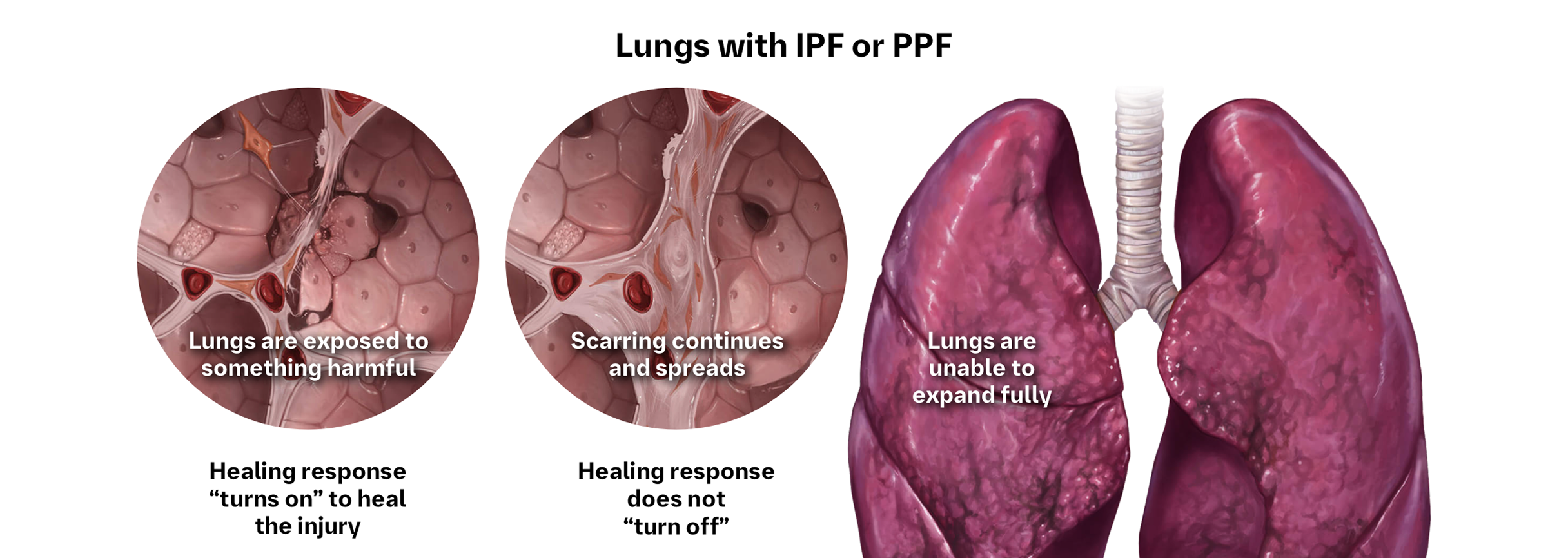
This condition involves stiffening and scarring of lung tissue over time. The lungs lose their ability to expand fully, leading to gradual, persistent shortness of breath.
There is no cure, but treatments and oxygen therapy can ease symptoms and improve daily comfort.
Other Medical Conditions That Trigger Breathing Problems
Not all causes of shortness of breath in elderly adults come from the heart or lungs. Several other systems in the body can contribute to breathing difficulty.
Anemia and Low Oxygen-Carrying Capacity

Anemia means the blood carries less oxygen than the body needs. Even healthy lungs cannot compensate, leaving seniors feeling tired and breathless after minimal effort.
A simple blood test can identify anemia, and treatment often involves supplements or dietary changes.
Anxiety, Panic Attacks, and Breathlessness
Emotional stress can cause rapid, shallow breathing and a tight chest. Older adults facing health concerns, isolation, or grief may experience these episodes more often.
Calm breathing techniques, counseling, and in some cases medication can help manage anxiety-related breathing issues.
Obesity and Reduced Lung Expansion
Extra body weight presses on the diaphragm and chest wall, making it harder for the lungs to fill completely. This is a common but overlooked cause of shortness of breath in elderly adults who are overweight.
Losing even a small amount of weight can produce noticeable improvements in breathing comfort.
Acid Reflux and GERD-Related Breathing Trouble
Stomach acid that backs up into the throat can irritate airways and trigger a feeling of breathlessness, especially at night. Elevating the head of the bed and avoiding late meals often helps.
If reflux symptoms occur frequently, ask your doctor about treatment options.
Medications and Environmental Triggers
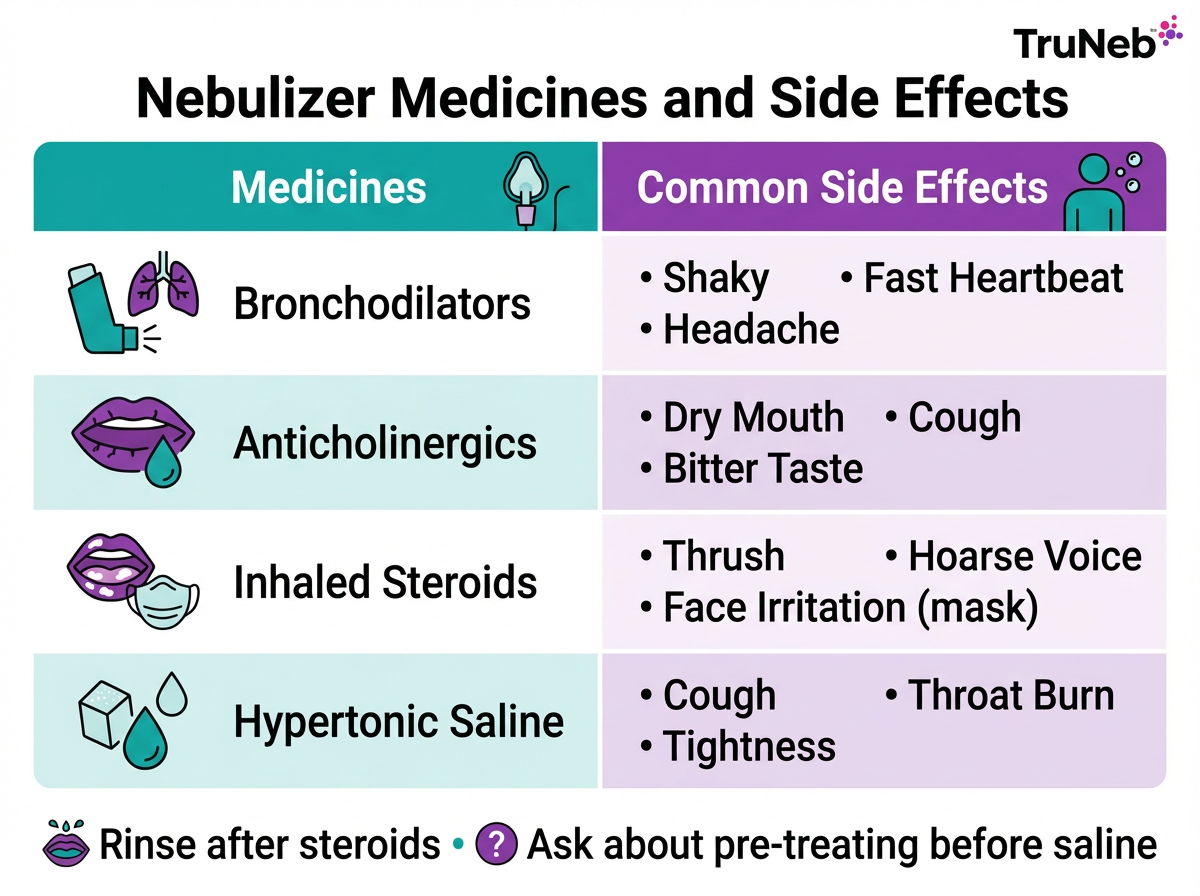
Sometimes the cause of breathing difficulty lies outside the body. Medications and surroundings can also play a significant role.
Side Effects of Common Senior Medications
Beta-blockers, blood pressure drugs, and sedatives can affect breathing patterns. Even over-the-counter medications may interact with existing conditions.
Review all medications with your doctor or pharmacist during each visit.
Allergens, Air Quality, and Indoor Pollutants
Dust, mold, pet dander, and strong cleaning chemicals can irritate aging lungs. Poor indoor air quality often worsens breathing in seniors who spend most of their time at home.
Using air purifiers and keeping living spaces clean can reduce exposure.
High Altitude and Weather Changes
Older adults may react more strongly to high altitudes, extreme heat, or cold, damp air. Planning travel and daily activities around weather conditions can prevent sudden episodes.
Warning Signs That Require Immediate Medical Attention
Some symptoms signal a medical emergency. Call emergency services if shortness of breath comes with chest pain, fainting, blue lips or fingertips, or sudden confusion.
Acting quickly during these moments can save lives and prevent long-term damage.
Practical Steps to Manage and Prevent Breathing Problems
Small daily habits can make a meaningful difference in lung health and overall comfort.
Stay Active With Gentle, Doctor-Approved Exercise
Walking, stretching, and water exercises strengthen the heart and lungs without overexertion. Aim for consistency rather than intensity.
Practice Breathing Techniques and Posture Habits
Sitting upright and practicing slow, deep breathing can expand lung capacity. Techniques like pursed-lip breathing are especially helpful during flare-ups.
Monitor Symptoms and Keep a Health Journal
Tracking when breathlessness occurs, what triggers it, and how long it lasts helps doctors identify patterns. Bring this journal to every appointment.
Schedule Regular Checkups and Screenings
Routine visits allow early detection of heart and lung issues before they become serious. Preventive care remains one of the strongest tools for healthy aging.
Frequently Asked Questions About Shortness of Breath in Elderly Adults
What Is the Most Common Cause of Shortness of Breath in Elderly Adults?
Heart failure, COPD, and pneumonia are among the most common causes. A medical evaluation is needed to identify the exact reason in each individual.
When Should an Elderly Person Go to the ER for Shortness of Breath?
Seek emergency care if breathlessness is sudden, severe, or accompanied by chest pain, confusion, or bluish skin. These signs may indicate a heart attack or serious lung emergency.
Can Shortness of Breath in Seniors Be Cured?
Treatment depends on the underlying cause. Some conditions like infections or anemia are reversible, while chronic diseases require long-term management.
How Do Doctors Diagnose the Cause of Breathing Difficulty?
Doctors use physical exams, imaging tests, blood work, and lung function tests to pinpoint the cause. Sharing a clear symptom history speeds up the process.
Is Shortness of Breath Normal With Aging?
No. While lung capacity may decrease slightly with age, significant breathlessness is not a normal part of aging and always warrants medical attention.
Can Lifestyle Changes Improve Breathing in Older Adults?
Yes. Quitting smoking, staying active, maintaining a healthy weight, and managing stress can all improve breathing and overall well-being.
Key Takeaways for Managing Shortness of Breath in Elderly Adults

Shortness of breath in elderly adults is a signal, not a sentence. Heart disease, lung conditions, anemia, anxiety, and medications all rank among the leading causes, and each has specific treatment options.
The most important step is paying attention to patterns and seeking medical advice early. Keep a symptom journal, stay active within your limits, and review all medications regularly.
If you or a loved one experiences sudden or worsening breathlessness, contact a healthcare provider today. Early action protects both independence and quality of life.