Pneumonia in the elderly is a serious and often life-threatening condition that ranks among the top causes of hospitalization for adults over 65. As the immune system naturally weakens with age, older individuals lose their ability to fight off respiratory infections effectively. Pneumonia develops when the air sacs in the lungs become inflamed and fill with fluid or pus, usually triggered by an infection.
Understanding the causes of pneumonia in elderly adults is essential for early detection and prevention. Unlike younger patients who may bounce back quickly, seniors often experience rapid progression and atypical symptoms like confusion or fatigue instead of classic cough and fever. This guide breaks down the bacterial, viral, and environmental factors that contribute to pneumonia in older adults, along with practical prevention strategies.
Common Bacterial Pathogens Behind Pneumonia in Seniors

Bacterial infections remain the most frequent trigger of pneumonia in older adults, particularly in community and healthcare environments.
Streptococcus pneumoniae: The Leading Culprit
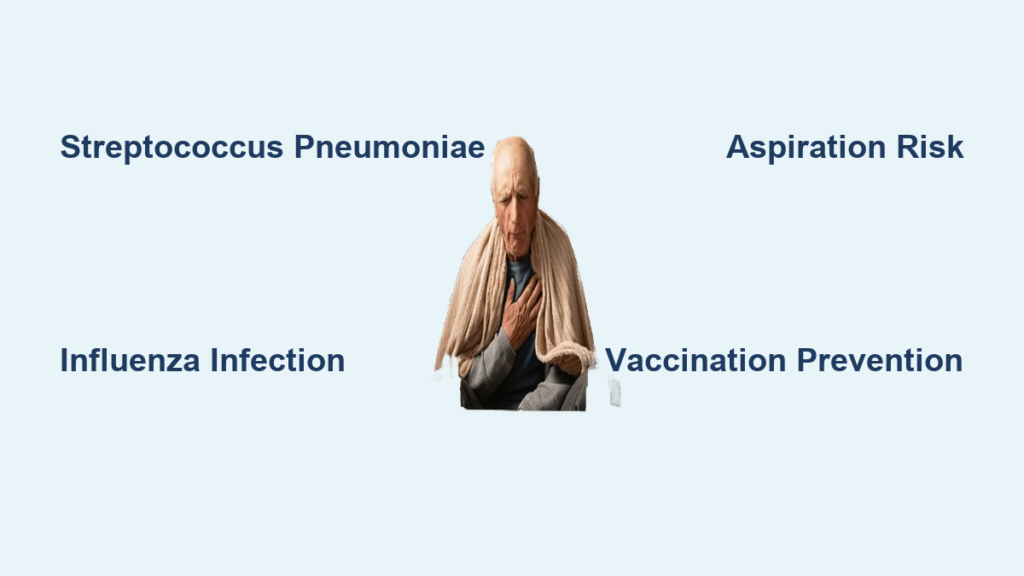
Streptococcus pneumoniae is the most common bacterial cause of pneumonia in the elderly. This bacterium often lives harmlessly in the upper respiratory tract but invades the lungs when immune defenses decline. Seniors with pneumococcal pneumonia typically experience sudden fever, chills, productive cough, and chest pain. Vaccination with PCV20 or PCV15 followed by PPSV23 is strongly recommended for adults 65 and older.
Drug-Resistant Hospital Bacteria
Older patients in hospitals or long-term care facilities face elevated risks from antibiotic-resistant bacteria, including:
- Methicillin-resistant Staphylococcus aureus (MRSA)
- Pseudomonas aeruginosa
- Klebsiella pneumoniae
- Escherichia coli
These pathogens cause healthcare-associated pneumonia and hospital-acquired pneumonia, especially in patients on ventilators or with extended IV lines. Treatment usually requires broad-spectrum intravenous antibiotics due to resistance patterns.
Aspiration-Related Bacterial Infections
Aspiration pneumonia develops when food, saliva, or stomach contents enter the lungs. Seniors with swallowing difficulties, neurological conditions like stroke or Parkinson’s disease, or impaired consciousness face the highest risk. Anaerobic bacteria such as Bacteroides, Fusobacterium, and Prevotella from the mouth are typically responsible. Diagnosis relies on clinical risk factors since sputum cultures often fail to grow anaerobes reliably.
Viral Infections That Trigger Pneumonia in Older Adults

Viruses are increasingly recognized as major contributors to pneumonia in seniors, especially during seasonal outbreaks.
Influenza and Secondary Bacterial Pneumonia
Influenza frequently precedes pneumonia in the elderly by damaging the respiratory lining and opening the door for bacterial invaders like S. pneumoniae and S. aureus. Even when the flu virus itself causes pneumonia directly, older adults are more likely to develop severe hypoxia and respiratory failure. Annual flu vaccination remains one of the most effective prevention tools.
Respiratory Syncytial Virus (RSV) in Seniors
RSV is no longer considered just a childhood illness. In older adults, it can cause bronchiolitis and pneumonia with symptoms like wheezing, low-grade fever, and persistent cough. Nursing homes and assisted living facilities often see RSV outbreaks. Vaccines such as Arexvy and Abrysvo are now approved for adults 60 and older to prevent lower respiratory tract disease.
COVID-19 and Post-Viral Complications
SARS-CoV-2 causes viral pneumonia and acute respiratory distress syndrome in seniors, who face the highest risk of severe outcomes. Many elderly patients also develop secondary bacterial pneumonia after COVID-19, which complicates recovery and raises mortality rates. Staying current with COVID-19 vaccines is critical for protection.
Chronic Health Conditions That Increase Pneumonia Risk

Pre-existing diseases significantly raise the chances of developing pneumonia in older adults.
Chronic Obstructive Pulmonary Disease (COPD)
COPD damages airways and reduces mucus clearance, creating ideal conditions for pathogens to multiply. Elderly patients with COPD are three to five times more likely to develop pneumonia. Distinguishing between a COPD flare-up and pneumonia often requires high-resolution imaging and laboratory tests.
Congestive Heart Failure and Fluid in the Lungs
Congestive heart failure causes pulmonary edema, where fluid accumulates in the lungs and impairs gas exchange. This wet environment increases infection risk and can mimic pneumonia symptoms like crackling sounds during examination. Chest X-rays and BNP blood tests help differentiate between the two conditions.
Diabetes and Compromised Immunity
Diabetes weakens neutrophil function and circulation, making it harder for the body to combat infections. Elderly diabetics face higher rates of severe pneumonia and hospitalization. Maintaining stable blood sugar levels plays a key role in reducing susceptibility.
Age-Related Immune Decline and Pneumonia Susceptibility

The natural aging process weakens immune responses, a phenomenon called immunosenescence.
Weakened Respiratory Defenses
With age, the mucociliary clearance system becomes less efficient at moving mucus and pathogens out of the lungs. Cough strength also decreases, limiting the ability to expel infectious material. These changes allow bacteria and viruses to settle in the lower respiratory tract more easily.
Reduced Vaccine Effectiveness
Older adults often produce a weaker immune response to vaccines. This is why higher-dose or adjuvanted versions of flu and RSV vaccines are specifically designed for seniors. Despite this reduced response, vaccination remains the most effective preventive strategy available.
Situational and Environmental Risk Factors
Certain circumstances and settings significantly raise pneumonia risk in older adults.
Post-Surgery Immobility
After abdominal or thoracic surgery, elderly patients tend to breathe shallowly due to pain or sedation. This leads to poor lung expansion and mucus pooling, which creates breeding grounds for infection. Early mobilization and incentive spirometry help prevent postoperative pneumonia.
Hospital and Nursing Home Environments
Long-term care facilities are common sites for respiratory pathogen transmission. Close living quarters, shared caregivers, and frequent antibiotic use foster the spread of resistant organisms. Staff vaccination, strict hand hygiene, and cautious antibiotic prescribing reduce these risks.
Medications That Raise Pneumonia Risk
Several common medications can increase pneumonia susceptibility in seniors:
- Proton pump inhibitors reduce stomach acid, allowing bacteria to survive and potentially be aspirated
- Sedatives and antipsychotics suppress cough reflexes and mental alertness
- Immunosuppressants lower overall infection resistance
Regular medication reviews help identify and address these risks.
Aspiration and Swallowing Disorders
Swallowing problems are a major yet often underestimated cause of pneumonia in the elderly.
Stroke and Neurological Impairment
Stroke survivors commonly develop dysphagia, which disrupts the coordination needed for safe swallowing. This increases the likelihood of food or liquid entering the airway. Speech-language pathologists can perform swallow studies to evaluate risk and recommend appropriate dietary changes.
Poor Oral Hygiene and Bacterial Aspiration
Bacteria from infected gums or teeth can be aspirated into the lungs, especially in seniors with poor dental care or dry mouth. Higher bacterial loads in saliva translate directly into higher pneumonia risk. Daily oral care and regular dental visits are simple yet powerful prevention measures.
Proven Prevention Strategies for Elderly Pneumonia
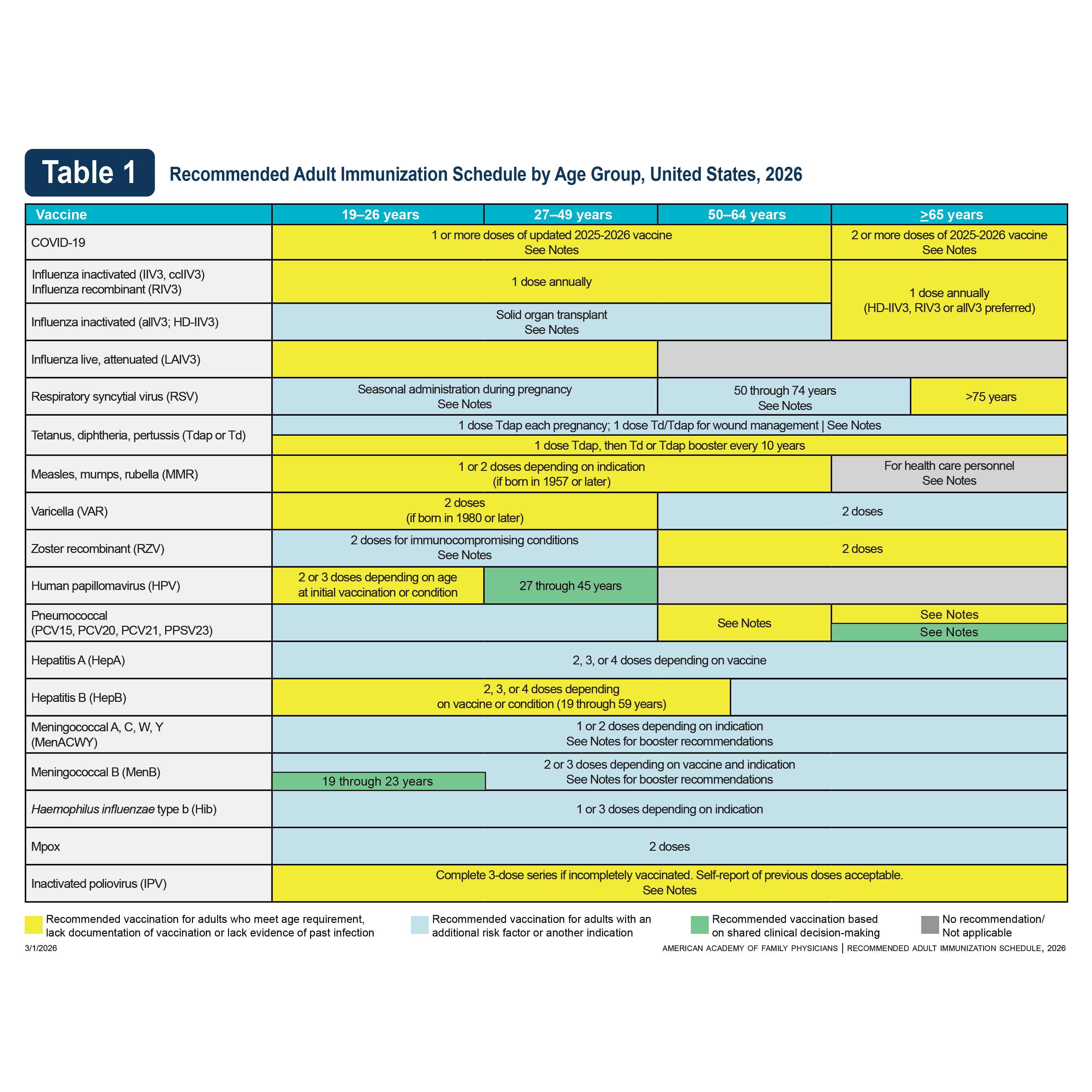
Taking proactive steps dramatically reduces the risk of pneumonia in older adults.
Essential Vaccinations for Seniors
Four vaccines form the cornerstone of pneumonia prevention:
- Pneumococcal vaccines (PCV20 or PCV15 plus PPSV23)
- Annual influenza vaccine
- RSV vaccine for adults 60 and older
- Updated COVID-19 vaccines
These target the most common and dangerous pathogens affecting seniors.
Daily Habits and Caregiver Practices
Simple lifestyle interventions make a significant difference:
- Wash hands frequently and thoroughly
- Stay physically active to preserve lung function
- Quit smoking to improve respiratory health
- Maintain proper hydration and balanced nutrition
- Use suction devices or feeding tubes when medically necessary
Caregivers should watch for subtle warning signs like confusion, unusual fatigue, or loss of appetite, which are often the only symptoms in elderly pneumonia patients.
Frequently Asked Questions About Pneumonia in the Elderly
What is the most common cause of pneumonia in elderly adults?
Streptococcus pneumoniae is the leading bacterial cause of pneumonia in seniors. This bacterium colonizes the upper respiratory tract and invades the lungs when immune defenses weaken with age.
Why do older adults get pneumonia more easily?
Aging reduces immune system efficiency, weakens cough reflexes, and decreases mucociliary clearance in the lungs. Chronic conditions like COPD, heart failure, and diabetes further increase susceptibility to infection.
Can aspiration cause pneumonia in the elderly?
Yes, aspiration pneumonia is very common in seniors with swallowing difficulties, neurological disorders, or impaired consciousness. Food, saliva, or stomach contents inhaled into the lungs introduce bacteria that cause infection.
How does the flu lead to pneumonia in seniors?
Influenza damages the respiratory lining, making the lungs vulnerable to secondary bacterial infections. The flu virus itself can also cause viral pneumonia, which tends to be more severe in older adults.
What vaccines help prevent pneumonia in older adults?
Four vaccines are recommended: pneumococcal vaccines (PCV20 or PCV15 with PPSV23), annual flu shots, RSV vaccines for adults 60 and older, and updated COVID-19 vaccines.
How can caregivers reduce pneumonia risk in elderly patients?
Caregivers can ensure vaccinations stay current, promote good oral hygiene, encourage physical activity, watch for early symptoms like confusion or fatigue, and help manage chronic conditions effectively.
Key Takeaways on Causes of Pneumonia in Elderly Adults
Pneumonia in seniors results from a complex mix of biological aging, chronic diseases, and environmental exposures. Bacterial pathogens like S. pneumoniae, viral infections including influenza and RSV, and aspiration from swallowing difficulties all play significant roles. Underlying conditions such as COPD, heart failure, and diabetes compound the risk by weakening the body’s natural defenses.
The most powerful tools for prevention remain vaccination, vigilant caregiving, and early intervention. Families and healthcare providers should work together to maintain immunization schedules, monitor subtle symptom changes, and address modifiable risk factors like poor oral hygiene or unnecessary medications. If you care for an elderly loved one, schedule a vaccination review with their healthcare provider today and create a plan to recognize early warning signs before pneumonia takes hold.