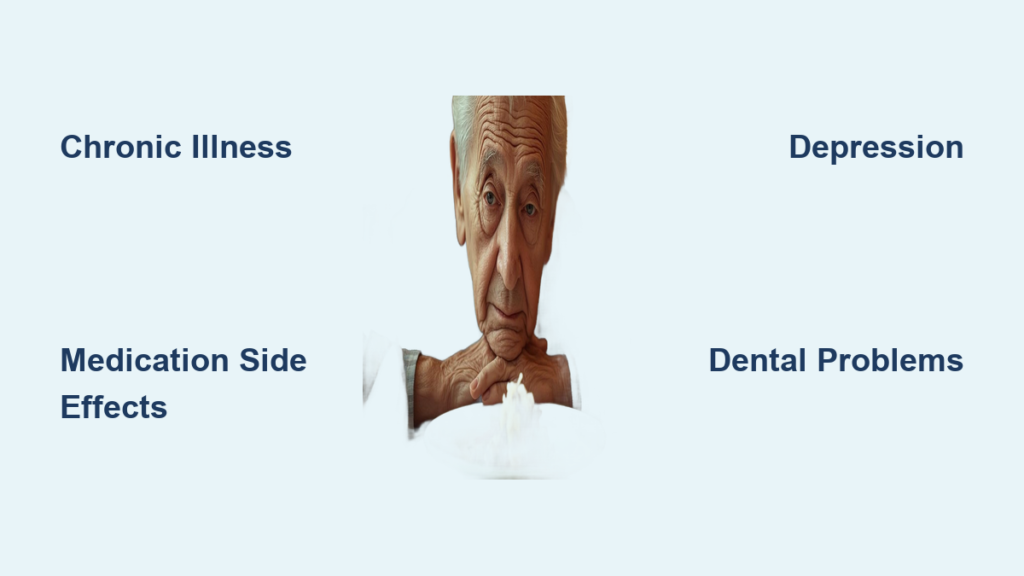
A noticeable drop in appetite among older adults is more than just a passing phase. It can quickly lead to malnutrition, muscle loss, and a weakened immune system. First described as the “anorexia of ageing” by John Morley in 1988, this widespread issue continues to affect a large portion of seniors worldwide. When appetite fades, nutrient intake drops, raising the risk of unintended weight loss and serious health complications.
Understanding the causes of loss of appetite in elderly individuals is essential for anyone involved in their care. This guide explores the physiological, psychological, social, and medical reasons behind appetite decline and offers practical ways to recognize and address them.
Age-Related Physiological Changes
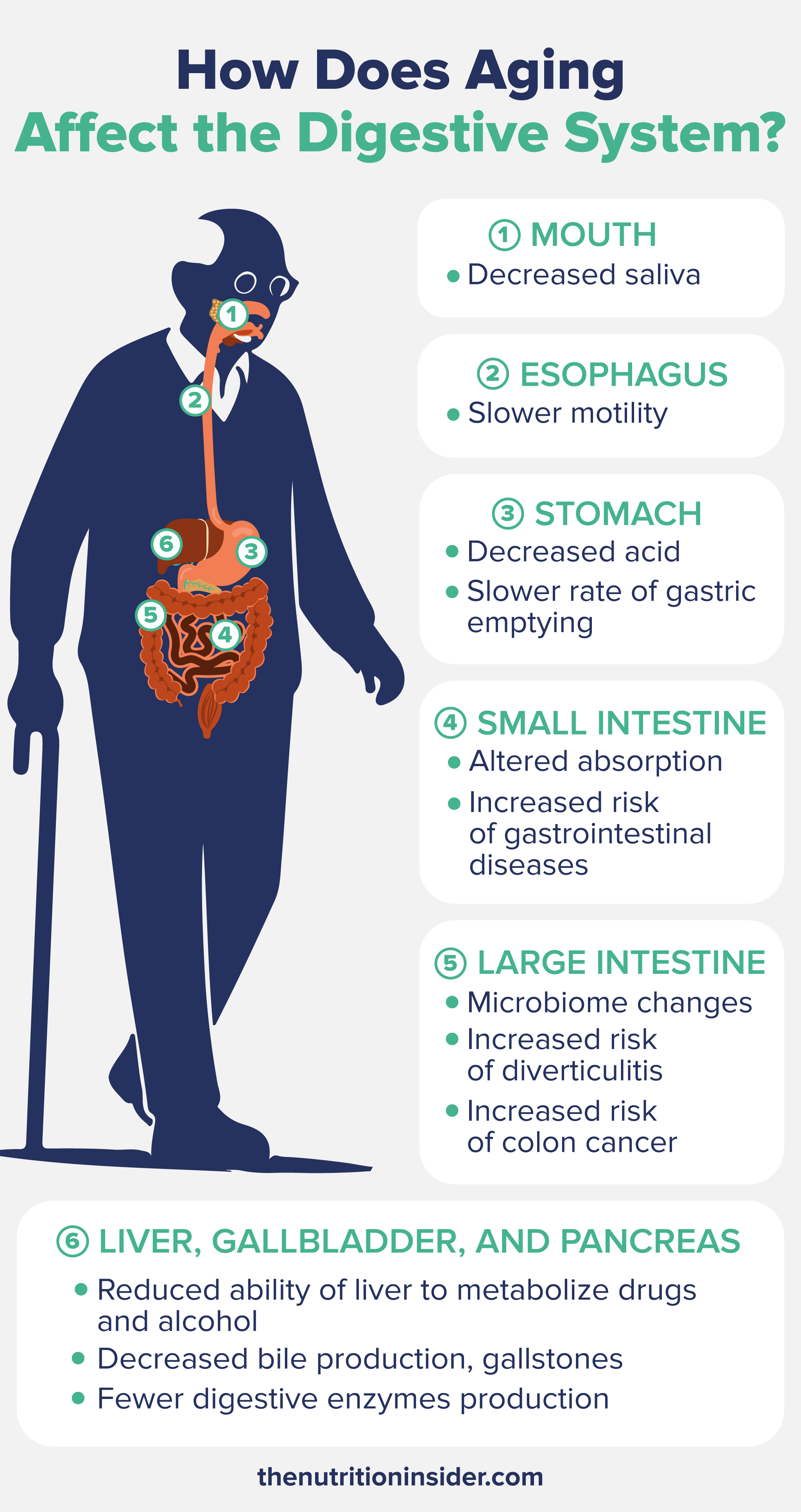
Natural aging brings internal shifts that directly affect hunger and fullness signals. These are among the most common causes of loss of appetite in elderly adults, even when no disease is present.
Slowed Digestion and Early Fullness
The digestive system becomes less efficient over time. Gastric emptying slows down, and intestinal motility decreases. As a result, older adults feel full sooner and stay full longer, which reduces the urge to eat regular meals.
Hormonal Imbalances That Reduce Hunger
Several hormones regulate appetite, and they change with age:
– Ghrelin, the “hunger hormone,” decreases in production and responsiveness
– Peptide-YY and cholecystokinin, which signal fullness, stay elevated after meals
– Insulin resistance can disrupt metabolic signals that trigger hunger
These shifts dull hunger cues and increase early satiation.
Declining Taste, Smell, and Vision
Many seniors report that food “doesn’t taste the same.” Age-related degeneration of taste buds and olfactory nerves reduces the ability to detect flavors and aromas. Vision changes can also make food less visually appealing. Medications and chronic illnesses often worsen these sensory losses.
Lower Energy Needs
Older adults typically become less active and lose muscle mass, which lowers their basal metabolic rate. With fewer calories needed, hunger naturally decreases. However, nutrient needs remain high, creating a dangerous mismatch where less food is eaten but essential vitamins and minerals are still required.
Chronic Diseases and Medical Conditions
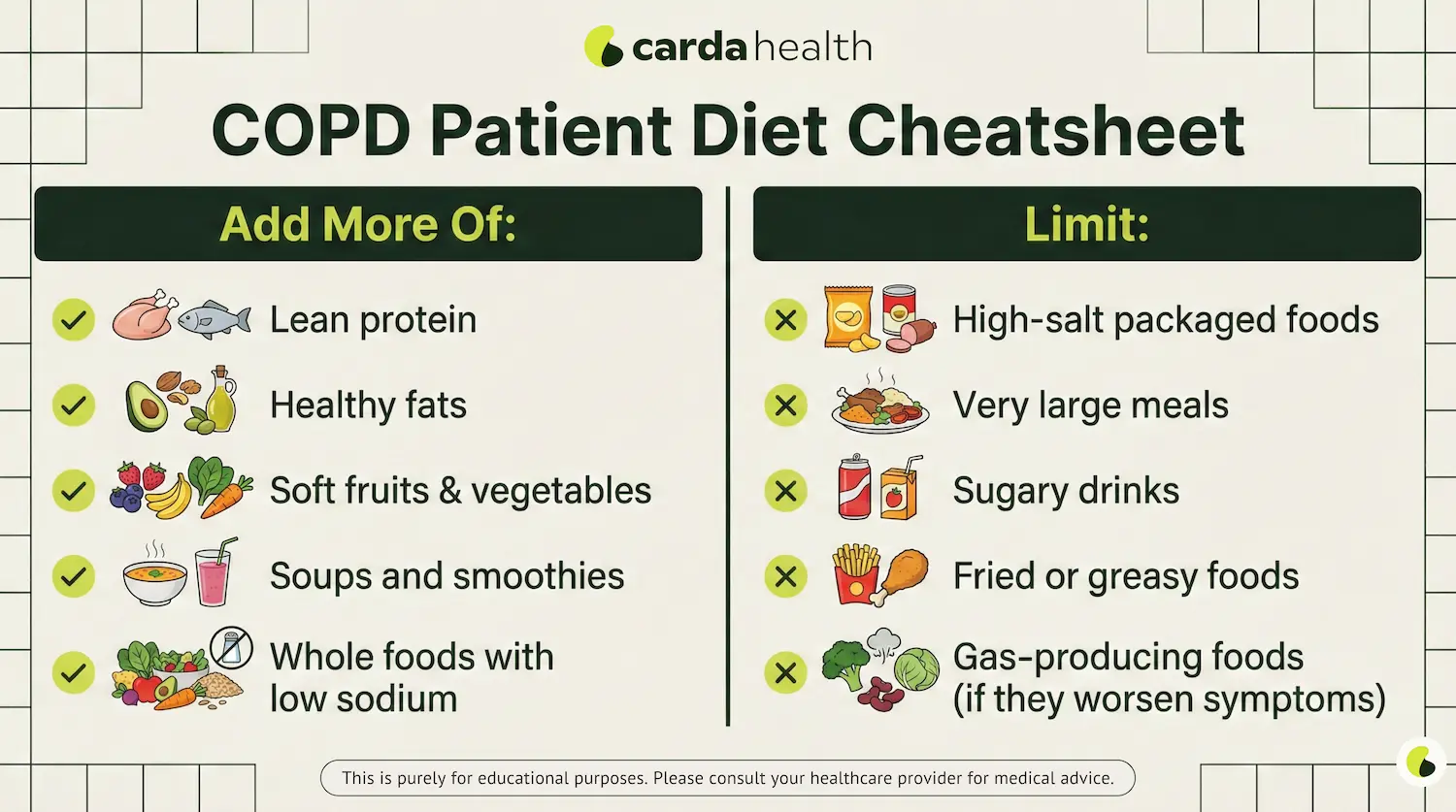
Underlying health problems are major contributors to appetite loss in seniors. Chronic illnesses suppress appetite directly and create secondary barriers to eating.
Heart and Respiratory Conditions
Congestive heart failure (CHF) and chronic obstructive pulmonary disease (COPD) make breathing difficult, especially during or after meals. Shortness of breath can cause seniors to eat less to avoid discomfort.
Gastrointestinal Disorders
Conditions like gastritis, peptic ulcers, irritable bowel syndrome (IBS), and constipation cause bloating, nausea, and abdominal pain. Gastroparesis, or delayed gastric emptying, is also common in diabetics and leads to early fullness.
Cancer and Cancer Treatments
Cancer triggers inflammatory processes that alter metabolism and reduce appetite. Chemotherapy and radiation often cause taste changes, dry mouth, nausea, and mouth sores, all of which make eating unpleasant or painful.
Dental Problems and Dysphagia
Tooth loss, ill-fitting dentures, dry mouth, and difficulty swallowing (dysphagia) make chewing and swallowing uncomfortable. When eating becomes painful or exhausting, seniors may skip meals entirely.
Medication Side Effects
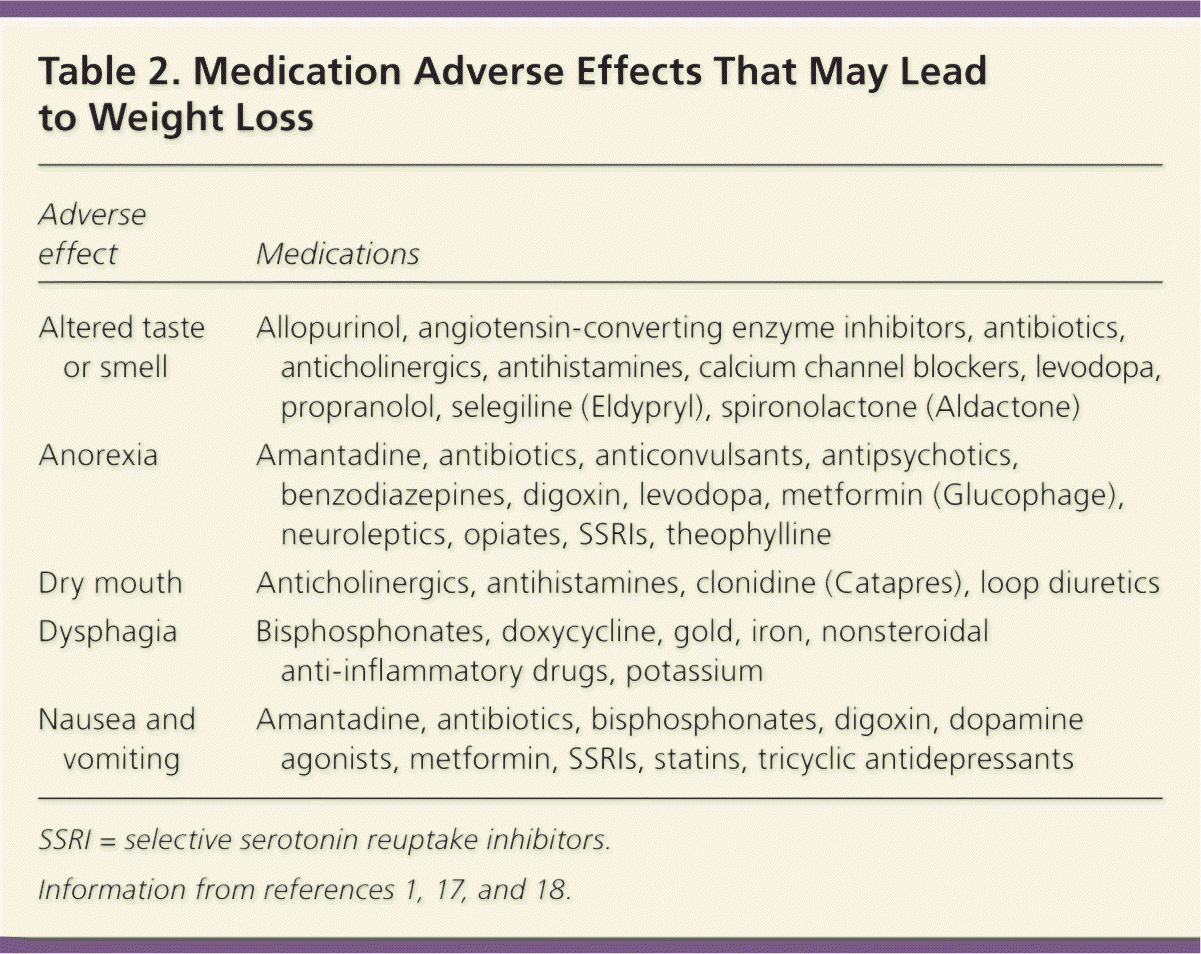
Medications are an often-overlooked driver of appetite loss. Many commonly prescribed drugs interfere with hunger signals or cause side effects that reduce food intake.
Common Drug Classes That Suppress Appetite
Several medication categories are known to reduce hunger:
– Antibiotics can alter taste and cause nausea
– Diuretics may lead to dehydration and electrolyte imbalances
– Beta-blockers can cause fatigue and taste disturbances
– Cholinesterase inhibitors used for dementia often trigger nausea
– Opioids frequently cause constipation and nausea
– NSAIDs can irritate the stomach lining
The Risk of Polypharmacy
Many elderly individuals take multiple medications daily. Even if each drug has only a mild effect on appetite, the combined impact can significantly reduce the desire to eat.
Psychological and Cognitive Factors

Mental health and cognitive function strongly influence eating behavior. These are leading non-physical causes of loss of appetite in elderly adults.
Depression and Emotional Withdrawal
Depression is closely linked to appetite loss. Feelings of sadness, hopelessness, or disinterest often extend to mealtimes. Seniors may lose interest in cooking, skip meals, or claim they “aren’t hungry” when the real cause is emotional.
Dementia and Alzheimer’s Disease
Cognitive decline disrupts the recognition of hunger and the routines around eating. Individuals with dementia may forget to eat, fail to recognize food, or become agitated during meals. As the disease progresses, coordination issues can make self-feeding difficult.
Delirium and Acute Confusion
Delirium, often triggered by infection, dehydration, or medication changes, can cause sudden appetite loss. Confusion may prevent an older adult from communicating hunger or accepting food.
Social and Environmental Influences
Even when physical and medical issues are managed, social factors can still suppress appetite.
Eating Alone and Social Isolation
Many seniors live and eat alone. Without the social pleasure of shared meals, food loses its emotional appeal. Loneliness and lack of routine reduce motivation to prepare or enjoy food.
Loss of Independence
Retirement, limited mobility, or dependence on others for meals can disrupt the structure around eating. Without regular meal cues or the ability to shop and cook, seniors may eat irregularly or rely on unappealing convenience foods.
Financial Constraints
Limited income can restrict access to fresh, flavorful, or preferred foods. When budgets are tight, nutrition often takes a backseat, resulting in monotonous diets that fail to stimulate hunger.
Acute Illness and Infection
Sudden illness is a common but often temporary cause of appetite decline.
UTIs, Pneumonia, and Other Infections
Urinary tract infections and respiratory infections like pneumonia are frequent in older adults. They often present atypically, with appetite loss, confusion, or fatigue as the primary symptoms rather than classic signs.
Post-Hospitalization Recovery
After a hospital stay, many seniors return home with reduced appetite due to bed rest, disrupted routines, new medications, or lingering inflammation. Appetite may not rebound without targeted support.
Recognizing Appetite Decline Early
Early detection helps prevent malnutrition. Watch for these warning signs:
– Unintentional weight loss of 5% or more within six months
– Frequent meal skipping
– Complaints that food tastes bad or lacks appeal
– Increased fatigue or weakness
– Loose-fitting clothing or jewelry
The Simplified Nutritional Appetite Questionnaire (SNAQ) is a validated tool designed to predict significant weight loss in community-dwelling older people. It includes simple questions such as:
– Do you have a poor appetite?
– Do you feel full after eating small amounts?
– Have you lost weight recently?
A high-risk score should prompt further medical evaluation.
Practical Steps to Improve Appetite

Addressing appetite loss requires a multifaceted approach. Start with these evidence-based strategies.
Enhance the Mealtime Experience
- Serve food in a pleasant, quiet setting
- Use colorful plates and varied textures to boost visual appeal
- Play soft music or share meals when possible
- Minimize distractions like television or loud noises
Boost Flavor and Nutritional Density
- Add herbs, spices, lemon juice, or sauces to improve taste without excess salt
- Include calorie- and protein-rich ingredients like cheese, eggs, nut butters, or cream
- Offer small, frequent meals rather than three large ones
- Prioritize nutrient-dense options like yogurt, smoothies, and fortified soups
Encourage Gentle Physical Activity
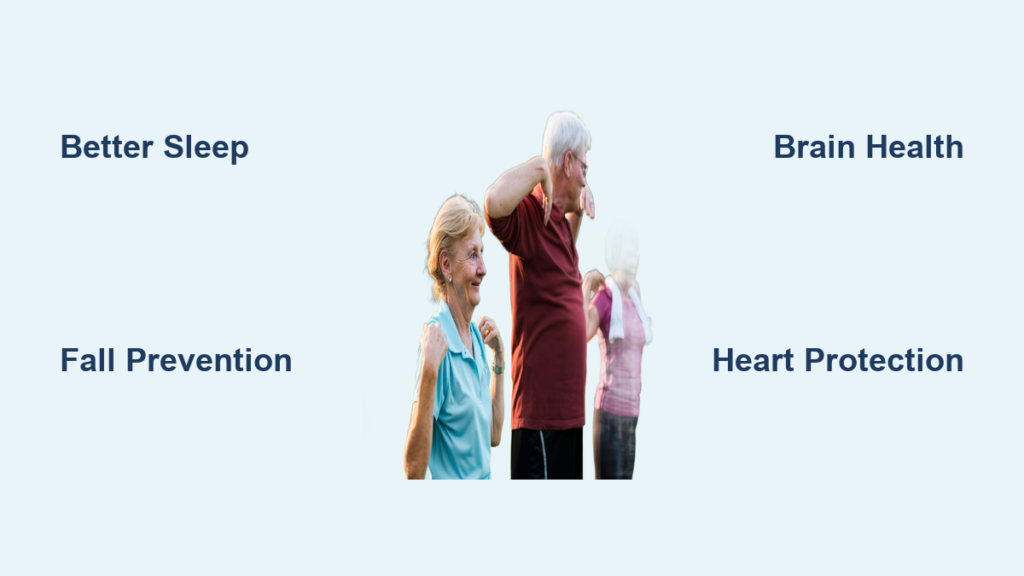
Light movement, such as short walks or chair exercises, can stimulate appetite by improving circulation and digestion. Even 10 to 15 minutes of activity before meals can help.
Review Medications with a Healthcare Provider
Work with a doctor or pharmacist to evaluate all current prescriptions. Key questions include:
– Is each medication still necessary?
– Are there alternatives with fewer gastrointestinal side effects?
– Can dosing times be adjusted to minimize nausea around meals?
When to Seek Professional Help
Home strategies are not always enough. Seek medical evaluation if:
– Weight loss continues despite intervention
– Symptoms like pain, nausea, or vomiting persist
– Signs of dehydration or severe weakness appear
– Cognitive or mood changes worsen
A thorough medical assessment can uncover treatable conditions such as thyroid disorders, depression, or undiagnosed cancer.
Frequently Asked Questions About Loss of Appetite in the Elderly
What is the “anorexia of ageing”?
The term “anorexia of ageing” was introduced by John Morley in 1988 to describe the natural decline in appetite that occurs in many older adults. It is not a formal eating disorder but a physiological reduction in hunger that can lead to malnutrition if not addressed.
Can medications really cause appetite loss in seniors?
Yes. Many commonly prescribed medications, including antibiotics, diuretics, beta-blockers, opioids, and NSAIDs, can suppress appetite or cause nausea and taste changes. Polypharmacy increases this risk significantly.
How can I tell if my loved one is malnourished?
Key signs include unintentional weight loss, loose clothing, fatigue, frequent illness, and complaints about food taste. The SNAQ questionnaire is a simple, validated screening tool that can help identify those at risk.
Is loss of appetite a normal part of aging?
While some decline in hunger is common with age, significant appetite loss is not something to ignore. It often signals underlying medical, psychological, or social issues that can and should be treated.
What are the best foods to offer an elderly person with no appetite?
Nutrient-dense, easy-to-eat foods work best. Consider smoothies, yogurt, fortified soups, scrambled eggs, mashed vegetables, and soft fruits. Small, frequent meals are usually more appealing than large portions.
When should a doctor be consulted about appetite loss?
A doctor should be involved if weight loss continues despite home efforts, if symptoms like vomiting or pain persist, or if there are signs of dehydration, confusion, or depression. Early intervention improves outcomes.
Key Takeaways for Addressing Appetite Loss in Older Adults
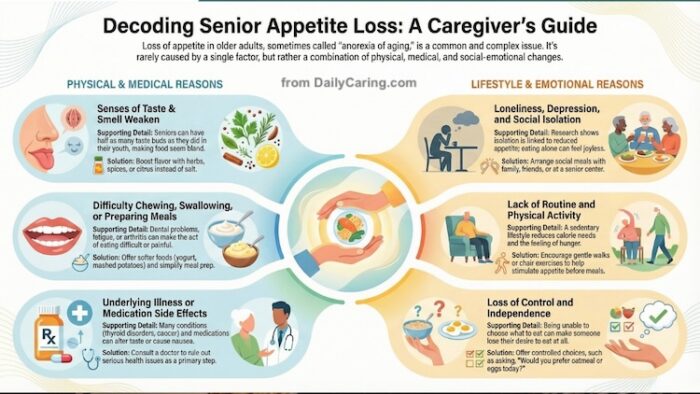
Loss of appetite in the elderly is a serious but manageable concern. The most common causes of loss of appetite in elderly individuals include physiological changes, chronic illness, medication side effects, psychological factors, and social isolation. Early recognition using tools like the SNAQ questionnaire can prevent malnutrition and its complications.
Start by identifying and treating any underlying medical conditions. Then, focus on simple, practical changes: enhance food flavor, create a pleasant mealtime environment, encourage light activity, and review medications with a healthcare provider. When in doubt, seek professional guidance to ensure your loved one receives the nutritional support they need to thrive.