Watching a parent or grandparent slowly lose weight without trying can be alarming. Yet many families dismiss it as a normal part of aging. Unintentional weight loss in elderly adults is not normal. It affects roughly 13% of older adults each year and often signals serious underlying problems that deserve immediate attention.
This guide explains the most common causes of losing weight in elderly individuals, backed by clinical research. You will learn which warning signs to watch for, which medical conditions are most often responsible, and what steps actually work to reverse the trend.
Why Unintentional Weight Loss in Elderly Adults Is a Red Flag
Doctors define clinically significant weight loss as losing 5% of body weight in one month or 10% over six months. For a 150-pound person, that means just 7.5 pounds in a month or 15 pounds in half a year. These thresholds are linked to higher infection rates, pressure sores, cognitive decline, and even death.
Among long-term care residents, losing 5% of body weight within a month increases the chance of dying within a year by 4.6 times. The good news? Many causes are reversible when caught early.
Medical Conditions That Trigger Weight Loss in Seniors

Serious illnesses are among the most common causes of losing weight in elderly adults. These diseases either kill appetite, block nutrient absorption, or speed up metabolism.
Chronic Illness Flare-Ups
When long-standing conditions like heart failure, COPD, or rheumatoid arthritis worsen, inflammation rises. This increases energy demands while simultaneously reducing hunger. Nursing home residents experiencing chronic disease flare-ups carry a 1.5 times higher risk of weight loss.
Cancer and Hidden Infections
Gastrointestinal cancers are strongly tied to unexplained weight loss. Tumors trigger the release of TNF-α, an inflammatory chemical that directly causes muscle wasting and suppresses appetite. Undiagnosed infections like tuberculosis or HIV can produce the same effect, leading to cachexia, a state of severe weight and muscle loss that cannot be reversed by simply eating more.
Gastrointestinal Disorders
Peptic ulcers, celiac disease, and chronic constipation disrupt digestion and reduce food intake. Constipation alone raises the odds of weight loss by 1.9 times. Delayed stomach emptying and intestinal blockages also contribute, especially in frail seniors.
Recent Hospital Stays
Being hospitalized within the past 90 days raises weight loss risk by 2.1 times. Poor appetite during illness, unfamiliar routines, and difficulty eating without assistance often persist long after discharge.
Medications That Quietly Cause Weight Loss
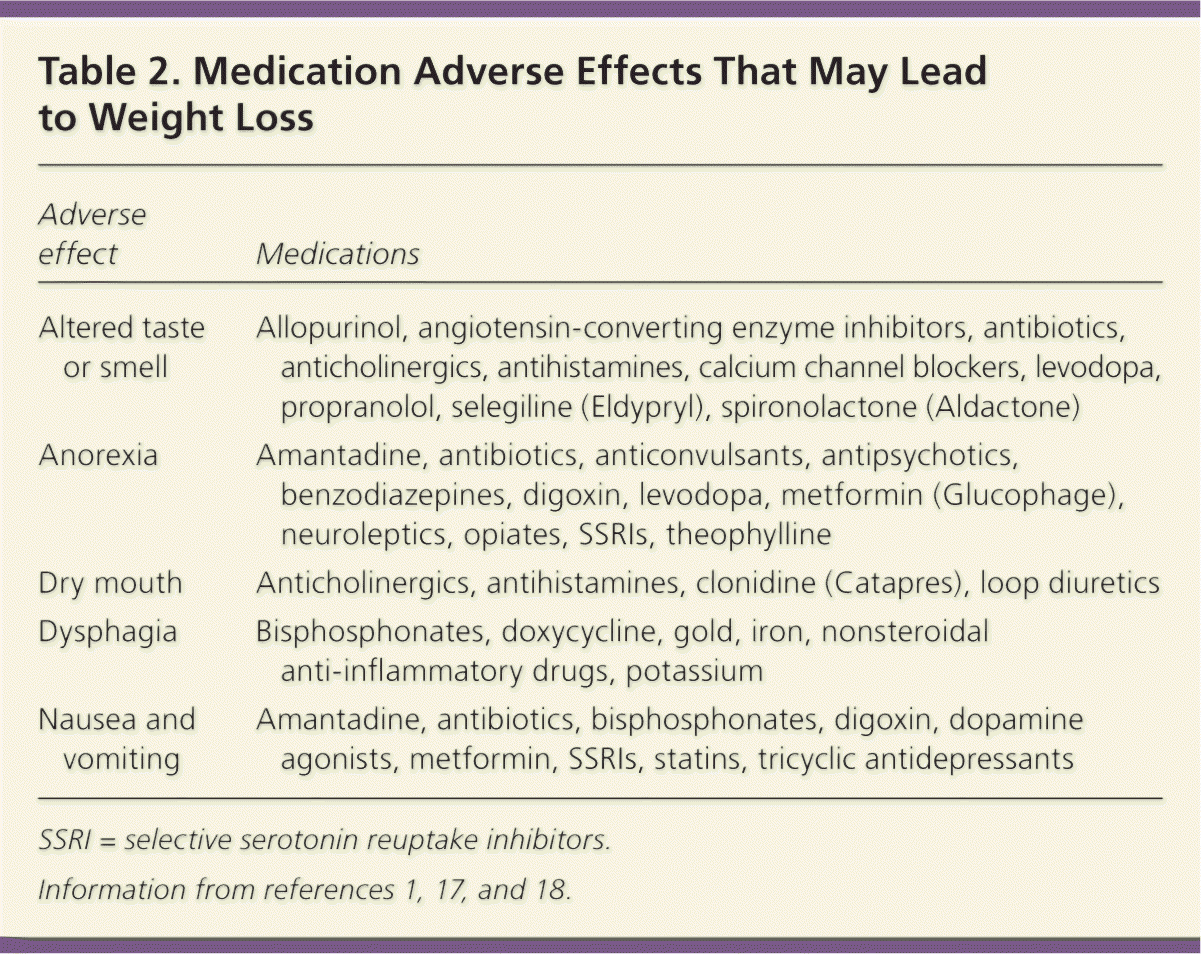
Over 75% of elderly patients experiencing weight loss take at least one medication that impairs appetite or digestion. Yet these drugs are rarely reviewed or discontinued.
Common Offenders
- Digoxin (heart conditions): Causes nausea and appetite loss
- Levothyroxine (thyroid): Can speed up metabolism if dosed too high
- Metformin (diabetes): Linked to stomach discomfort and reduced intake
- NSAIDs (ibuprofen, naproxen): Cause nausea, stomach upset, and mouth ulcers with long-term use
The Polypharmacy Problem
Using multiple medications compounds side effects like dry mouth, altered taste, and nausea. A full medication audit should be the first step whenever unexplained weight loss appears.
Physical and Functional Barriers to Eating

Even with access to food, many seniors cannot eat enough due to physical limitations that affect how they prepare, handle, or consume meals.
Difficulty Chewing or Swallowing
Loose dentures, gum disease, mouth ulcers, and tooth pain make eating painful. In one study, oral problems were the strongest predictor of significant weight loss in older adults. Many seniors switch to soft, low-nutrient foods or skip meals entirely rather than seek dental help.
Mobility and Self-Feeding Problems
Arthritis, stroke-related weakness, and Parkinson’s disease can rob seniors of the strength or coordination needed to feed themselves. Those who have fallen recently or struggle with mobility are 1.5 times more likely to lose weight. Assistance is often needed but not always provided.
Skipping Meals
Eating fewer than one full meal per day increases weight loss risk by 4.2 times, the single strongest predictor in some studies. Fatigue, confusion, or lack of motivation usually drives this behavior, not food scarcity.
Psychological Causes of Weight Loss in the Elderly

Mental and emotional health directly shapes eating behavior. Depression and grief are frequently overlooked but powerful appetite killers.
Depression in Seniors
Depression independently raises weight loss risk by 1.65 times in community-dwelling older adults. Symptoms like loss of pleasure, low energy, and apathy reduce interest in cooking and eating. The Geriatric Depression Scale helps identify at-risk individuals, yet mental health is rarely screened during routine checkups.
Bereavement and Loneliness
The death of a spouse or close friend can shatter eating habits. In one clinical case, a 73-year-old woman lost 15 pounds over a year after her husband died. She had no motivation to cook or eat alone. Social isolation erodes the emotional reward that food provides.
Social and Economic Factors
Even physically and mentally healthy seniors may not eat well due to environmental and financial barriers.
Living Alone
Older adults with limited social activity face a 2.0 times higher risk of weight loss. Many say they “don’t feel like cooking for just one.” Without shared mealtimes, food loses its appeal.
Low Income and Food Insecurity
Unexplained weight loss is most prevalent among the lowest income groups. Fixed budgets force impossible trade-offs between medications, utilities, and food. Seniors often resort to cheap, nutrient-poor diets or skip meals entirely.
Limited Access to Meal Programs
Programs like Meals on Wheels exist but reach only a fraction of those who need them. Transportation problems, cognitive decline, and lack of awareness prevent many seniors from using available resources.
Metabolic and Inflammatory Drivers
Sometimes weight loss happens even when food intake seems adequate. Biological processes can override normal nutrition.
Cytokine-Induced Cachexia
Inflammatory conditions release cytokines like TNF-α, interleukin-1β, and interleukin-6. These chemicals:
- Suppress appetite signals in the brain
- Slow stomach emptying
- Break down muscle tissue
This leads to cachexia, a wasting syndrome that eating more cannot fix.
Accelerated Metabolism
Some diseases, like untreated hyperthyroidism, raise resting energy expenditure significantly. Weight drops despite normal or even increased food intake.
Blood Tests That Help Identify the Cause
Simple lab work can confirm or rule out common contributors when used alongside a clinical exam.
Key Markers
- Serum albumin below 35 g/L: Suggests malnutrition or chronic inflammation
- Total cholesterol below 4.2 mmol/L: A predictive marker for unexplained weight loss
- Low hemoglobin: May point to anemia from chronic disease or nutritional deficiency
Advanced cytokine testing is researched but rarely useful in everyday clinical practice.
Warning Signs Every Caregiver Should Know
Recognizing early signals allows for faster intervention.
Red Flags
- Eating only small portions despite claiming to eat normally
- Complaining that food tastes “off” or having no appetite
- Visible denture problems or mouth pain
- Skipping meals due to fatigue or sadness
- Unexplained weakness or fatigue
Highest-Risk Groups
- Adults over 85
- Those with dementia or cognitive decline
- Individuals on multiple medications
- People living alone with limited support
- Recent hospital or rehab patients
Interventions That Actually Work

Treating weight loss means fixing root causes, not just adding supplements.
Fix Dental and Mechanical Issues
Adjusting loose dentures, treating mouth ulcers, and improving oral hygiene can restore eating ability. In one case, a woman regained 4 pounds in two months after denture repair and stopping nausea-causing NSAIDs.
Review Every Medication
Switching from NSAIDs to acetaminophen, adjusting levothyroxine doses, or discontinuing appetite-suppressing drugs often produces immediate improvement.
Treat Depression and Grief
Counseling, senior centers, supper clubs, and antidepressants when appropriate can restore the motivation to eat. Emotional support matters as much as nutritional support.
Create Social Meal Settings
Shared meals through community dining programs, family visits, or group activities boost calorie intake. Even small increases in social interaction make a measurable difference.
What Doesn’t Work (And Why)
Many popular approaches lack strong evidence.
Nutritional Supplements Alone
Liquid supplements increase calorie intake but show no significant weight gain in trials. Up to 50% of seniors stop taking them within days. They do nothing to address why the person stopped eating in the first place.
Appetite Stimulants Have Limits
Megestrol acetate improves appetite and well-being but does not consistently increase weight. It only works when combined with feeding assistance. Side effects include blood clots, adrenal suppression, and fluid retention.
Dronabinol shows a trend toward weight gain but lacks controlled trial support.
Blind Screening Tests
Routine CT scans or broad lab panels without clinical suspicion rarely find causes. Resources are better spent on detailed history and targeted testing.
Prevention Strategies That Make a Difference

Stopping weight loss before it starts is far more effective than reversing it.
Monthly Weight Checks
Weigh older adults every month, especially after hospital discharge or illness. A drop of 2–3 pounds warrants investigation.
Team-Based Care
Involve dietitians, dentists, pharmacists, and social workers. One protocol-based care trial helped 4% of residents regain weight within 90 days through coordinated assessment.
Stay Physically Active
Exercise preserves muscle mass and can stimulate appetite. In one study, physical training improved physical performance significantly, even without any nutritional intervention.
Frequently Asked Questions About Causes of Losing Weight in Elderly
What is considered significant weight loss in an elderly person?
Clinically significant weight loss is defined as losing 5% of body weight in one month or 10% over six months. For a 150-pound adult, that means 7.5 pounds in a month or 15 pounds in half a year. Either threshold warrants medical evaluation.
Can depression alone cause weight loss in seniors?
Yes. Depression independently raises weight loss risk by 1.65 times in community-dwelling older adults. Loss of pleasure, low energy, and apathy reduce interest in food. Treating the depression often reverses the weight loss.
Are nutritional supplements effective for elderly weight loss?
Liquid supplements increase calorie intake but do not produce significant weight gain in clinical trials. Up to half of seniors stop using them within days. Supplements work best when combined with efforts to fix underlying causes like dental problems or social isolation.
Which medications commonly cause weight loss in the elderly?
Digoxin, levothyroxine, metformin, and NSAIDs are frequent culprits. Over 75% of elderly patients with weight loss take at least one medication that contributes to the problem. A pharmacist or physician should review all prescriptions when unexplained weight loss occurs.
How often should elderly adults be weighed to catch weight loss early?
Monthly weighing is recommended, especially after hospital discharge or illness. A drop of 2–3 pounds in a month signals the need for further assessment. Nursing home residents should be weighed more frequently per federal guidelines.
When should a caregiver seek medical help for weight loss in an elderly person?
Seek help as soon as you notice unintentional weight loss meeting the 5%/10% threshold, or whenever an older adult eats fewer than one full meal per day, shows signs of depression, or struggles with chewing or swallowing. Early intervention dramatically improves outcomes.
Key Takeaways for Addressing Weight Loss in Elderly Adults
Unintentional weight loss in elderly adults is never a normal part of aging. It is a warning sign pointing to one or more underlying problems across medical, functional, psychological, and social domains. The most powerful interventions target root causes: repairing dentures, adjusting medications, treating depression, and reducing isolation. Supplements and appetite stimulants alone rarely work and carry real risks.
Your next step is simple. If you care for an older adult, start weighing them monthly and document any changes. Bring this record to their next medical appointment and ask for a full medication review, oral health check, and depression screening. Early action saves lives.