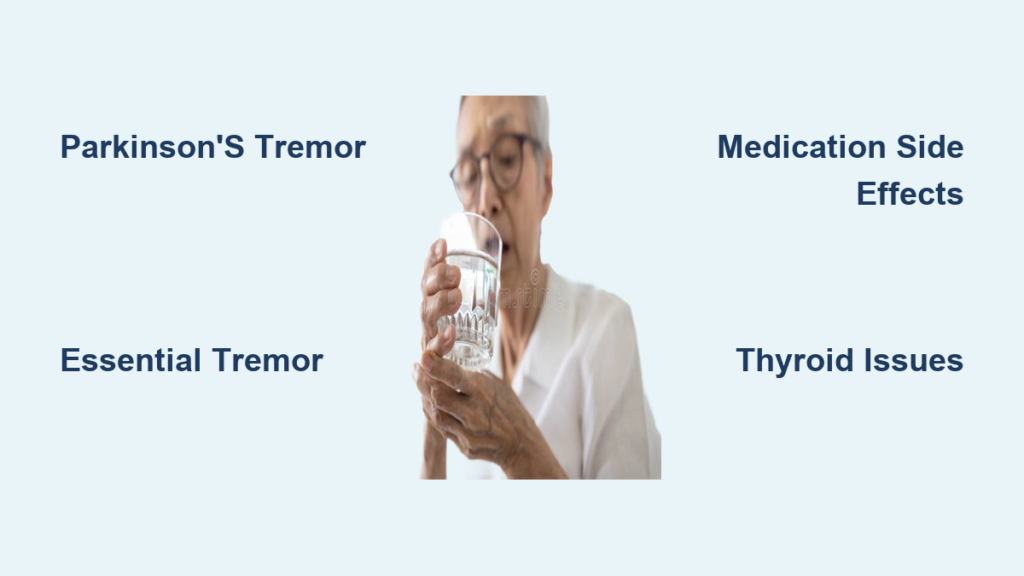
Tremors in elderly adults are more than just a normal part of getting older. They can signal underlying health conditions that deserve attention. If you or someone you love has noticed shaking in the hands, head, or voice, especially during simple tasks like drinking from a cup or writing, understanding the root cause matters. Tremors rank among the most frequent movement disorders seen in older adults, often affecting coordination and independence.
This guide breaks down the primary causes of tremors in elderly individuals. You will learn to recognize symptoms, distinguish between tremor types, and identify when medical evaluation becomes necessary. Whether the shaking happens at rest, during movement, or while holding a position, each pattern offers clues about its origin.
Neurological Conditions Behind Tremors in Seniors
Neurological disorders top the list of causes of tremors in elderly patients. These conditions interfere with the brain’s ability to control muscle movement, producing involuntary shaking. Identifying the specific disorder often depends on when the tremor appears.
Parkinson’s Disease and Its Hallmark Tremor

One of the most recognized signs of Parkinson’s disease is a resting tremor, usually starting in one hand. This tremor often resembles a “pill-rolling” motion between the thumb and index finger. It typically lessens during voluntary movement and begins on one side of the body before possibly spreading. The cause lies in the degeneration of dopamine-producing neurons in the brain.
Additional symptoms include stiffness, slow movement, and balance problems. Early diagnosis allows for treatment with medications like levodopa or dopamine agonists, which help manage progression.
Essential Tremor in Older Adults

Essential tremor is the most common movement disorder in the elderly and is frequently confused with Parkinson’s. Unlike Parkinson’s tremors, essential tremor appears during movement or when holding a posture, such as extending the arms or holding a utensil. It commonly affects the hands, head, and voice, often running in families due to a genetic link.
Although not life-threatening, essential tremor can worsen over time and interfere with daily activities. Doctors commonly prescribe beta-blockers like propranolol or anti-seizure medications such as primidone to reduce symptoms.
Stroke-Related Tremor Development
A tremor that appears suddenly after a stroke may signal damage to brain regions controlling movement. Post-stroke tremors usually develop on one side of the body and may emerge weeks or months after the event. The tremor type varies based on the area of brain injury.
Rehabilitation, physical therapy, and sometimes medication help manage these symptoms. Recovery depends on the extent of neurological damage sustained during the stroke.
Medication-Induced Tremors in the Elderly
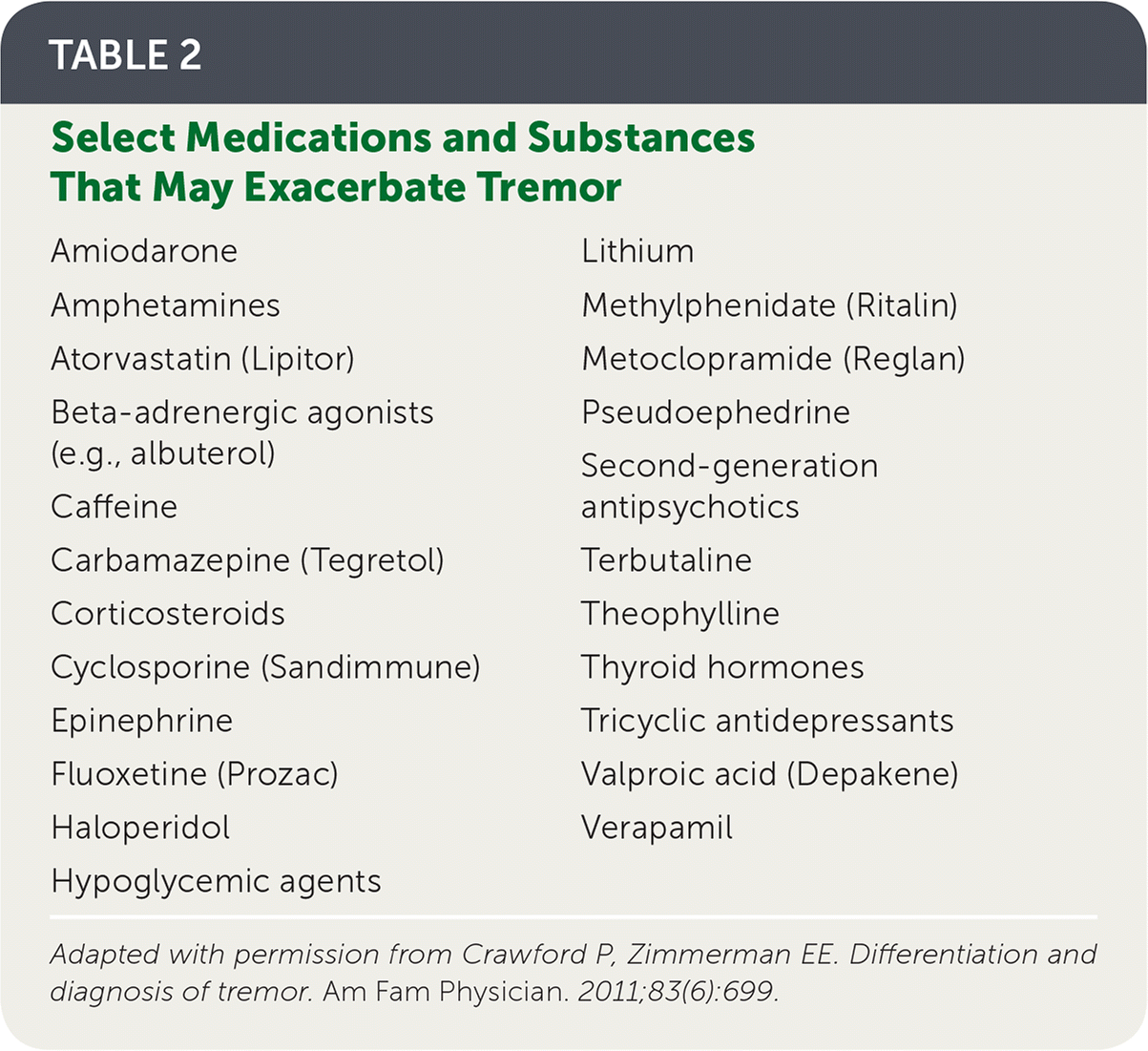
Many older adults take multiple medications, which increases the risk of drug-induced tremors. The good news is that these tremors often resolve once the triggering medication is adjusted or discontinued.
Common Medications That Cause Shaking
Several drug classes can trigger or worsen tremors in seniors:
- Beta-agonists such as albuterol used for asthma
- Corticosteroids like prednisone
- Antidepressants, particularly SSRIs and TCAs
- Anti-seizure drugs including valproate
- Immunosuppressants such as cyclosporine
- Chemotherapy agents
These medications affect the central nervous system or alter neurotransmitter balance. The resulting tremor is usually bilateral and action-related. A thorough medication review with a healthcare provider can pinpoint the culprit.
Identifying Drug-Related Tremors
If a tremor began shortly after starting a new medication, drug induction is likely. Key indicators include:
- Symmetrical tremor affecting both hands
- Onset within days or weeks of beginning the drug
- Absence of other neurological symptoms like rigidity or gait changes
Discontinuing or switching the medication under medical supervision often brings improvement within weeks.
Metabolic and Systemic Triggers for Tremors
Tremors in the elderly can also result from chemical imbalances or organ dysfunction. These causes are often overlooked but frequently reversible with proper treatment.
Overactive Thyroid and Hand Shaking

Hyperthyroidism is a common yet treatable cause of tremors in older adults. Excess thyroid hormone accelerates bodily functions, producing fine, rapid hand tremors. Additional symptoms include weight loss, rapid heartbeat, anxiety, and heat intolerance.
Blood tests measuring TSH, T3, and T4 levels confirm the diagnosis. Treatment with antithyroid medications, radioactive iodine, or surgery typically resolves the tremor once thyroid levels return to normal.
Low Blood Sugar and Tremor Episodes
Hypoglycemia, particularly in diabetic patients on insulin or sulfonylureas, can trigger tremors. These shaking episodes come on suddenly and often accompany sweating, confusion, dizziness, and hunger. Consuming fast-acting carbohydrates like juice or glucose tablets stops the tremor immediately.
Preventing future episodes involves adjusting medication doses, monitoring blood sugar regularly, and eating balanced meals throughout the day.
Liver and Kidney Dysfunction Contributions
Advanced liver disease such as cirrhosis can lead to hepatic encephalopathy, where toxins accumulate in the brain and cause a flapping tremor called asterixis. Kidney failure can similarly produce uremic tremors due to toxin buildup.
Both conditions require urgent medical management, which may include dietary changes, dialysis, or liver support therapies.
Age-Related and Benign Tremor Variations
Not all tremors in the elderly point to serious illness. Some forms are part of natural aging or have no identifiable cause but remain manageable.
Physiological Tremor That Becomes Visible
Everyone has a low-level physiological tremor that is usually too subtle to notice. In older adults, this tremor can become more apparent due to fatigue, stress, caffeine intake, or weakened muscles. It appears as a fine, high-frequency shake when holding a posture, such as extending the arms outward.
Reducing stimulant intake, improving sleep quality, and staying hydrated often minimize these symptoms.
Distinguishing Essential Tremor From Normal Aging
While some increase in shakiness comes with age, persistent or worsening tremor is not normal. Essential tremor is often mistaken for age-related change, but it progresses faster and interferes with everyday tasks like eating or writing. A neurologist can differentiate between the two through clinical evaluation. Early intervention supports better long-term function and independence.
Less Common but Serious Tremor Causes
Some rarer conditions can present with tremors in the elderly and require specialized diagnosis and care.
Multiple Sclerosis Tremor Presentation
Though less common in older adults, multiple sclerosis can cause cerebellar tremors, especially intention tremors that worsen when reaching for objects. These tremors often appear alongside vision problems, numbness, and coordination difficulties. MRI and spinal fluid testing help confirm the diagnosis. Treatment includes disease-modifying therapies and symptom-specific interventions.
Wilson’s Disease in Later Life
Wilson’s disease, a rare genetic disorder causing copper buildup in the liver and brain, can occasionally present in older adults. Symptoms include tremors, slurred speech, and psychiatric changes. Diagnosis involves blood tests for ceruloplasmin, 24-hour urine copper collection, and eye exams for Kayser-Fleischer rings. Treatment with copper-chelating agents like penicillamine prevents further neurological damage.
Cerebellar Degeneration and Movement Problems
Degeneration of the cerebellum leads to ataxia, tremors, and unsteady walking. Causes include chronic alcohol use, autoimmune conditions, or unknown factors. Tremors are typically intention-type, worsening with movement. Physical therapy and fall prevention strategies form the foundation of care.
Structural Brain Changes That Cause Tremors
Changes in brain structure from aging or injury can disrupt motor pathways and produce tremors.
Brain Tumors and Motor Symptoms
Although rare, brain tumors in areas controlling movement such as the thalamus or cerebellum can cause new-onset tremors. Warning signs include headaches, nausea, vision changes, or cognitive decline. MRI or CT scans are necessary for detection. Treatment depends on tumor type and may involve surgery, radiation, or careful monitoring.
Normal Pressure Hydrocephalus
Normal pressure hydrocephalus is a reversible cause of gait instability, cognitive decline, and urinary incontinence, sometimes accompanied by tremor-like movements. It results from excess cerebrospinal fluid in the brain ventricles. Diagnosis requires imaging and sometimes a spinal tap test. Surgical placement of a shunt can dramatically improve symptoms when caught early.
When to Seek Medical Evaluation for Tremors
Not every tremor requires emergency care, but certain signs demand prompt medical attention.
Red Flags Requiring Immediate Attention
Seek immediate evaluation if the tremor:
- Starts suddenly or worsens rapidly
- Affects only one side of the body
- Comes with confusion, weakness, or speech problems
- Follows a head injury
- Occurs alongside severe headache or vomiting
These signs could indicate stroke, tumor, or metabolic crisis.
How Doctors Diagnose Tremors in the Elderly
Healthcare providers use several tools to determine the underlying cause:
- Neurological exam to assess tremor type, reflexes, and coordination
- Medical history review including medications, family history, and symptom timeline
- Blood tests for thyroid, glucose, liver, kidney, and copper levels
- Imaging studies like MRI or CT scans when structural issues are suspected
- Electromyography (EMG) to evaluate muscle activity and tremor patterns
Accurate diagnosis guides effective treatment and better outcomes.
Frequently Asked Questions About Tremors in Elderly Adults
What Is the Most Common Cause of Tremors in Elderly People?
Essential tremor is the most common movement disorder in older adults. It typically occurs during movement or when holding a posture and often runs in families. Unlike Parkinson’s tremor, it is not associated with stiffness or balance problems.
Can Medications Cause Tremors in Seniors?
Yes, several medications can cause or worsen tremors in elderly individuals. Common culprits include bronchodilators like albuterol, corticosteroids, certain antidepressants, anti-seizure drugs, and immunosuppressants. A medication review with a doctor can help identify and address drug-induced tremors.
How Do You Know If a Tremor Is Serious?
A tremor requires prompt medical attention if it starts suddenly, affects only one side of the body, or comes with other symptoms like confusion, weakness, speech difficulties, or severe headache. These signs may indicate stroke, tumor, or other urgent conditions.
What Is the Difference Between Parkinson’s Tremor and Essential Tremor?
Parkinson’s tremor typically occurs at rest, begins on one side, and resembles a pill-rolling motion. Essential tremor happens during movement or when maintaining posture, often affects both sides, and commonly involves the head and voice. Parkinson’s also includes stiffness and slow movement, while essential tremor does not.
Can Metabolic Problems Cause Tremors in the Elderly?
Yes, metabolic issues like hyperthyroidism, low blood sugar, liver disease, and kidney failure can all cause tremors. These tremors often improve once the underlying metabolic condition is treated and chemical balance is restored.
When Should an Elderly Person See a Doctor for Tremors?
An elderly person should see a doctor for any new, worsening, or unexplained tremor. Medical evaluation is especially important if the tremor interferes with daily activities, affects one side of the body, or comes with other neurological symptoms.
Key Takeaways on Causes of Tremors in Elderly Adults
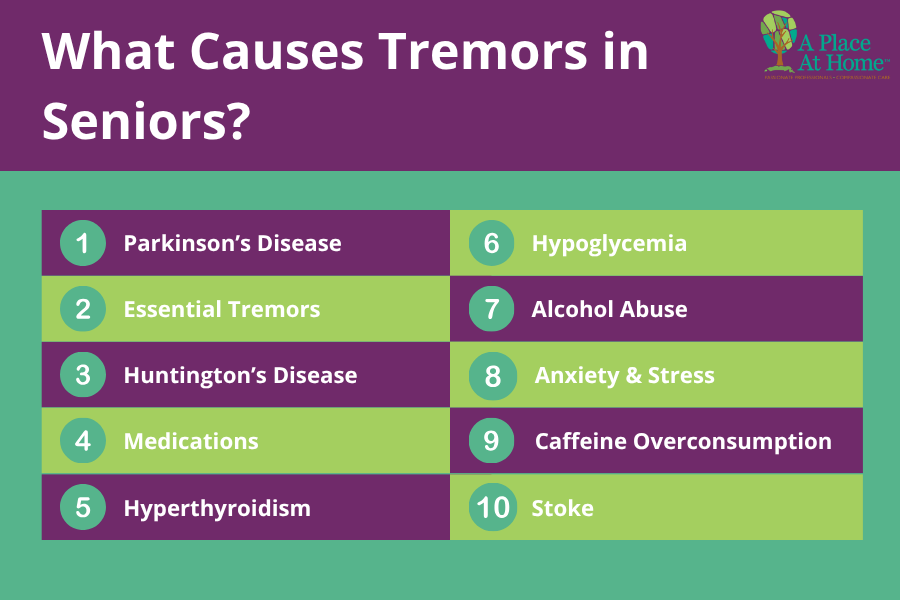
Tremors in elderly adults stem from many possible causes, ranging from benign and reversible to progressive neurological diseases. Recognizing the pattern, including when shaking occurs, what triggers or worsens it, and which other symptoms appear, is essential for proper diagnosis.
Essential tremor and Parkinson’s disease remain the most common neurological causes, but medication side effects, metabolic imbalances, and rare conditions deserve equal attention. Early evaluation leads to better outcomes, improved function, and enhanced quality of life. If you or a loved one experiences new or worsening tremors, schedule a comprehensive assessment with a healthcare provider without delay.