Muscle weakness and persistent pain in older adults are frequently dismissed as natural consequences of aging. However, when these symptoms originate from myopathy, a disease that directly damages muscle tissue, they signal a treatable condition requiring prompt clinical attention. With 18% of all adult myopathy cases occurring in individuals over 70, identifying the true causes of muscle dysfunction in this population is essential for effective care.
This article explores the leading causes of myopathy in elderly adults, explains how to distinguish disease from age-related decline, and outlines the diagnostic steps necessary for accurate identification and management.
Inflammatory Myopathy as the Leading Cause
Inflammatory muscle diseases account for 50% of diagnosed myopathy cases in patients over 70, making them the most common etiology in this age group. Unlike younger populations, these conditions carry a strong association with hidden malignancy and are frequently misdiagnosed due to overlapping symptoms with arthritis or general frailty.
Cancer Screening Is Mandatory
Elderly patients with inflammatory myopathy face a significantly elevated cancer risk (p < 0.05). This connection is so strong that cancer screening must be part of the standard workup for any new-onset inflammatory myopathy in patients over 70. Common associated malignancies include lung, ovarian, colorectal, and pancreatic cancers. Delayed diagnosis worsens outcomes for both the muscle disease and the tumor.
Recommended screening includes:
– Age-appropriate colonoscopy and mammography
– Chest CT scan
– Abdominal and pelvic imaging
– Tumor markers based on clinical suspicion
Early detection improves survival rates and enables timely immunosuppressive therapy tailored to the patient’s overall health status.
Common Inflammatory Subtypes
The primary inflammatory myopathies seen in elderly adults include:
– Polymyositis: Symmetrical proximal weakness with elevated CK and no skin involvement
– Dermatomyositis: Similar weakness plus characteristic rashes such as heliotrope rash or Gottron’s papules
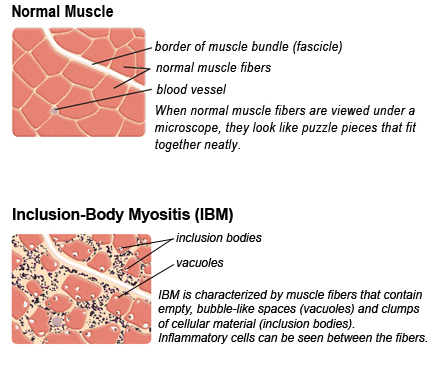
– Inclusion Body Myositis (IBM): Gradual onset with asymmetric weakness, often affecting grip strength and quadriceps, and less responsive to treatment
IBM is particularly prevalent in men over 70 and may mimic neurogenic disorders, requiring biopsy for confirmation.
Myalgia as a Diagnostic Red Flag
Muscle pain (myalgia) is reported significantly more often in elderly myopathy patients (p < 0.01) than in younger ones. This symptom frequently leads physicians to suspect osteoarthritis or fibromyalgia rather than inflammatory muscle disease. However, persistent or unexplained myalgia, especially when combined with weakness or elevated CK, should prompt neuromuscular evaluation.
Pro tip: If an older adult complains of “aching legs” without joint swelling or trauma, consider myopathy before attributing it to aging.
Genetic Causes Are More Common Than Assumed
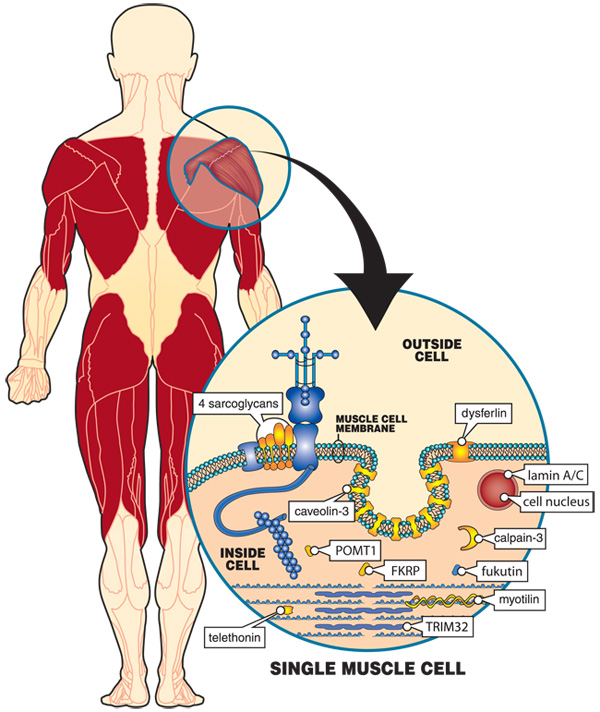
Genetic myopathies make up 32% of cases in the elderly, far exceeding traditional assumptions. These conditions are not limited to childhood; many present for the first time after age 70 due to late onset or decades of delayed diagnosis.
Late-Onset Genetic Disorders
Several inherited muscle diseases can manifest late in life:
– Limb-girdle muscular dystrophies (LGMD): Progressively weaken hip and shoulder muscles
– Myotonic dystrophy type 2 (DM2): Causes pain, stiffness, and proximal weakness, often mistaken for polymyalgia rheumatica
– Familial inclusion body myositis: Hereditary form resembling sporadic IBM
– Metabolic myopathies such as acid maltase deficiency: May present with isolated weakness or exercise intolerance
These conditions often go undiagnosed because clinicians rarely consider genetic testing in older patients.
Molecular Testing Is Essential
Diagnosing genetic myopathy requires:
– DNA sequencing of known myopathy-related genes
– Muscle protein analysis via Western blot
– Family history assessment, even if prior generations were never formally diagnosed
A positive genetic finding changes management and enables cascade testing for at-risk relatives.
Genetic Counseling Saves Lives
With nearly one-third of elderly myopathies having a hereditary basis, genetic counseling is mandatory. It informs family members of their risk and allows for early monitoring or preventive interventions. Dismissing genetic causes due to advanced age denies patients and their families critical health information.
Expert note: A diagnosis at age 75 does not mean the disease started recently. It may have been progressing silently for decades.
Sarcopenia Masks True Myopathy

Sarcopenia, the age-related loss of muscle mass, strength, and quality, is universal in older adults. While not a disease itself, it creates a baseline of weakness that magnifies the impact of true myopathy and complicates diagnosis.
How Sarcopenia Distorts Symptoms
Sarcopenia involves:
– Loss of fast-twitch muscle fibers
– Reduced motor unit recruitment
– Impaired glucose metabolism in muscle
– Decreased vascularity and regenerative capacity
When pathological myopathy develops on top of sarcopenia, even mild disease can cause severe functional decline, such as difficulty rising from a chair or climbing stairs.
Distinguishing Sarcopenia From Myopathy
| Feature | Sarcopenia | Myopathy |
|---|---|---|
| Onset | Gradual, lifelong decline | Often acute or subacute progression |
| Pain | Rare | Common, especially in inflammatory types |
| CK Level | Normal | Elevated, though can be normal in some cases |
| EMG | Normal or neurogenic | Myopathic changes |
| Biopsy | Age-related atrophy | Inflammatory infiltrates, necrosis, genetic defects |
Key clue: Rapid worsening of mobility or new-onset myalgia suggests myopathy rather than simple aging.
Unspecified and Rare Causes
Despite advanced testing, 16% of elderly myopathy cases remain unexplained after full evaluation. These patients have clear clinical and biopsy evidence of muscle disease but no identifiable inflammatory, genetic, or toxic cause.
Potential Hidden Factors
Possible contributors include:
– Novel age-related protein aggregation disorders
– Mitochondrial dysfunction linked to aging
– Autoimmune mechanisms not yet characterized
– Cumulative microvascular damage in muscle
These cases underscore the need for ongoing research into muscle biology in aging populations.
Toxic Triggers Should Still Be Excluded
Toxic myopathy accounts for only 2% of cases in those over 70, much lower than in younger adults. Still, common culprits must be ruled out:
– Statins: Can cause myalgia, elevated CK, or necrotizing myopathy
– Corticosteroids: Lead to proximal weakness mimicking myopathy
– Alcohol abuse: Causes type II fiber atrophy
– Colchicine, chloroquine, and zidovudine: Rare but documented myotoxins
Drug-induced weakness often improves after discontinuation of the offending agent.
Warning: Never assume a myopathy is genetic or inflammatory without reviewing all current medications.
The Diagnostic Pathway
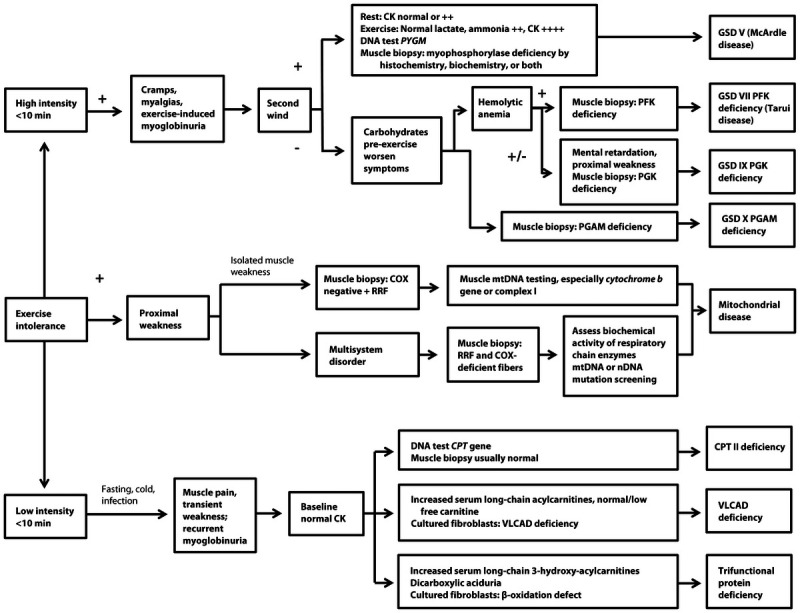
Diagnosing myopathy in elderly adults requires a systematic approach to avoid misattribution to aging and ensure timely intervention.
When to Investigate
Evaluate for myopathy if the patient has:
– Proximal muscle weakness, such as difficulty climbing stairs or lifting arms
– Persistent myalgia without inflammatory arthritis
– Elevated serum creatine kinase (CK)
– Myopathic changes on electromyography (EMG)
Normal CK does not rule out myopathy, especially in IBM or certain genetic forms.
Step-by-Step Evaluation
- Exclude systemic causes including heart failure, chronic infection, electrolyte imbalances (hypokalemia, hypophosphatemia), and organ failure (liver, kidney, thyroid)
- Assess medication and toxin exposure
- Perform neuromuscular testing with serum CK, autoantibody panel (anti-Jo-1, anti-SRP), and EMG to confirm myopathic pattern
- Proceed to muscle biopsy if suspicion remains, using histology, immunohistochemistry, electron microscopy, and concurrent genetic testing
Biopsy remains the gold standard for definitive diagnosis in unclear cases.
EMG and Biopsy Provide Key Evidence
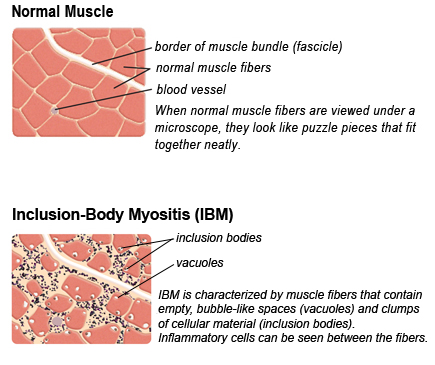
Needle EMG detects abnormal spontaneous activity (fibrillations, positive sharp waves) and short-duration motor unit potentials typical of myopathy. A biopsy can differentiate:
– Inflammatory infiltrates
– Necrotic fibers
– Rimmed vacuoles (in IBM)
– Abnormal protein deposits
These findings guide targeted treatment and prognosis.
Management Considerations
Treating myopathy in the elderly differs from younger patients due to comorbidities, reduced functional reserve, and the presence of sarcopenia.
Early Diagnosis Prevents Disability
Delayed recognition, often due to misattributing myalgia to arthritis, leads to prolonged inflammation or unchecked genetic disease progression. Early diagnosis allows for:
– Immunosuppressive therapy in inflammatory cases
– Discontinuation of offending drugs
– Initiation of supportive care including physical therapy and nutrition
Consequence: Every month of delay increases the risk of irreversible muscle damage.
Treatment Must Be Age-Adjusted
Standard therapies such as corticosteroids or IVIG require caution:
– Lower starting doses due to frailty
– Close monitoring for side effects like osteoporosis, diabetes, and infections
– Integration with physical rehabilitation
In IBM, immunotherapies are generally ineffective, so focus shifts to maintaining function.
Support Beyond Medication
Multidisciplinary care improves outcomes through:
– Physical therapy to preserve mobility
– Nutritional support to combat muscle wasting
– Fall prevention strategies
– Psychosocial support for chronic illness adjustment
Exercise, particularly resistance training, can partially counteract both sarcopenia and myopathy-related weakness.
Prevention and Long-Term Outlook
While not all myopathies are preventable, early detection and proactive management can preserve independence and quality of life.
Monitor for Red Flags
Watch for:
– New difficulty standing from a seated position
– Frequent falls without dizziness or syncope
– Unexplained muscle pain lasting more than two weeks
– Elevated CK on routine blood work
These signs warrant referral to a neuromuscular specialist.
Maintain Muscle Health
Even with a myopathy diagnosis, patients benefit from:
– Adequate protein intake of 1.0 to 1.2 g/kg/day
– Regular resistance and aerobic exercise
– Vitamin D supplementation if deficient
– Avoidance of myotoxic drugs
Lifestyle interventions slow decline and enhance treatment response.
Frequently Asked Questions About Myopathy in the Elderly
What Is the Most Common Cause of Myopathy in Elderly Adults?
Inflammatory myopathy is the leading cause, accounting for 50% of diagnosed cases in patients over 70. This category includes polymyositis, dermatomyositis, and inclusion body myositis, with a strong association with underlying malignancy.
Why Is Myalgia More Common in Elderly Myopathy Patients?
Elderly patients report muscle pain significantly more often than younger patients (p < 0.01). This symptom is a hallmark of geriatric myopathy and frequently leads to misdiagnosis as osteoarthritis or general aging rather than an inflammatory muscle disease.
Can Genetic Myopathies First Appear After Age 70?
Yes. Genetically-determined myopathies make up 32% of cases in the elderly. Many inherited muscle diseases such as limb-girdle muscular dystrophies, myotonic dystrophy type 2, and metabolic myopathies can present for the first time or be first diagnosed after the seventh decade of life.
Why Is Cancer Screening Important for Elderly Myopathy Patients?
Inflammatory myopathy in the elderly carries a significantly higher cancer risk (p < 0.05). Mandatory cancer screening, including imaging and age-appropriate procedures, is essential because early tumor detection improves both muscle disease management and overall survival.
Does Normal CK Rule Out Myopathy in Older Adults?
No. While elevated CK is a useful marker, there is no statistical difference in CK levels between elderly and younger myopathy patients. Normal CK does not exclude myopathy, particularly in inclusion body myositis or certain genetic forms where CK may remain within normal range.
How Does Sarcopenia Complicate Myopathy Diagnosis?
Sarcopenia creates a baseline of muscle loss that masks the onset of pathological myopathy. When disease develops on top of sarcopenia, even mild muscle damage can cause severe functional decline, and rapid worsening of mobility or new pain should trigger investigation beyond age-related decline.
Key Takeaways for Understanding Myopathy in the Elderly
Myopathy in elderly adults is not a rare curiosity. It affects nearly one in five adult myopathy patients and is most commonly driven by inflammation or genetics. Its hallmark symptom, myalgia, is often misdiagnosed as arthritis, delaying critical care. A high index of suspicion, mandatory cancer screening for inflammatory cases, and genetic testing for unexplained weakness are essential steps in proper diagnosis. With accurate identification and tailored management, many elderly patients can stabilize or improve their function, proving that muscle disease in old age is neither inevitable nor untreatable.