
Every year, more than one in four adults aged 65 and older experiences a fall. What seems like a minor slip or trip can trigger fractures, hospitalization, or loss of independence for older adults. Falls are not a normal part of aging. They result from interconnected physical, medical, and environmental factors that build up over time.
Understanding why elderly people fall is the first step toward prevention. This guide breaks down the root causes, from muscle loss and medication side effects to home hazards and chronic conditions. You will also find actionable strategies to reduce fall risk and maintain mobility well into later life.
Age-Related Physical Changes That Increase Fall Risk

Natural aging brings shifts in the body that gradually undermine stability, strength, and reaction time. These changes accumulate over years, making falls more likely even without an obvious trigger.
Sarcopenia Weakens Muscles and Stability
Sarcopenia refers to the progressive loss of muscle mass, strength, and function. It can begin in middle age and accelerates after 60, particularly in people who stay inactive.
Key effects on fall risk include:
– Reduced leg strength impairs the ability to stand from a chair or recover from a stumble
– Weak core muscles affect posture and balance during walking
– Fatigue from poor muscle endurance leads to shuffling gait and poor coordination
Expert Note: Strength training just 2 to 3 times per week can reverse muscle loss. Focus on resistance exercises like seated leg lifts, wall push-ups, and resistance band workouts.
Slower Reflexes Delay Recovery
Even with good muscle strength, delayed reactions make it harder to catch a fall once balance is lost.
- Nerve signals travel more slowly, reducing foot response time on uneven surfaces
- The brain takes longer to process sensory input and initiate corrective movements
- Older adults may not grab a handrail quickly enough during a misstep
Pro Tip: Practice balance drills daily, such as standing on one foot or heel-to-toe walking, to sharpen neuromuscular responses.
Chronic Health Conditions That Impair Balance

Underlying medical issues often go unnoticed yet significantly increase fall risk by affecting movement, sensation, or awareness.
Arthritis Limits Joint Mobility
Joint pain and stiffness, especially in hips, knees, and feet, alter walking patterns and reduce stability.
- People may shorten their stride or limp, creating instability
- Fear of pain leads to reduced activity, which worsens muscle weakness
Avoid this trap: Low-impact activities like swimming or cycling keep joints moving without added strain.
Parkinson’s Disease Disrupts Movement Control
This neurological disorder causes tremors, rigidity, and freezing gait, which is a sudden inability to step forward.
- Freezing episodes often occur when turning or approaching doorways
- Balance reflexes are impaired, making recovery from a stumble difficult
Helpful strategy: Visual cues, such as stepping over a line on the floor, can help restart movement during freezing episodes.
Stroke Creates Uneven Gait Patterns
Post-stroke weakness, known as hemiparesis, affects one side of the body and creates asymmetrical walking patterns.
- The weaker leg may drag or buckle under pressure
- Poor weight shifting increases tripping risk
Recovery approach: Physical therapy focused on gait retraining and weight-bearing exercises improves long-term stability.
Diabetes Causes Loss of Foot Sensation
Diabetic neuropathy damages nerves in the feet, leading to numbness that disrupts balance.
- You cannot feel uneven ground, pebbles in shoes, or slippery surfaces
- Altered foot positioning due to numbness disrupts natural balance
Check this: Inspect feet daily and wear shoes with firm support and non-slip soles.
Osteoporosis Increases Fracture Severity
Weak bones do not cause falls, but they turn minor trips into major injuries.
- Hip fractures from falls are a leading cause of nursing home admission
- Spine fractures can occur from simple bending or coughing in severe cases
Prevention tip: Strong bones reduce fracture risk even when falls happen.
Medication Side Effects That Trigger Falls

Many common prescriptions affect the brain, blood pressure, or alertness, increasing fall risk even in otherwise healthy seniors.
Sedatives and Sleep Aids Cause Lingering Drowsiness
Drugs like zolpidem or benzodiazepines impair coordination and reaction time.
- Drowsiness may linger into the next day, creating a hangover effect
- Nighttime bathroom trips become high-risk events
Action step: Review all sleep medications with your doctor. Consider non-drug alternatives like sleep hygiene practices or cognitive behavioral therapy.
Blood Pressure Medications Cause Dizziness Upon Standing
Medications that lower blood pressure can lead to orthostatic hypotension, a sudden blood pressure drop when standing.
- You feel lightheaded or faint within seconds of getting up
- This is especially dangerous first thing in the morning
Prevention: Rise slowly and sit on the edge of the bed for 30 seconds before standing.
Antidepressants and Antipsychotics Affect Balance
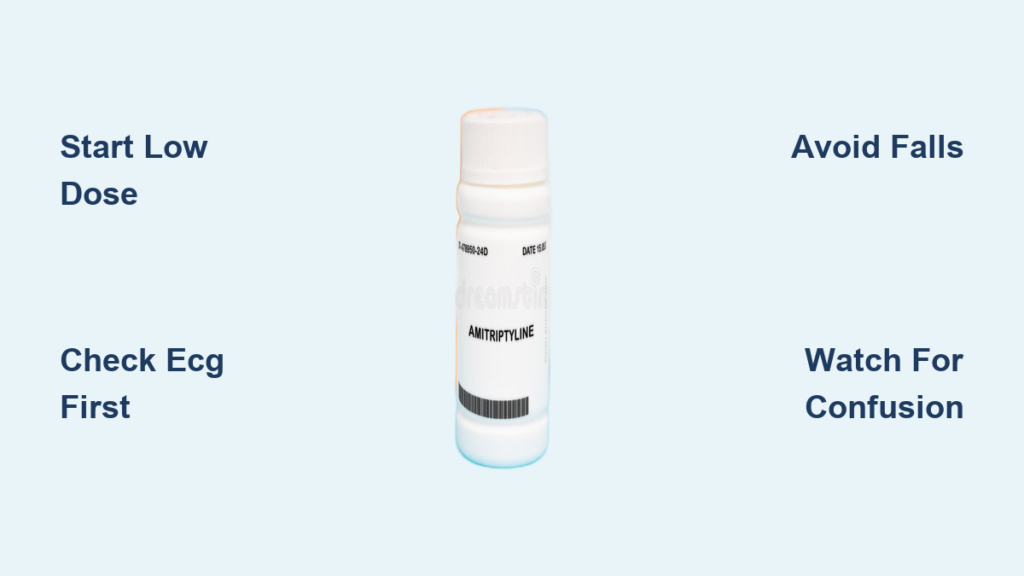
SSRIs, tricyclics, and antipsychotics may cause dizziness, blurred vision, or unsteadiness.
- Some medications increase fall risk by up to 50 percent
- Effects worsen when multiple medications are combined
Must-do: Request an annual medication review with your doctor or pharmacist to identify high-risk drugs.
Vision and Hearing Decline Reduce Environmental Awareness
Sensory input is essential for navigating the world safely. When sight or hearing fades, spatial awareness drops sharply.
Poor Vision Hides Everyday Hazards
- Reduced depth perception makes stairs harder to judge
- Cataracts or glaucoma limit peripheral vision, causing you to miss obstacles to the side
Fix it: Get annual eye exams and update glasses prescriptions. Apply high-contrast tape on stair edges for better visibility.
Hearing Loss Affects Balance and Spatial Awareness
The inner ear plays a key role in equilibrium. Hearing loss often correlates with balance problems.
- Difficulty hearing environmental cues reduces situational awareness
- Consistent hearing aid use is linked to lower fall risk
Try this: Wear hearing aids consistently and reduce background noise when walking in unfamiliar spaces.
Home Hazards That Trigger Most Falls

Most falls happen at home, where people feel safest. Yet everyday environments contain hidden dangers that interact with physical limitations.
Loose Rugs and Clutter Trip Feet
- A frayed rug edge or electrical cord across a walkway is a common trigger
- Clutter in hallways forces sideways stepping, which is unstable
Quick fix: Remove throw rugs or secure them with double-sided tape. Keep all walking paths clear.
Poor Lighting Creates Dangerous Blind Spots
- Dim hallways, unlit stairs, or dark bathrooms make it hard to see obstacles
- Night vision declines with age, increasing nighttime fall risk
Solution: Install nightlights in bedrooms, bathrooms, and hallways. Use motion-sensor lights for staircases.
Missing Grab Bars and Handrails Remove Critical Support
- Bathrooms are high-risk zones where wet floors meet a lack of support
- Stairs without handrails remove essential balance aids
Must-have: Install grab bars near toilets and inside showers. Ensure handrails are on both sides of every staircase.
Unsafe Footwear and Foot Problems
What you wear on your feet directly affects stability, balance, and confidence while walking.
Slippers Without Support Are a Hidden Danger
- Backless slippers slide off, reducing foot control
- Soft soles provide no shock absorption or traction
Better choice: Wear supportive shoes with non-slip soles, even while indoors.
Foot Conditions Alter Gait and Weight Distribution
- Bunions, hammertoes, or plantar fasciitis cause pain, leading to limping
- Corns or calluses change how the foot strikes the ground
Check this: See a podiatrist annually. Use orthotics if recommended for your specific foot condition.
Fear of Falling Creates a Dangerous Cycle
Many seniors, even those who have never fallen, develop a fear that limits their daily activities.
- This fear leads to avoiding walking, going out, or using stairs
- Less activity causes muscle loss, which worsens balance and increases actual fall risk
Break the cycle: Start with safe, supervised exercises like chair yoga or walking with a cane. Build confidence gradually through small, consistent wins.
Proven Strategies to Prevent Falls in Older Adults
Fall prevention works best as a combination of physical, medical, and environmental actions rather than a single fix.
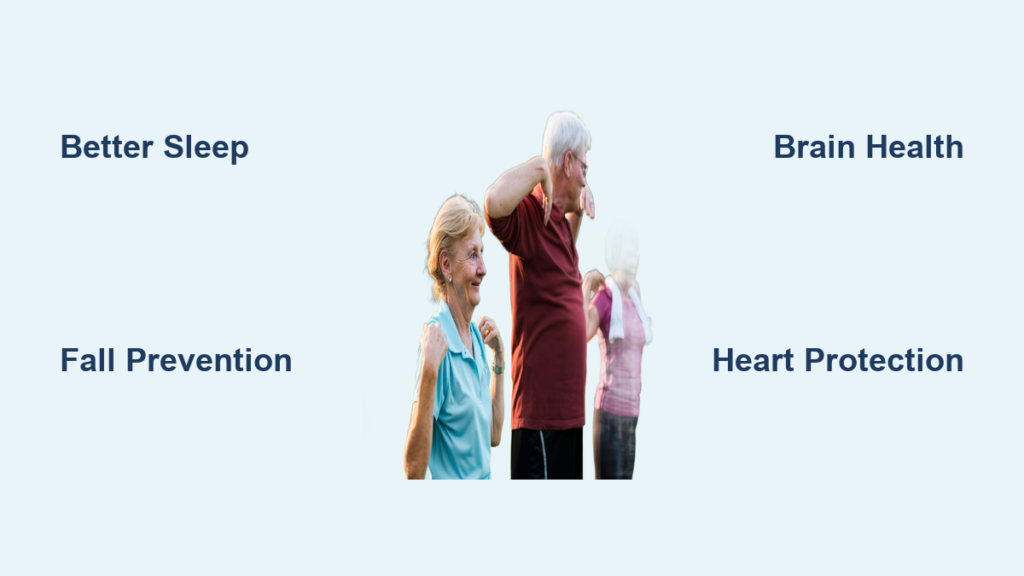
Exercise Builds Strength and Sharpens Balance
- Strength training 2 to 3 times per week, including leg presses and supported squats
- Balance exercises like Tai Chi, heel-to-toe walks, and single-leg standing
- Aerobic activity for at least 150 minutes weekly through brisk walking or water aerobics
Time commitment: Just 30 minutes a day can make a measurable difference.
Medical Checkups Catch Hidden Risks Early
- Vision and hearing tests once a year
- Medication review annually or whenever a new drug is added
- Foot exams, especially for individuals with diabetes
Ask your doctor: “Could any of my current medications increase my fall risk?”
Home Safety Audits Remove Hidden Hazards
Walk through your home and look for:
– Loose rugs
– Cluttered walkways
– Poor lighting
– Lack of grab bars
Use a checklist: The CDC STEADI program offers a free home safety assessment tool.
Nutrition Supports Bone and Muscle Health
- Calcium at 1,200 mg daily from dairy, leafy greens, and fortified foods
- Vitamin D at 800 to 1,000 IU daily from sunlight, supplements, or fatty fish
- Protein at 1.0 to 1.2 grams per kilogram of body weight to maintain muscle
Avoid: Excess alcohol and smoking, both of which weaken bones over time.
What to Do After a Fall Occurs

If a fall happens, the immediate response influences both recovery and future prevention.
Stay Calm and Assess Before Moving
- Do not rush to get up. Take deep breaths and stay still for 30 seconds.
- Check for pain or injury by moving limbs slowly to test for fractures.
- Call for help if needed using a medical alert device or phone.
If alone: Crawl to a phone or sturdy furniture to pull yourself up slowly and safely.
Report Every Fall to Your Doctor
- Tell your doctor even if you were not hurt
- A fall is a warning sign that your body needs attention
Frequently Asked Questions About Falls in the Elderly
What is the most common cause of falls in elderly people?
The most common causes are a combination of muscle loss, medication side effects, and home hazards like loose rugs and poor lighting. Most falls result from multiple factors interacting rather than a single cause.
Can falls in the elderly be prevented?
Yes, most falls can be prevented through strength and balance exercises, regular medication reviews, vision and hearing checkups, and home safety modifications. Combining these strategies significantly reduces risk.
Why do elderly people fall more often at night?
Night vision declines with age, and dim lighting in bedrooms, hallways, and bathrooms creates dangerous blind spots. Drowsiness from sleep medications and the urgency of nighttime bathroom trips also increase risk.
How does medication increase fall risk in seniors?
Medications like sedatives, blood pressure drugs, and antidepressants can cause dizziness, drowsiness, blurred vision, and orthostatic hypotension. Combining multiple medications often worsens these effects.
What exercises help prevent falls in older adults?
Tai Chi, strength training, balance drills like single-leg standing, and heel-to-toe walking all improve stability. Aim for at least 150 minutes of physical activity per week, broken into manageable sessions.
When should an elderly person see a doctor after a fall?
An elderly person should see a doctor after any fall, even without obvious injury. A fall signals underlying risk factors that need evaluation, including medication review, balance assessment, and bone density testing.
Key Takeaways for Preventing Falls in the Elderly
Falls in older adults are preventable when you address the root causes. Focus on three core areas: building physical strength through regular exercise, managing medications with annual reviews, and removing environmental hazards from the home. Vision, hearing, and foot health also play critical roles that should not be overlooked.
The most important step is acting early, before a fall happens. Start with one small change today, whether that is a balance exercise, a medication review, or removing a loose rug. Small steps consistently applied lead to safer, more independent living for older adults.