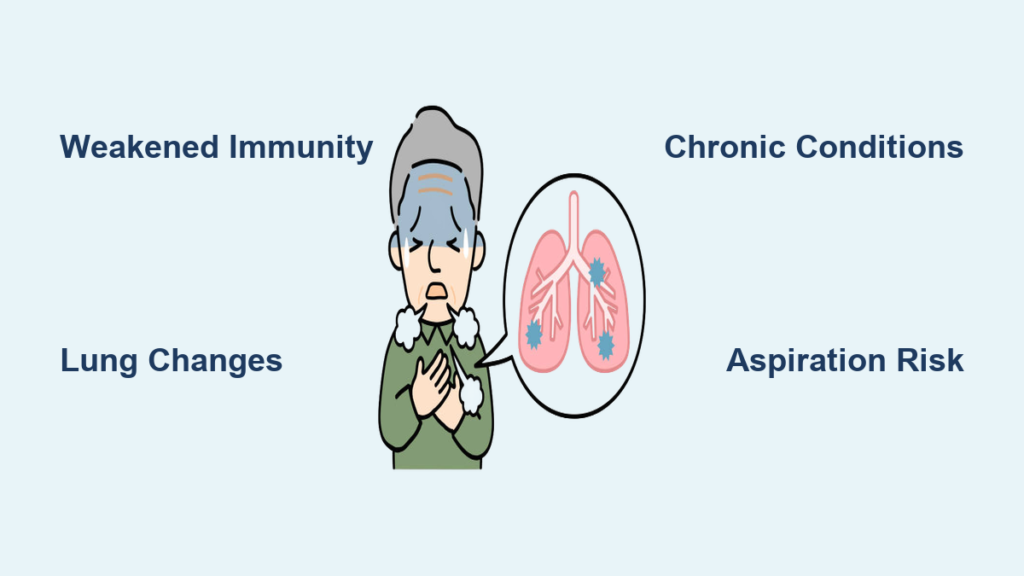
Pneumonia is a serious lung infection that affects millions each year, but older adults are especially vulnerable. The risk of developing pneumonia rises sharply after age 65, and complications can be life-threatening. You may wonder: why do elderly get pneumonia more often than younger adults? The answer lies in a combination of weakened defenses, underlying health conditions, and age-related changes that make it harder for the body to fight off infection.
This article explores the key reasons behind high pneumonia rates in seniors. From declining immunity to chronic illnesses and environmental factors, we will break down the biological and lifestyle causes at play. You will also learn actionable steps to reduce risk and protect aging loved ones from serious respiratory illness.
Weakened Immune System with Age
As people grow older, their immune system naturally slows down, a process known as immunosenescence. This decline makes it harder for the body to detect and destroy harmful bacteria and viruses before they settle in the lungs.
Slower Immune Response
Older adults produce fewer immune cells and antibodies, leading to delayed reactions to infection. What might be a mild cold in a younger person can quickly turn into pneumonia because the body does not respond fast enough to stop the spread.
Reduced Vaccine Effectiveness
Vaccines like the pneumococcal and flu shots are still essential for seniors. However, they are less effective in older adults due to weaker immune responses, offering partial protection and leaving some vulnerability.
Chronic Inflammation in Aging
Many older adults live with low-grade, long-term inflammation sometimes called “inflammaging.” This state paradoxically weakens immune function over time, impairing the body’s ability to mount a strong defense against respiratory pathogens.
Age-Related Lung Changes

The lungs undergo structural and functional changes with age that increase pneumonia risk, even in otherwise healthy seniors.
Weaker Cough Reflex
A strong cough helps clear mucus and germs from the airways. In older adults, this reflex often becomes slower and less forceful, allowing bacteria to settle and multiply in the lungs.
Stiffer Lung Tissue
Over time, lung tissue loses elasticity and the chest wall becomes stiffer. These changes reduce lung capacity and make it harder to fully inhale and exhale, leading to poor air exchange and pockets of stagnant air where infections can develop.
Decline in Cilia Function
Tiny hair-like structures called cilia line the airways and sweep out debris and microbes. With age, cilia become less active, reducing the lungs’ natural cleaning system and increasing the chance of infection buildup.
Chronic Health Conditions

Many older adults live with long-term health issues that directly impact lung health and immune response.
Heart Disease and Lung Fluid
Conditions like congestive heart failure can cause fluid to accumulate in the lungs, creating a breeding ground for bacteria. This fluid impairs oxygen exchange and raises pneumonia risk significantly.
Diabetes Weakens Infection Defense
High blood sugar levels impair white blood cell function, making it harder for the body to fight infections. Diabetics, especially those with poorly controlled blood sugar, are more prone to severe pneumonia.
COPD and Damaged Airways
Chronic obstructive pulmonary disease damages the lungs and airways, making it harder to clear mucus. Seniors with COPD often have ongoing inflammation and frequent respiratory infections, raising the likelihood of pneumonia.
Swallowing Difficulties and Aspiration
One of the most underrecognized causes of pneumonia in the elderly is aspiration, when food, saliva, or stomach contents enter the lungs instead of the stomach.
Dysphagia in Older Adults
Many seniors develop dysphagia, or difficulty swallowing, due to stroke, Parkinson’s disease, or general muscle weakness. This increases the chance of inhaling small particles during meals or even while sleeping.
Silent Aspiration Is Common
Some older adults aspirate without coughing or showing signs, a condition called silent aspiration. Because there is no immediate reaction, caregivers may not realize the danger until pneumonia sets in.
Preventing Aspiration Pneumonia
Simple steps like sitting upright during meals, eating slowly, and modifying food textures can reduce risk. Speech therapists can also assess and improve swallowing safety for at-risk seniors.
Reduced Mobility and Breathing

Physical inactivity, common in older adults due to arthritis, frailty, or recovery from surgery, contributes to pneumonia development.
Shallow Breathing from Inactivity
When seniors spend long periods lying down or sitting, their breaths become shallow. This limits lung expansion and leads to atelectasis, a partial collapse of lung tissue that traps bacteria.
Post-Surgery Pneumonia Risk
After surgery, especially abdominal or chest procedures, pain can discourage deep breathing and coughing. This increases the risk of postoperative pneumonia, which is why doctors encourage early movement and breathing exercises.
Importance of Early Movement
Even small efforts, like sitting up, walking to the bathroom, or doing deep-breathing exercises, can help keep the lungs clear. Physical therapy and mobility aids play a key role in prevention.
Malnutrition and Low Body Weight
Poor nutrition is surprisingly common among seniors and directly impacts immune strength and lung function.
Weakened Immunity from Nutrient Deficiencies
Lack of protein, vitamins, and minerals like zinc and selenium impairs immune cell production. Malnourished seniors are more susceptible to infections of all kinds, including pneumonia.
Muscle Wasting Affects Breathing
Malnutrition leads to loss of muscle mass, including the diaphragm and chest muscles needed for strong breathing and coughing. This creates a cycle where poor nutrition weakens breathing, increasing infection risk.
Encouraging Balanced Senior Diets
Frequent small meals rich in protein, fruits, vegetables, and healthy fats help maintain strength and immunity. Supplements may be needed when dietary intake is consistently low.
Living Environments and Exposure Risks
Where an older adult lives can significantly influence pneumonia risk, especially in group settings.
Nursing Homes and Infection Spread
Long-term care facilities often house many people in close quarters, increasing exposure to respiratory viruses. Outbreaks of flu or RSV can quickly lead to pneumonia in vulnerable residents.
Hospital-Acquired Pneumonia
Seniors who are hospitalized, especially those on ventilators, face higher risks of hospital-acquired pneumonia. These infections are often caused by drug-resistant bacteria and are harder to treat.
Home Care Safety Tips
Even at home, risks exist. Poor hand hygiene, unclean humidifiers, or exposure to smokers can introduce germs. Regular cleaning, handwashing, and avoiding sick contacts are essential habits.
Medication Side Effects
Some medications commonly prescribed to older adults can indirectly increase pneumonia risk.
Sedatives and Breathing Suppression
Drugs like benzodiazepines or strong painkillers can slow breathing and suppress the cough reflex, making it easier for secretions to pool in the lungs.
Acid Reflux Medications and Infection Risk
Proton pump inhibitors reduce stomach acid, which protects against ulcers but also allows more bacteria to survive in the gut. These bacteria can travel to the lungs if aspiration occurs.
Reviewing Medication Risks
Doctors should regularly assess whether medications are still necessary and consider alternatives with fewer respiratory side effects, especially in high-risk patients.
Preventive Strategies for Seniors
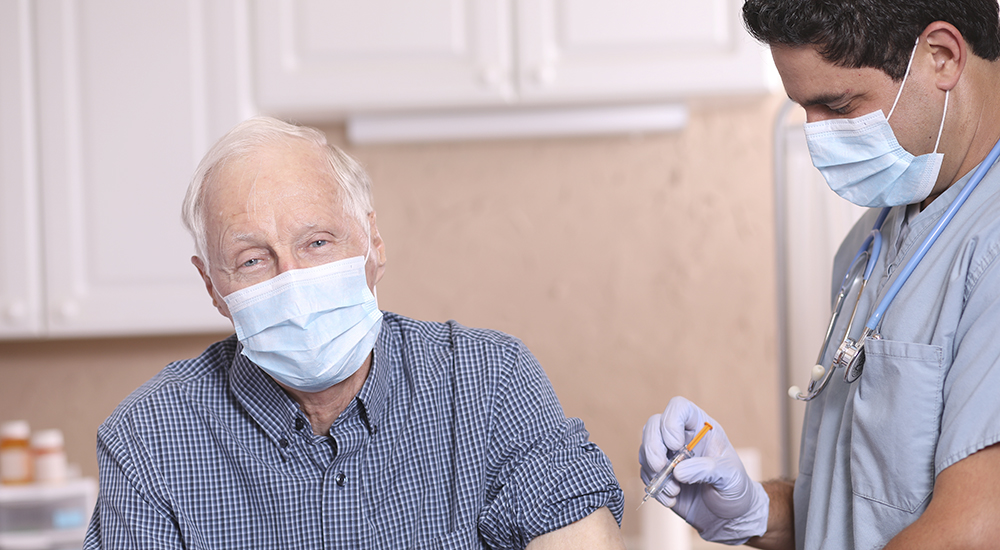
While aging increases pneumonia risk, many cases are preventable with proactive care and healthy habits.
Vaccination Schedule for Over 65
- Pneumococcal vaccines to protect against bacterial pneumonia
- Annual flu shot to reduce risk of flu-related pneumonia
- RSV vaccine recommended for adults 60 and older
- Covid-19 boosters to help prevent severe respiratory illness
These vaccines are often covered by Medicare and should be discussed with a healthcare provider.
Daily Hygiene and Infection Control
- Wash hands frequently with soap and water
- Avoid touching the face
- Use hand sanitizer when soap is not available
- Clean phones, doorknobs, and commonly touched surfaces regularly
Breathing Exercises and Lung Health
Simple techniques like deep-breathing routines help keep lungs expanded and clear. These are especially useful after surgery or during recovery from illness.
Regular Medical Checkups
Early detection of heart, lung, or swallowing issues can prevent complications. Routine visits allow doctors to monitor chronic conditions and adjust treatments as needed.
Frequently Asked Questions About Pneumonia in the Elderly
Why are elderly more likely to get pneumonia than younger adults?
Older adults have weaker immune systems, stiffer lung tissue, and weaker cough reflexes. These age-related changes make it harder to fight off respiratory infections and clear bacteria from the lungs.
Can pneumonia in seniors be prevented?
Yes, many cases are preventable through vaccination, good nutrition, regular exercise, hand hygiene, and managing chronic conditions. Early detection of swallowing problems also helps reduce risk.
What are the warning signs of pneumonia in older adults?
Common signs include cough, fever, shortness of breath, confusion, fatigue, and chest pain. Some seniors may not develop a high fever and instead show subtle changes like weakness or decreased appetite.
How does aspiration lead to pneumonia in the elderly?
When food, saliva, or stomach contents enter the lungs instead of the stomach, they introduce bacteria that can cause infection. Seniors with swallowing difficulties are especially at risk for aspiration pneumonia.
Are pneumonia vaccines effective for people over 65?
Pneumonia vaccines are effective but offer partial protection in older adults due to age-related immune decline. They still significantly reduce the risk of severe illness and hospitalization.
How long does it take for an elderly person to recover from pneumonia?
Recovery time varies but often takes six to eight weeks or longer. Some seniors may experience lingering fatigue and weakness for several months after treatment.
Key Takeaways for Reducing Pneumonia Risk in Seniors
Pneumonia in the elderly is common but not inevitable. The main reasons older adults face higher risk include weakened immunity, age-related lung changes, chronic health conditions, and swallowing difficulties. Environmental factors and medication side effects can add to the danger.
The good news is that many of these risks can be reduced. Staying up to date on vaccinations, eating a balanced diet, staying physically active, and practicing good hygiene all make a meaningful difference. Families and caregivers should also watch for swallowing problems and seek medical advice early when symptoms appear.
Your next step: Schedule a checkup for yourself or an aging loved one to review vaccinations, chronic conditions, and pneumonia prevention strategies. A proactive conversation with a healthcare provider today can prevent a serious infection tomorrow.