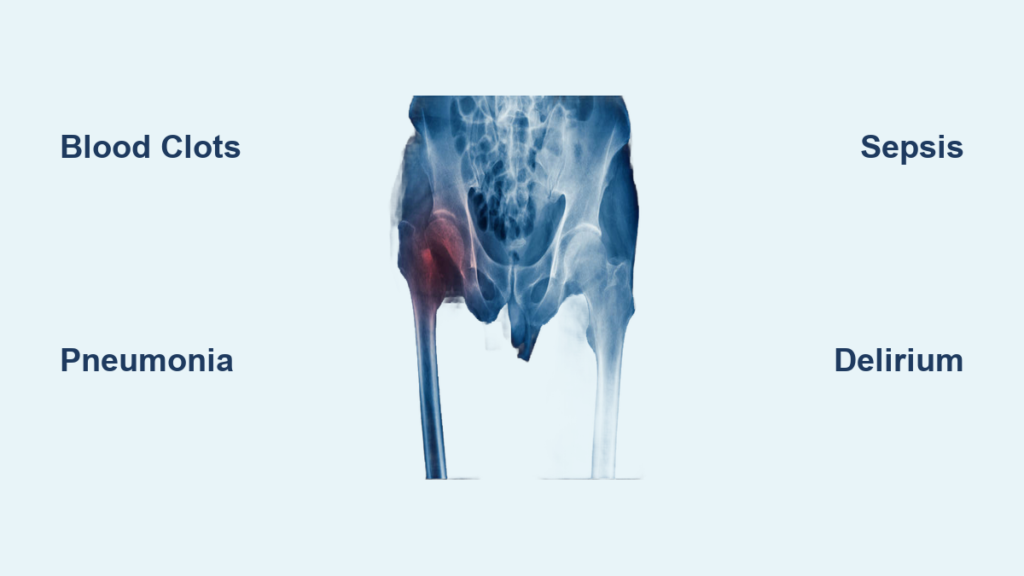
A simple fall at home can set off a devastating chain of events for an older adult. Within a year of breaking a hip, a significant number of elderly patients do not survive. This is not because of the break itself, but because of the cascade of complications that follows. Understanding this chain reaction can help families prepare, ask better questions, and advocate for aggressive care.
This guide explains the real medical reasons behind post-brightened mortality in the elderly. You will learn which complications pose the greatest threat, how pre-existing conditions accelerate decline, and what factors most strongly predict survival outcomes.
The Alarming Mortality Rate Linked to Hip Fractures in Older Adults
Hip fractures are not isolated injuries. They function as a marker of overall frailty and trigger a rapid decline in multiple body systems. Studies of patients over 65 consistently show that many die within the first 12 months after the break. This statistic holds steady across developed countries with advanced surgical care, which suggests the problem extends far beyond the operating room.
The mortality risk peaks during two critical windows. The first 30 days after the fracture carry the highest immediate danger. A second wave of increased risk occurs between 6 and 12 months post-injury. Patients who survive the first year often return to a health baseline close to their pre-fracture status.
Why Surgery Alone Cannot Prevent Elderly Death After Hip Fracture
Operating on the broken hip is standard practice, yet surgery is only one small part of survival. The procedure stabilizes the bone, but the trauma of the injury itself, combined with hospitalization and immobility, creates lasting physiological stress.
The Role of Pre-Existing Chronic Illness
Most elderly patients who break a hip already live with at least one chronic disease. Heart disease, diabetes, lung conditions, and kidney problems are common. These conditions reduce the body’s ability to withstand the stress of injury, anesthesia, and recovery. A previously manageable illness can quickly spiral out of control after a fracture.
Anesthesia and Surgical Stress on Aging Bodies
Even brief anesthesia places strain on the heart, lungs, and circulatory system. For frail patients, this stress can trigger heart attacks, strokes, or respiratory failure during or shortly after surgery. The risk rises sharply in patients with existing cardiovascular disease.
Life-Threatening Complications Following Hip Fracture
Several specific complications drive most post-fracture deaths. Each one can be devastating on its own, and they often occur together.
Blood Clots in the Lungs and Legs
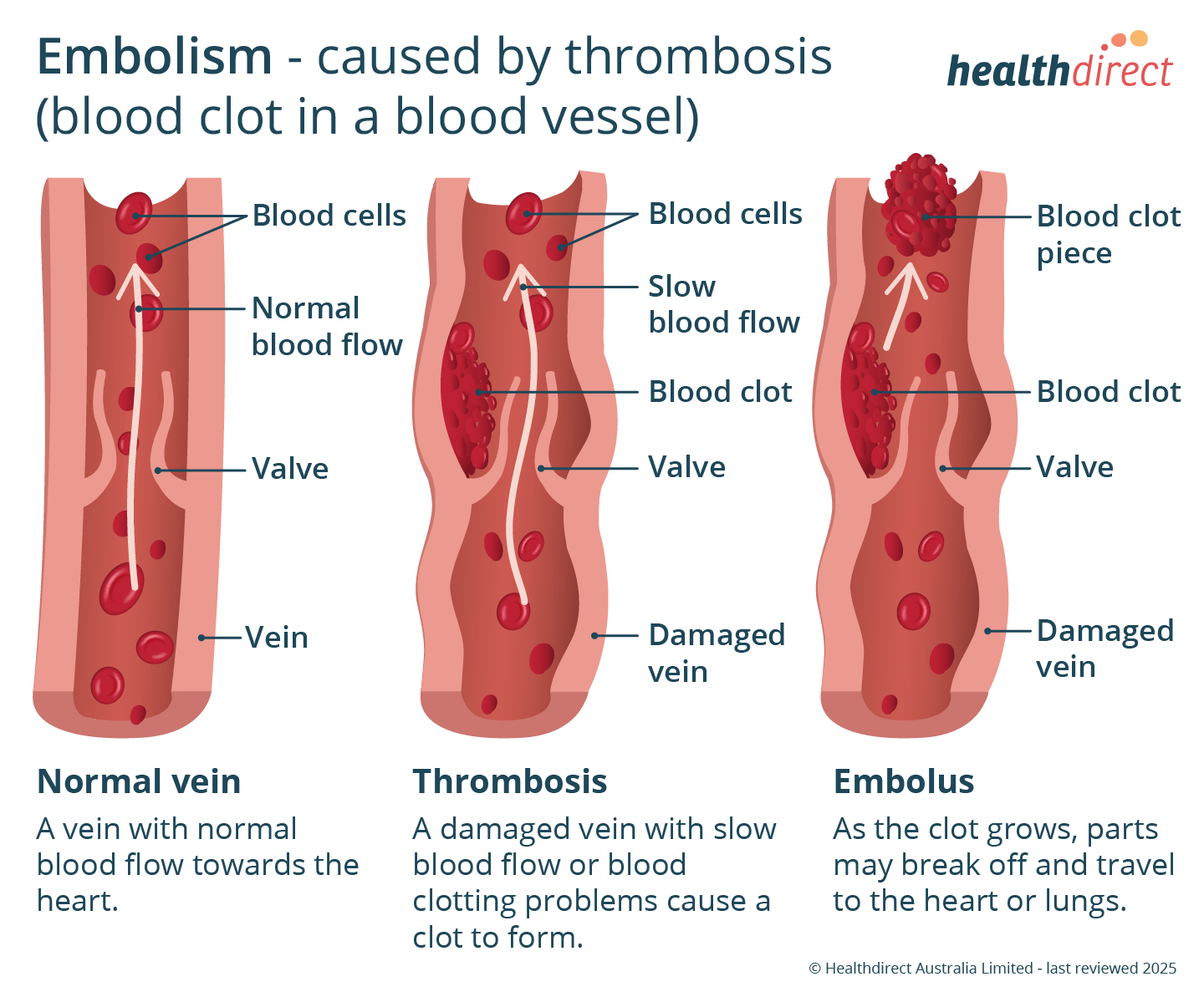
Immobility after a fracture allows blood to pool in the legs. Clots can form and travel to the lungs, causing a pulmonary embolism. This is one of the most common immediate causes of death following hip surgery. Without preventive blood thinners and early movement, the risk climbs dramatically.
Pneumonia From Prolonged Bed Rest
Lying flat for extended periods allows fluid and bacteria to build up in the lungs. Elderly patients have weaker cough reflexes and reduced lung capacity, which allows infection to take hold quickly. Hospital-acquired pneumonia is a leading contributor to post-fracture mortality.
Pressure Injuries That Lead to Sepsis
Constant pressure on the skin over bony areas cuts off blood flow. Within days, deep tissue damage can develop into open wounds. Once the skin breaks, bacteria can enter the bloodstream and cause sepsis, a body-wide infection that is often fatal in frail patients.
Delirium and Cognitive Decline
Hospitalization, pain medication, infection, and sleep disruption frequently trigger delirium in older adults. This confused state increases the risk of falls, refusal of care, and further medical complications. Patients who develop delirium during hospitalization have significantly higher mortality rates.
How Immobility Destroys Health After a Hip Break
Movement is medicine for the elderly, and a hip fracture removes that medicine almost entirely. The consequences of being still build quickly.
Rapid Muscle Loss and Weakness
Within days of bed rest, elderly patients begin losing muscle mass at an accelerated rate. Strength declines so fast that many patients who walked into the hospital cannot stand afterward. This loss of strength makes recovery, rehabilitation, and independent living far more difficult.
Bone Density Continues to Drop
Bones require weight-bearing activity to preserve density. Prolonged immobility accelerates bone loss, which increases the risk of future fractures. Patients who survive one hip fracture frequently break another bone within a few years.
Cardiovascular Deconditioning
The heart, like any muscle, weakens with disuse. After a week or more in bed, blood pressure drops when standing, causing dizziness and falls. This deconditioning makes rehabilitation longer, harder, and more dangerous.
Which Elderly Patients Face the Highest Mortality Risk

Not all patients face the same danger. Certain factors consistently predict poorer outcomes. Knowing these risk markers helps families and medical teams prioritize aggressive care.
Advanced Age and Frailty
Patients over 85 face significantly higher mortality than those in their late 60s or 70s. Frailty, defined as reduced strength, endurance, and physiological reserve, multiplies the danger of any stressor, including a hip fracture.
Male Gender and Lower Survival Rates
Research consistently shows that men have higher post-fracture mortality than women. Men who fracture a hip are often sicker at baseline and have more pre-existing illnesses. This gender gap persists even after adjusting for age and health status.
Living in a Nursing Home Before the Fracture
Patients who already require institutional care have higher death rates after hip fracture. Their underlying frailty and limited physiological reserve make recovery far more difficult.
Why Recovery Takes So Long After a Hip Fracture
Healing is rarely a straight line for elderly patients. Recovery involves multiple stages, and setbacks are common.
The First Six Weeks of Critical Healing
Bone healing takes approximately 6 to 12 weeks, but the most dangerous period is the first 6. During this time, patients are at peak risk for blood clots, infection, and cardiovascular events. Careful monitoring and early mobilization are essential during this window.
Rehabilitation Challenges and Setbacks
Physical therapy often begins within 24 to 48 hours after surgery. Even with aggressive rehab, many patients experience falls, infections, or new medical problems that interrupt progress. Each setback reduces the chances of returning to prior function.
Steps That Improve Survival After Hip Fracture

While the risks are real, certain interventions consistently improve outcomes. Families who understand these strategies can push for better care.
Early Surgery Within 24 to 48 Hours
Operating quickly reduces complications and improves survival. Delays beyond 48 hours allow immobility, pain, and stress to weaken the patient further. Every day of waiting increases risk.
Aggressive Prevention of Immobility Complications
The best hospitals use coordinated protocols to prevent clots, pneumonia, pressure injuries, and delirium. These include blood thinners, early walking, frequent position changes, and careful medication management. Patients treated under these protocols have measurably better outcomes.
Comprehensive Geriatric Assessment
A thorough evaluation by a geriatric specialist before and after surgery identifies hidden risks. This assessment reviews medications, nutrition, cognitive function, and social support. Acting on these findings prevents many post-operative complications.
Strong Nutritional Support
Malnutrition is common in elderly patients and slows every aspect of healing. Protein, vitamins, and minerals are needed for wound repair, muscle preservation, and immune function. Nutritional support before and after surgery reduces complications and shortens recovery time.
Frequently Asked Questions About Elderly Mortality After Hip Fracture
What is the one-year mortality rate after hip fracture in the elderly?
Studies show that approximately 20 to 30 percent of elderly patients die within one year of a hip fracture. The risk is highest in the first 30 days and again between 6 and 12 months post-injury. This mortality rate reflects the severity of underlying frailty rather than the fracture itself.
Why do men have higher mortality after hip fracture than women?
Men who fracture a hip typically have more pre-existing chronic illnesses, especially heart and lung disease. They also tend to be more frail at baseline. These factors combine to make post-operative complications more deadly for male patients.
Can an elderly person fully recover from a hip fracture?
Full recovery is possible, but it depends heavily on pre-fracture health, age, and access to rehabilitation. Many patients regain their prior level of function within 6 to 12 months. Others require long-term mobility aids or assisted living as a result of permanent decline.
How long do hospitals try to get elderly patients moving after hip surgery?
Most modern protocols begin mobilization within 24 to 48 hours of surgery. Standing or walking with assistance, even briefly, dramatically reduces the risk of clots, pneumonia, and muscle loss. Delayed mobilization is a strong predictor of poor outcomes.
What is the most common cause of death after hip fracture?
Infection, including pneumonia and sepsis from pressure injuries, is among the most common causes of post-fracture death. Cardiovascular events and pulmonary embolism are also major contributors. Most deaths result from a combination of complications rather than a single cause.
Does delaying hip surgery increase mortality risk?
Yes. Multiple studies confirm that surgery delayed beyond 48 hours increases mortality risk. Early stabilization allows faster mobilization, reduces pain, and limits the physiological stress of prolonged immobility. Whenever medically safe, surgery should happen as soon as possible.
Key Takeaways on Why Elderly Die From Hip Fractures
Hip fractures in the elderly are rarely about the bone itself. The real danger lies in the cascade of complications that follows, driven by frailty, chronic illness, and immobility. Blood clots, pneumonia, infections, and delirium account for most deaths, while pre-existing conditions and advanced age determine who is most vulnerable.
The most important step a family can take is advocating for early surgery, aggressive complication prevention, and early mobilization. These three interventions have the strongest evidence for improving survival. Talk with the surgical team about a comprehensive geriatric assessment, and ask specifically how the hospital plans to prevent clots, pneumonia, pressure injuries, and delirium during the recovery period.