

When your grandmother starts refusing family dinners, or your father calls multiple times a day to ask the same question, it’s easy to dismiss these changes as normal aging. But what if these behaviors signal something deeper? The symptoms of anxiety in the elderly are frequently overlooked, misdiagnosed, or attributed to age itself, leaving millions of older adults suffering in silence.
Recognizing anxiety in older adults requires a different lens than what we use for younger people. This guide walks you through the emotional, physical, behavioral, and cognitive signs to watch for. You’ll also learn the common triggers, when to seek help, and the treatment options that genuinely work for seniors.
Emotional Signs That Reveal Anxiety in Older Adults

Persistent Worry That Won’t Go Away
Older adults with anxiety often experience excessive, uncontrollable worry about health, finances, family safety, or even minor household matters. This goes far beyond occasional concern. It’s a constant state of dread that feels impossible to shake. You may hear repeated statements like, “What if something terrible happens?” or “I just can’t relax no matter what I do.”
Irritability and Unexplained Mood Swings
Anxiety doesn’t always look like fear. In older adults, it frequently shows up as irritability, frustration, or sudden anger. A person who was once calm and easygoing may snap over small inconveniences or withdraw during conversations. These mood changes are often mistaken for personality shifts or early dementia when they’re actually signs of underlying anxiety.
Feeling Overwhelmed by Routine Tasks
Even simple responsibilities like managing medications, paying bills, or attending medical appointments can feel crushing. The elderly person may express helplessness or avoid tasks altogether. This avoidance isn’t laziness or confusion. Anxiety makes everything feel unmanageable, even activities they once handled with ease.
Physical Symptoms That Signal Anxiety
Unexplained Aches and Chronic Pain
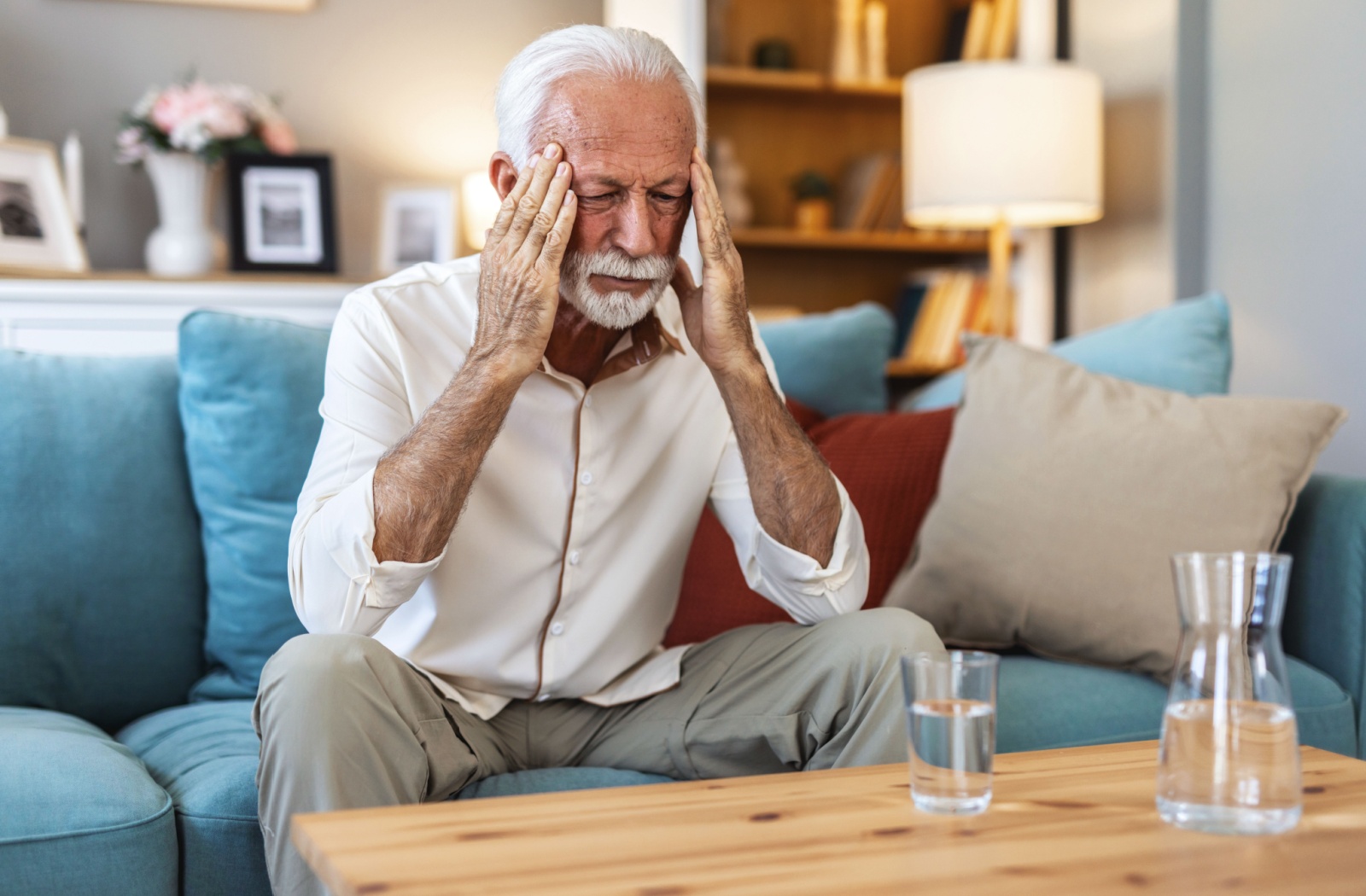
Headaches, stomachaches, muscle tension, and general body pain without a clear medical cause are common physical symptoms of anxiety in the elderly. These sensations are real and distressing, even when medical tests come back normal. The mind-body connection in anxiety amplifies physical discomfort, often leading to repeated doctor visits for pain relief.
Sleep Disturbances and Restless Nights
Difficulty falling asleep, staying asleep, or waking too early affects many anxious seniors. Racing thoughts replay worries or imagine worst-case scenarios throughout the night. Poor sleep then worsens anxiety the following day, creating a harmful cycle that’s hard to break without intervention.
Heart Palpitations and Dizziness
Palpitations, shortness of breath, or sudden dizziness can mimic heart problems or balance disorders. These symptoms should always be medically evaluated, yet they can also indicate anxiety attacks, especially when they appear during stressful moments or without any underlying heart condition.
Behavioral Changes Linked to Elderly Anxiety
Avoidance of Social Situations
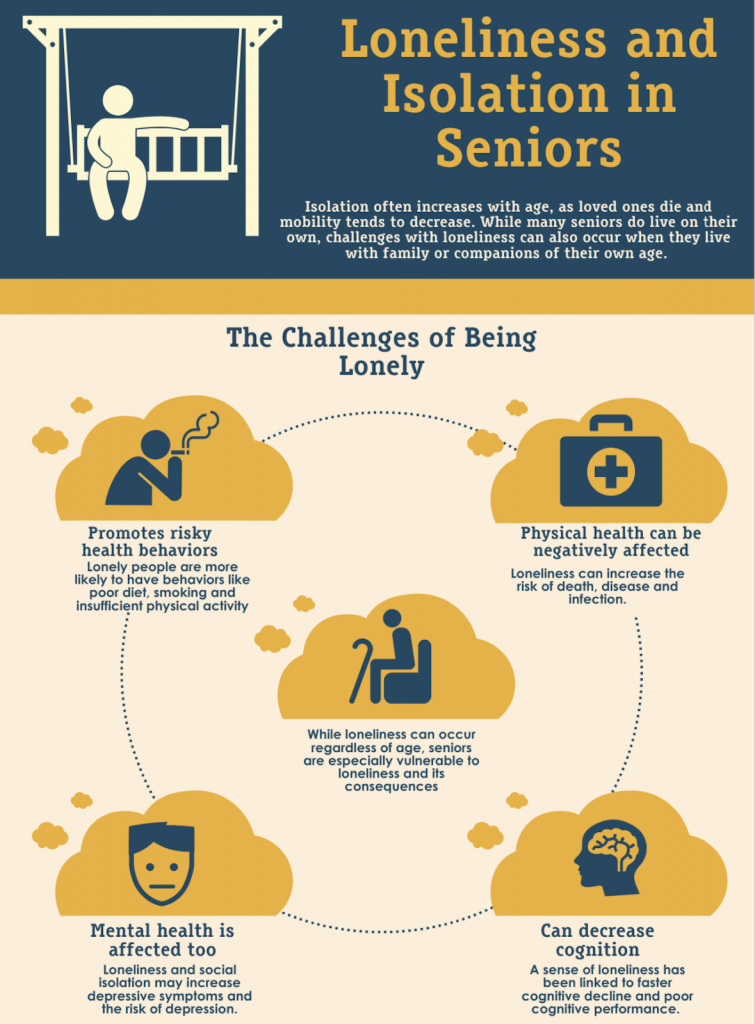
An older adult may begin skipping family gatherings, refusing outings, or avoiding leaving the house entirely. This isolation often stems from fear of falling, getting lost, experiencing a panic attack in public, or being judged by others. Over time, social withdrawal deepens loneliness and can trigger depression alongside anxiety.
Repetitive Checking and Questioning
Anxiety may drive repetitive actions like constantly checking locks, appliances, or medication schedules. Some seniors repeatedly call family members to confirm safety or ask the same questions over and over. These behaviors come from fear-driven uncertainty, not stubbornness or memory loss.
Growing Dependence on Others
An anxious older adult may cling to caregivers, needing constant reassurance or help with tasks they once managed independently. This behavior isn’t manipulation. It reflects a genuine feeling of being unsafe or out of control in their own environment.
Cognitive and Mental Signs to Recognize
Trouble Concentrating and Focusing
Anxiety floods the brain with stress signals, making it difficult to focus, remember details, or follow conversations. This mental fog is often mistaken for early dementia. Unlike cognitive decline, however, the concentration problems caused by anxiety typically improve once worry is reduced.
Catastrophic Thinking Patterns
Older adults with anxiety frequently imagine the worst possible outcomes, even from minor events. A slight headache becomes a brain tumor. A delayed phone call means a loved one has died. These automatic thought patterns feel real and logical to the person experiencing them.
Memory Complaints Without Actual Impairment
A senior may frequently say, “I can’t remember anything,” yet perform well on memory tests. This discrepancy is a strong red flag for anxiety, which can temporarily impair recall and attention without causing permanent cognitive damage.
How Anxiety Differs in Older Adults
Atypical Presentation Compared to Younger People
Unlike younger individuals, older adults with anxiety rarely describe feeling nervous. Instead, they focus on physical symptoms or express their distress through irritability, fatigue, or restlessness. This atypical presentation makes anxiety harder to recognize without a thorough assessment.
Overlap With Medical Conditions
Many symptoms of anxiety, including fatigue, dizziness, and sleep problems, also appear in heart disease, thyroid disorders, or as medication side effects. This overlap requires doctors to rule out physical causes first while staying alert to psychological ones.
Frequent Misdiagnosis as Dementia or Depression
Anxiety is often mistaken for Alzheimer’s disease or clinical depression because of shared symptoms like withdrawal, poor concentration, and low energy. Treating the underlying anxiety, however, can dramatically improve quality of life, even when other conditions coexist.
Common Triggers of Anxiety in Later Life
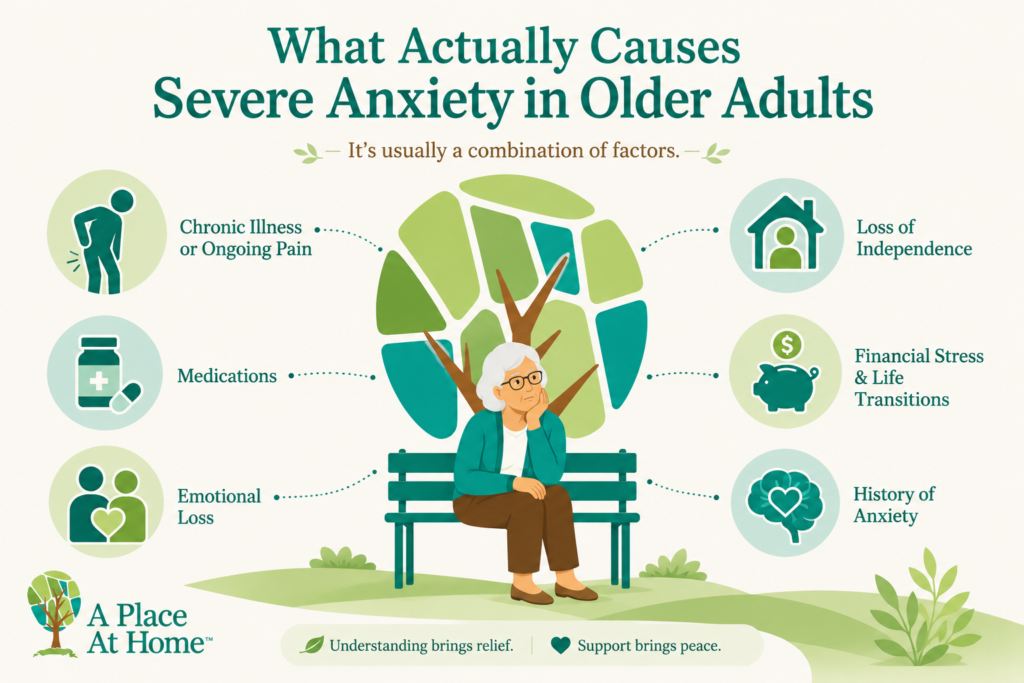
Health Decline and Chronic Illness
Chronic pain, mobility loss, or a new diagnosis such as cancer or heart disease can spark intense anxiety about independence, mortality, or becoming a burden. The fear of falling or needing long-term care is especially common among seniors.
Loss, Grief, and Living Alone
The death of a spouse, close friends, or siblings often triggers overwhelming anxiety, particularly for those who live alone. Fear of being alone or dying can become constant and consuming, intertwining with the natural grief process.
Medication Side Effects
Certain medications, including corticosteroids, some blood pressure drugs, and sleep aids, can cause or worsen anxiety symptoms. Always review prescriptions with a doctor whenever new anxious behaviors appear.
Major Environmental Changes
Moving to a new home, entering assisted living, or losing driving privileges can create a powerful sense of lost control. Even well-intentioned changes feel threatening when not handled with patience and sensitivity.
When to Seek Professional Help
Red Flags That Require Immediate Attention
- Daily distress that interferes with normal routines
- Frequent tearfulness or expressions of hopelessness
- Panic attacks involving sudden intense fear and physical symptoms
- Refusal to eat, sleep, or engage with loved ones
- Any mention of feeling “trapped” or “better off dead,” even without clear intent
These signs warrant prompt evaluation by a qualified healthcare provider.
Finding the Right Type of Support
Start with a primary care doctor to rule out medical causes. From there, consider a geriatric psychiatrist, psychologist, or licensed therapist experienced in working with older adults. Cognitive behavioral therapy (CBT) has proven especially effective for elderly anxiety.
The Role of Family and Caregivers
Never dismiss anxiety as “just getting old.” Listen without judgment, validate their feelings, and gently encourage professional help. Offer to accompany them to appointments and help track symptoms over time.
Treatment and Coping Strategies That Work
Therapy Approaches for Seniors
Cognitive behavioral therapy helps older adults identify and change anxious thought patterns. It’s structured, goal-oriented, and proven effective, even for those experiencing mild cognitive impairment alongside anxiety.
Medication Options and Considerations
Antidepressants like SSRIs are commonly prescribed and generally well-tolerated in older adults. Benzodiazepines are used more cautiously because of risks including falls, confusion, and dependence. Always discuss benefits and side effects thoroughly with a prescribing doctor.
Lifestyle and Daily Habits That Reduce Anxiety
- Regular physical activity such as walking or chair exercises reduces anxiety and improves sleep quality
- Mindfulness and breathing techniques calm the nervous system during stressful moments
- Structured daily routines provide a sense of control and predictability
- Social connection through brief calls or visits reduces isolation and worry
Prevention and Long-Term Support Strategies
Early Recognition Makes the Biggest Difference
The sooner anxiety is identified, the better the outcome. Pay close attention to subtle changes in behavior, mood, or physical health. Don’t wait for a full-blown crisis before taking action.
Building a Supportive Home Environment
Create a calm, predictable living space. Reduce noise, clutter, and unnecessary stressors. Encourage participation in enjoyable activities like gardening, puzzles, music, or faith-based community groups.
Ongoing Monitoring and Follow-Up
Anxiety symptoms can fluctuate over time. Regular check-ins with a doctor or therapist help catch relapses early. Keeping a simple symptom journal makes it easier to track patterns and progress.
Frequently Asked Questions About Symptoms of Anxiety in the Elderly
What Are the Most Common Symptoms of Anxiety in the Elderly?
The most common symptoms include persistent worry, irritability, sleep disturbances, unexplained aches, social withdrawal, and difficulty concentrating. Physical complaints often dominate, making anxiety harder to detect without careful observation.
Can Anxiety in Older Adults Be Mistaken for Dementia?
Yes, anxiety and dementia share several symptoms, including poor concentration, withdrawal, and memory complaints. However, anxiety-related cognitive issues typically improve when anxiety is treated, while dementia symptoms progressively worsen over time.
How Do You Calm an Anxious Elderly Person?
Speak calmly, validate their feelings, and avoid rushing them. Encourage slow breathing, offer reassurance, and remove them from overwhelming environments when possible. Professional treatment provides the most lasting relief for chronic anxiety.
Are Anxiety Medications Safe for Seniors?
Some medications, particularly SSRIs, are generally safe and well-tolerated in older adults. Benzodiazepines carry higher risks for seniors, including falls and confusion. A doctor can recommend the safest option based on individual health history.
When Should an Elderly Person See a Doctor for Anxiety?
A doctor should be consulted when anxiety symptoms last more than two weeks, interfere with daily life, or cause significant distress. Sudden panic attacks, social withdrawal, or mentions of hopelessness require immediate professional attention.
Can Lifestyle Changes Alone Treat Anxiety in the Elderly?
Lifestyle changes like regular exercise, better sleep habits, and social engagement can significantly reduce mild anxiety. However, moderate to severe anxiety usually requires a combination of therapy, lifestyle adjustments, and sometimes medication.
Key Takeaways for Recognizing Anxiety in Older Adults

Understanding the symptoms of anxiety in the elderly can transform how families and caregivers respond to subtle changes in their loved ones. Emotional signs like persistent worry and irritability often appear alongside physical complaints such as pain, sleep issues, and heart palpitations. Behavioral shifts including social withdrawal and repetitive checking provide additional clues that something deeper is happening.
The most important step you can take today is to start paying closer attention. Watch for patterns rather than isolated incidents, document what you observe, and gently open a conversation with your loved one. If symptoms persist or worsen, schedule a medical evaluation to rule out underlying conditions and explore treatment options. Early recognition and compassionate support can restore comfort, confidence, and quality of life for the older adults who matter most to you.





