
You notice your mother’s ankles look puffy again tonight, just like they did yesterday. For millions of older adults, leg swelling in elderly individuals is more than a passing discomfort. It often signals fluid buildup tied to aging veins, medications, or serious conditions like heart or kidney disease.
Recognizing the cause early can prevent complications such as skin ulcers, infections, and reduced mobility. This guide walks you through the most common triggers, red flags that demand urgent care, and practical steps you can take at home. You will also learn when professional evaluation becomes essential for safe and lasting relief.
Heart Conditions That Trigger Leg Swelling in Elderly Adults
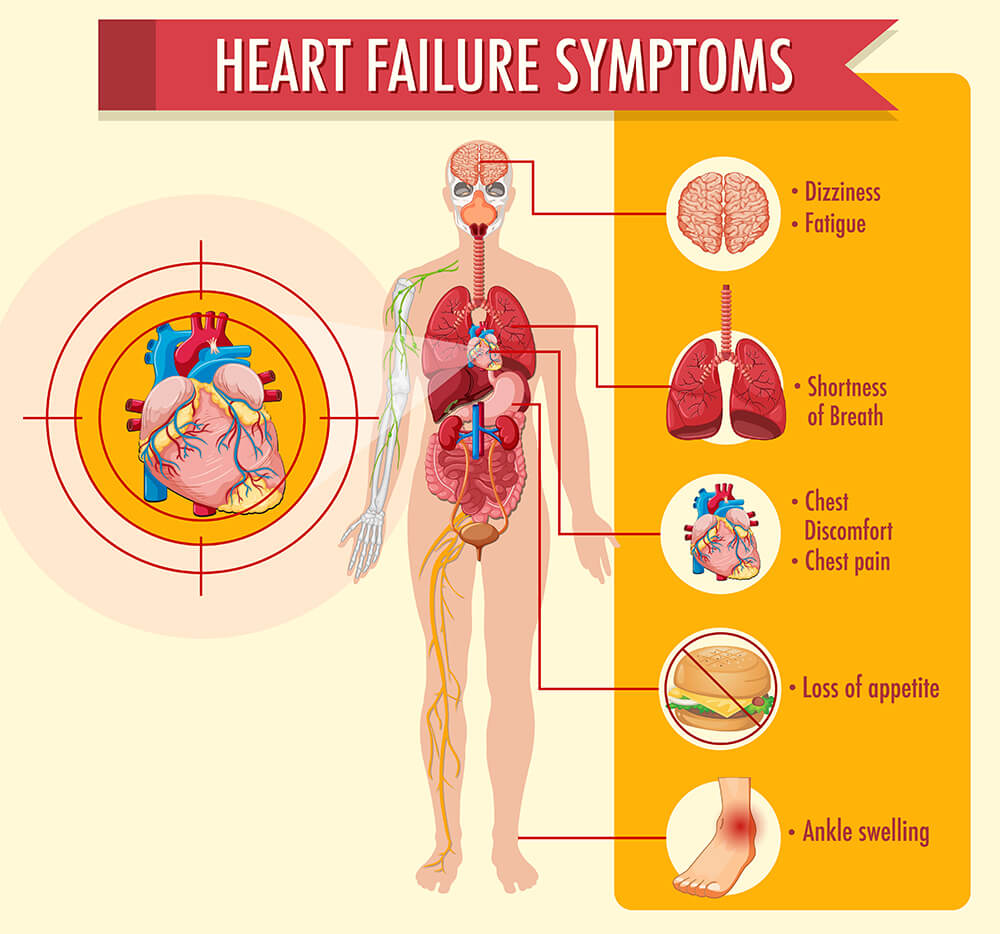
When the heart struggles to pump efficiently, blood pools in the lower veins and forces fluid into surrounding tissues. The result is often symmetrical swelling in both legs.
Signs of Heart-Related Fluid Retention
Look for these accompanying symptoms:
• Shortness of breath during mild activity
• Persistent fatigue or weakness
• Chest discomfort or pressure
• A known history of heart failure
Doctors typically evaluate ejection fraction, perform ECGs, and order chest X-rays or echocardiograms to confirm cardiac involvement. Treatment usually involves diuretics, ACE inhibitors, and dietary sodium restriction.
Kidney Disease and Its Impact on Leg Swelling

Failing kidneys cannot remove excess fluid and sodium efficiently. This leads to generalized swelling, especially in the legs and around the eyes.
How Kidney Problems Cause Edema
When kidneys leak protein into urine, blood protein levels drop. Lower protein reduces the fluid-holding capacity of blood, causing leakage into tissues.
Diagnostic steps include blood tests for creatinine, BUN, and eGFR, along with urinalysis. Management focuses on blood pressure control, diabetes management, and medication adjustments under medical supervision.
Liver Cirrhosis and Fluid Buildup

Advanced liver disease lowers albumin production. Since albumin keeps fluid inside blood vessels, low levels allow fluid to escape into tissues and the abdomen.
Recognizing Cirrhosis-Related Swelling
Watch for these additional clues:
• Yellowing of skin or eyes (jaundice)
• Easy bruising or bleeding
• Abdominal bloating or distension
Diagnosis relies on liver function tests, ultrasound, and sometimes biopsy. Treatment includes salt restriction, diuretics, and addressing the underlying cause such as hepatitis or alcohol use.
Medications That Worsen Leg Swelling in Elderly Patients
Many prescriptions taken by seniors can cause or amplify fluid retention. Always review current medications with a healthcare provider.
Common Drug Culprits to Discuss
Several medication classes frequently contribute to swelling:
• Calcium channel blockers like amlodipine (up to 30% of users develop ankle swelling)
• Long-term corticosteroids such as prednisone
• Estrogen or testosterone therapies
• NSAIDs like ibuprofen when used frequently
• Thiazolidinediones such as pioglitazone for diabetes
Switching drug classes may help, but never stop a prescribed medication without medical guidance.
Venous Insufficiency: A Leading Cause of Chronic Leg Swelling

Aging weakens the one-way valves inside leg veins. Blood then pools downward instead of returning to the heart efficiently.
Symptoms of Weakened Veins
Typical signs include:
• Heaviness or aching after standing
• Swelling that worsens through the day
• Relief when legs are elevated
• Visible varicose veins
• Darkened or thickened skin near the ankles
Duplex ultrasound confirms venous reflux. Early intervention helps prevent skin ulcers and other complications.
Lymphedema After Surgery or Illness
Damage to the lymphatic system causes protein-rich fluid to accumulate in tissues. This often follows cancer treatment or pelvic surgery.
Stages of Lymphatic Failure
Lymphedema progresses through recognizable stages:
• Stage 0: No visible swelling, but a feeling of fullness
• Stage 1: Swelling that reduces overnight
• Stage 2: Persistent swelling with tissue hardening
• Stage 3: Severe enlargement with skin changes
Complete decongestive therapy, including manual drainage, compression garments, and targeted exercise, remains the gold standard for treatment.
Blood Clots and Emergency Leg Swelling
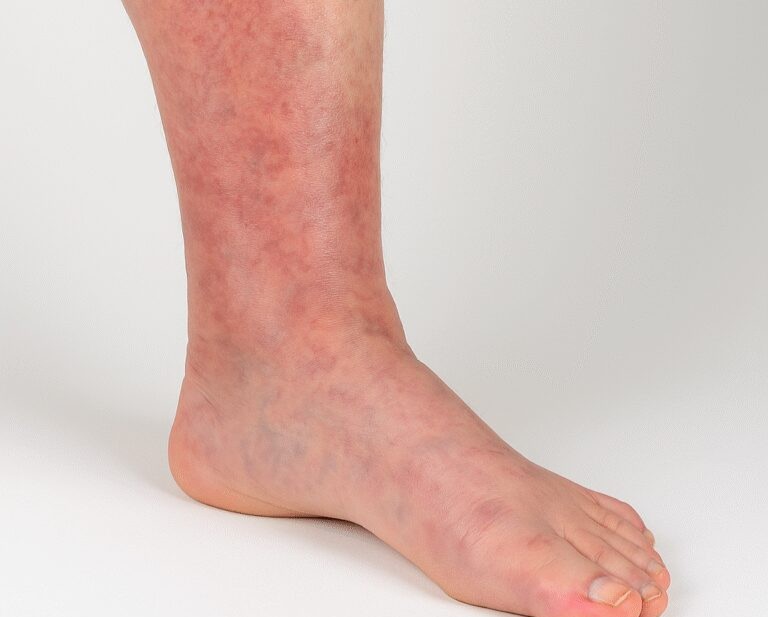
A sudden, painful, swollen leg may indicate deep vein thrombosis (DVT). This condition requires immediate medical attention.
DVT Warning Signs to Recognize
Call for urgent evaluation if you notice:
• Swelling in only one leg
• Redness, warmth, or tenderness
• Calf pain or cramping
• Pain that worsens with standing or