Kidney failure in older adults affects millions of families every year. As the kidneys lose their ability to filter waste and balance fluids, seniors may experience fatigue, confusion, shortness of breath, and dangerous swelling. Understanding how to treat kidney failure in elderly patients can help caregivers and families make confident, informed decisions during a difficult time.
Treatment is highly personalized because elderly patients often live with multiple chronic conditions. Heart disease, diabetes, dementia, and frailty all influence which therapies are safe and effective. This guide covers evidence-based options including dialysis, medication adjustments, dietary changes, and palliative care, giving you a clear roadmap for managing kidney failure in aging loved ones.
Assessing Kidney Function in Seniors
Measure eGFR and Serum Creatinine Accurately
Doctors evaluate kidney function in older adults through estimated glomerular filtration rate (eGFR) and serum creatinine. A reading below 60 mL/min/1.73m² for three months or longer signals chronic kidney disease (CKD). However, creatinine levels can appear misleadingly normal in seniors with reduced muscle mass, often hiding real kidney decline.
Monitor Urine Albumin-to-Creatinine Ratio
The urine albumin-to-creatinine ratio (UACR) reveals early kidney damage by detecting protein leakage. A result above 30 mg/g suggests kidney injury and raises cardiovascular risk. Regular monitoring is critical for elderly patients with diabetes or hypertension.
Consider Comorbidities in Diagnosis
Heart failure, liver disease, and diabetes frequently affect kidney performance in older adults. Evaluating these conditions helps distinguish between acute kidney injury and chronic disease. For instance, heart failure may reduce kidney blood flow, mimicking chronic damage temporarily.
Identify and Treat Underlying Causes
Control Hypertension Safely
High blood pressure is a leading driver of kidney damage in seniors. ACE inhibitors or ARBs are first-line treatments, especially when protein is present in urine. These drugs require close monitoring since older adults face higher risks of high potassium or low blood pressure when dehydrated.
Manage Diabetes to Protect the Kidneys
Diabetes is the top cause of end-stage kidney disease. Individualized blood sugar targets prevent dangerous low blood sugar episodes. SGLT2 inhibitors like empagliflozin offer kidney-protective benefits and are increasingly recommended for older adults with type 2 diabetes and CKD.
Reverse Acute Kidney Injury When Possible
Dehydration, infections, and harmful medications often trigger acute kidney injury in seniors. Stopping nephrotoxic drugs, treating infections quickly, and rehydrating patients can reverse damage. Hospitalized older adults should have kidney labs checked daily during illness.
Evaluate Dialysis as a Treatment Option
Understand the Real Impact of Hemodialysis
Hemodialysis filters waste using a machine, but outcomes vary for elderly patients. Many seniors on dialysis experience rapid physical decline and frequent hospitalizations. For frail patients with cognitive impairment, the treatment burden may outweigh benefits. Shared decision-making with families and care teams is essential.
Consider Peritoneal Dialysis at Home
Peritoneal dialysis uses the abdominal lining to filter blood and can be performed at home. It offers greater flexibility and fewer dietary restrictions than hemodialysis. However, seniors must have the dexterity to perform exchanges and maintain a sterile environment to avoid infection.
Time Dialysis Based on Clinical Signs, Not Just Lab Results
Starting dialysis too soon leads to unnecessary burden, while delayed treatment increases complications. Doctors recommend beginning dialysis based on symptoms like severe fatigue, persistent nausea, or fluid overload. Asymptomatic seniors with low eGFR may benefit from watchful waiting with close monitoring.
Optimize Medication Management
Adjust Drug Doses for Kidney Decline
Many medications build up dangerously when kidneys fail. Common drugs like metformin, certain antibiotics, and diuretics require dose reductions. Using tools like the Cockcroft-Gault equation helps providers calculate safe dosing for aging patients.
Avoid NSAIDs and High-Risk Pain Relievers
Ibuprofen and naproxen worsen kidney function and should be avoided in elderly patients with CKD. Acetaminophen is a safer option for mild pain. Opioids may be necessary for severe pain but increase drowsiness and fall risk in older adults.
Review Medications Regularly for Safety
Polypharmacy is common in seniors and increases harmful drug interactions. Schedule regular medication reviews to remove unnecessary drugs. Pharmacists can identify dangerous combinations and flag side effects that mimic kidney disease symptoms.
Implement Nutritional Support Strategies
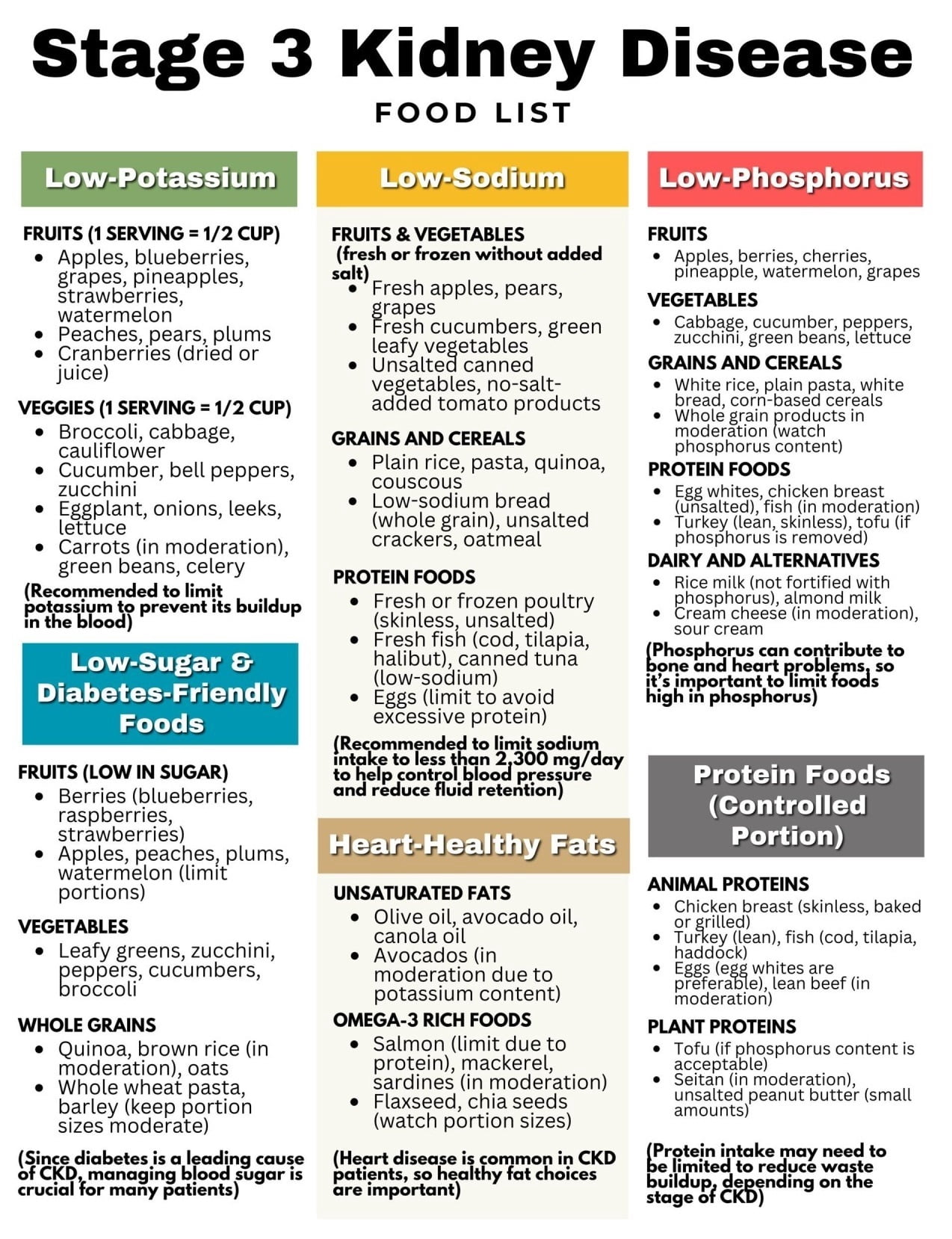
Balance Protein Intake Carefully
Excess protein strains weakened kidneys. Moderate protein restriction (0.6–0.8 g/kg/day) may slow CKD progression in seniors. However, overly strict diets cause malnutrition and muscle wasting. A registered dietitian can tailor nutrition plans to each senior’s needs.
Control Potassium and Phosphorus Levels
Damaged kidneys struggle to regulate potassium and phosphorus. High potassium triggers dangerous heart rhythms, so limit bananas, oranges, and potatoes. Excess phosphorus weakens bones and harms blood vessels. Processed foods and dairy products should also be limited, and phosphate binders may be prescribed.
Prevent Malnutrition and Unwanted Weight Loss
Kidney failure increases the risk of protein-energy wasting in elderly patients. Track weight, appetite, and albumin levels closely. Small, frequent meals with calorie-dense foods help maintain strength. Oral nutritional supplements may boost nutrition when appetite is poor.
Explore Conservative and Palliative Care Options
Choose Non-Dialytic Management When Appropriate
Conservative management focuses on symptom control and quality of life without dialysis. It treats anemia, manages fluid retention, and prevents further complications. Older adults with limited life expectancy or severe comorbidities often prefer this approach over aggressive treatment.
Integrate Palliative Care Early and Often
Palliative care improves comfort and supports decision-making for seniors facing advanced kidney disease. It addresses pain, nausea, itching, and emotional distress. Early involvement helps patients clarify goals and avoid unwanted medical interventions during crisis moments.
Support Advance Care Planning Conversations
Discussing end-of-life preferences reduces family stress and ensures patient wishes are honored. Help seniors complete advance directives and appoint healthcare proxies. Topics should include resuscitation choices, dialysis goals, and hospitalization preferences.
Monitor for Common Complications

Treat Anemia Before It Worsens
Kidneys produce erythropoietin, a hormone that triggers red blood cell production. In kidney failure, anemia causes fatigue, weakness, and shortness of breath. Iron supplements or erythropoiesis-stimulating agents (ESAs) help, but hemoglobin levels must be monitored to avoid clotting risks.
Manage Fluid Overload and Swelling
Reduced urine output causes fluid retention, shortness of breath, and high blood pressure. Diuretics like furosemide remove excess fluid. Home weight monitoring catches early fluid gain. Limiting salt intake to less than 2 grams daily reduces retention significantly.
Prevent Bone Disease and Heart Complications
CKD-mineral and bone disorder disrupts calcium and phosphorus balance, weakening bones and damaging blood vessels. Treatment includes vitamin D analogs and phosphate binders. Cardiovascular disease is the leading killer in kidney patients, so controlling blood pressure, cholesterol, and diabetes aggressively is vital.
Support Caregivers and Families

Educate Caregivers on Daily Management
Family caregivers need clear guidance on fluid limits, food choices, medication schedules, and warning signs. Teach them to recognize danger signs like confusion, decreased urination, and severe swelling that require immediate medical attention.
Connect Families with Community Resources
Caregiver burnout is a real and serious risk. Local support groups, respite care services, and social workers ease the burden. Organizations like the National Kidney Foundation provide educational materials and counseling for families navigating kidney failure care.
Guide Family Decision-Making with Compassion
Treatment choices, especially around dialysis, often create family tension. Encourage open conversations guided by the senior’s values. Decision tools and healthcare provider input help families reach shared understanding. This alignment reduces guilt and improves care coordination for everyone involved.
Frequently Asked Questions About Kidney Failure in the Elderly
Can elderly patients recover from acute kidney failure?
Yes, recovery is possible if the underlying cause is treated quickly. Stopping harmful medications, rehydrating patients, and treating infections often reverse AKI. Early detection through regular lab monitoring improves recovery odds significantly.
When should an elderly patient start dialysis?
Dialysis should begin based on symptoms rather than lab values alone. Severe fatigue, persistent nausea, fluid overload, and confusion signal the need for treatment. Asymptomatic seniors may benefit from delayed dialysis with close monitoring.
What foods should seniors with kidney problems avoid?
Limit high-potassium foods like bananas, oranges, potatoes, and tomatoes. Reduce phosphorus-rich processed foods, dairy, and nuts. A renal dietitian can create a personalized meal plan that protects kidney function while preventing muscle loss.
Is dialysis worth it for elderly patients?
The answer depends on overall health, personal values, and quality of life goals. Some seniors thrive on dialysis, while others experience declining function. Shared decision-making with medical teams and families helps determine the best path forward.
How long can elderly patients live with kidney failure?
Life expectancy varies widely based on age, comorbidities, and treatment choices. Patients choosing dialysis may live several years, while those with severe frailty and conservative management may have shorter timelines. Individual prognosis should be discussed with a nephrologist.
What are signs that kidney failure is getting worse?
Warning signs include worsening fatigue, shortness of breath, severe swelling in legs or ankles, persistent nausea, confusion, and decreased urine output. Sudden changes require immediate medical evaluation to prevent life-threatening complications.
Key Takeaways for Treating Kidney Failure in Elderly Patients
Treating kidney failure in older adults requires a balanced, individualized approach that weighs medical options against quality of life. Dialysis can extend life, but it is not always the right choice for frail seniors managing multiple chronic conditions. Conservative management, careful medication dosing, nutritional support, and early palliative care all play essential roles in comprehensive treatment.
The ultimate goal extends beyond survival to preserving dignity, comfort, and meaning in each patient’s remaining years. Families and caregivers should maintain open communication with healthcare teams, revisit care goals regularly, and prioritize what matters most to the individual senior. With the right support system and personalized treatment strategy, elderly individuals with kidney failure can experience better outcomes and improved quality of life.