

Moving a loved one from a wheelchair to a bed is a daily task that carries real risk. Done with poor technique, it can injure both the caregiver and the elderly person within seconds. Learning how to transfer elderly from wheelchair to bed the right way protects everyone’s health, dignity, and peace of mind.
The safest approach depends entirely on the individual’s physical ability, not on the caregiver’s strength. This guide walks you through every step, from choosing the correct method to executing a smooth, controlled transfer. You’ll learn how to set up the environment, use proper body mechanics, and know when mechanical equipment is necessary.
Choose the Right Transfer Method First
Before touching a single brake, you must match the method to the person. This single decision prevents most transfer injuries.
Assess Mobility and Strength
Ask these questions before each transfer:
– Can the person stand on at least one leg?
– Can they push up with their arms or shift their weight?
– Are they alert and able to follow simple directions?
If the answer is yes to standing and bearing weight, a pivot transfer works. If they have strong arms but weak legs, a transfer board fits. If they cannot assist at all or are very heavy, a mechanical lift is required, not optional.
Match Method to Ability
Use this quick guide to decide:
– Pivot transfer for those who can stand and take small steps
– Transfer board for those with strong upper body but limited leg function
– Hoyer lift for those who cannot bear any weight
– Sit-to-stand lift for those who can stand with handle support
Never attempt a manual lift if the person cannot assist. Caregiver back injuries are extremely common in these situations.
Prepare the Environment for a Safe Transfer
A safe transfer begins before anyone stands up. Clear, stable surroundings stop slips, trips, and falls before they start.
Clear the Path Between Chair and Bed
Remove every obstacle in the transfer zone:
– Side tables
– Loose rugs
– Medical tubing
– Power cords
Place a non-slip mat where the person will step. Hardwood and tile floors become dangerous without traction. Non-skid socks or shoes add extra grip.
Position the Bed at the Right Height
Adjust the bed so the mattress is level with the wheelchair seat. A firm mattress prevents sinking during the transfer. If using an adjustable bed, lock it in a flat position before starting.
Set Up the Wheelchair Correctly
Follow these steps every single time:
1. Lock both brakes firmly and test them
2. Remove the footrests and swing them aside
3. Take off the armrest closest to the bed
A rolling wheelchair during a transfer is one of the most common causes of falls.
Use Proper Body Mechanics to Protect Your Back
Caregiver injuries happen when technique fails. Protect your spine by using your legs, not your back, to do the work.
Adopt a Stable Stance
Position yourself with feet shoulder-width apart, one foot slightly ahead for balance. Keep your knees bent and your back straight. This stance loads your leg muscles, which are far stronger than your back muscles.
Keep the Person Close to Your Body
The farther the person is from your center of gravity, the more strain on your spine. Stay close throughout the entire movement. Pivot with your feet, never twist your torso.
Use a Gait Belt for Better Grip
A transfer belt around the waist gives you a secure hold without grabbing clothing or limbs. Always lift through the belt. Never pull on the arms or under the armpits, as this can dislocate shoulders or damage nerves.
Perform a Pivot Transfer Step by Step
The pivot transfer is the most common manual method. Use it when the person can bear weight on at least one leg.
Position the Wheelchair at 45 Degrees
Angle the wheelchair diagonally toward the bed. Never place it parallel or directly facing the bed. The diagonal angle creates a smooth pivot path.
Help the Person Scoot Forward
Guide them to the front edge of the wheelchair seat. Their thighs should sit parallel to the bed surface. Support their trunk if needed.
Set Up Hand and Foot Placement
- Hand closest to the bed rests on the mattress
- Foot on the stronger leg sits slightly forward
- Opposite arm holds your waist or shoulder
Never let them wrap their arms around your neck. This throws off your balance and can injure both of you.
Execute the Pivot in One Smooth Motion
- Bend your knees and grip the gait belt or place hands under their hips
- Lean them slightly toward you
- Rock gently to build momentum
- Use your legs to lift and pivot in one fluid turn
- Lower them gently onto the bed once facing the mattress
Once seated, push the wheelchair away to prevent leg entrapment. Support their shoulder and the back of their knees as you help them lie down.
Use a Transfer Board for Strong Upper Body

A transfer board works well for people with arm strength but limited leg function. The board bridges the gap between surfaces.
Set Up the Board Correctly
Position the wheelchair parallel to the bed, close enough that the board spans the gap securely. Place one end under the person’s buttocks and the other end firmly on the bed.
Guide the Slide
Have the person place one hand on the bed and push off the wheelchair seat with their stronger side. They slide across the board using upper body strength. Keep your hands ready to stabilize, but never pull or lift during the slide.
Practice this method with a physical therapist first. The positioning requires precision to avoid skin shearing or board slippage.
Use a Hoyer Lift for Non-Weight-Bearing Transfers
A mechanical lift is the only safe option when the person cannot stand or assist at all. It protects both parties and prevents catastrophic injuries.
Choose the Right Sling
| Sling Type | Best Use Case |
|---|---|
| Full solid sling | No weight-bearing ability |
| Mesh sling with commode hole | Toilet or shower transfers |
| Split leg sling | Post-shower or limited mobility |
Ensure the sling is wrinkle-free to prevent pressure sores and skin tears.
Operate the Lift Safely
- Position the lift base under the wheelchair with wheels locked
- Attach the sling securely to the spreader bar
- Raise the person slowly until they clear the seat
- Swing the lift arm over the bed
- Lower them gently onto the mattress
Keep all clothing and sling material smooth and flat against the skin throughout the lift.
Try Sit-to-Stand Lifts With Caution
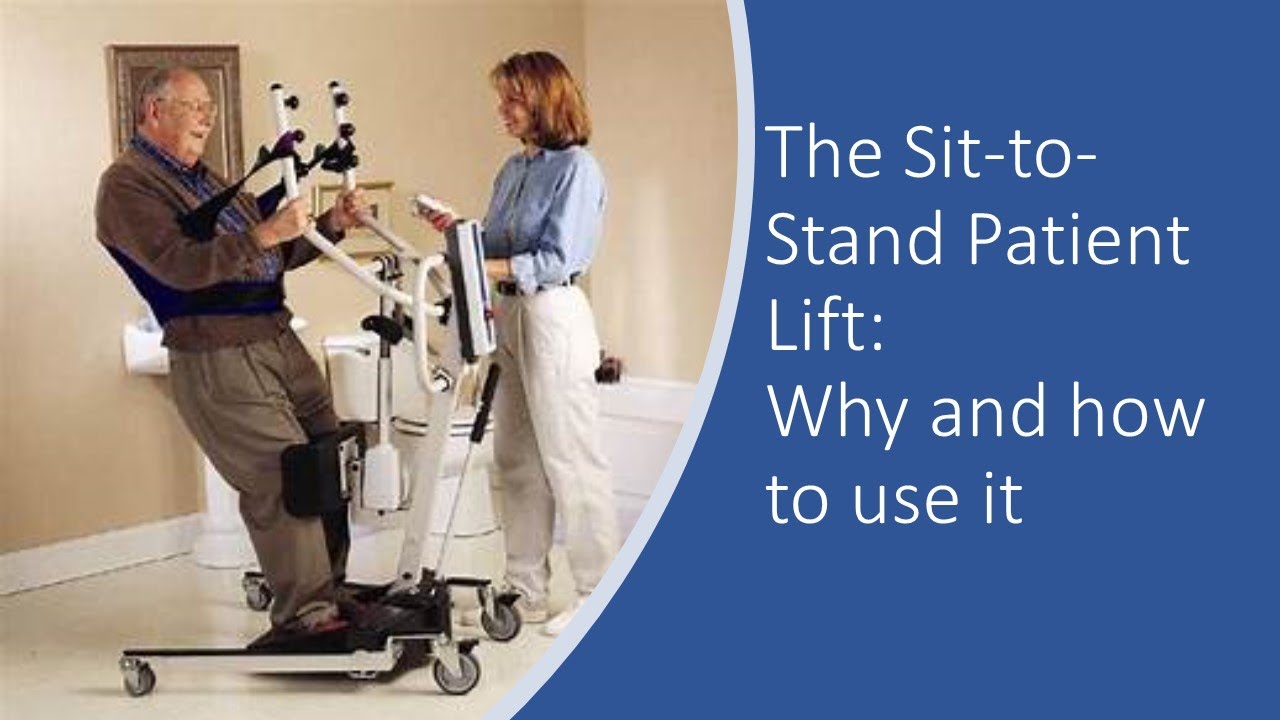
A sit-to-stand lift helps people who can stand with support. Use it only when the person has good trunk control and can grip the handles firmly.
When This Method Works
Place the lift behind the wheelchair and secure the supportive belt around their waist. Activate the lift to raise them into standing, then pivot and lower them onto the bed.
When to Avoid This Method
Do not use a sit-to-stand lift if the person cannot grip the handles or support their own weight. Doing so can cause skin tears, abrasions, or a dangerous fall.
Support Independent Transfers for Stroke Survivors
Some individuals can transfer themselves with the right tools and training. Independence builds confidence and preserves strength.
Install Support Equipment
A bed rail or wall-mounted grab bar gives something solid to hold during pivoting. An overhead ceiling track system allows full self-operation of a lift for those with greater independence.
Build Strength With Targeted Exercises
Work with a physical therapist on exercises that improve transfer ability:
– Seated rows to build back and arm strength
– Wall push-ups to strengthen shoulders and chest
– Seated marches to improve core and leg control
Consistent practice increases safety and reduces the need for hands-on help.
Prevent Falls and Respond Quickly
Even with perfect technique, falls can happen. Knowing how to respond prevents further harm.
If a Fall Begins
Lower the person to the nearest flat surface, whether bed, chair, or floor. Never try to catch their full body weight. Guiding them down protects joints and the head from impact.
After a Fall Occurs
Check for pain, swelling, or confusion. Do not move them if injury is suspected. Contact their healthcare provider immediately and document what happened.
Follow Post-Transfer Steps Every Time
The transfer is not complete once the person is on the bed. Finish strong with these steps.
Adjust the Wheelchair
- Unlock the brakes
- Move the chair away from the bed
- Reattach footrests and armrests for next use
Position for Comfort
Support their shoulder and the back of the knees as they lie down. Use pillows to align the spine and hips. Smooth out wrinkles in clothing and bedding. Place the call bell or emergency button within reach.
Know When to Seek Professional Help
Some signs mean a therapist or doctor should reassess the transfer plan.
Warning Signs to Watch For
- Dizziness or lightheadedness during transfers
- Joint or muscle pain after moving
- Recent fall or worsening weakness
- Inability to complete the transfer without caregiver strain
A physical therapist can evaluate mobility and create a personalized plan. They can also recommend equipment like Hoyer lifts, which are often available through medical supply companies, hospice services, or insurance with a prescription.
Final Safety Checklist Before Every Transfer
Run through this list every time to prevent mistakes:
– Wheelchair brakes locked
– Footrests and nearest armrest removed
– Bed height matches wheelchair seat
– Path clear with non-slip mat in place
– Gait belt or sling ready and properly fitted
– Person alert, seated, and ready
– Caregiver in stable stance with knees bent
Skipping even one step increases the risk of injury for both of you.
Frequently Asked Questions About Transferring Elderly from Wheelchair to Bed
What is the safest way to transfer an elderly person from a wheelchair to a bed?
The safest method depends on the person’s ability. A Hoyer lift is the safest option for those who cannot bear weight. A pivot transfer works for those who can stand briefly. Always lock the wheelchair, remove obstacles, and use a gait belt when possible.
How do I transfer a heavy elderly person from wheelchair to bed without hurting my back?
Use a mechanical lift such as a Hoyer lift. Manual transfers of heavy individuals pose a high risk of slipped discs and other caregiver injuries. Mechanical lifts eliminate the need to bear weight and protect your back completely.
Can one person transfer an elderly person from a wheelchair to bed alone?
Yes, one person can handle many transfers if the individual can assist. For non-weight-bearing individuals, a Hoyer lift allows a single caregiver to manage the transfer safely. If the person is heavy, uncooperative, or cannot assist, a second caregiver is strongly recommended.
When should a transfer board be used instead of a pivot transfer?
Use a transfer board when the person has strong arms but limited leg function. The board allows them to slide across using upper body strength. A pivot transfer requires at least some leg strength and the ability to stand briefly.
How do I know if a Hoyer lift is needed?
A Hoyer lift is needed when the person cannot bear any weight, cannot assist with the transfer, or is too heavy for safe manual handling. If the person is limp, has no trunk control, or cannot follow instructions, a mechanical lift is required.
What should I do if the person starts falling during a transfer?
Lower them gently to the nearest flat surface, whether bed, chair, or floor. Do not try to catch their full weight. Once they are down, check for injury and contact their healthcare provider before moving them again.
Key Takeaways for Safe Wheelchair to Bed Transfers
Transferring an elderly person from a wheelchair to a bed is a skill that combines the right method, proper setup, and sound body mechanics. Always match the transfer technique to the person’s actual ability, never to convenience. Mechanical lifts are not a sign of failure; they are the gold standard for protecting both caregiver and patient.
If you remember nothing else, remember this: lock the brakes, remove the footrests, keep the person close, and use your legs. When in doubt, use a lift. Take a few extra minutes to set up properly, and every transfer becomes safer, smoother, and more dignified for everyone involved.