

Skin breakdown in older adults is one of the most common yet preventable health concerns facing caregivers today. Whether it shows up as pressure injuries, bedsores, or skin tears, this damage often begins quietly and worsens quickly. Aging skin grows thinner, drier, and more fragile, and when combined with limited movement, poor nutrition, or incontinence, the danger multiplies fast. Research shows that up to 95% of pressure injuries are preventable with the right approach.
If you care for an elderly loved one or work in a healthcare setting, this guide gives you a clear roadmap. You’ll learn how to spot early warning signs, set up repositioning routines, choose the right support equipment, and build a daily care plan that truly protects aging skin. Let’s walk through the strategies that make a real difference.
Spot High-Risk Areas Before Damage Starts

Check the Most Common Pressure Points Daily
Prevention starts with knowing where skin damage usually appears. Bony areas take the brunt of pressure when a person sits or lies for long periods. Make these spots your daily priority:
- Heels and ankles
- Sacrum and tailbone
- Hips and seat bones
- Elbows, knees, and shoulder blades
- Back of the head and ears
These zones lose blood flow within hours under constant pressure, so quick action matters.
Watch Skin Folds and Moisture-Prone Zones
Where skin touches skin, moisture gets trapped and damage follows. Pay close attention to:
- Under the breasts
- Armpits and groin
- Between the toes
- Abdominal folds and inner thigh creases
Sweat, urine, or stool softens the skin here, creating the perfect setup for rashes, fungal infections, and breakdown.
Build a Twice-Daily Skin Check Habit
Inspect skin morning and night using both sight and touch. Look for:
- Redness that doesn’t fade when pressed
- Swelling, warmth, or unusual coolness
- Skin that feels firmer or softer than the tissue around it
- Blisters, bruises, cracks, or open areas
Run clean hands gently over each area. As one older patient shared, “You just sort of feel that it is not right. It feels tender.” Any redness that lingers more than 30 minutes after pressure is removed is a warning sign that needs attention.
Complete Risk Assessments Within 8 Hours
Screen Right After Admission
Best practice guidelines call for formal skin risk screening within 8 hours of hospital or care facility admission. Early screening catches problems before they grow, and waiting even a few hours can mean missed damage that becomes harder to treat later.
Use Proven Assessment Tools
Standardized tools remove guesswork. The most widely used options include:
- Braden Scale: Measures sensory perception, moisture, activity, mobility, nutrition, and friction
- Norton Scale: Evaluates physical condition, mental status, activity, mobility, and incontinence
- Waterlow Scale: Focuses on body build, skin type, continence, mobility, and medications
For skin tear risk specifically, use the Skin Tear Risk Toolkit to identify who’s most vulnerable.
Add Nutrition and Cognitive Screening
Once risk is flagged, run a nutritional screen. Malnutrition and dehydration starve the skin of what it needs to stay strong. Also assess cognitive function, since patients with dementia may not reposition themselves or report pain that signals a problem.
Reposition Every 2 Hours in Bed and Chair
Turn Bedbound Seniors on a Schedule
For anyone confined to bed, repositioning every 2 hours is non-negotiable. Use a side-to-side turning pattern: back, left side, back, right side. This keeps pressure from building on the sacrum, hips, and heels.
- Use a 30-degree tilt instead of 90 degrees to reduce shear force
- Lift rather than drag during any position change
- Keep sheets smooth and free of crumbs or debris
At night, frequency may shift to every 4 to 6 hours based on skin tolerance and the support surface in use, but always check with a clinician first.
Shift Weight in Wheelchairs Every 15 Minutes
Sitting compresses blood flow in the buttocks fast. Encourage wheelchair users to:
- Lean forward or lift off the seat for 30 to 90 seconds every 15 to 30 minutes
- Perform pressure reliefs even in cars or recliners
- Sit upright rather than slouching, which strains the lower back
If the person can’t shift on their own, the caregiver must step in and do it routinely.
Avoid Risky Positions
Some positions quietly raise breakdown risk. Steer clear of these:
- Sleeping in recliners, which encourages sliding and sacral pressure
- Elevating the head of the bed more than 30 degrees
- Slumping in wheelchairs, which damages skin over bony areas
Choose the Right Support Surfaces

Pick Pressure-Relieving Mattresses
Standard spring mattresses don’t distribute weight well. For better protection, consider:
- Foam overlays for basic needs
- Alternating pressure air mattresses for high-risk individuals
- Low-air-loss beds that also manage moisture
A quality mattress is one of the smartest investments in prevention.
Select a Proper Seat Cushion
Use a custom-fitted foam or gel cushion designed for wheelchair use. Avoid donut-shaped cushions at all costs, as they concentrate pressure around vulnerable spots and can make injuries worse.
- Natural sheepskin adds comfort but doesn’t replace medical-grade support
- Skip water-filled gloves and improvised pads, since they don’t relieve pressure effectively
Ask an occupational or physical therapist for recommendations tailored to the individual.
Protect Heels and Elbows
Pressure on these bony areas can cause damage fast. Try these simple strategies:
- Place heel wedges under the calves to lift heels completely off the bed
- Use soft foam or pillows between knees and ankles during side-lying
- Pad elbows if the person leans on them often
The rule to remember: no two skin surfaces should press against each other directly.
Build a Gentle Daily Skin Care Routine
Clean with pH-Balanced Products
Bathe daily or as needed using:
- Mild, pH-balanced cleansers (skip antibacterial and alcohol-based soaps)
- Warm water instead of hot
- Soft cloths, and never scrub
Rinse well and pat skin dry. Rubbing fragile skin can cause tears on its own.
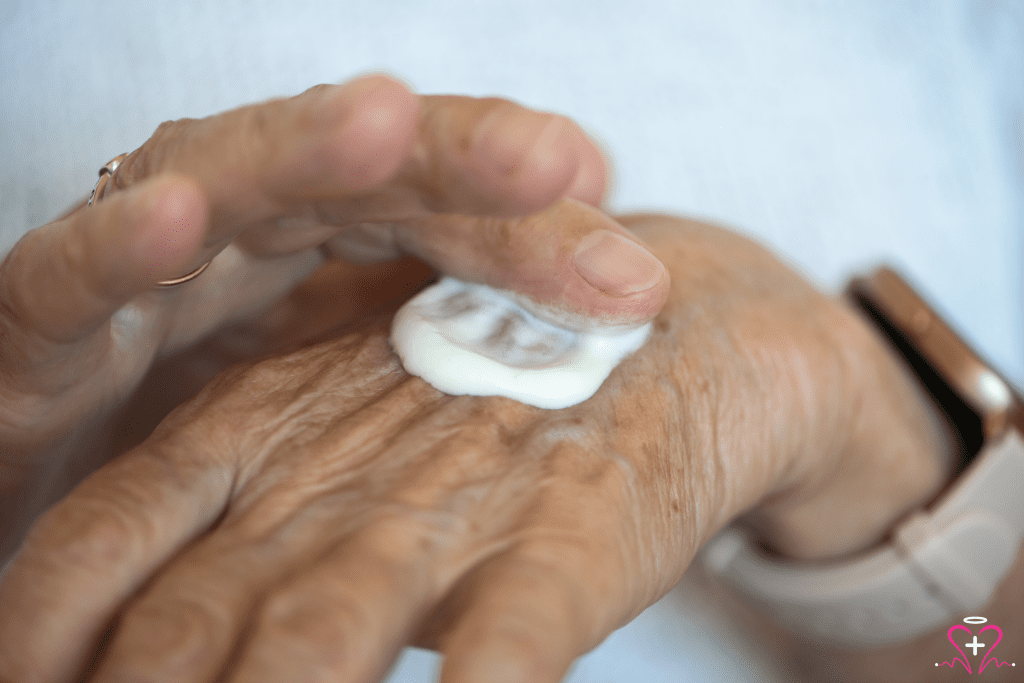
Moisturize Twice a Day
Dry skin cracks easily, so apply a pH-neutral moisturizer morning and night. Smooth it in gently along the direction of hair growth, and focus on the limbs and tear-prone areas. Studies show this simple habit can cut skin tears by nearly 50%.
Handle Incontinence Right Away
Urine and stool break down skin quickly. After any soiling:
- Cleanse and dry the area right away
- Apply a barrier cream with zinc oxide or dimethicone
- Use absorbent pads that pull moisture away from the skin
Work with a continence specialist to build a personalized plan, especially for overnight care that keeps skin dry without disrupting sleep.
Control Sweat and Perspiration
Excess moisture causes its own damage. To manage it well:
- Change clothes and linens as soon as they get damp
- Use cotton sheets for better airflow
- Skip plastic-backed pads and rubber mattress covers, which trap heat
Patients who perspire heavily may need more frequent cleansing, especially in skin folds.
Prioritize Nutrition and Hydration
Eat Enough Protein and Calories
Skin needs fuel to stay strong. Aim for:
- 1.2 to 1.5 grams of protein per kilogram of body weight daily
- Balanced meals with fruits, vegetables, and whole grains
- Enough calories to maintain a healthy weight
Both underweight and overweight individuals face higher breakdown risk.
Check Key Blood Markers
If malnutrition is a concern, ask the doctor to order blood work for:
- Albumin and prealbumin (protein stores)
- Hemoglobin (oxygen delivery)
- Lymphocyte count (immune strength)
A dietitian can build a personalized plan, especially for those managing diabetes or heart disease.
Drink Plenty of Fluids
Dehydration makes skin brittle and slow to heal. Encourage:
- 6 to 8 glasses of water daily, unless a doctor has restricted fluids
- Avoiding caffeine, which dehydrates and can trigger bladder spasms
Work with a provider to balance hydration with any bladder management needs.
Choose Clothing and Footwear That Protects
Wear Loose, Soft Fabrics
Tight seams, zippers, and pockets can rub and tear skin. Pick:
- Loose-fitting garments in breathable fabrics
- Items without thick seams, rivets, or bulky folds
- No wallets or combs stored in back pockets
Check clothing daily for wrinkles or debris that could press into skin.
Add Protective Layers
For those prone to skin tears, layering up adds a buffer:
- Long sleeves and pants to shield arms and legs
- Knee-high socks and soft shoes
- Shin and elbow guards for active individuals
Fit Footwear Properly
Feet swell during the day, so shoes should be:
- 1 to 2 sizes longer and wider than usual
- Sturdy in the toe box to absorb bumps
- Well-fitted to prevent friction or pressure spots
Inspect feet every day for redness, blisters, or calluses.
Support Safe Movement and Transfers
Encourage Regular Movement
Even small movement boosts circulation. Support walking, standing, or seated exercises to keep blood flowing and muscles working. A physiotherapist can help if balance or mobility is limited.
Master Safe Transfer Techniques
Dragging during transfers causes friction injuries. Train everyone involved to:
- Lift rather than slide when moving to or from chairs or beds
- Use transfer boards, slide sheets, or mechanical lifts correctly
- Get proper training, since poor technique harms the skin
Reduce Fall and Bump Risks
Mobility aids can lead to collisions. Make the environment safer by:
- Padding sharp edges on wheelchairs and walkers
- Completing a falls risk assessment
- Keeping spaces clutter-free and well-lit
Refer to a therapist if balance issues keep coming up.
Review Medications and Lifestyle Habits
Watch for Medication Side Effects
Some drugs quietly increase skin vulnerability. Common culprits include:
- Diuretics (dry skin)
- Steroids (thin skin)
- Antipsychotics and antihistamines (reduced sweating and sensation)
- NSAIDs and anticoagulants (slower healing)
Ask a pharmacist or doctor to review all medications every year.
Quit Smoking and Limit Sun Exposure
- Smoking reduces blood flow to the skin, and quitting improves circulation fast
- Use sunscreen and wear hats to prevent sunburn, especially when taking photosensitizing medications
Older adults also face higher risk of frostbite and burns due to reduced sensation, so avoid extreme temperatures whenever possible.
Empower Caregivers with Training and Tools
Teach Daily Skin Checks
Caregivers should inspect skin every day, ideally during bathing or dressing. Focus on hard-to-see areas like the sacrum, heels, and under skin folds. Let the person know why you’re checking, and keep them covered except for the area being examined. Document findings and report changes right away.
Provide Hands-On Pressure Relief
If the person can’t shift on their own, caregivers must step in to:
- Reposition every 2 hours in bed
- Help with wheelchair pressure reliefs every 15 to 30 minutes
- Use proper lifting techniques to prevent dragging
Consistency turns these tasks into a routine that protects skin automatically.
Maintain Equipment Every Day
Check wheelchairs, cushions, mattresses, and transfer boards for tears, leaks, and wear. Make sure air cushions are properly inflated and everything is clean. Follow the manufacturer’s guidelines for upkeep and replacement.
Build and Monitor a Personalized Prevention Plan
Create a Written Strategy
Use assessment results to build a plan that covers:
- Repositioning schedule
- Skin care routine
- Nutrition and hydration goals
- Equipment needs
- Mobility and transfer protocols
Document everything in clinical notes and share it during every handover.
Review and Adjust Often
Track skin condition weekly and update risk scores whenever health changes. If early redness appears, increase repositioning and padding right away. Prevention plans should grow and shift with the person’s needs.
Involve the Full Care Team
The best results come from collaboration. Loop in:
- Nurses and wound care specialists
- Dietitians and physiotherapists
- Occupational therapists and continence advisors
Team-based care makes sure no risk factor slips through the cracks.
Frequently Asked Questions About Preventing Skin Breakdown in Elderly
How often should elderly skin be checked for early signs of damage?
Skin should be checked at least twice a day, once in the morning and once at bedtime. Inspect bony areas like the heels, sacrum, hips, and elbows, as well as skin folds where moisture collects. Any redness that lasts more than 30 minutes after pressure is removed is a warning sign.
What is the best way to reposition a bedridden elderly person?
Reposition every 2 hours using a turning schedule that shifts the person from back to left side, back, then right side. Use a 30-degree tilt rather than a 90-degree turn to reduce shear force, and always lift rather than drag when changing position. Keep sheets smooth and free of debris.
Which mattresses and cushions help prevent pressure injuries?
Pressure-relieving mattresses made of foam, gel, or air significantly reduce pressure. For high-risk individuals, alternating pressure air mattresses and low-air-loss beds work best. In wheelchairs, use a custom-fitted foam or gel cushion and avoid donut-shaped cushions, which concentrate pressure on vulnerable areas.
How much protein and water does an elderly person need to protect their skin?
Aim for 1.2 to 1.5 grams of protein per kilogram of body weight daily, along with balanced meals rich in fruits, vegetables, and whole grains. For hydration, encourage 6 to 8 glasses of water each day unless a doctor has restricted fluids. Avoid caffeine, which dehydrates and may trigger bladder spasms.
What are the early warning signs of a pressure injury?
Early signs include redness that doesn’t fade when pressed, swelling, warmth or unusual coolness in one spot, skin that feels firmer or softer than surrounding tissue, and tenderness or discomfort. Blisters, bruises, cracks, or open sores mean the injury has progressed and needs medical attention right away.
Can skin tears in the elderly really be prevented?
Yes. Applying a pH-neutral moisturizer twice a day can reduce skin tears by nearly 50%. Wearing long sleeves, long pants, and protective footwear adds another layer of defense. Good nutrition, hydration, and careful handling during transfers also help keep fragile skin intact.
Key Takeaways for Preventing Skin Breakdown in Elderly
Preventing skin breakdown comes down to a few consistent habits performed well. Relieve pressure through repositioning every 2 hours in bed and every 15 to 30 minutes in a chair. Inspect high-risk areas twice daily and act fast on any redness that lingers. Support the skin with pH-balanced cleansers, twice-daily moisturizing, and immediate incontinence care.
Nutrition and hydration build the foundation, while proper clothing, footwear, and transfer techniques protect against daily wear and tear. Start with a risk assessment within 8 hours, build a personalized plan, and bring in the full care team. With steady attention and the right tools, you can keep aging skin healthy, intact, and free from preventable damage.





