Nothing captures a senior year quite like a pair of hand-painted jeans. These custom denim pieces have become a beloved graduation tradition, worn at senior portraits, spirit events, and milestone celebrations. Whether you are a parent crafting a meaningful gift or a senior ready to design your own wearable memory, learning how to paint senior jeans is easier than you think.
This guide covers every step of the process, from prepping your denim and choosing the right paints to sealing your design for years of wear. You will also discover common mistakes to avoid, care tips, and where to find inspiration for your next project.
Prep Your Denim the Right Way
Wash Before You Paint
Always wash your jeans before starting any artwork. New denim comes coated in sizing and factory chemicals that block paint adhesion. Use cold water and mild detergent, then let the jeans air dry completely. Skipping this step often leads to peeling or cracking later.
Create a Stable Work Surface
Lay your jeans flat on a clean table or workspace. Slide a piece of cardboard or a pillowcase inside each leg. This prevents paint from bleeding through to the back and keeps your lines crisp.
Gather Your Painting Supplies
Must-Have Materials
You do not need an expensive kit, but the right supplies make all the difference. Here is what experienced painters recommend:
- Fabric paint in multiple colors, including white for base coating
- Chalk mineral paint, which works beautifully on denim when thinned
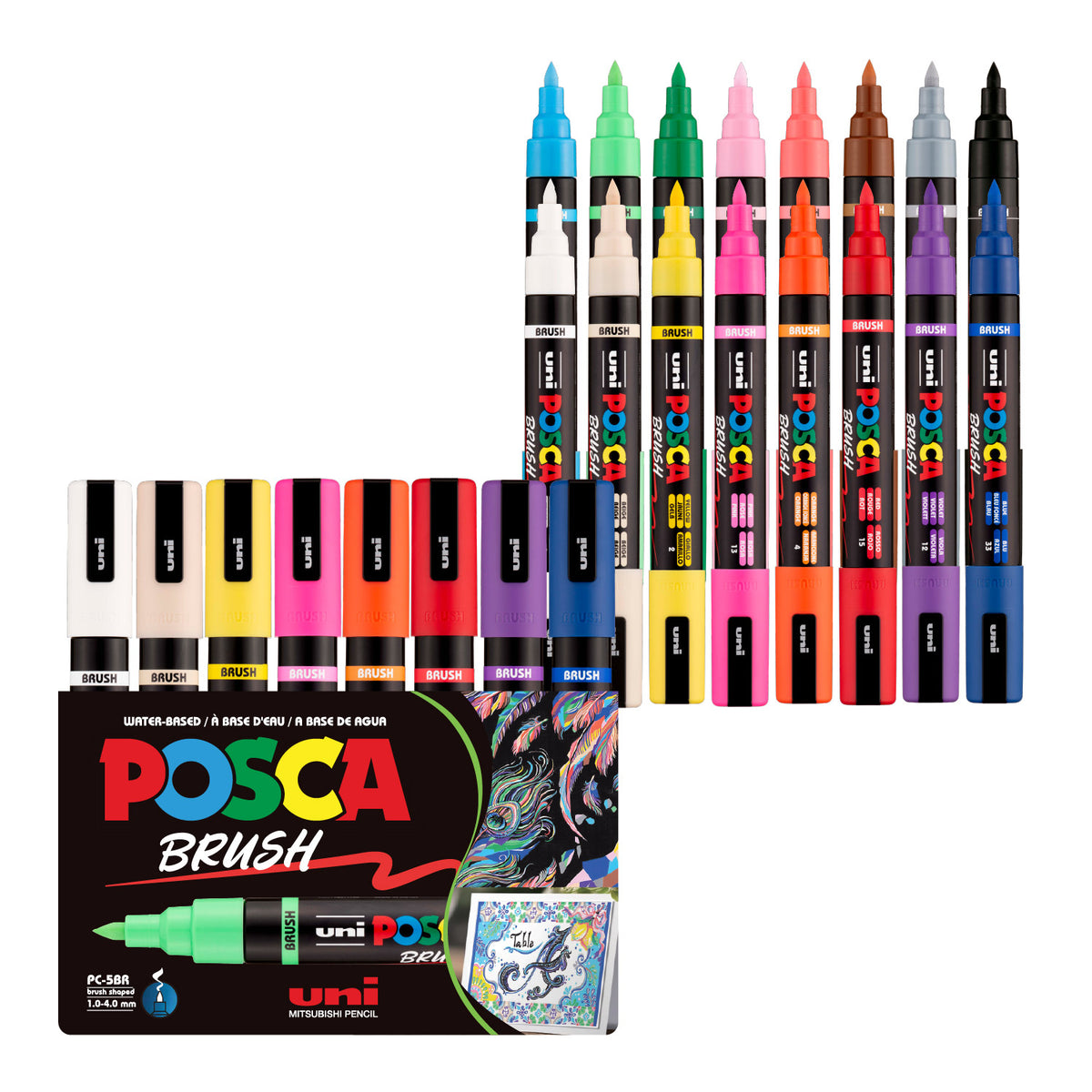
- Posca Pens or fabric paint markers for fine details
- Dimensional fabric paint for raised outlines and texture
- Craft brushes in various sizes for broad strokes and detail work
- White chalk or chalkboard chalk for sketching your design
- Fabric medium to improve flexibility and adhesion
- Textile additive (optional, enhances chalk paint performance)
- Iron and a thin cloth for heat setting your finished design
- Easy Peasy Spray Wax for an extra layer of durability
Helpful Extras
Digital mockup templates compatible with Canva or Photoshop can help you plan layouts before touching the denim. Cardboard inserts, pre-recorded video courses, and a well-ventilated workspace also make the process smoother.
Sketch Your Design Before Painting
Plan on Paper First
Before reaching for your brushes, sketch your design on paper. This step lets you test layouts, experiment with themes, and avoid mistakes on the actual jeans. Popular motifs include class years, graduation caps, school colors, floral patterns, and whimsical bubbles. Your sketch is just a roadmap, so do not worry about perfection.
Transfer to Denim with Chalk
Once you are happy with your paper sketch, transfer the design to your jeans using white chalk. Chalk is easily erasable, which means you can adjust lines, resize elements, or reposition text without damaging the fabric. Work slowly and step back often to check your balance and spacing.
Prime with a White Base Coat

Why a Base Coat Is Essential
Never skip the white base coat. Denim is dark, and painting directly on it will dull your colors and make pastels disappear. A white underlayer acts like primer, keeping reds vibrant, yellows bright, and every shade true to its bottle color.
Apply Evenly and Let It Dry
Use fabric paint or thinned chalk mineral paint to cover every area you plan to decorate. Apply with a flat brush using smooth, overlapping strokes. Allow the base coat to dry completely, usually one to two hours, before moving on to your design.
Paint the Design Layer by Layer
Start with Large Areas
Begin by filling in the biggest sections of your design, such as backgrounds, large letters, or solid shapes. Medium to large brushes work best for efficiency. Thin your paint slightly with water or fabric medium to help it flow smoothly. Avoid thick globs, which tend to crack as they dry.
Let Every Layer Dry Fully
Patience is key when layering paint. Wait until each coat is completely dry before adding the next, which can take one to four hours depending on humidity. Rushing this step leads to smudging and muddy colors. When in doubt, wait longer.
Add Fine Details Last
Use Posca Pens or fine-tipped brushes to add outlines, dots, and small text. Dimensional fabric paint is perfect for raised borders or three-dimensional effects. These finishing touches give your design a polished, professional look.
Seal the Paint for Long-Lasting Wear

Heat Set with an Iron
After 24 hours of drying time, heat set your design to lock in the paint. Set your iron to high heat with no steam. Place a thin pillowcase or cotton cloth over the painted area, then press firmly for three to five minutes, moving slowly to cover every painted zone. This step is non-negotiable if you want your artwork to survive the wash.
Try the Dryer Method Instead
If you prefer a hands-off approach, toss the jeans in the dryer on a warm tumble-only cycle for 30 minutes. This works well but offers less control than ironing.
Add Spray Wax for Maximum Protection
For extra durability, brush a thin layer of Easy Peasy Spray Wax over the dried paint. This creates a flexible barrier that prevents cracking and fading. Let it cure for 12 to 24 hours before wearing or washing.
Avoid These Common Mistakes
Skipping the Pre-Wash
Paint struggles to bond with untreated denim. Always wash new jeans first to remove sizing and residues.
Painting Without a Base Coat
Dark denim will swallow your colors without a white primer underneath. The base coat is what makes your design pop.
Washing Too Soon or Too Harshly
Wait at least 72 hours before the first wash. Always use cold water on a gentle cycle. Hot water breaks down paint bonds and causes fading.
Machine Drying Before Heat Setting
Even with proper sealing, avoid high-heat drying. Hang dry your jeans to preserve the design and prevent shrinkage.
Care for Your Finished Jeans
Wash Gently Every Time
Hand wash or use a cold, delicate cycle with mild detergent. Turn the jeans inside out to protect the painted surfaces from friction.
Always Hang Dry
Hang your jeans away from direct sunlight. UV rays can fade paint over time, and machine drying can cause cracks. If you need to fold them, place tissue paper between layers to prevent creasing.
Store Flat or Hung
Lay your jeans flat or hang them in a closet to avoid creasing painted areas. Proper storage keeps your design looking fresh for years.
Get Inspired with Design Ideas
Vintage-Inspired Looks
Channel the 1960s with simple hand-painted circles, stars, or cursive names. Minimal colors and chalk-style finishes give a nostalgic, timeless feel.
Elaborate Custom Themes
Go bold with floral wreaths, graduation caps, sports logos, or favorite song lyrics. Sewn trims, ruffles, and patches add a modern, layered look that stands out.
Use Digital Mockups for Planning
Digital templates compatible with Canva or Photoshop let you visualize your design before painting. They are great for testing color combinations, adjusting placement, and sharing ideas with family or friends.
Learn from Tutorials and the Community
Watch YouTube Guides
Many creators share step-by-step senior jeans painting videos. Look for tutorials that show real-time painting, chalk sketching, and sealing techniques. Higher-quality videos often include close-ups of brushwork and layering that make learning easier.
Join the Hashtag Community
Search #seniorjeans, #painteddenim, or #handpaintedjeans on TikTok and Instagram. These platforms are full of inspiration, time-lapse videos, and helpful tips from experienced crafters who love sharing their process.
Commission a Professional or Customize Further
Hire a Custom Artist
If you are not confident in your painting skills, custom painted denim artists offer commissioned work. Share your vision, including colors, themes, and class year, and they will create a one-of-a-kind piece for you.
Try Other Wearable Art
The same techniques work beautifully on denim jackets, canvas bags, or shoes. Many artists also customize faux leather jackets, proving just how versatile hand-painted wearables can be.
Final Tips for a Successful Project
Test Your Paint Consistency
Try both water-thinned paint and paint mixed with textile additive. Both methods work well, so choose the one that feels best for your style and texture preferences.
Work in a Ventilated Space
Some paints and sealants have strong odors. Open windows or work outdoors whenever possible to keep your space comfortable.
Enjoy the Creative Process
Painting senior jeans is fun and surprisingly addictive, as many crafters will tell you. Invite friends or family to join, play some music, and embrace the imperfections. Every brushstroke adds character to a piece you will cherish forever.
Frequently Asked Questions About Painting Senior Jeans
Do I Need to Wash New Jeans Before Painting Them?
Yes, always wash new jeans before painting. Denim comes with sizing and factory residues that prevent paint from bonding properly. Use cold water and mild detergent, then let the jeans air dry completely.
What Kind of Paint Works Best on Denim?
Fabric paint and chalk mineral paint both work well on denim. Chalk mineral paint can be thinned with water or mixed with a textile additive for smooth application. White fabric paint is essential for the base coat.
How Long Should Paint Dry Before Heat Setting?
Allow your finished design to dry for at least 24 hours before heat setting. Rushing this step can cause the paint to smear or fail to bond properly with the fabric.
How Do I Keep Painted Jeans from Fading?
Heat set the paint with an iron or dryer, apply Easy Peasy Spray Wax for extra protection, and always wash in cold water on a gentle cycle. Hang dry away from direct sunlight to prevent fading over time.
Can I Paint on Other Denim Items Besides Jeans?
Absolutely. The same techniques work on denim jackets, overalls, skirts, and even canvas bags. Many artists also customize shoes and faux leather pieces using similar methods.
Is Painting Senior Jeans Beginner-Friendly?
Yes, the vintage-inspired style is very beginner-friendly and requires no advanced skills. Elaborate designs with sewing elements and dimensional details may take more practice, but simple projects are a great place to start.
Key Takeaways for Painting Senior Jeans Like a Pro
Painting senior jeans is a rewarding project that turns a simple pair of denim into a wearable keepsake. Start with a thorough wash, sketch your design in chalk, and always apply a white base coat for vibrant colors. Layer your paint patiently, seal the finished design with heat, and follow gentle care instructions to make your artwork last.
Now that you know how to paint senior jeans, gather your supplies, pick a design that tells your story, and start creating. The finished piece will be something you or your graduate will treasure for years to come.