

The bathroom ranks as the most dangerous room in any home for older adults, with slippery floors, hard surfaces, and tight spaces combining into a serious fall hazard. Every year, countless seniors end up in emergency rooms after bathroom-related slips, often resulting in broken bones or worse. Making the bathroom safe for seniors requires more than a quick fix; it demands a thoughtful approach that addresses lighting, flooring, support, and daily routines. With the right modifications, you can create a space where your loved one moves confidently and independently. Below, you’ll find a complete roadmap covering every essential change, from clearing pathways to installing professional safety equipment.
Clear Access to the Bathroom
Remove Trip Hazards Before They Cause a Fall
Start by looking at the path leading to the bathroom. Area rugs, clutter, and stray cords all create obstacles that increase fall risk. Remove every floor covering in the hallway and bathroom, even small decorative rugs near the sink. If your loved one uses a walker or wheelchair, make sure the walkway offers at least 36 inches of clear space.
Add Nighttime Lighting
Seniors often visit the bathroom at night, when visibility drops sharply. Install a nightlight in both the hallway and the bathroom itself. Plug-in models with automatic sensors work well, but if no outlet is nearby, a battery push-light mounted on the wall provides enough illumination to navigate safely without harsh glare.
Address Narrow Doors and Thresholds
Older homes, especially in cities like New York, often feature narrow bathroom doors that block mobility aids. Even a small half-inch threshold can cause a serious trip. If remodeling isn’t an option, consider removing the door temporarily or installing a swing-clear hinge to widen clearance. A physical therapist can also teach safe side-stepping techniques for tight entries.
Stop Slips with Non-Slip Surfaces
Place Non-Slip Mats Inside the Tub
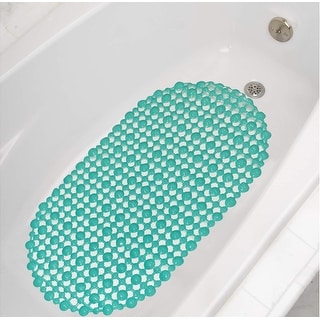
Slipping is the leading cause of bathroom falls, and the tub floor is ground zero. Lay a non-slip suction mat directly on the tub surface to give wet feet something to grip. Choose a mat with a rubber base and raised texture for maximum traction, and make sure it lies completely flat to avoid curled edges that can trip.
Stick on Silicone Decals for Extra Grip
For additional protection, apply rubber silicone decals across the entire tub or shower floor. Press each one down firmly and cover every inch with no gaps. These decals stay in place when wet, hold up to frequent cleaning, and offer a simple solution for renters who can’t modify the space permanently.
Choose a Secure Bath Mat for Outside the Tub
After bathing, wet feet meet dry flooring. Place a bath mat with a rubberized, non-slip backing directly outside the tub or shower. Avoid plush or decorative mats that slide easily, and wash the mat regularly to prevent mildew buildup that can reduce grip over time.
Install Proper Grab Bars
Skip the Towel Racks
One of the most dangerous mistakes families make is treating towel bars as grab bars. Towel bars are not built to hold body weight and can rip out of the wall during a sudden grab, causing a serious fall. Only use professionally rated grab bars anchored into wall studs or secured with heavy-duty toggle bolts for hollow walls.
Mount Grab Bars Where They Matter Most
Place grab bars in three critical zones: beside the toilet to help with sitting and standing, inside the shower or tub to assist with entry and exit, and on the wall opposite the faucet to avoid reaching across hot water. Mount bars vertically or horizontally; diagonal bars reduce stability and can twist under pressure. For tile walls where drilling is difficult, u-shaped grab bars slide over the surface and tighten securely without permanent installation.
Add a Shower Chair to Reduce Standing Time
Standing for an entire shower increases fall risk dramatically. A shower chair with non-slip legs lets seniors bathe safely while seated. Look for a model with a backrest and armrests for added comfort, or choose a foldable wall-mounted version for tight spaces. Pair the chair with a handheld showerhead for easier rinsing.
Upgrade Toilet Safety
Install a Grab Bar Beside the Toilet
Mount a grab bar on the wall next to the toilet, positioned about 18 to 20 inches from the center of the bowl. Place it at elbow height when standing so the user can grip it while lowering down or pushing up. This single addition can prevent countless falls during one of the highest-risk daily activities.
Raise the Toilet Seat
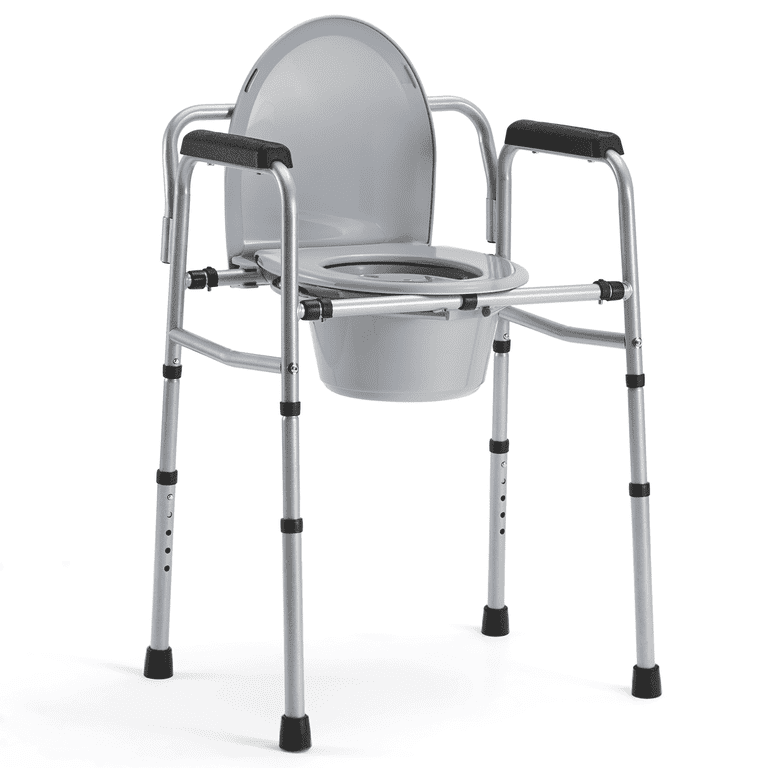
Standard toilets sit too low for seniors with weak legs or stiff joints. A raised toilet seat with built-in handles slides over the existing bowl and locks into place with a few turns. For added stability, choose an adjustable frame that surrounds the toilet and includes armrests on both sides.
Consider a Commode Chair for Nighttime Use
For seniors who struggle to reach the bathroom at night, a bedside commode chair offers a safer alternative. These portable toilets fold for easy storage and eliminate risky midnight walks. Some models include privacy screens or storage compartments for added convenience.
Add a Portable Bidet for Personal Hygiene
Limited mobility can make personal hygiene difficult. A portable bidet seat attaches to the toilet and sprays warm water for cleaning, then follows with warm air drying. Controlled by a remote or side panel, it preserves dignity and reduces the need for hands-on assistance.
Optimize Lighting Throughout the Space

Use Automatic Nightlights in Key Spots
Motion-sensor nightlights in the hallway and bathroom turn on automatically and guide seniors safely without fumbling for switches. Choose LED models with warm light to reduce glare, and place at least one near the floor so it remains visible while seated.
Brighten High-Risk Zones
Focus extra light on the toilet, tub, and sink. Under-cabinet lighting and adhesive LED strips can highlight edges and step-down areas where falls often happen. For dark shower interiors, install a waterproof light directly inside the stall. Always aim to eliminate shadows that hide changes in floor level.
Avoid Common Safety Mistakes
Don’t Skip a Professional Assessment
Many families rely on guesswork when modifying a bathroom, but every senior has unique needs. A physical or occupational therapist can assess mobility, balance, and strength, then recommend personalized changes. Some insurance plans cover home safety evaluations, so ask your doctor for a referral.
Prioritize Function Over Style
Decorative towel racks, glass shelves, and chrome rails may look attractive but offer zero real support. Choose medical-grade grab bars and smooth-edged fixtures that prevent injury if a fall does occur. Always put safety ahead of aesthetics.
Maintain Safety Equipment Regularly
Safety gear only works when it stays in good condition. Check grab bars monthly for looseness, replace worn suction mats, and test nightlights often to confirm they turn on. Clean rubber-backed bath mats frequently to prevent mildew that can cause slipping.
When to Call a Professional
Request an Occupational Therapy Evaluation
If your loved one has experienced a fall, struggles with balance, or uses mobility aids, request a home safety evaluation from an occupational therapist. The therapist will observe how the senior moves through the space and suggest targeted improvements, including custom equipment and safe transfer techniques.
Hire a Contractor for Major Renovations
For permanent upgrades such as walk-in tubs, roll-in showers, or widened doors, work with an aging-in-place certified contractor. These professionals understand ADA guidelines and can reconfigure the bathroom without sacrificing style or function.
Frequently Asked Questions About Bathroom Safety for Seniors
What is the biggest bathroom safety risk for seniors?
Slipping on wet surfaces is the leading cause of bathroom falls among older adults. Non-slip mats, silicone grips, and proper lighting all help reduce this risk significantly.
Where should grab bars be installed in a senior’s bathroom?
Install grab bars beside the toilet, inside the shower or tub, and on the wall opposite the faucet. Bars should be mounted vertically or horizontally, never diagonally, and anchored into wall studs or secured with heavy-duty toggle bolts.
Are towel bars safe for seniors to use for support?
No. Towel bars are not designed to support body weight and can pull out of the wall during use, causing a serious fall. Only use professionally rated grab bars that are specifically built for safety.
How can I make a toilet safer for an elderly person?
Mount a grab bar beside the toilet, install a raised toilet seat with built-in handles, and consider an adjustable frame with armrests. A portable bidet can also help with personal hygiene for those with limited mobility.
Do nightlights really help prevent bathroom falls?
Yes. Nightlights improve visibility during nighttime bathroom visits, reducing the chance of tripping over obstacles or misjudging distances. Motion-sensor or automatic models work well without requiring the user to fumble for switches.
When should I hire a professional to assess bathroom safety?
If your loved one has balance issues, has experienced a fall, or uses mobility aids, request an occupational or physical therapy evaluation. For major renovations like walk-in tubs or widened doors, hire an aging-in-place certified contractor.
Key Takeaways for Making the Bathroom Safe for Seniors
Start with low-cost, high-impact changes: remove trip hazards, add non-slip mats, and install automatic nightlights. Move on to structural upgrades like professionally mounted safety bars, raised toilet seats, and shower chairs. Always involve a healthcare professional when mobility concerns exist, and prioritize function over style in fixtures and accessories. With these steps, the bathroom becomes a place of safety and confidence, not risk. Begin your safety walkthrough today and tackle one improvement at a time for lasting peace of mind.





