
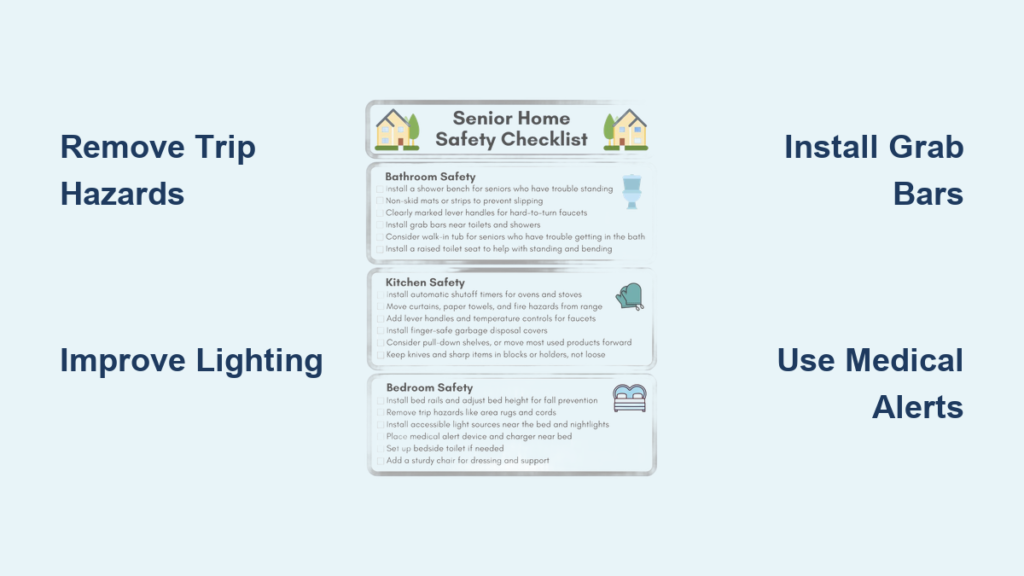
Every year, millions of older adults experience falls and other accidents at home, and most of these incidents are preventable. As vision, balance, and reaction time decline, everyday spaces can become surprisingly dangerous. Learning how to keep seniors safe at home is one of the most important steps families can take to protect their loved ones. With the right mix of home modifications, helpful routines, and smart technology, you can create an environment where older adults feel confident, supported, and truly at ease. This guide walks you through practical, affordable strategies for every room in the house.
Remove Common Trip Hazards

Falls are the leading cause of injury among seniors, often leading to fractures, hospital visits, or a lasting fear of moving around. The good news is that most fall risks are easy to fix once you know where to look.
Secure Loose Rugs and Cords
Area rugs without non-slip backing are a major hazard. Either tape them down or replace them with rubber-backed versions. Extension cords and phone chargers should never cross walking paths. Use cord clips along baseboards or switch to wireless chargers to keep floors clear.
Clear Walking Paths
Keep hallways, doorways, and stairs free of clutter like shoes, boxes, or pet toys. A clear path of at least 36 inches wide makes it easier to move with a walker or cane. Place everyday items within easy reach to avoid stretching or stepping on chairs.
Improve Lighting Throughout the House
Dim lighting makes it hard to spot obstacles, read medication labels, or navigate at night. Better lighting can instantly reduce the risk of missteps and falls.
Install Bright, Consistent Lighting
Use LED bulbs with 800 to 1,100 lumens in hallways, kitchens, and bathrooms. Warm white lighting around 3000K offers clear visibility without harsh glare. Replace any burnt-out bulbs promptly and add lamps to dark corners.
Add Nightlights and Motion Sensors
Place nightlights in bedrooms, bathrooms, and along the path to the kitchen. Motion-activated lights in closets, pantries, and hallways turn on automatically, which helps during late-night trips. Rechargeable plug-in models work well during power outages.
Upgrade Bathroom Safety Features

Wet floors, tight spaces, and frequent standing make the bathroom one of the most dangerous rooms in any home. A few smart upgrades can prevent serious injuries.
Install Grab Bars Near Toilet and Shower
Standard towel racks cannot support body weight. Install sturdy grab bars beside the toilet and inside the shower, anchored into studs or with heavy-duty wall mounts. Mount them horizontally about 33 to 36 inches from the floor for the best support.
Use Non-Slip Mats and Shower Benches
Place textured non-slip mats inside and outside the tub or shower. A shower chair or bench allows seniors to sit while bathing, reducing fatigue and fall risk. Handheld showerheads also make washing safer and easier.
Prevent Kitchen Accidents
Cooking involves heat, sharp tools, and heavy pots, all of which can be risky for older adults. A few changes can make the kitchen both safer and easier to use.
Organize for Easy Access
Store pots, pans, and dishes in lower cabinets to avoid reaching overhead. Pull-out shelves and lazy Susans make deep cabinets far more accessible. Keep daily-use items between waist and shoulder height for easy grabbing.
Install Safety Devices
Consider an automatic stove shut-off or burner timer that turns off the heat if left unattended. Microwaves can reduce stovetop use for simple meals. Keep a fire extinguisher under the sink and check it once a year to make sure it works.
Enhance Stairway Security
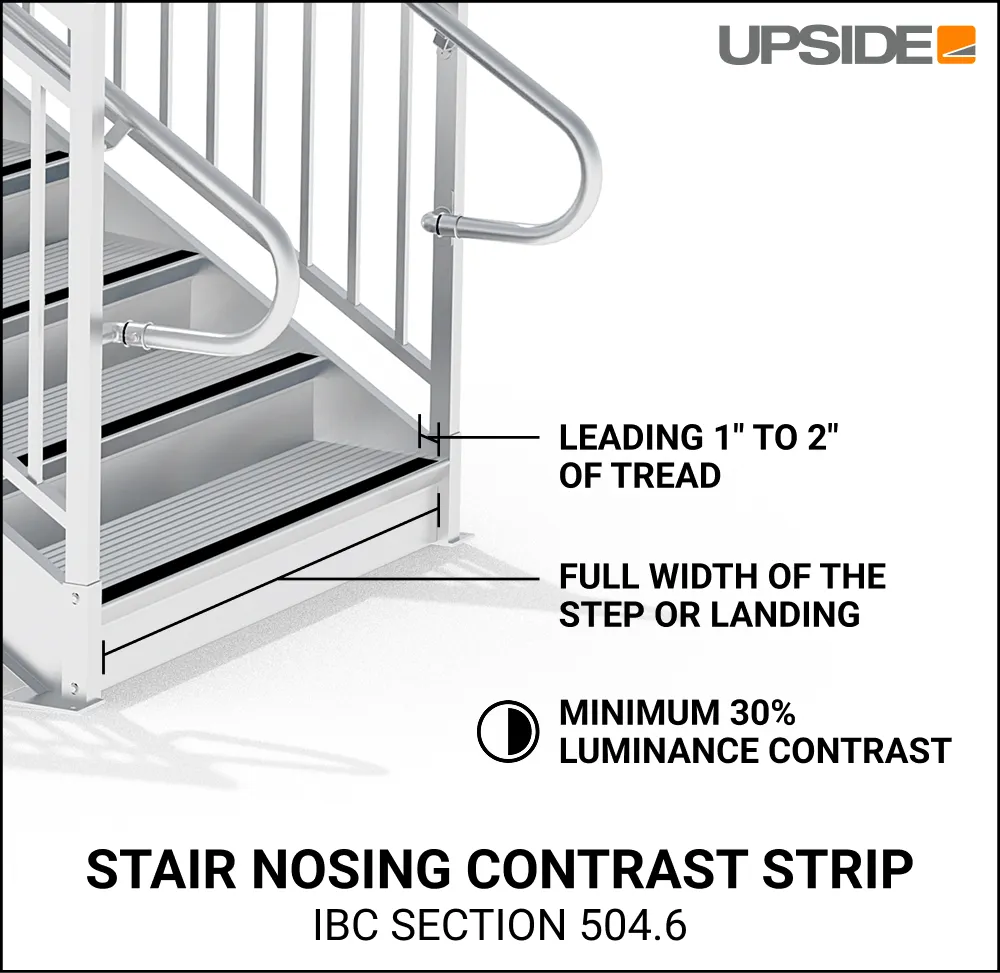
Stairs are a major fall risk, especially in low light or without proper handrails. Small improvements here can make a big difference.
Add Handrails on Both Sides
Every staircase should have sturdy handrails on both sides, even if the stairs are short. Mount them 34 to 38 inches above the steps and make sure they extend past the top and bottom steps. Check that they are firmly anchored and easy to grip.
Mark Step Edges Clearly
Apply contrasting tape or paint along the edge of each step to make them easier to see. This helps anyone with low vision judge depth more accurately. Repair any loose, broken, or uneven treads right away.
Promote Medication Safety

Mixing up medications or missing a dose can cause dizziness, confusion, or worse. A simple system helps seniors stay on track without stress.
Use a Pill Organizer
A weekly or daily pill organizer keeps medications sorted by time and day. Fill it during a calm, well-lit moment, and ask a family member to double-check the contents. Clear labels with the day and dosage prevent mix-ups.
Review Medications Regularly
Schedule a medication review with a doctor or pharmacist every six months. Ask about side effects like dizziness or drowsiness that can affect balance. Keep an updated list of all prescriptions and supplements in a visible place.
Prevent Scams and Financial Risks
Older adults are often targeted by phone, email, and door-to-door scams. Protecting against fraud is just as important as preventing physical accidents.
Set Up Call Screening
Use caller ID and block unknown numbers on both landlines and smartphones. Enable spam filters and teach seniors never to share personal or financial information over the phone. A simple “let it go to voicemail” rule can prevent most scams.
Monitor Accounts for Fraud
With permission, family members can set up account alerts for unusual purchases or large withdrawals. Automatic bill pay reduces the risk of missed payments and phishing emails. Always shred old bank statements and medical records before throwing them away.
Support Cognitive Health and Routine
Memory lapses can lead to unsafe habits, like leaving the stove on or forgetting to lock the door. Gentle reminders and structure help seniors stay safe and confident.
Establish Daily Checklists
Create simple morning and evening checklists with tasks like “turn off stove,” “lock door,” and “take medication.” Post them in visible spots such as the fridge or bathroom mirror. Checking items off gives a sense of accomplishment and routine.
Use Smart Home Technology
Smart plugs let you turn off appliances remotely from a phone. Voice assistants can set reminders for medication, appointments, or even daily walks. Smart doorbells with video allow seniors to see visitors before opening the door.
Ensure Emergency Preparedness
When something goes wrong, fast access to help can save a life. A few simple preparations make a big difference in emergencies.
Wear a Medical Alert System
Medical alert bracelets, pendants, or smartwatches allow seniors to call for help with the push of a button. Look for models with fall detection or GPS tracking, especially for those who live alone. These devices provide peace of mind for both seniors and their families.
Post Emergency Contacts Nearby
Keep a clear list of important phone numbers on the fridge and near every phone. Include family members, doctors, the local pharmacy, and emergency services. Add instructions for shutting off gas, water, and electricity in case of a leak or fire.
Encourage Physical Activity and Strength
Weak muscles and poor balance increase fall risk, but regular movement can rebuild strength and stability. Staying active is one of the best long-term safety strategies.
Practice Balance and Strength Exercises
Simple daily exercises like standing on one foot, heel-to-toe walking, or chair squats improve stability. Tai chi and seated yoga are low-impact options that have been shown to reduce falls. Even ten minutes a day can make a real difference.
Schedule Regular Walks
Walking 20 to 30 minutes a day supports circulation, joint health, and confidence. Choose well-lit, even paths and use a cane or walker if needed. Walking with a friend or caregiver adds safety and motivation.
Frequently Asked Questions About Senior Home Safety
What is the biggest safety risk for seniors at home?
Falls are the leading cause of injury among older adults, often resulting in fractures or hospitalization. Most falls happen due to loose rugs, poor lighting, clutter, or lack of grab bars in bathrooms.
How can I make my elderly parent’s home safer quickly?
Start by removing tripping hazards, adding nightlights, and installing grab bars in the bathroom. These low-cost changes can be done in a weekend and immediately reduce the most common risks.
Do seniors need grab bars in every bathroom?
Yes, especially near the toilet and inside the shower or tub. Standard towel bars are not strong enough to support body weight and can pull loose, leading to serious falls.
Are medical alert systems worth it for seniors living alone?
Yes, they can be life-saving during a fall or medical emergency. Modern systems include fall detection and GPS, providing fast access to help and peace of mind for family members.
What is the best lighting for senior safety?
Bright, consistent lighting between 800 and 1,100 lumens is ideal for visibility. Warm white bulbs around 3000K reduce glare while still being easy on the eyes. Add nightlights in hallways and bathrooms for nighttime use.
How often should a senior review their medications?
Medications should be reviewed with a doctor or pharmacist every six months. Regular reviews help identify side effects like dizziness or drug interactions that can increase fall risk.
Key Takeaways for Keeping Seniors Safe at Home
Keeping seniors safe at home is not about expensive renovations or constant supervision. It is about small, thoughtful changes that reduce risk and support independence. Start by removing tripping hazards, improving lighting, and adding grab bars in key areas like bathrooms and stairs. Use smart technology and simple checklists to support memory and daily routines, and make sure emergency help is always within reach. Most importantly, involve your loved one in every decision so they feel respected and empowered. With the right plan in place, seniors can enjoy the comfort of home while staying safe, confident, and connected.





