
Dehydration in older adults is more common, and far more dangerous, than most people realize. As the body ages, its ability to sense thirst weakens, which means many seniors simply do not feel the urge to drink even when their bodies need fluids. Without regular hydration, older adults face higher risks of confusion, urinary tract infections, constipation, and hospitalization. Learning how to keep elderly hydrated is not just about handing someone a glass of water. It is about using smart, compassionate strategies that work with the realities of aging bodies and minds.
This guide shares proven techniques from medical experts and real-life caregivers to help you support better daily hydration in older adults. You will learn practical visual cues, verbal prompts, food-based options, and routine-building tips that make a real difference.
Use Bright, Attention-Grabbing Cues

Visual reminders are powerful tools, especially for seniors with memory issues or cognitive decline. A clear glass of water on a table often goes unnoticed, but a brightly colored bottle draws the eye and encourages action.
Choose Vibrant Water Bottles
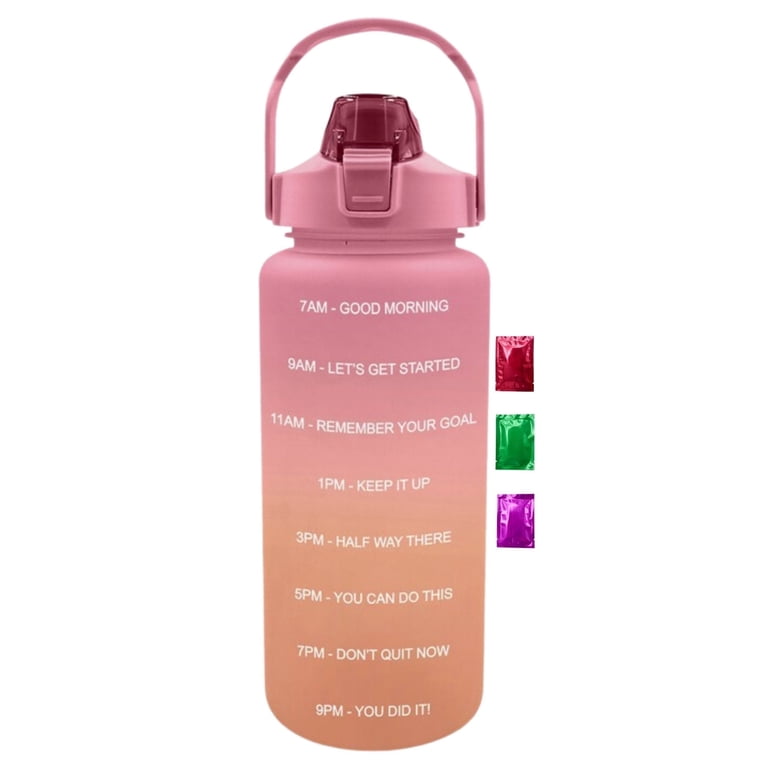
Pick water bottles in bold colors like pink, purple, or orange. These stand out on tables and nightstands and are easier to spot. Because visual processing can be challenging for people with Alzheimer’s disease, avoid transparent containers that blend into the background.
Place Water in Plain Sight
Keep filled bottles or glasses in the spots where the senior spends the most time. Place one beside the bed, another on the coffee table, and one near their favorite chair. When water is part of the environment, drinking becomes natural rather than forgotten.
Add Visual Prompts
Attach a small reminder note to the bottle that says “Drink Me!” or decorate it with a fun sticker. Some caregivers use laminated cards with pictures of water droplets or smiling faces. The goal is to make drinking feel prompted and inviting.
Encourage Drinking Through Verbal Engagement
Words shape behavior, especially when memory or motivation is impaired. Simple, positive language can significantly boost fluid intake in older adults.
Use Positive Assumption Phrases
Avoid asking “Do you want water?” since that invites an easy “no.” Instead, hand the glass over and say, “Here’s the drink you asked for.” This assumes the person wanted it and removes hesitation. Jennifer Fink, a caregiver and Alzheimer’s advocate, used this exact technique with her mother and saw a noticeable increase in fluid intake.
Make Drinking Social and Playful
Drinking becomes more appealing when it feels shared. Take a sip from your own glass and say, “This cold water tastes so good!” You can also turn it into a light challenge: “Bet you can’t finish yours before I finish mine.” These small moments engage the mind and create positive associations with hydration.
Avoid Pressure or Nagging
Constant reminders like “You need to drink!” often backfire. Instead, weave hydration into natural conversation. Try saying, “Let’s both have a drink while we watch this show.” Drinking then feels like a shared habit, not an obligation.
Offer Hydrating Foods and Varied Drinks
Hydration does not have to come from water alone. Many foods and beverages contribute to daily fluid needs, sometimes more effectively than plain water.
Serve Water-Rich Fruits and Vegetables
Incorporate produce with high water content into meals and snacks:
– Watermelon
– Cucumber
– Oranges
– Strawberries
– Lettuce
These foods are not only hydrating but also rich in vitamins and fiber that support overall health.
Include Broth, Soups, and Smoothies
Warm options like low-sodium broth or vegetable soup work especially well in colder months. Cold options like fruit smoothies or yogurt-based drinks appeal to those who prefer sweet flavors. The U.S. Department of Veterans Affairs specifically recommends these as good hydrating liquids for older adults.
Try Herbal Teas and Decaf Options
Herbal teas such as chamomile or peppermint are caffeine-free and soothing. Serve them hot or iced based on preference. Avoid caffeinated teas and coffee, which can increase fluid loss.
Explore Specialty Hydration Products
For seniors who resist drinking, consider:
– Sugar-free Jelly Drops: These gelatin-like cubes are 95% water with added electrolytes and vitamins, making them easy to eat and popular with dementia patients.
– Homemade celery juice: Blend water and celery for a simple, hydrating drink. Mint, cucumber, or lemon can be added for flavor.
Create a Daily Hydration Routine
Consistency matters more than volume. Aim for small, regular sips throughout the day rather than pushing large amounts at once.
Set a Hydration Schedule
Break the day into chunks and offer a drink every one to two hours. Pair fluids with regular activities like meals, TV time, or medication reminders to build a natural rhythm.
Use Marked Water Bottles
Choose bottles printed with time markers such as “Drink by 10 AM” and “By 2 PM.” These guide steady consumption and help seniors living independently stay on track.
Monitor for Dehydration Signs
Watch for early warning signs including:
– Dry mouth or lips
– Dark yellow urine
– Fatigue or confusion
– Dizziness when standing
– Reduced urination
If any of these appear, increase fluids immediately and consult a healthcare provider.
Address Common Barriers to Hydration
Many seniors avoid drinking not because they do not need fluids, but because of practical obstacles. Tackling these barriers directly makes a real difference.
Fear of Frequent Bathroom Trips
Mobility issues or incontinence worries can discourage drinking. Reassure the senior that drinking and using the bathroom is far better than feeling weak or confused. Offer scheduled bathroom breaks after drinking and consider bedside commodes or incontinence products to reduce anxiety.
Medication Side Effects
Some medications, including diuretics and certain blood pressure drugs, increase fluid loss. Others may reduce the sensation of thirst. Review all current medications with a doctor to understand specific hydration risks.
Taste or Texture Aversions
If tap water tastes metallic or unpleasant, try filtered water, infused water with lemon or berries, or sparkling water if tolerated. Cold drinks often feel more refreshing than room-temperature options.
Prevent Dehydration in Hot Weather
Seniors are especially vulnerable to heat-related dehydration because the body’s ability to regulate temperature and respond to sweat declines with age.
Increase Fluids in Summer
Encourage extra sipping when temperatures climb. Offer chilled fruit, iced herbal tea, or frozen grapes as cooling, hydrating snacks. Even without feeling thirsty, the body needs more fluid in the heat.
Watch for Heat Exhaustion Signs
Key symptoms include heavy sweating or dry skin, rapid pulse, nausea, and confusion. Move the person to a cool place and offer fluids right away. Seek medical help if symptoms worsen.
Keep Indoor Spaces Cool
Use fans or air conditioning to maintain a comfortable temperature. A cooler body loses less fluid and stays better hydrated overall.
Track and Adjust Hydration Over Time
What works today may need adjustment tomorrow. Stay flexible and observant as health and circumstances change.
Keep a Simple Hydration Log
Record the time of each drink, the type and amount, and the color of urine. Light yellow urine is a reliable sign of good hydration. A log helps identify patterns and fine-tune strategies.
Adjust for Health Changes
Illnesses such as colds or urinary tract infections, new medications, or shifts in mobility may all require increased fluid intake. Be proactive during these transitions.
Celebrate Small Wins
Offer praise when the senior finishes a glass. Positive reinforcement builds long-term habits and keeps morale high.
Frequently Asked Questions About Elderly Hydration
Why are older adults more prone to dehydration?
Aging reduces the body’s ability to sense thirst, and many seniors take medications that increase fluid loss. Memory issues, mobility limitations, and illnesses also contribute to underhydration in the elderly.
How much water should an elderly person drink each day?
Most older adults benefit from small, regular sips throughout the day rather than large amounts at once. Pairing drinks with meals and snacks is a reliable way to maintain steady intake.
What are the best drinks for seniors besides water?
Low-sodium broth, herbal teas, milk, and fruit or vegetable juices are all good options. The U.S. Department of Veterans Affairs specifically recommends these for older adults.
Are Jelly Drops safe for people with dementia?
Sugar-free Jelly Drops are 95% water and contain added electrolytes and vitamins. They are designed to be easy to eat and are popular with dementia patients, though caregivers should always confirm suitability with a healthcare provider.
How can I tell if an elderly person is dehydrated?
Look for dry mouth or lips, dark yellow urine, fatigue, confusion, dizziness when standing, and reduced urination. If any of these signs appear, increase fluids and contact a healthcare provider.
What foods help keep seniors hydrated?
Watermelon, cucumber, oranges, strawberries, and lettuce all have high water content. Soups, smoothies, and yogurt-based drinks also contribute meaningfully to daily fluid intake.
Key Takeaways for Keeping Elderly Loved Ones Hydrated
Staying hydrated is one of the simplest yet most powerful ways to protect an older adult’s health, energy, and mental clarity. The most effective approach combines visual cues like bright bottles, verbal prompts that feel natural and positive, a variety of hydrating foods and drinks, and a consistent daily routine. Small, steady efforts beat large, infrequent pushes every time.
Start with one or two strategies that feel manageable, such as placing a colorful bottle in plain sight and offering a drink every couple of hours. Build from there, stay flexible, and remember that every sip truly counts.