
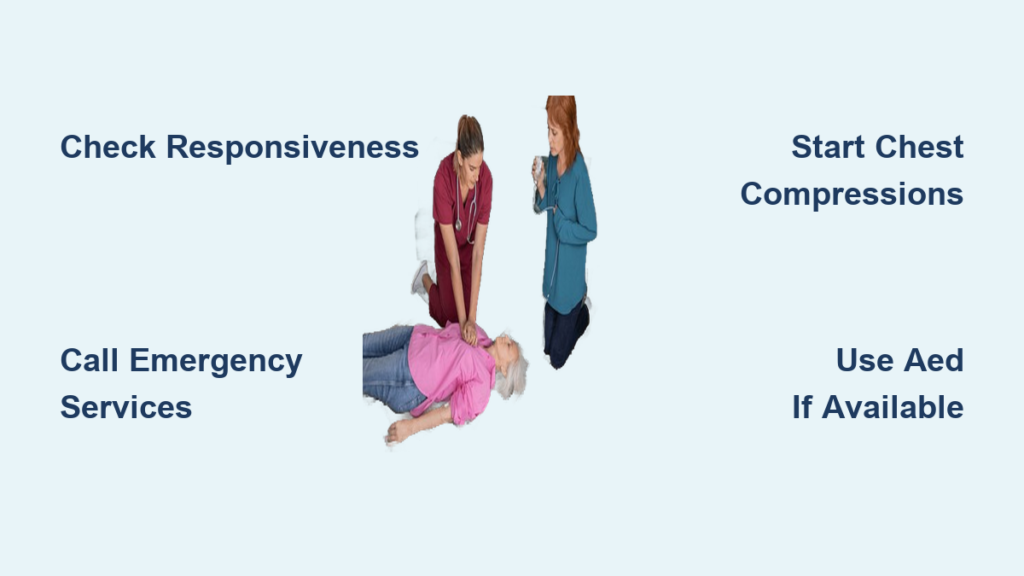
Performing CPR on an elderly adult can feel intimidating, but immediate action significantly increases survival chances during cardiac arrest. Every minute without CPR reduces the likelihood of survival by 7 to 10 percent. For older adults, especially those over 70, heart-related emergencies are more common, making it crucial for caregivers, family members, and bystanders to know how to respond quickly and correctly.
This guide walks you through step-by-step procedures for performing CPR on elderly individuals, including adjustments for frailty, rib fragility, and common health conditions. You’ll learn how to assess responsiveness, deliver effective compressions, use an AED safely, and avoid common mistakes. Whether you’re a home caregiver or a concerned family member, knowing how to do CPR on elderly adults empowers you to act confidently in emergencies.
Check Responsiveness Before Starting CPR
Before you begin, confirm the person is unresponsive and not breathing normally. Tap their shoulder firmly and shout, “Are you okay?” Look for any movement, groaning, or regular breathing patterns.
Tap and Shout Clearly
Use a loud, firm voice to get a response. Do not shake vigorously, since older adults may have osteoporosis or spinal issues. If there’s no reaction, proceed immediately to the next step.
Look for Normal Breathing
Lean close to their face and observe. Watch the chest for rising, listen for breath sounds, and feel for airflow for no more than 10 seconds. Gasping, gurgling, or irregular breaths are not normal. If breathing is absent or abnormal, begin CPR right away.
Call Emergency Services Immediately
Time is critical in a cardiac emergency. If you’re alone and the person is unresponsive, call 911 or your local emergency number before starting CPR, unless the collapse was witnessed and likely due to sudden cardiac arrest.
When to Call First
For elderly adults found unresponsive, especially if you didn’t see them collapse, call for help immediately. Older individuals often experience gradual cardiac events, and professional support is essential for the best outcome.
Use Speakerphone if Alone
After calling, place your phone on speaker mode. This allows dispatchers to guide you through CPR steps while you perform them. Follow their instructions precisely and stay on the line.
Begin Chest Compressions Correctly
High-quality chest compressions are the most important part of CPR. They keep oxygenated blood flowing to the brain and vital organs until advanced care arrives.
Position Your Hands Properly
Kneel beside the person. Place the heel of one hand on the center of the chest, specifically the lower half of the sternum. Place your other hand on top and interlock your fingers. Keep your arms straight with shoulders directly above your hands.
Compress at the Right Depth
Push down at least 2 inches (5 cm) but no more than 2.4 inches (6 cm). For frail or very thin seniors, use controlled force. Don’t soften them too much, but avoid excessive jerking. The goal is consistent, deep compressions that circulate blood effectively.
Maintain Proper Compression Rate
Compress at a rate of 100 to 120 per minute. A helpful rhythm is the beat of songs like “Stayin’ Alive” by the Bee Gees. Allow full chest recoil between compressions and avoid leaning on the chest.
Use an AED if Available

An Automated External Defibrillator (AED) can restore a normal heart rhythm in cases of sudden cardiac arrest. It’s safe and easy to use on elderly adults.
Turn On and Follow Voice Prompts
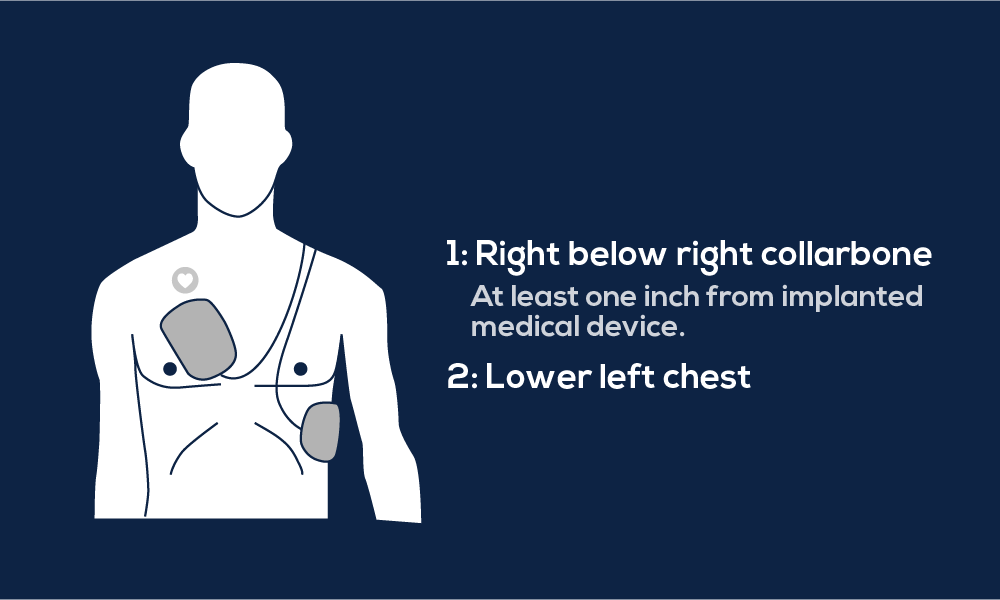
AEDs provide voice-guided instructions for users. Turn it on, expose the chest, and attach pads as shown in the diagram. Place one pad on the upper right chest and the other on the lower left side.
Clear the Person Before Delivering a Shock
Ensure no one is touching the person when the AED analyzes or delivers a shock. Resume CPR immediately after, starting with compressions.
AED Safety for Pacemaker Patients
Many elderly adults have pacemakers or defibrillators implanted under the skin, usually near the collarbone. Place AED pads at least 1 inch away from the device. Do not delay CPR or AED use because of this.
Adjust Technique for Frailty and Health Conditions
Older adults may have osteoporosis, prior fractures, or chronic illnesses. These factors don’t prevent CPR but require awareness and care during the process.
Expect Possible Rib Fractures
Up to 30 percent of elderly CPR recipients experience rib fractures. This is normal and should not stop you from continuing compressions. The benefit of circulation far outweighs the risk of injury.
Consider Underlying Illnesses
Seniors with advanced dementia, terminal illness, or DNR (Do Not Resuscitate) orders may not be candidates for CPR. If a valid DNR form or medical bracelet is present, respect it and provide comfort care instead.
Avoid Excessive Ventilation
If trained in rescue breathing, give 2 breaths after every 30 compressions. Each breath should last about 1 second and make the chest rise slightly. Over-inflating the lungs can cause vomiting or stomach bloating, especially in older adults.
Continue CPR Until Help Arrives
Keep performing CPR until one of the following occurs: emergency responders take over, the person shows signs of life, or you are too exhausted to continue.
Watch for Signs of Life Returning
Look for coughing, eye opening, speaking, or purposeful movement. If breathing returns, place the person in the recovery position and monitor them until help arrives.
Don’t Stop Too Soon
Many rescuers stop CPR too early. Even if there’s no immediate response, continued compressions improve survival odds. Let professionals decide when to stop.
Special Tips for Caregivers
Family caregivers and nursing staff play a key role in emergency response for elderly adults. Being prepared makes a life-saving difference in critical moments.
Know the Person’s Medical History
Ask about heart conditions, recent surgeries, or DNR status before an emergency occurs. This information guides your actions and helps emergency teams provide appropriate care.
Practice CPR Regularly
Skills fade over time. Take a refresher course every year. Many organizations offer senior-focused CPR training with manikins that simulate frail bodies.
Use Hands-Only CPR if Untrained
If you’re not trained in rescue breathing, perform hands-only CPR with continuous chest compressions at 100 to 120 per minute. It’s highly effective, especially in the first few minutes after collapse.
Common Mistakes to Avoid
Even well-intentioned rescuers make errors that reduce CPR effectiveness. Being aware of these pitfalls helps you perform better under pressure.
Starting CPR Too Slowly
Delaying compressions by more than 10 seconds cuts survival chances significantly. Begin within seconds of confirming unresponsiveness and abnormal breathing.
Leaving Incomplete Chest Recoil
Resting your weight on the chest between compressions prevents the heart from refilling with blood. Lift fully after each push to allow proper recoil.
Compressing Too Shallow
Shallow compressions don’t generate enough blood flow. Push hard and deep without worrying about noise or chest movement.
Interrupting Compressions Too Long
Minimize pauses whenever possible. Only stop for AED analysis, rescue breaths (if trained), or when help arrives. Interruptions longer than 10 seconds reduce effectiveness.
Frequently Asked Questions About CPR on Elderly Adults
Is CPR different for elderly people compared to younger adults?
The core technique is the same, but rescuers should be aware that elderly adults may have frailer bones, pacemakers, or DNR orders. Hand placement, compression depth, and rate remain unchanged.
Can CPR on an elderly person cause serious harm?
Rib fractures occur in up to 30 percent of elderly CPR cases. While this sounds concerning, it is not a reason to stop. Without CPR, the person will not survive cardiac arrest.
What if the person has a DNR order?
If a valid DNR form or medical bracelet is present, do not perform CPR. Instead, call emergency services and provide comfort care until help arrives.
Should I perform rescue breaths on an elderly person?
If you are trained, give 2 breaths after every 30 compressions. If untrained, hands-only CPR (compressions only) is highly effective and recommended for bystanders.
Can I use an AED on an elderly person with a pacemaker?
Yes. AEDs are safe for patients with pacemakers. Just place the pads at least 1 inch away from the implanted device, typically located near the collarbone.
How long should I perform CPR before stopping?
Continue until emergency responders take over, the person shows signs of life, the scene becomes unsafe, or you are physically unable to continue. Most rescuers should aim to keep going for at least several minutes.
Key Takeaways for Performing CPR on Elderly Adults
Knowing how to do CPR on elderly adults can save a life when every second counts. Focus on three critical actions: check responsiveness quickly, call for emergency help, and begin high-quality chest compressions immediately. Remember that rib fractures are common but should never stop your efforts. If an AED is available, use it as soon as possible while keeping compressions going.
Your next step is simple: enroll in a certified CPR course this year. Hands-on practice with a trained instructor builds muscle memory and confidence so you can act without hesitation during a real emergency. Age should never be a barrier to saving a life, and your willingness to learn CPR could make all the difference for someone you love.





