
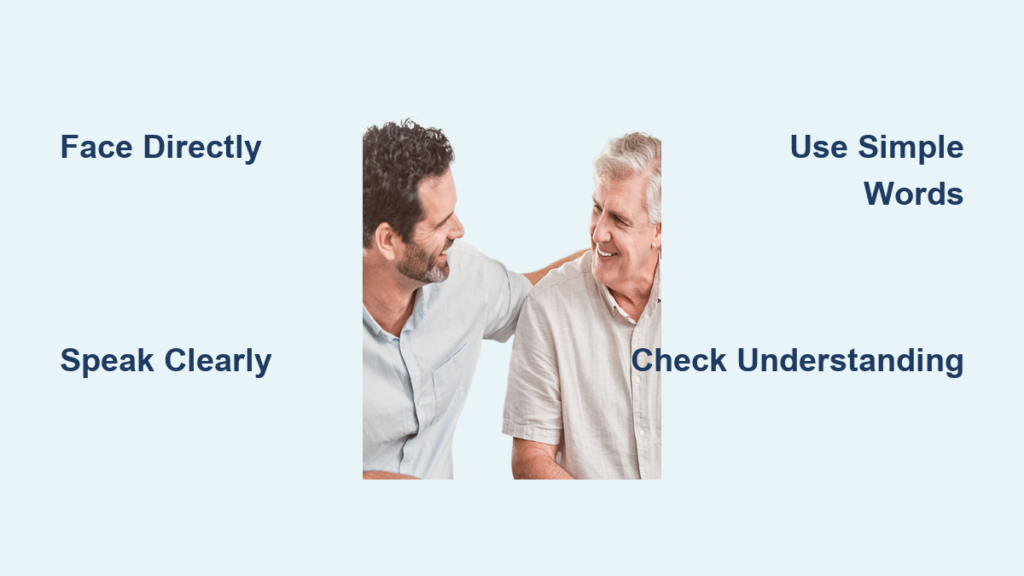
Imagine trying to follow a doctor’s instructions, but the words sound muffled, the handout is blurry, and the medical terms feel like a foreign language. For many seniors, this is a daily struggle. How to communicate with seniors goes beyond speaking clearly. It requires understanding the physical, cognitive, and emotional layers that shape how older adults receive and respond to information. With only 40% of adults able to understand standard health messages, and conditions like hearing loss, dementia, or vision impairment becoming more common with age, effective communication is a critical skill for caregivers, healthcare providers, and family members alike.
Poor communication can lead to medication errors, missed appointments, social isolation, and even preventable hospital readmissions. When seniors feel heard, respected, and understood, they engage more in their care, follow treatment plans, and maintain their independence. This guide breaks down the real challenges seniors face and delivers actionable strategies to improve communication in any setting. You will learn how to adapt your approach for sensory loss, cognitive changes, low health literacy, and cultural differences, and how to involve families to ensure nothing gets lost in translation.
Spot Communication Barriers Before They Cause Problems
Effective communication starts with identifying what stands in the way. Many seniors face hidden barriers that go unnoticed without deliberate assessment.
Recognize Common Physical and Cognitive Conditions
Older adults often live with multiple conditions that impact how they communicate. These include:
– Stroke: May affect speech, comprehension, or both
– COPD (Chronic Obstructive Pulmonary Disease): Reduces breath control and speaking stamina
– Dementia: Affects memory, comprehension, and the ability to express needs
– Hearing impairments: Make speech unclear or missed entirely
– Vision impairments: Prevent reading labels, facial expressions, or written instructions
Less obvious symptoms and conditions can also affect communication, especially when an older person feels unwell. Always assess before assuming disengagement or confusion.
Use Communication Skills to Assess Needs
Strong communication skills serve three critical functions when interacting with older people:
– Assessment: Identify what affects the person’s ability to receive or give information
– Showing interest: Demonstrate that you care about the person as an individual
– Problem-solving: Ask about their needs, concerns, and condition to find solutions
As one patient shared: “The people who do come in and treat you as a person, with a family, with a history, with… a life. You respond to so much better. There’s… a link, a communication that takes place.”
Screen for Low Health Literacy
Health literacy is a person’s ability to seek, understand, and use health information. Only 40% of adults can understand health messages in their standard form. This makes it essential to assess each patient’s literacy level and tailor your approach accordingly.
A patient explained the frustration of medical jargon: “…he said you got SOBOE…I had to go look it up to see what…he was talking about.” Always replace terms like “SOBOE” with plain language, such as “feeling out of breath when walking or doing light activity.”
Adapt Your Approach for Vision and Hearing Loss

Sensory impairments are among the most common and most fixable barriers to communication with seniors.
Support Patients with Vision Impairments
Vision and hearing impairments are common in older patients and can be especially challenging during hospital stays. They limit confidence, reduce the ability to follow instructions, and contribute to social withdrawal.
Simple adjustments make a major difference:
– Encourage the older person to wear their prescribed glasses
– Use high-contrast materials (black text on white paper)
– Provide large-print handouts or audio versions
– Ensure good lighting and reduce glare
– Avoid relying on visual cues alone
Improve Access for Patients with Hearing Loss
Hearing loss often mimics cognitive decline and leads to social withdrawal if left unaddressed. To communicate more clearly:
– Face the person directly when speaking
– Speak at a moderate pace without shouting
– Reduce background noise (turn off TVs, close windows)
– Use assistive devices like hearing loops or amplified phones
– Confirm understanding by asking the person to repeat key details
Communicate with Cognitive Impairments and Speech Challenges
Cognitive changes do not mean a person cannot communicate. They simply need a different approach.
Stay Positive and Patient
Older people with cognitive impairments can still communicate their wants and needs. A positive approach builds trust and reduces anxiety. Smile, maintain eye contact, and use a calm, reassuring voice. Focus on feelings rather than facts, and avoid arguing or correcting false memories.
Involve Family and Carers
Family members and carers know the patient better than any clinician who has just met them. Their input is invaluable for tailoring your communication strategy. A relative of a patient put it this way: “They’ve got to listen to the family in that situation, and it’s very hard if they don’t, because you do know that person better than what they do, they’ve only met that person only just then.”
Ask families:
– What names or phrases does the person respond to?
– What calms them when they feel anxious?
– What time of day are they most alert and engaged?
Use Alternative Communication for Speech Impairments
Speech impairments range from occasional difficulty to complete loss of speech. When speech is not effective, work with the patient and their family to find an alternative method. Picture boards, communication apps, yes/no signals, and familiar music can all help maintain connection.
Respect Cultural and Language Differences

Language and culture shape how people express needs, understand illness, and trust healthcare providers. In diverse communities, these factors add an extra layer of complexity, especially during hospital stays.
Offer Professional Interpreters
For seniors with limited English, ask if they need an interpreter and organize one through your hospital’s interpreting services. Never rely on family members, particularly children, to interpret medical information. Always speak directly to the patient, not the interpreter, and allow extra time for translated conversations.
Respect the Right to Refuse an Interpreter
Some patients decline interpreters due to privacy concerns or cultural norms. Honor their choice, but use simple language, confirm understanding frequently, and provide written materials in their language whenever possible. Document the decision and the steps taken to ensure comprehension.
Support Aboriginal and Torres Strait Islander Seniors
Many Aboriginal and Torres Strait Islander people experience age-related health conditions up to 20 years earlier than non-Indigenous Australians. From the age of 45, functional decline during hospital stays becomes a serious concern. Be mindful of the diversity within these communities. Involve Aboriginal health workers or liaison officers, allow time for family consultation, and consider using storytelling or visual tools rather than written forms.
Strengthen Hospital Discharge Communication
The relationship between hospital care and ongoing community care is complex. Clear discharge communication prevents confusion, medication errors, and readmissions.
Deliver Clear and Complete Discharge Summaries
A strong discharge summary should be:
– Written in plain language and free of jargon
– Organized with bullet points or clear sections
– Available in multiple formats (print, digital, audio)
– Shared with the patient, family, carers, and the GP
The patient and their support network should leave the hospital understanding their diagnosis, medications, follow-up appointments, and warning signs that mean “call your doctor.”
Use Care Transfer Video (CareTV)
A Victorian health service trialled an innovative approach called Care Transfer Video (CareTV). The process involves recording ward round discussions before discharge and saving them to a USB stick. The patient takes the video home to review with family or their GP. This reinforces verbal instructions, reduces anxiety, and improves follow-up care.
Plan for Psychosocial Support After Discharge
Psychosocial interventions play a significant role in recovery. If loneliness or social isolation is a risk, identify meaningful activities for the person, refer them to accessible community programs, and connect them with social work or mental health services as needed.
Apply Universal Communication Principles
No matter the setting, these core principles improve every interaction with seniors.
Treat the Person, Not the Condition
Seniors respond best when they feel seen as individuals. Learn their name, ask about their life and interests, and acknowledge their family and history. This builds rapport and trust, making every conversation easier.
Avoid Medical Jargon
Replace confusing terms with plain, everyday language. For example:
– SOBOE → “Short of breath when walking”
– Hypertension → “High blood pressure”
– BID → “Twice a day”
Ask Open-Ended Questions
Open-ended questions uncover concerns you might otherwise miss. Instead of asking “Are you in pain?” try “Can you describe how you’re feeling today?” or “What’s been the hardest part of your recovery?”
Be Mindful of Nonverbal Cues
Your body language speaks as loudly as your words. Sit at eye level, nod to show you are listening, keep your arms uncrossed, and smile warmly. These small actions signal respect and genuine engagement.
Use This Quick Checklist to Prevent Breakdowns
Run through this checklist before, during, and after every conversation to ensure clarity and connection.
Before the Conversation
- Check that glasses, hearing aids, and dentures are in place
- Reduce background noise and distractions
- Choose a quiet, well-lit space
During the Conversation
- Face the person and speak clearly
- Use short, simple sentences
- Pause between ideas
- Confirm understanding often
After the Conversation
- Summarize key points aloud
- Provide written or visual takeaways
- Ask, “What questions do you still have?”
- Loop in family or carers when appropriate
Frequently Asked Questions About Communicating with Seniors
What Are the Most Common Communication Barriers for Seniors?
The most common barriers include hearing loss, vision loss, cognitive decline (such as dementia), speech impairments from stroke, and chronic illnesses like COPD. Low health literacy also affects nearly 60% of adults, making it harder for seniors to understand standard health messages.
How Can You Tell If a Senior Understands What You Are Saying?
Watch for subtle signs like frequently asking for repetition, responding inappropriately, avoiding eye contact, or appearing anxious in conversations. Use teach-back methods by asking the person to repeat instructions in their own words. This confirms understanding without making them feel tested.
Should You Always Use an Interpreter for Non-English-Speaking Seniors?
You should always offer a professional interpreter through your hospital’s services. However, if the patient declines for privacy or cultural reasons, respect their choice. Use simple language, confirm understanding frequently, and provide written materials in their language when available.
Why Is Family Involvement So Important When Communicating with Seniors?
Family members and carers often know the senior’s history, routines, communication preferences, and triggers better than any healthcare professional. Their input helps you tailor your approach, time conversations well, and reduce anxiety, especially for patients with cognitive impairments.
How Can Care Transfer Video (CareTV) Improve Discharge Communication?
CareTV involves recording ward round discussions before discharge and giving the patient a USB stick to take home. Watching the video with family or their GP reinforces verbal instructions, reduces anxiety, and helps patients remember the details of their care plan.
At What Age Should You Start Considering Functional Decline in Aboriginal and Torres Strait Islander Seniors?
Many Aboriginal and Torres Strait Islander people experience age-related health conditions up to 20 years earlier than non-Indigenous Australians. From the age of 45, functional decline during hospital stays becomes a concern, making culturally safe communication especially important.
Key Takeaways for Communicating with Seniors
Effective communication with seniors starts with identifying barriers early, including hearing loss, vision loss, cognitive changes, low health literacy, and cultural differences. Adapt your approach by speaking clearly, avoiding jargon, using visual aids, and confirming understanding through teach-back methods. Always involve family and carers, respect cultural preferences, and ensure discharge summaries are clear and accessible. By treating each senior as a whole person with a unique history, you build trust, improve outcomes, and restore dignity to every interaction. Start by picking one strategy from this guide and applying it in your next conversation. Small changes create meaningful connections.
Suggested Reading:
– how to talk to elderly parents about care
– communication strategies for dementia patients
– caregiver stress and burnout tips





