
Watching your cat grow older can feel bittersweet, but it also opens a new chapter of deeper connection and care. Most cats are considered senior by age 11, and many live well into their late teens or early twenties with the right support. Learning how to care for a senior cat means tuning into subtle changes and making thoughtful adjustments to their daily life. From nutrition and vet visits to mobility and emotional comfort, small efforts make a big difference. This guide gives you practical, vet-aligned steps to help your aging feline thrive through every stage of their golden years.
Schedule Biannual Vet Checkups Without Fail
Cats are masters at hiding pain, which is why regular veterinary visits become even more important as they age. Twice-yearly checkups allow your vet to catch silent issues before they become serious problems.
Screen for Common Age-Related Diseases
Routine blood work, urinalysis, and thyroid testing help detect conditions that frequently affect older cats, including chronic kidney disease, hyperthyroidism, diabetes mellitus, and arthritis. Early diagnosis typically leads to simpler treatment and better long-term outcomes.
Make Dental Exams a Priority
Oral health directly affects overall wellness. Your vet should examine your cat’s teeth and gums at every visit to catch tartar buildup, gingivitis, or infection. If dental disease is present, a professional cleaning under anesthesia may be recommended to prevent pain and protect the heart and kidneys.
Pro tip: Ask your vet to assign a dental score at each visit so you can track oral health changes over time.
Switch to a Senior-Specific Diet

Nutrition becomes a cornerstone of senior cat care because aging affects metabolism, digestion, and organ function.
Choose the Right Senior Formula
Look for foods labeled for senior or mature cats. These formulas typically include lower calories to prevent weight gain, higher fiber to aid digestion, omega-3 fatty acids for joint and brain health, antioxidants such as vitamins E and C to support immunity, and glucosamine and chondroitin to ease stiff joints.
Avoid generic “light” diets unless your cat is overweight. Some reduce protein too much, which can lead to muscle loss in aging cats.
Keep Hydration Front and Center
Dehydration can worsen kidney and urinary issues. Always provide fresh water, and consider using a pet water fountain since many cats prefer moving water. Wet food is another excellent way to add moisture to their diet. Place water bowls in multiple quiet locations around your home.
Warning: Never force water into your cat’s mouth. It causes stress and can create a lasting aversion to drinking.
Stay Ahead of Dental Disease
Dental problems are extremely common in older cats and can lead to pain, infection, and even damage to the heart and kidneys if left untreated.
Brush Teeth on a Consistent Schedule
Use a cat-specific toothbrush and enzymatic toothpaste. Human toothpaste is unsafe for cats. Start with just a few seconds per session and gradually build up to daily brushing. Focus on the gum line using gentle, small circular motions on the outer surfaces of the teeth.
Add Dental Support When Brushing Isn’t Possible
If your cat resists brushing, try VOHC-approved dental treats, water additives that reduce plaque, or dental gels and sprays. These alternatives are not as effective as brushing but still provide meaningful support.
Support Joint Health and Mobility

Arthritis is widespread in senior cats, though the signs are often subtle and easy to miss.
Watch for Subtle Signs of Pain
Stay alert for limping or stiffness after rest, reluctance to jump onto furniture or windowsills, reduced grooming in hard-to-reach areas, overgrooming of painful joints, and hissing or flinching when touched.
Make the Home Easier to Navigate
Small home adjustments can dramatically improve comfort:
– Add ramps or steps to favorite perches
– Switch to low-sided litter boxes that are 3 to 5 inches high
– Place non-slip mats on tile or hardwood floors
– Keep food, water, and litter boxes on a single level to avoid stairs
Pro tip: Warm a rice-filled sock in the microwave for 15 to 20 seconds, wrap it in a towel, and offer it as a soothing heat pack for stiff joints.
Talk to Your Vet About Pain Relief
Never give your cat human pain medications, as many are toxic. Instead, ask about prescription options such as meloxicam when appropriate for kidney health, joint supplements like glucosamine or green-lipped mussel extract, and complementary therapies such as laser treatment or acupuncture.
Keep Their Mind Engaged

Cognitive decline can affect senior cats, leading to confusion, nighttime vocalizing, or even forgotten litter box habits.
Offer Gentle Mental Stimulation
Engage your cat with simple puzzle feeders, interactive wand toys, and short play sessions of about 5 to 10 minutes two to three times daily. Older cats tire quickly, so watch for signs of overstimulation and end sessions on a positive note.
Maintain a Predictable Daily Routine
Cats depend on consistency. Sudden changes in feeding times, litter box placement, or furniture layout can cause anxiety. Use Feliway diffusers during stressful transitions or in homes with multiple cats to promote calm.
Monitor Health Changes Every Day
Subtle shifts in behavior or routine often signal the earliest stages of illness. Catching these signs quickly can be lifesaving.
Watch for Red Flag Symptoms
Contact your vet promptly if you notice any of the following:
– Weight loss, even when appetite seems normal
– Increased thirst or urination
– Sleeping more than usual or appearing lethargic
– Difficulty grooming or developing matted fur
– Changes in litter box habits, including straining or accidents
Time-saving tip: Weigh your cat monthly on a baby or pet scale to detect weight changes early.
Keep a Simple Health Journal
Track appetite, water intake, litter box use, mobility observations, and any medications. This record helps your vet identify trends and make faster, more accurate diagnoses.
Create Warm, Cozy Resting Areas
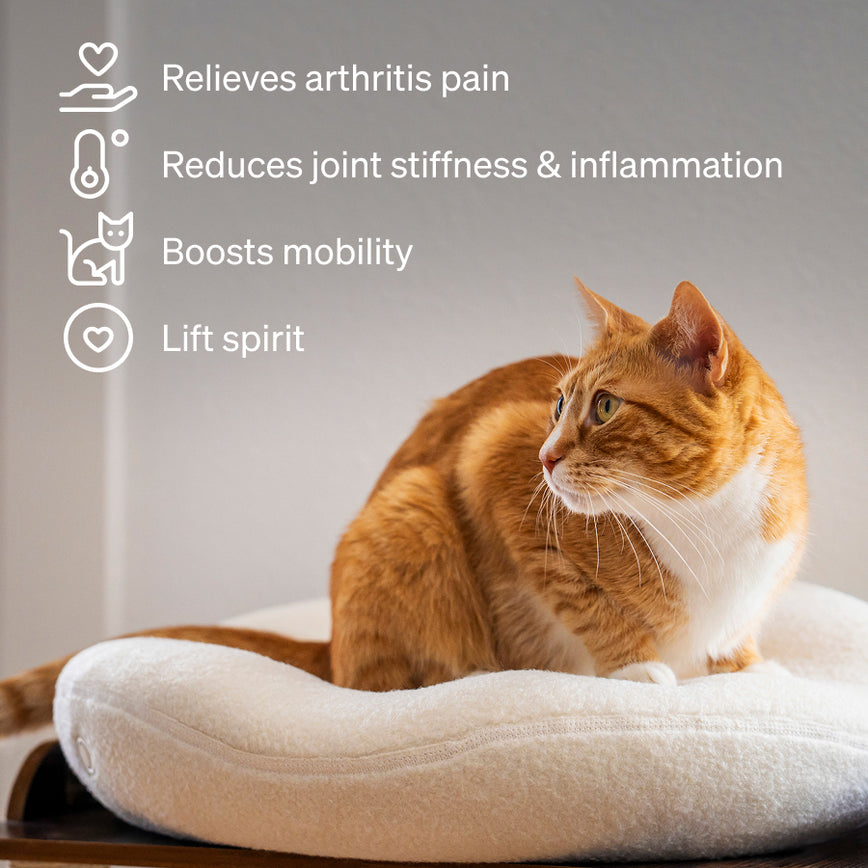
Older cats lose the ability to regulate their body temperature and often seek out warmth.
Choose the Best Bed for Their Needs
Look for soft, orthopedic beds that cushion sore joints, enclosed or cave-style designs that feel secure, and washable covers to manage occasional incontinence. Place beds in quiet, draft-free spots away from loud appliances and heavy foot traffic.
Use Heated Options Safely
Heated beds and pads can offer comfort, but always choose pet-safe models with automatic shut-off features. Never use human heating pads, and supervise your cat during initial use to prevent burns. Placing a bed near a sunny window is a simple, safe alternative.
Help With Grooming and Hygiene
Arthritis and stiffness often make self-grooming difficult for senior cats, which is where your help becomes essential.
Brush Weekly or More Often
Use a soft-bristle brush or grooming glove to prevent painful matting, reduce hairballs, distribute natural oils, and strengthen your bond. Long-haired cats may need daily brushing to stay tangle-free.
Use Grooming Time as a Health Check
While brushing, inspect your cat’s eyes for redness or cloudiness, ears for wax buildup or odor, skin for lumps or dryness, and teeth and breath for signs of dental disease. Report any concerns to your vet promptly.
Nurture Their Emotional Well-Being
Senior cats may seem less playful, but they still crave love, attention, and a sense of belonging.
Spend Quiet, Quality Time Together
Offer gentle petting, soft conversation, or simply sit nearby and share calm companionship. Respect your cat’s limits and allow them to set the pace for interaction.
Create Harmony in Multi-Pet Homes
Ensure younger pets do not bully or overwhelm your senior cat. Provide separate feeding and resting areas, offer vertical spaces like cat trees and shelves where seniors can retreat, and monitor interactions to step in when needed.
Warning: Never isolate a senior cat from the family. Loneliness can lead to depression and physical decline.
Frequently Asked Questions About Senior Cat Care
At What Age Is a Cat Considered Senior?
Most cats enter their senior years around age 11, though some veterinarians consider cats senior starting at age 7. Larger breeds may age slightly faster than smaller cats.
How Often Should a Senior Cat See the Vet?
Senior cats should visit the vet at least twice a year for checkups. These visits typically include blood work, urinalysis, dental exams, and a physical assessment to catch early signs of disease.
What Is the Best Food for Senior Cats?
The best diet for a senior cat is a high-quality, age-appropriate formula that is lower in calories, higher in fiber, and enriched with omega-3 fatty acids, antioxidants, and joint-supporting nutrients like glucosamine.
How Can I Tell if My Senior Cat Is in Pain?
Common signs of pain in senior cats include limping, reluctance to jump, reduced grooming, overgrooming of specific joints, hiding, and vocalizing more than usual. Subtle behavior changes are often the earliest clue.
Do Senior Cats Need Special Beds or Heating?
Yes. Older cats benefit from orthopedic beds placed in warm, draft-free areas. Heated pet beds with safety features can provide extra comfort, but always supervise use and avoid human heating pads.
How Can I Help a Senior Cat With Arthritis?
Help arthritic cats by adding ramps or steps to favorite spots, using low-sided litter boxes, placing non-slip mats on slippery floors, and asking your vet about pain management options such as supplements or prescription medications.
Final Thoughts on Caring for Your Senior Cat
Caring for a senior cat is one of the most rewarding parts of pet ownership. By scheduling regular vet visits, feeding an age-appropriate diet, supporting joint health, and watching for early warning signs, you can dramatically improve your cat’s quality of life. Equally important is the emotional side of care: gentle attention, a predictable routine, and cozy spaces where they feel safe. Your senior cat has given you years of loyalty and companionship. Now, with thoughtful daily habits and a proactive approach to health, you can return that care and help them enjoy every moment of their golden years. Start with one small change today, whether it is switching to a senior diet, adding a ramp to a favorite perch, or simply spending a few extra quiet minutes together.