
Feeling called to brighten an older adult’s day through genuine human connection? Becoming a senior companion offers one of the most accessible and rewarding ways to fight loneliness in your community. This role centers on emotional presence rather than medical care, making it ideal for anyone with compassion and consistency to offer.
You don’t need a nursing degree or formal credentials to get started. What matters most is empathy, reliability, and a willingness to show up. Programs like AmeriCorps Seniors’ Senior Companion Program and private home care agencies across the country actively welcome volunteers and paid companions of various ages. Below, you’ll find a complete roadmap covering eligibility, skills, training, and how to land your first opportunity.
Understand What a Senior Companion Actually Does
Companionship, Not Caregiving
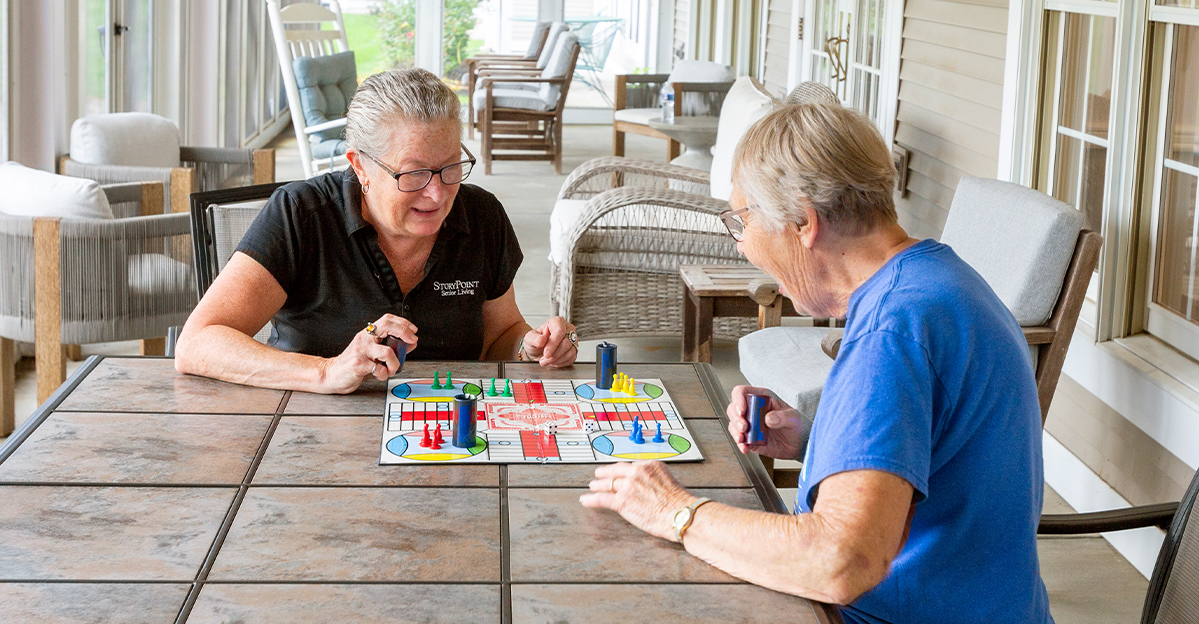
A senior companion provides emotional support and social engagement, not medical or personal care. You won’t bathe clients, change dressings, or administer medication. Instead, you’ll spend time building trust through conversation, shared meals, games, and outings.
Think of yourself as a reliable friend who shows up consistently. Many older adults live alone and go days without meaningful interaction. Your steady presence fills that gap with warmth, laughter, and connection.
Typical Daily Responsibilities
Your tasks may include:
– Engaging in conversation and active listening
– Accompanying seniors to doctor visits or community events
– Preparing light meals or snacks together
– Playing cards, reading aloud, or working on puzzles
– Helping with small errands or organizing personal items
– Providing reassurance during anxious moments
The exact mix depends on whether you volunteer through a program or work for an agency, but the core purpose stays the same: be present, be kind, be reliable.
Check the Basic Eligibility Requirements
Age and Background Verification
Most formal programs require volunteers to be at least 55 years old, especially the Senior Companion Program under AmeriCorps Seniors. Private agencies, however, often accept applicants as young as 18.
Every reputable employer or program will require a background check, including fingerprinting and a criminal history review. This protects both you and the seniors you serve.
Transportation Needs
If your role involves driving clients to appointments, expect agencies to ask for:
– A valid driver’s license
– Proof of auto insurance
– A reliable vehicle
Some programs offer mileage reimbursement, so track your travel carefully.
Education and Experience Expectations
No college degree is required. A high school diploma or GED is often preferred but rarely mandatory. Employers place far more value on soft skills like empathy, patience, and clear communication.
Prior experience with older adults, whether through family caregiving, volunteering, or customer service, gives you a strong edge.
Build the Personal Qualities That Matter Most

Traits Families and Agencies Look For
Being a great companion starts with character. Focus on developing these qualities:
– Empathy: Can you listen without judgment?
– Patience: Are you comfortable with slower routines or memory lapses?
– Reliability: Will you show up on time, every time?
– Emotional stability: Can you manage your own feelings without projecting them?
Families frequently say they’d rather have someone warm and consistent than someone technically trained but cold or rushed.
Helpful Knowledge Areas
While not required, learning about common aging challenges makes you more effective:
– Dementia awareness: Respond calmly to confusion or repetition
– Fall prevention: Spot hazards like loose rugs or poor lighting
– Medication reminders: Prompt timing without administering drugs
– Active listening: Encourage storytelling and validate feelings
These skills are easy to learn through free or low-cost community courses.
Pursue Optional Training to Stand Out
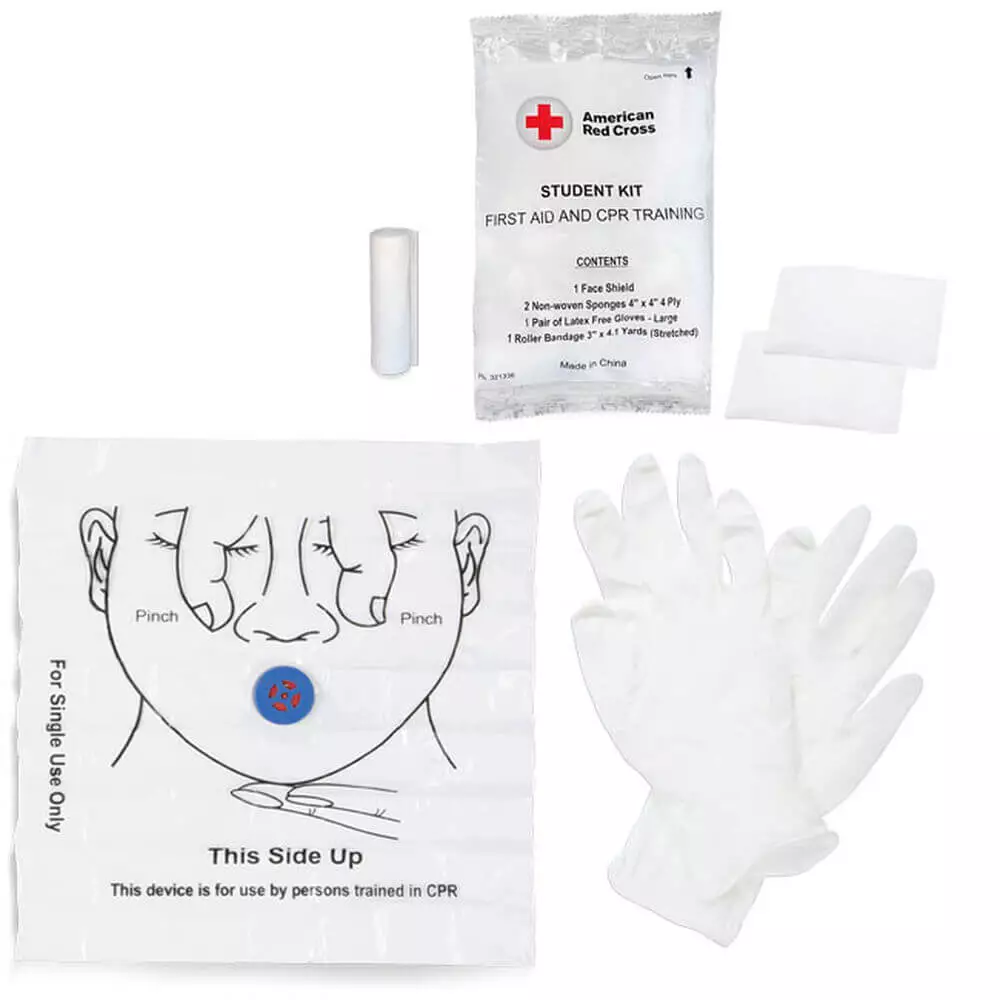
Short Certifications That Boost Credibility
Certifications aren’t mandatory, but they open more doors and increase your confidence. Consider earning:
| Certification | Why It Helps |
|---|---|
| CPR & First Aid | Required by many agencies; signals preparedness |
| Dementia Care Training | Qualifies you for higher-need clients |
| Fall Prevention Course | Builds safety awareness in the home |
| Medication Reminder Training | Allows light support in structured settings |
The American Red Cross and many community colleges (such as Coastal Bend College in Texas) offer these courses online or in person.
Broader Gerontology Basics
For deeper knowledge, explore short courses in:
– Aging and society
– Communication with older adults
– End-of-life support (especially for hospice volunteering)
These are available through adult education centers, community colleges, or platforms like Coursera and edX.
Gain Real Experience Before Applying
Start with Volunteer Work
Nothing builds confidence like hands-on time with seniors. Try volunteering at:
– Local senior centers
– Retirement or assisted living communities
– Hospice organizations
– Meals on Wheels programs
Even informal companionship with a neighbor or family friend counts. Document these hours to strengthen your resume later.
Use Experience to Build Trust
Families hiring companions often rely on word-of-mouth referrals. The more time you spend with older adults, the more natural the interactions become. You’ll learn to:
– Read nonverbal cues
– Respect personal boundaries
– Adapt to different personalities and moods
This practical learning is invaluable and impossible to replicate in a classroom.
Find Opportunities Through Home Care Agencies

Reputable National Agencies
Many newcomers enter the field through established agencies that handle hiring, training, and scheduling. Trusted providers include:
– Home Instead Senior Care
– Comfort Keepers
– Visiting Angels
– Right at Home
– Local independent home care agencies
These agencies manage onboarding, background checks, and ongoing support.
Why Agencies Are a Smart Starting Point
Working through an agency offers several advantages:
– No need to find clients on your own
– Structured pay and consistent scheduling
– Backup coverage when you’re unavailable
– Access to free training and resources
They also handle contracts and billing, reducing your administrative workload.
Apply and Get Hired Successfully
Prepare a Strong Resume and Cover Letter
Your application should spotlight:
– Reliability and punctuality
– Any experience with older adults (paid or unpaid)
– Soft skills: empathy, communication, patience
– Relevant certifications (CPR, dementia training)
Use concrete examples:
“Volunteered weekly at Oakwood Senior Center, leading trivia games and providing one-on-one companionship to residents with limited mobility.”
Skip medical jargon. You’re applying to be a friend, not a nurse.
Ace the Interview
Be ready to answer questions like:
– Why do you want to work with seniors?
– How would you handle a client who becomes upset or confused?
– Describe a time you built trust with someone different from you.
Show warmth, professionalism, and a genuine service mindset.
Join the Senior Companion Program (Volunteer Path)
Eligibility and Benefits
If you’re 55+, you can apply to the AmeriCorps Seniors Senior Companion Program, a national volunteer initiative that offers:
– A modest stipend for out-of-pocket expenses (not taxable income)
– Training and ongoing support
– Social connection and renewed purpose
Services are provided free of charge to adults 60+, especially those who are low-income or isolated.
How to Apply
Follow these steps to get started:
1. Visit the AmeriCorps website and search for “Senior Companion” opportunities
2. Contact your local Area Agency on Aging
3. Call the Illinois Senior HelpLine (if in Illinois) or your state’s equivalent aging resource line
4. Reach out to a local Care Coordination Unit (CCU)
Availability depends on your location, as the program operates in select counties.
Consider Starting Your Own Companion Business
When to Go Independent
After gaining 6–12 months of experience through an agency or volunteer work, you may be ready to offer services independently. Benefits include:
– Full control over your schedule
– Freedom to choose your clients
– Higher earning potential
The trade-offs include handling your own marketing, contracts, and liability insurance.
Steps to Launch Successfully
- Register your business (a sole proprietorship is the simplest structure)
- Get liability insurance to protect against accidents
- Set competitive rates (typical range: $15–$25 per hour, depending on your region)
- Market locally through flyers, Facebook groups, senior centers, and church bulletins
- Ask for referrals from satisfied families
Start small with one client, then grow your reputation organically.
Debunk Common Misconceptions
“I Need Medical Training”
False. This role is not healthcare. You won’t give injections, change bandages, or assist with bathing. Seniors needing personal care hire a home health aide for those tasks.
“It’s Just Running Errands”
No. While light tasks are part of the job, the emotional connection is the real value. Families hire companions because their loved one is lonely, not because they need housework done.
“Only Retirees Can Do This”
Wrong. While many companions are 55+, younger people, including students and career-changers, also thrive in this role. Your attitude matters far more than your age.
Maintain Professionalism and Protect Trust
Set Clear Boundaries
Keep relationships healthy by:
– Not sharing your personal problems with clients
– Avoiding gifts or loans
– Never discussing other clients or staff
– Sticking to agreed-upon hours and duties
Consistent professionalism builds long-term trust.
Protect Privacy and Dignity
Always:
– Keep conversations confidential
– Knock before entering rooms
– Respect established routines and preferences
Treat every senior the way you’d want your own family member treated.
Grow Your Career Over Time
Expand Your Skills
Once you’re comfortable, consider adding credentials like:
– CNA (Certified Nursing Assistant) certification
– CHHA (Certified Home Health Aide) training
– Specialized dementia or Alzheimer’s care certifications
These allow you to take on more complex roles and increase your earning potential.
Join Professional Networks
Connect with organizations such as:
– National Association of Senior Companions (NASC)
– National Association for Home Care & Hospice (NAHC)
These groups offer resources, training opportunities, and valuable networking connections.
Frequently Asked Questions About Becoming a Senior Companion
Do I need a medical background to become a senior companion?
No. The role focuses on emotional support and social engagement, not medical care. You won’t administer medication, change dressings, or help with bathing. Compassion and reliability matter far more than clinical training.
What is the minimum age to volunteer with the Senior Companion Program?
You must be at least 55 years old to volunteer through the AmeriCorps Seniors Senior Companion Program. However, private home care agencies often hire companions as young as 18, depending on state regulations and employer policies.
How much can I earn as a paid senior companion?
Pay varies by region and employer. Working through an agency, hourly rates typically fall between $15 and $25 per hour. Independent companions set their own rates, which may be higher once you build a strong reputation.
Do I need certifications to get hired?
Certifications aren’t mandatory, but CPR and First Aid are commonly required by agencies. Additional training in dementia care, fall prevention, or medication reminders makes you more competitive and confident on the job.
How do I find clients if I work independently?
Effective marketing channels include:
– Posting flyers at senior centers and churches
– Joining local Facebook groups for caregivers
– Asking satisfied families for referrals
– Networking at community job fairs and senior events
Word-of-mouth remains one of the strongest tools for growing an independent companion business.
Key Takeaways for Starting Your Senior Companion Journey

Becoming a senior companion is one of the most meaningful paths you can choose, requiring minimal formal credentials but offering maximum emotional reward. The role is built around presence, empathy, and consistency rather than medical expertise, making it accessible to anyone with genuine compassion.
Start by volunteering locally to build real experience and confidence. Then pursue short certifications like CPR and First Aid to strengthen your resume. Apply to trusted home care agencies or the AmeriCorps Seniors program to access structured opportunities, training, and support.
Your next step is simple: contact one local senior center, home care agency, or Area Agency on Aging this week to ask about volunteer or employment openings. Showing up is the first and most important act of this role, and it begins with reaching out today.