
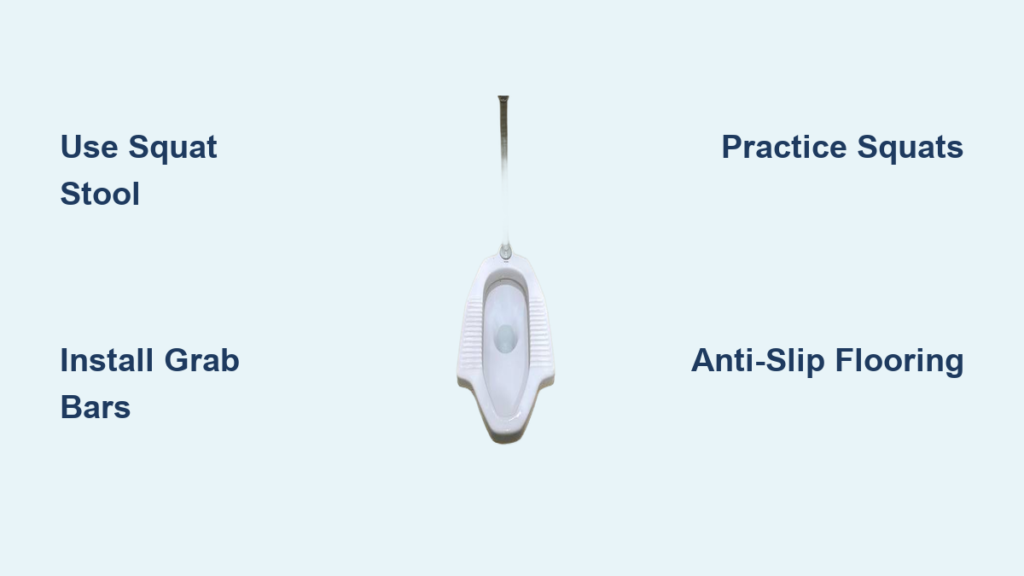
Squat toilets are standard across much of Asia, Africa, the Middle East, and parts of Southern Europe, yet many Western travelers assume older adults cannot manage them. In reality, millions of elderly people use squat toilets every day with confidence and ease. Their success comes from decades of physical conditioning, smart support strategies, and cultural familiarity rather than exceptional fitness.
This guide breaks down exactly how elderly individuals handle squat toilets. You will learn about the lifelong habits that make squatting easier, the physical challenges that come with aging, and the practical tools that improve safety. Whether you are a caregiver, a senior traveler, or simply curious, these insights offer real value.
Lifelong Squatting Habits That Build Strength
Built-In Muscle Memory From Childhood
In cultures where squat toilets are standard, children learn to squat from an early age. They squat to use the bathroom, eat, play, and rest. This repeated posture strengthens the calves, thighs, hips, and core over a lifetime, making deep bends feel natural even in later years.
Unlike populations who sit for most daily activities, these individuals maintain flexibility and joint resilience well into old age. Their bodies are conditioned for the position, which lowers the effort required to squat and stand back up.
Daily Activities That Reinforce Mobility
In rural and traditional communities, squatting is woven into daily life. Washing clothes, cooking over low stoves, and socializing all involve similar postures. This constant movement preserves balance, coordination, and leg strength, all of which support safe toilet use.
Because of this background, many elderly users do not view squat toilets as a challenge. Their ability is the product of consistent, functional movement rather than targeted exercise.
Physical Challenges Elderly Users Face With Age
Joint Pain and Reduced Flexibility
Conditions like osteoarthritis, knee degeneration, and hip stiffness become more common with age. Deep flexion grows painful, and rising from a squat may require significant effort. The risk of falling also rises.
Still, those accustomed to squatting often experience less severe decline in lower-body function than people from sitting cultures. Regular use of the squat position may help delay joint deterioration by preserving range of motion.
Balance Issues and Fall Risk
Wet or uneven bathroom floors create real danger, especially when lowering or rising. A misstep can lead to serious injury. Many elderly users reduce this risk through careful technique and external support.
They often move slowly, lean on walls or rails, and keep their center of gravity low. Some adopt a semi-squat or hover position instead of going fully down, which reduces strain while still aligning with local norms.
Practical Support Tools for Safer Squatting

Squatting Stools That Reduce Strain
A squatting stool is one of the most effective aids available. Placed under the feet, it elevates the heels and tilts the pelvis forward. This mimics the natural squat posture while reducing knee and hip flexion.
For elderly users, the slight lift offers several benefits:
– Decreases pressure on joints
– Improves balance during use
– Makes standing up easier
– Requires less deep bending
These stools are inexpensive, portable, and easy to use at home or while traveling.
Handrails and Grab Bars for Stability
Many homes and public restrooms in squat-toilet regions now include stainless steel handrails or side supports. These allow users to lower themselves slowly, hold on during use, and push up safely when finished.
Properly placed rails mounted at hip height on both sides of the toilet can dramatically reduce fall risk. In senior housing and medical centers, these supports are now standard.
Low Benches and Anti-Slip Flooring
Some households install low squatting benches or platforms beside the toilet for partial support. Others add non-slip mats or textured tiles to prevent slipping on wet floors.
In family homes, younger members often modify bathrooms for aging relatives by adding temporary supports. Some install a Western-style seat as a backup, though many elderly users still prefer the familiar squat position.
Cultural Beliefs That Shape Toilet Preferences
Health Benefits of the Squat Position
Squatting is widely believed to promote more complete bowel evacuation by straightening the recto-anal angle. This reduces straining and may lower the risk of constipation, hemorrhoids, and pelvic floor disorders.
Many elderly users value this physiological benefit and choose squat toilets even when sitting options exist. For them, comfort includes how the body functions, not just how it feels.
Stigma Around Sitting Toilets
In some cultures, sitting toilets carry a stigma. They may be seen as less hygienic because the body touches the seat, or because they require more water and plumbing than is always available.
Because of these beliefs, older adults often resist switching to Western-style toilets, even when mobility becomes harder. Their preference is rooted in both tradition and decades of practical experience.
Tips for Seniors Adapting to Squat Toilets Abroad

Preparing Before Travel
Elderly travelers who are new to squat toilets can prepare with a few simple steps:
– Practice squatting at home using a chair for support, and build up duration gradually
– Pack a portable squat stool since lightweight folding models are easy to carry
– Wear loose, flexible clothing that does not restrict movement
– Bring disposable seat covers or wipes for restrooms without seats
Public restrooms in major cities often include family or accessible stalls with handrails. Choosing these stalls makes the experience much easier.
Temporary Alternatives When Squatting Is Not Possible
When full squatting feels unsafe, a few alternatives exist:
– Squatting over a sitting toilet in a private bathroom
– Using a bedside commode in hotels or care facilities
– Looking for hybrid toilets that offer both squat and sit options, common in urban areas
These choices allow seniors to maintain dignity and independence without abandoning cultural norms entirely.
Exercises and Home Modifications That Build Confidence
Simple Strengthening Movements
Even late in life, strength and balance can improve with daily practice. A short routine covers the key muscle groups:
– Chair squats to build leg power without full strain
– Heel raises to strengthen calves for better stability
– Hip and ankle stretches to improve flexibility for deeper squats
– One-foot balance drills using a wall for support
Spending just five to ten minutes a day on these movements can lead to noticeable gains in mobility.
Safer Bathroom Environments at Home
Small changes to the bathroom environment reduce accident risk significantly:
– Anti-slip mats or textured tiles around the toilet area
– Bright lighting plus nightlights for nighttime visits
– Clear, clutter-free pathways from the door to the toilet
These upgrades benefit everyone in the household, not just elderly users.
Family Support Without Shame
In many cultures, family members assist elderly relatives in discreet ways. They may install grab bars, help choose supportive footwear, or accompany them on outings to public restrooms. Reducing the stigma around mobility challenges encourages safer habits and keeps seniors active longer.
Modern Design Innovations for Aging Populations

Accessible Public Restrooms in Major Cities
Cities like Tokyo, Seoul, and Singapore now feature universal design elements in their public toilets. These include mixed toilet types, emergency call buttons, wider stalls for caregivers, and automatic flush or bidet functions.
These upgrades respect cultural preferences while supporting older users. They offer a useful model for other regions experiencing rapid population aging.
Convertible Seats and Hybrid Toilets
New products offer adjustable toilet seats that can be raised or removed, allowing both sitting and squatting. While not yet widespread, they represent a promising blend of tradition and accessibility.
Architects and planners are paying closer attention to multi-generational needs in sanitation design. For aging societies, this shift is both necessary and overdue.
Frequently Asked Questions About Elderly Squat Toilet Use
Can Elderly People Safely Use Squat Toilets?
Yes, many elderly people use squat toilets safely every day. Their success comes from lifelong habit, physical conditioning, and supportive tools like handrails or squat stools. Proper technique and a safe environment further reduce risk.
What Tools Help Seniors Use Squat Toilets?
The most common aids include squatting stools, handrails or grab bars, and non-slip mats. Some homes also feature low benches beside the toilet. These tools lower the strain on knees and hips while improving balance.
Are Squat Toilets Better for Bowel Health?
Squatting is believed to straighten the recto-anal angle, which may allow for more complete bowel evacuation. This can reduce straining and lower the risk of hemorrhoids and constipation. Many elderly users prefer squat toilets partly for this reason.
How Can Seniors Prepare for Squat Toilets While Traveling?
Practicing squats at home, packing a portable footstool, and wearing flexible clothing all help. Choosing accessible or family stalls in public restrooms provides extra space and often includes handrails for support.
What If an Elderly Person Cannot Squat Fully?
A semi-squat or hover position is a common compromise that reduces strain. Hybrid toilets, bedside commodes, and sitting toilets with foot support also offer practical alternatives when full squatting is not possible.
Do Squat Toilets Reduce Fall Risk Compared to Sitting Toilets?
Squat toilets carry their own fall risks, especially on wet floors. However, with proper supports and technique, many users find them stable. The key safety factors are handrails, non-slip surfaces, and good lighting.
Key Takeaways for Elderly Squat Toilet Use
Elderly people manage squat toilets through a blend of lifelong habit, physical adaptation, and practical support. Muscle memory built over decades makes the posture feel natural, while tools like footstools and handrails reduce strain and improve safety. Cultural beliefs about hygiene and bowel health further reinforce the preference for squat toilets, even in old age.
For caregivers, travelers, and facility designers, the lesson is simple. Mobility challenges can be met with smart design, cultural respect, and small, actionable changes. Start by assessing the bathroom environment, adding basic supports, and encouraging gentle strength exercises. These steps help seniors maintain independence, dignity, and comfort at any age.





