When your elderly parent suddenly becomes confused, stops eating, or seems unusually weak, you might chalk it up to aging or a bad day. But these subtle changes could signal something far more serious: pneumonia. Many families underestimate just how dangerous pneumonia is in the elderly until a routine illness turns into a life-threatening emergency.
This guide breaks down why pneumonia poses such a serious threat to older adults, what warning signs to watch for, and what you can do to prevent or catch it early. You’ll learn about mortality rates, common complications, and practical steps that could save a life.
Why Pneumonia Hits Seniors Harder Than Younger Adults

Aging weakens the body’s natural defenses in several important ways. The immune system becomes less efficient at recognizing and attacking pathogens, a process called immunosenescence. White blood cells respond more slowly, giving bacteria or viruses time to multiply inside the lungs.
Lung function also declines with age. The tiny hair-like structures that sweep mucus out of the airways work less effectively, and the cough reflex grows weaker. Together, these changes create an environment where infections can take hold quickly and spread fast.
The Immune System Slows Down
Older adults often fail to produce a strong inflammatory response. Instead of running a high fever, an elderly person may only seem “off” or unusually tired. This blunted response makes it harder for the body to signal that something is wrong, and easier for the infection to progress unnoticed.
Symptoms Often Don’t Look Like Pneumonia
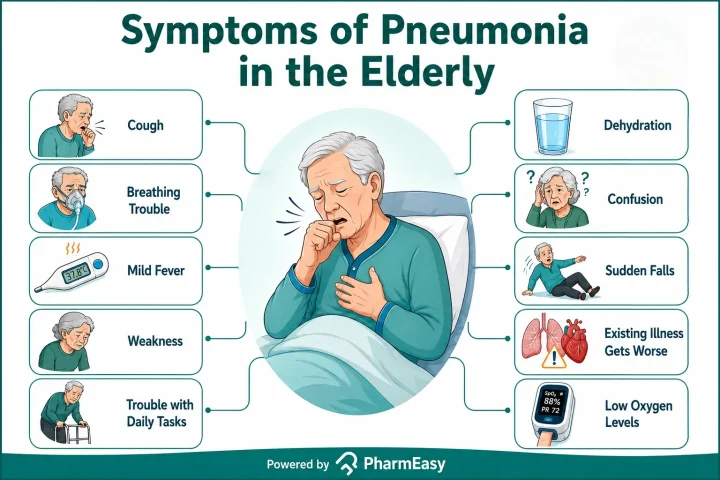
Classic pneumonia symptoms like coughing, chest pain, and fever may be mild or completely absent in seniors. Watch instead for these subtle red flags:
- Sudden confusion or disorientation
- Unexplained falls or dizziness
- Loss of appetite or refusal to eat
- General weakness or fatigue
- A lower-than-normal body temperature
These vague signs are easily mistaken for dementia, dehydration, or just “having an off day,” which delays the diagnosis when every hour counts.
Hospitalization and Serious Complications Are Common
Once pneumonia develops in an older adult, hospitalization is frequently required. The risk of life-threatening complications rises sharply with age, especially for those in nursing homes or with limited mobility.
Common Complications Older Patients Face
- Respiratory failure: The lungs cannot deliver enough oxygen, often requiring a ventilator.
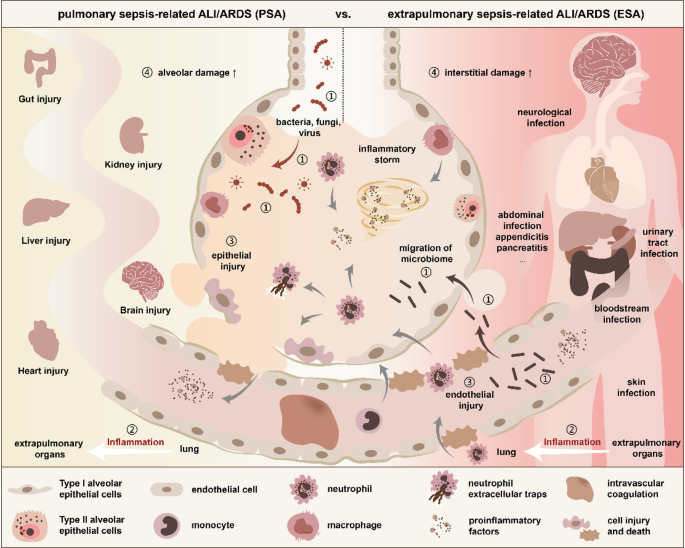
- Sepsis: A body-wide inflammatory response that can trigger organ failure.
- Pleural effusion: Fluid collects around the lungs and may need to be drained.
- Acute respiratory distress syndrome (ARDS): Severe lung inflammation that causes rapid breathing problems.
- Cardiac events: Pneumonia strains the heart and can trigger arrhythmias or heart attacks.
Patients over 80 or those managing several chronic illnesses face the highest risk for these outcomes.
Nursing Home Residents Are Especially Vulnerable
Long-term care facilities create close living conditions where pathogens spread easily. Many residents also have swallowing difficulties, which raises the risk of aspiration pneumonia. This dangerous form develops when food, saliva, or stomach contents slip into the lungs, often without any obvious choking.
Mortality Rates Climb Sharply With Age

The fatality rate for elderly pneumonia patients is significantly higher than for younger adults. Clinical studies show that up to 30% of seniors hospitalized with pneumonia do not survive, particularly those admitted to intensive care.
Factors That Raise the Risk of Death
- Being over 85 years old
- Living with three or more chronic diseases
- Low blood pressure at the time of admission
- Altered mental status or confusion
- Needing mechanical ventilation to breathe
Even those who survive often never return to their previous level of function. Many experience long-term disability or end up needing permanent institutional care.
Delayed Treatment Makes Everything Worse
Every hour without proper antibiotic therapy increases the chance of death. Because symptoms in seniors are often vague, treatment can be delayed by days. Seeking medical help immediately when an older adult shows sudden behavioral changes or breathing trouble can dramatically improve the outcome.
Chronic Health Conditions Make Pneumonia More Deadly

Existing illnesses don’t just increase the chance of catching pneumonia. They also make the infection far more dangerous once it takes hold.
COPD and Chronic Lung Disease
Reduced lung capacity and ongoing inflammation leave the lungs more vulnerable to infection. Pneumonia frequently triggers severe flare-ups that require hospitalization.
Heart Disease
Infection forces the heart to work harder while the lungs deliver less oxygen. This dangerous imbalance can lead to heart failure, especially in patients with coronary artery disease.
Diabetes
High blood sugar weakens immune cells and encourages bacterial growth. Diabetic seniors often experience more severe infections and slower recovery times.
Neurological Disorders
Conditions like Parkinson’s disease or a history of stroke can impair swallowing reflexes, raising the risk of aspiration pneumonia.
Prevention Strategies That Actually Work
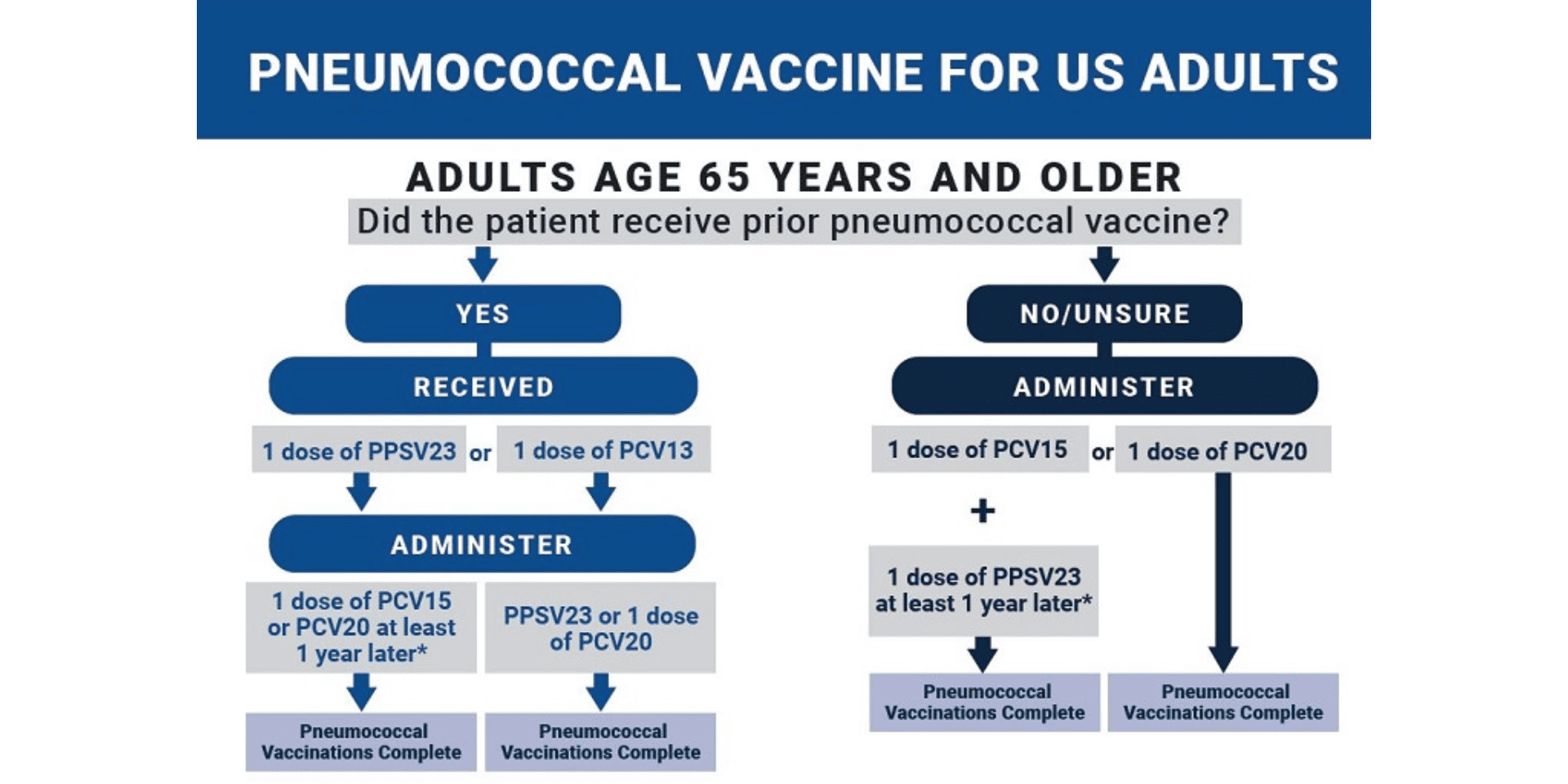
The most effective way to reduce how dangerous pneumonia is in the elderly is to prevent it from happening at all. Several well-proven strategies can significantly lower the risk.
Vaccination Offers Strong Protection
Two vaccines are recommended for adults over 65:
- Pneumococcal conjugate vaccine (PCV20 or PCV15): Shields against the most common bacterial cause of pneumonia.
- Annual influenza vaccine: The flu frequently leads to secondary bacterial pneumonia.
Both vaccines are widely available through primary care providers and local pharmacies.
Hygiene and Daily Habits Matter
- Wash hands often, especially during cold and flu season.
- Avoid close contact with anyone who is visibly sick.
- Use hand sanitizer when soap and water are not available.
Support Hydration and Movement
Dehydration thickens the mucus in the lungs, making it harder to clear. Encourage regular fluid intake and gentle physical activity, even for bedbound seniors, to promote lung expansion and circulation.
Early Detection Can Save a Life
Catching pneumonia early often means the difference between a smooth recovery and a medical crisis. Family members and caregivers should stay alert for subtle behavioral or physical changes.
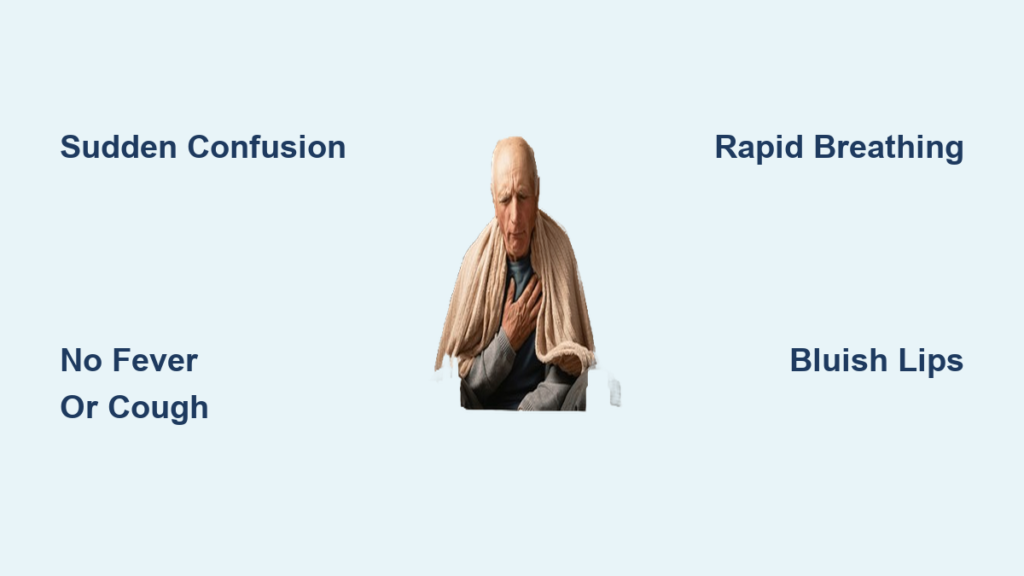
Red Flags That Require Immediate Attention
- New or worsening confusion
- Rapid breathing or shortness of breath while resting
- Bluish lips or fingertips
- Chest pain during breathing
- Severe fatigue or inability to get out of bed
Do not wait for a fever or cough to appear. If any of these signs show up, seek medical evaluation right away.
How Doctors Confirm Pneumonia
- Chest X-ray: Reveals infection in the lungs.
- Blood tests: Check white blood cell counts and oxygen levels.
- Pulse oximetry: Measures how well oxygen is reaching the blood.
- Sputum culture: Identifies the specific organism causing the infection.
Prompt diagnosis allows doctors to start the right antibiotic or antiviral treatment without delay.
Treating Pneumonia in Older Adults Is Complex
Treating elderly pneumonia patients requires more careful planning than treating younger ones. Medication choices, dosing, and ongoing monitoring all need to be personalized.
Antibiotic Selection Requires Caution
Broad-spectrum antibiotics are often started immediately, even before lab results come back. But kidney function declines with age, so doses must be adjusted carefully to avoid toxicity.
Drug Interactions Are a Real Risk
Many seniors take multiple daily medications. Antibiotics can interact with blood thinners, heart drugs, or diabetes medications, sometimes causing serious side effects. Always review the full medication list with the prescribing doctor.
Supportive Care Speeds Recovery
Oxygen therapy, IV fluids, and nutritional support are often necessary. Respiratory therapy can also help clear lung secretions and improve breathing efficiency.
Recovery Is Slower and Often Incomplete
Even with successful treatment, full recovery from pneumonia can take weeks or months in older adults.
Common Post-Pneumonia Struggles
- Ongoing fatigue
- Muscle weakness from extended bed rest
- Reduced appetite and unintended weight loss
- Cognitive decline or “brain fog”
- Greater dependence on caregivers for daily tasks
Physical and occupational therapy can help rebuild strength and restore independence over time.
Follow-Up Care Should Not Be Skipped
Schedule follow-up appointments to confirm the infection has cleared completely. Repeat imaging may be needed, and caregivers should monitor closely for any signs of relapse.
When to Call 911 Immediately
Certain symptoms signal that pneumonia is spiraling into an emergency. Do not wait to see if things improve.
Emergency Warning Signs
- Gasping for air or severe breathing difficulty
- Sudden confusion or unresponsiveness
- Very high fever or unusually low body temperature
- Rapid heartbeat combined with low blood pressure
- Inability to keep fluids down
Call 911 or head to the nearest emergency room the moment any of these appear.
Frequently Asked Questions About Pneumonia in the Elderly
What are the first signs of pneumonia in elderly adults?
The earliest signs often include sudden confusion, loss of appetite, general weakness, or a noticeable drop in energy. Many seniors do not develop a fever or cough in the early stages, which makes these subtle changes especially important to recognize.
Can an elderly person fully recover from pneumonia?
Many older adults recover, but the process is often slow and incomplete. Some patients never return to their previous level of independence, and fatigue or weakness can linger for months after the infection clears.
How quickly can pneumonia become fatal in seniors?
Pneumonia can become life-threatening within hours or days, especially without prompt treatment. Every hour of delay in starting antibiotics raises the risk of severe complications or death.
Why is pneumonia so dangerous for older adults?
Aging weakens the immune system, reduces lung function, and often comes with chronic illnesses that complicate recovery. The infection can also progress silently, leading to sepsis, respiratory failure, or heart problems before treatment begins.
What is the survival rate for pneumonia in elderly patients?
Survival rates vary widely based on age, overall health, and how quickly treatment begins. Among seniors hospitalized with pneumonia, mortality can reach 30%, particularly for those over 85 or with multiple chronic conditions.
When should an elderly person go to the hospital for pneumonia?
Seek hospital care immediately if the person shows confusion, rapid breathing, bluish lips or fingertips, chest pain, or an inability to stay hydrated. Any sudden decline in mental state or energy level also warrants urgent evaluation.
Key Takeaways for Protecting Elderly Loved Ones From Pneumonia
Pneumonia in the elderly is a serious medical emergency that deserves immediate attention. Its danger comes from silent onset, rapid progression, and a high rate of complications in older bodies. Vaccination, good hygiene, and staying alert to subtle symptoms remain the most powerful tools families and caregivers have.
Your next step is simple but important: schedule a pneumonia and flu vaccine for any senior in your life, and commit to watching for the subtle warning signs listed above. A quick response to confusion, weakness, or breathing changes could be the difference between a full recovery and a tragedy.